













Illustrative Image
The Indian Council of Agricultural Research (ICAR) has unveiled the world’s first two gene-edited rice varieties, marking a groundbreaking advancement in sustainable agriculture amid escalating climate change and food security challenges. Named DRR Dhan 100 (Kamala) and Pusa DST Rice 1, these varieties are poised to boost yields by 20–30%, shorten growth cycles, conserve irrigation water, and reduce methane emissions.
Speaking at the launch event, India’s Union Agriculture Minister Shivraj Singh Chouhan emphasized that these climate-resilient, high-yielding rice varieties will lay the foundation for a “second green revolution” in the country. He urged ICAR to expedite regulatory approvals to swiftly deliver the seeds to farmers.
According to ICAR, scientists are currently pursuing intellectual property rights (IPR) for both varieties. Commercialization and large-scale production are anticipated within the next two years, pending regulatory clearance.
What sets these rice varieties apart is their use of gene-editing technology, particularly CRISPR-Cas. Unlike traditional genetically modified organisms (GMOs), gene editing enables precise, targeted modifications to a plant’s existing genes without introducing foreign DNA. This approach is increasingly recognized by the global scientific community as a safer, more sustainable solution for modern agriculture.
ICAR estimates that if these gene-edited rice varieties are cultivated across the recommended 5 million hectares, India’s rice production could increase by 4.5 million tons. The shortened growth period, approximately 20 days less, could save up to 7.5 billion cubic meters of irrigation water. Additionally, greenhouse gas emissions, particularly methane from rice paddies, could be reduced by around 20%.
Given that agriculture is a significant contributor to greenhouse gas emissions, especially in major rice-producing nations like India, these figures hold substantial economic and environmental significance. ICAR notes that the success of these varieties paves the way for applying gene-editing technology to other crops, enhancing productivity, climate resilience, and product quality in line with the long-term goals of the “Viksit Bharat” national program.
In terms of cultivation, the Kamala variety is recommended for key rice-growing states such as Andhra Pradesh, Telangana, Karnataka, Tamil Nadu, Kerala, Chhattisgarh, Maharashtra, Madhya Pradesh, Odisha, Bihar, Uttar Pradesh, and West Bengal. The Pusa DST Rice 1 variety is also suitable for most of these regions.
ICAR revealed that the gene-editing research project for rice began in 2018. Two high-yielding, widely cultivated varieties, Samba Mahsuri (BPT5204) and MTU1010 (Cottondora Sannalu), were selected as the foundation for improvement. The final result is two new varieties that retain their inherent advantages while enhancing drought tolerance, yield, and climate adaptability.
India’s pioneering commercialization of gene-edited rice is expected to significantly impact the global agricultural market, particularly among major Asian rice exporters, as the race to enhance productivity and reduce emissions in rice production enters a new phase.
Vietnamese Rice Achieves Unprecedented Global Milestone
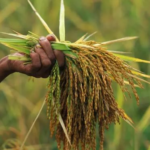
Vietnam has emerged as the world’s first nation to produce and export low-carbon rice on a large scale, setting a groundbreaking precedent in sustainable agriculture.
Unraveling the Complex “DNA” of a Glass of Milk with the Aftertaste of 20 Types of Grass and Flowers
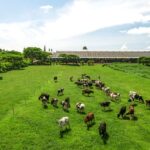
With nearly half a century of expertise, Vinamilk transparently showcases the journey behind every glass of milk, infused with the delicate essence of fresh grass. Through immersive tours of the Green Farm and urban experiential models, the company reinforces its pioneering spirit and unwavering commitment to elevating industry standards.
DPM Officially Launches DAP Phú Mỹ
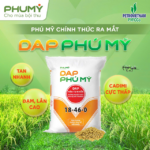
On December 5th, Petrovietnam Fertilizer and Chemicals Corporation (PVFCCo – Phu My, HOSE: DPM) officially announced the successful production and market launch of Phu My DAP fertilizer. This milestone marks a significant step in the company’s strategy to expand its portfolio of high-quality fertilizers and secure a reliable supply chain for Vietnam’s agricultural sector.
AgriS (SBT) Unveils New 2025-2030 Growth Strategy at Annual Shareholders’ Meeting
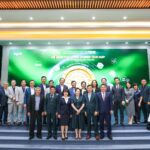
On December 6th in Tay Ninh, Thanh Thanh Cong – Bien Hoa Joint Stock Company (AgriS, HOSE: SBT) successfully held its Annual General Meeting of Shareholders for the 2024-2025 fiscal year. The meeting saw unanimous approval of all proposals, with a highlight being the adoption of a growth strategy for the 2025-2030 period.
Farmers Transform Lives Growing Wild Plant: “Count Leaves, Earn Cash,” Earning $85,000 Annually
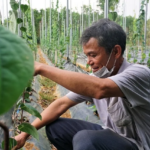
Once considered a wild plant, this remarkable tree has now been cultivated with precision by farmers, yielding billions of dollars in annual revenue.