








1. Resolving Challenges in the Implementation of the Land Law
Resolution 254/2025/QH15, adopted on December 11th, 2025, comes into effect amidst the implementation of the 2024 Land Law and its amendments. However, practical challenges persist in various localities, particularly in land recovery, compensation, resettlement, land allocation, leasing, land price determination, and financial obligations related to land.
The Resolution introduces additional cases where the State can reclaim land for national defense, security, and socio-economic development for the national interest. It also permits land reclamation based on project timelines and compensation progress.
Flexibility is introduced in reclaiming land before completing resettlement arrangements for critical national projects and urgent public investment projects. This ensures legal rights and interests of affected landowners while expediting project implementation.
Furthermore, the Resolution clarifies the basis for calculating land use fees, rental fees, and compensation upon state land reclamation. It emphasizes the role of land price tables and adjustment coefficients, addressing delays in determining land-related financial obligations. Provincial People’s Councils will determine and publish land price tables by January 1st, 2026, enhancing transparency and stability in land price management.
The Resolution also expands local authorities’ powers and simplifies administrative procedures, improving state land management efficiency and the business environment.
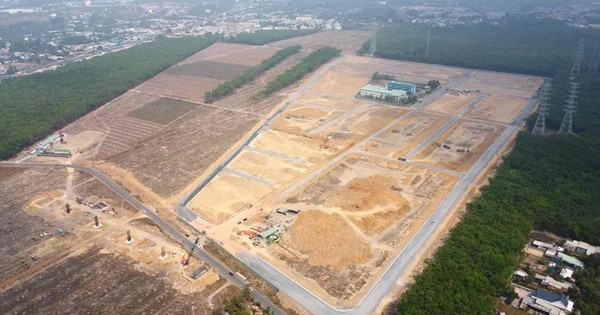
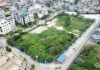
Resolution 254/2025/QH15 facilitates the swift execution of numerous projects serving national defense and security (Illustrative image)
|
2. Regulations on Land Use Fees and Rental Fees
Decree 291/2025/NĐ-CP outlines scenarios for land use fee determination when issuing land use right certificates for residential land without prior payment records. If no payment records exist, fees are calculated at 70% of the residential land price from the land price table. Conversely, if full payment is proven, no land use fees are required. Partial payments are proportionally adjusted, with remaining areas subject to 70% fees.
For remaining areas recognized as residential land, Article 140 of the 2024 Land Law mandates 100% land use fees based on the land price at the time of valid application submission.
Decree 291 amends exemptions and reductions in land use fees under Decree 103. Exemptions or reductions apply once per household or individual within residential land limits. Poor households and ethnic minorities must be permanent residents in the land’s locality.
Exemptions and reductions do not apply to land auctions or commercial housing land. Authorized entities can grant exemptions upon land allocation, purpose conversion, or land use right recognition.
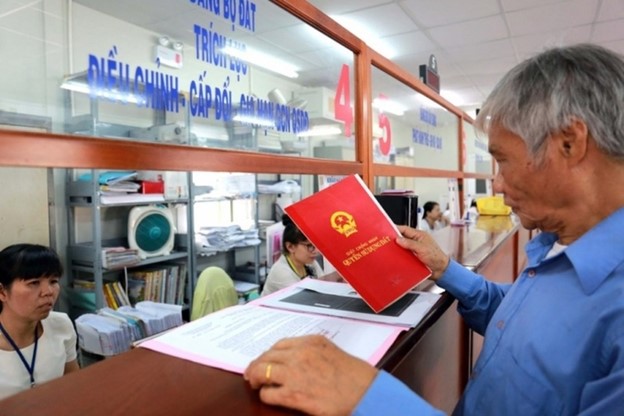
Decree 291 empowers authorized entities to exempt land use fees immediately upon land allocation (Illustrative image)
|
3. Additional Cases for Land Use Fee and Rental Fee Exemptions/Reductions
Decree 230/2025/NĐ-CP elaborates on exemptions and reductions in land use and rental fees under the 2024 Land Law and related regulations in Decree 103/2024/NĐ-CP.
Authorized entities decide on exemptions upon land allocation, leasing, purpose conversion, or land use right recognition. Tax authorities handle specific rental fee exemption cases. Eligible land users need only provide proof of entitlement without formal application procedures.
Decree 230 exempts land use fees for residential land allocation in resettlement areas, flood-prone zones, and fishing communities. It also reduces annual fees by 30% for defense land combined with production activities, with conditions for fee recovery if land use deviates from approved plans.
Exemptions and reductions are permitted for socio-economic development, macroeconomic stability, and social welfare purposes. A 30% reduction in 2025 rental fees is granted for state land leased annually.
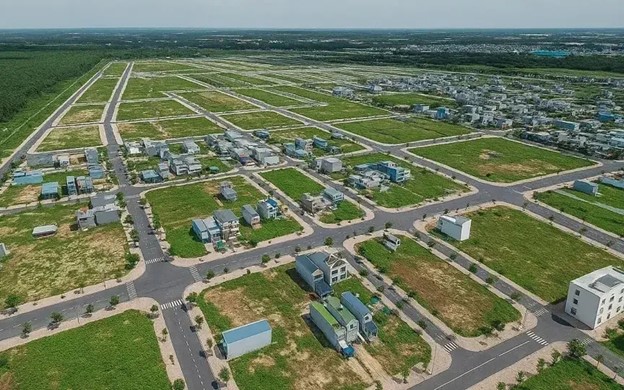
Decree 230 clarifies authority, procedures, and exemptions/reductions in land use and rental fees (Illustrative image)
|
4. Decree 226/2025/NĐ-CP Amending Land Law Implementation Decrees
Decree 226 clarifies the concept of “market transfer,” defining it as completed transactions with tax payments, land registration changes, or signed contracts between developers and customers, excluding future real estate sales. This resolves previous inconsistencies in interpretation and application.
It specifies data sources for land pricing, including completed market transactions and auction prices post-financial obligations. Data is sourced from national land databases, tax authorities, land registration offices, auction organizations, real estate exchanges, and surveys. Average prices are determined mathematically, prioritizing relevant information.
The decree outlines criteria for selecting comparable land plots based on distance, price-influencing factors, and information timelines, transcending commune boundaries within provinces.
Additionally, Decree 226 sets competency requirements for organizations conducting land surveys, evaluations, and planning consultations.

Decree 226 ensures clarity, transparency, and practicality in implementing the 2024 Land Law (Illustrative image)
|
5. Delineating Local Authority Powers in Land Management
Decree 151/2025/NĐ-CP, effective July 1st, 2025, delegates additional powers from district to commune levels, including land recovery, compensation approval, land recovery enforcement, land use right certification, land allocation, leasing, and purpose conversion for individuals and communities.
Commune-level authorities are also empowered in land price determination and appraisal.
Notably, businesses can directly engage with commune authorities for small-scale or single-commune projects from July 1st, 2025.
Provincial authorities can allocate or lease land without auctions for specific public-interest projects, approved investments, or state-managed land leases, provided they meet 2024 Land Law criteria.
The decree eliminates the need for citizens to update land records post-local government reorganization, automating updates during administrative procedures.

Decree 151 significantly decentralizes authority, streamlining administrative procedures and enhancing grassroots land management (Illustrative image)
|
6. Pilot Mechanisms for Social Housing Development
Decree 192/2025/NĐ-CP, issued on July 3rd, 2025, details the implementation of Resolution 201/2025/QH15 on pilot mechanisms for social housing development until 2030.
Provincial authorities approve investment plans and assign developers for non-publicly funded social housing projects without bidding. Selection prioritizes financial capacity, experience, and state-owned enterprise status. Single applicants are directly assigned after evaluation.
Social housing prices can be determined per phase, structure, or project. Post-completion, developers must audit and settle construction costs, submitting reports to provincial authorities. Price adjustments post-contract are not permitted; surpluses must be refunded to buyers/tenants.
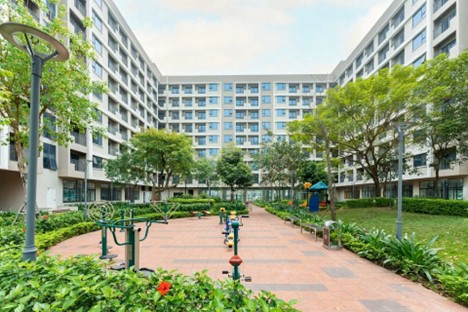
Decree 192/2025/NĐ-CP streamlines procedures and accelerates social housing projects until 2030 (Illustrative image)
|
7. Decree 87/2025/NĐ-CP on 2024 Land Rental Fee Reductions
Decree 87 reduces 2024 land rental fees by 30% for direct state land lessees paying annually. This applies even if 2024 legal procedures were incomplete but finalized upon reduction application submission.
Eligible lessees include those not previously exempt or whose exemptions expired, ensuring broader relief.

Decree 87 extends 2024 rental fee reductions to previously ineligible lessees (Illustrative image)
|
8. Resolving Commercial Housing Project Challenges
The 2024 Land Law, effective August 1st, 2024, allows commercial housing projects through land use right agreements or existing rights. However, many projects stalled as planned land was non-residential, despite urban development plans.
Decree 75/2025/NĐ-CP, effective April 1st, 2025, addresses this by enabling enterprises to negotiate directly with landowners for land acquisition or capital contribution through “willing buyer-willing seller” agreements. This ensures land access for enterprises, fair compensation for landowners, and state revenue without land reclamation.
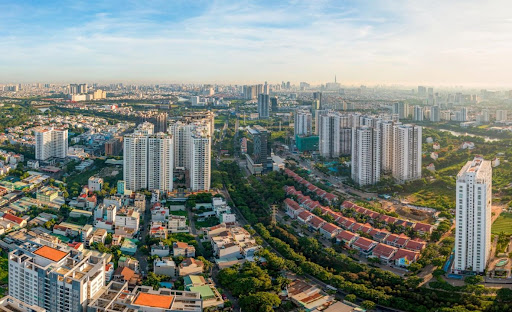 Decree 75 facilitates land acquisition, fair compensation, and state revenue without land reclamation (Illustrative image)
|
– 09:00 06/01/2026
Exciting News for 100 Projects in Ho Chi Minh City
Residents are increasingly hopeful of receiving their land-use rights certificates as the proposed expansion of the land-use fee calculation method gains traction, with project developers expected to fulfill their financial obligations promptly.
Billion-Dollar Real Estate and Tourism Projects in Khanh Hoa Province Face Violations

The Government Inspectorate has recently unveiled its findings from an audit of seven large-scale real estate and tourism projects in Khanh Hoa province, with combined investments totaling trillions of Vietnamese dong. The audit exposed numerous critical violations in investor selection, land management and utilization, financial obligation determination, planning adjustments, and project implementation, posing significant risks of substantial losses to the state budget.
New Land Ownership Certificate Regulations Take Effect Tomorrow: What You Need to Know
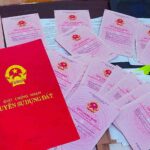
Resolution 254/2025/QH15 clearly outlines the specific cases for issuing the Certificate of Land Use Rights and Ownership of Properties Attached to Land (Red Book).
Unlocking the 2025 Budget Record: A Surge in Land Revenue Explained
The Ministry of Finance reports that state budget revenue has reached approximately VND 2.47 quadrillion. Domestic revenue sources have seen unprecedented growth across the board. *Tiền Phong* journalists delve into the factors behind this record-breaking surge in budget revenue.
Determining Land Value: Avoid Introducing New Methods Without Proper Basis

In determining land prices, Deputy Prime Minister Tran Hong Ha emphasized that only scientifically and legally grounded content, with clear methodologies and comprehensive data, should be stipulated.