









On January 5th, the Central Policy and Strategy Department, the Editorial Board of the Communist Magazine, and the Khanh Hoa Provincial Party Committee jointly organized a national scientific seminar themed “Science, Technology, and Innovation: Striving to Position Khanh Hoa as a National Growth Hub, a Centrally Governed City, and a Modern Maritime Economic Center.”
Addressing the seminar, Mr. Nghiem Xuan Thanh, Secretary of the Khanh Hoa Provincial Party Committee, emphasized that Khanh Hoa is on the cusp of a ‘golden era’ with unparalleled potential and opportunities. To seize these opportunities, a breakthrough in mindset, mechanisms, policies, and implementation capacity is essential.
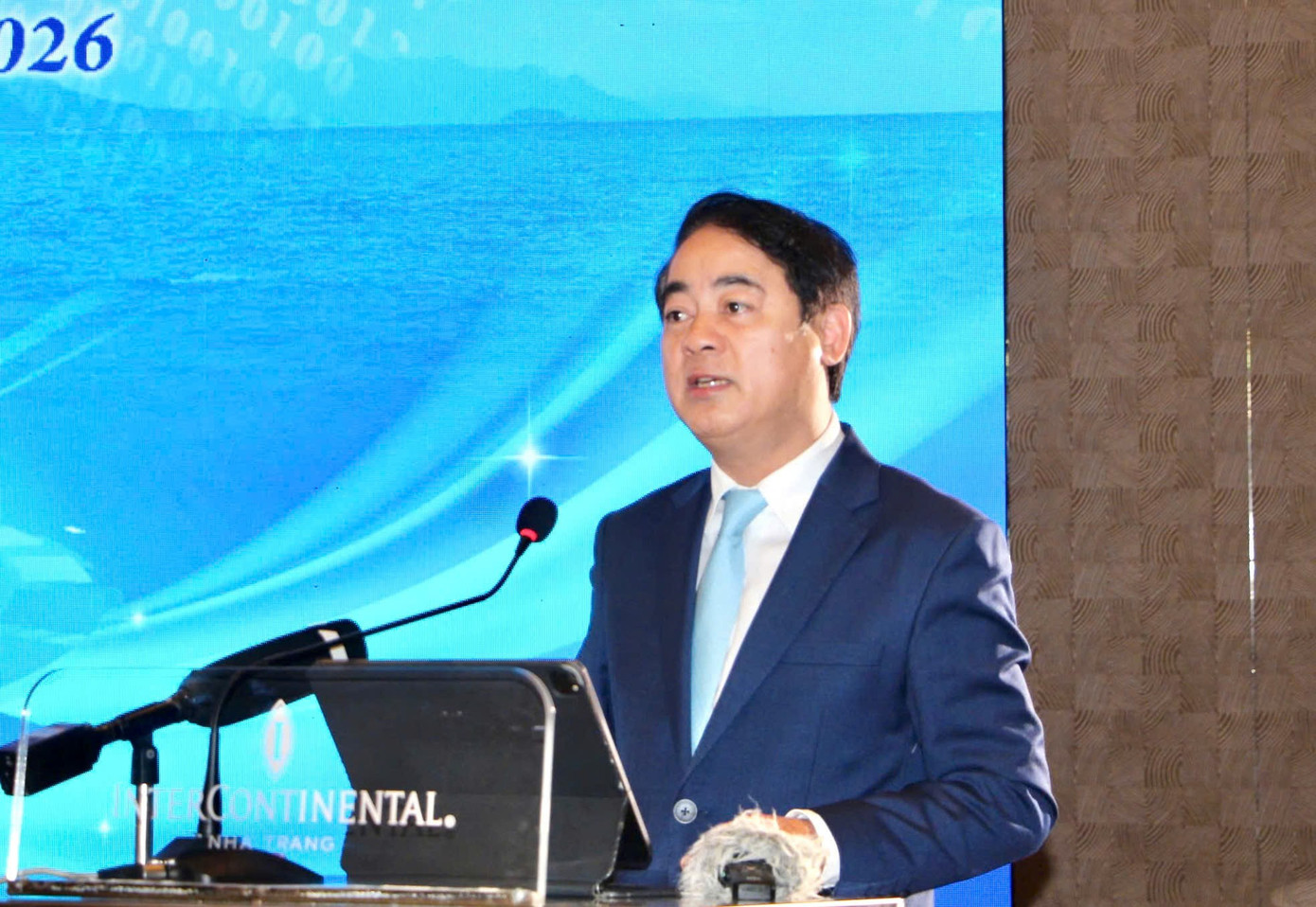
Mr. Nghiem Xuan Thanh, Secretary of the Khanh Hoa Provincial Party Committee, delivering his speech.
According to Mr. Thanh, science, technology, and innovation are the primary drivers and decisive catalysts for Khanh Hoa’s socio-economic development, accelerating the realization of the strategic goals outlined in Resolution No. 09 by the Politburo for Khanh Hoa.
“Khanh Hoa hopes this seminar will provide concrete strategies to harness the power of science, technology, and innovation on its soil, propelling the province toward becoming a national growth hub, a centrally governed city, and a modern maritime economic center,” Mr. Thanh stated.
Mr. Pham Dai Duong, Member of the Central Committee and Deputy Head of the Central Policy and Strategy Department, highlighted that alongside its strengths in high-quality tourism, fisheries logistics, and renewable energy, Khanh Hoa possesses “strategic assets” to robustly develop its seaport economy, logistics, energy industry, and semiconductors.
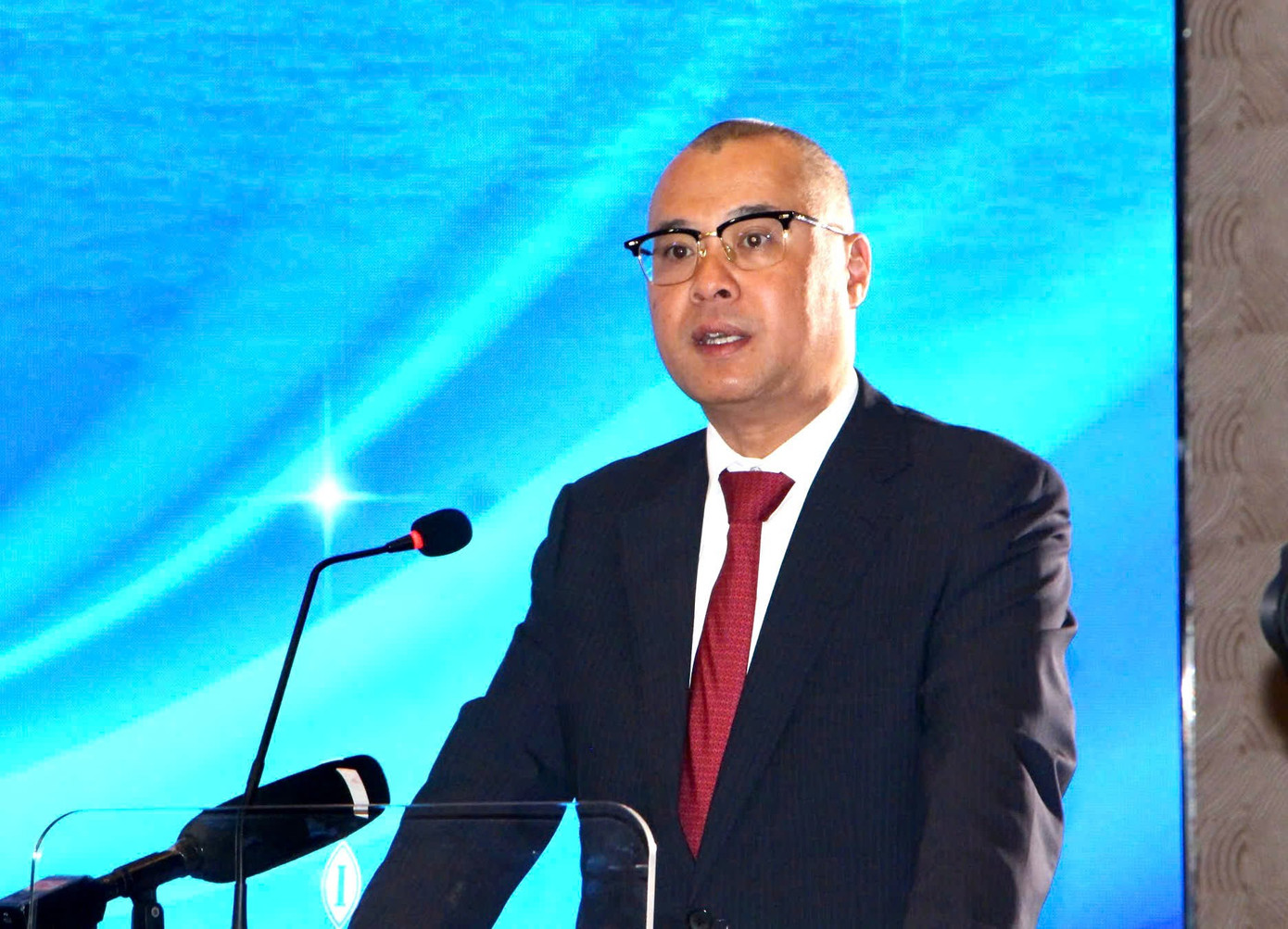
Mr. Pham Dai Duong, Deputy Head of the Central Policy and Strategy Department, speaking at the seminar.
“Khanh Hoa also faces significant challenges in strategic infrastructure, digital infrastructure, and high-quality human resources. Its innovation ecosystem is not yet robust enough to attract tech giants or foster cutting-edge industrial clusters commensurate with its potential,” Mr. Duong assessed.
Mr. Duong suggested that to achieve double-digit growth in 2026-2030 and beyond, Khanh Hoa must implement four strategic transformations. These include digital transformation for smart governance, digital economy, sustainable development, and climate change adaptation; energy transition to ensure energy security and achieve Net Zero commitments; and workforce restructuring to master the knowledge economy and develop modern production forces and methods.
Competing with Digital Data
Experts at the seminar noted that Khanh Hoa’s maritime economy remains overly reliant on tourism (45-50%), while seaport logistics contribute only 5-18%. To become a regional maritime economic hub, shifting the structure toward increasing the share of industrial logistics and blue maritime economy is imperative.
Mr. Nguyen Huy Dung, a Specialist Member of the Central Steering Committee on Science, Technology, Innovation, and Digital Transformation, proposed developing a “Digital Data Map for Khanh Hoa’s Maritime and Urban Economy.”
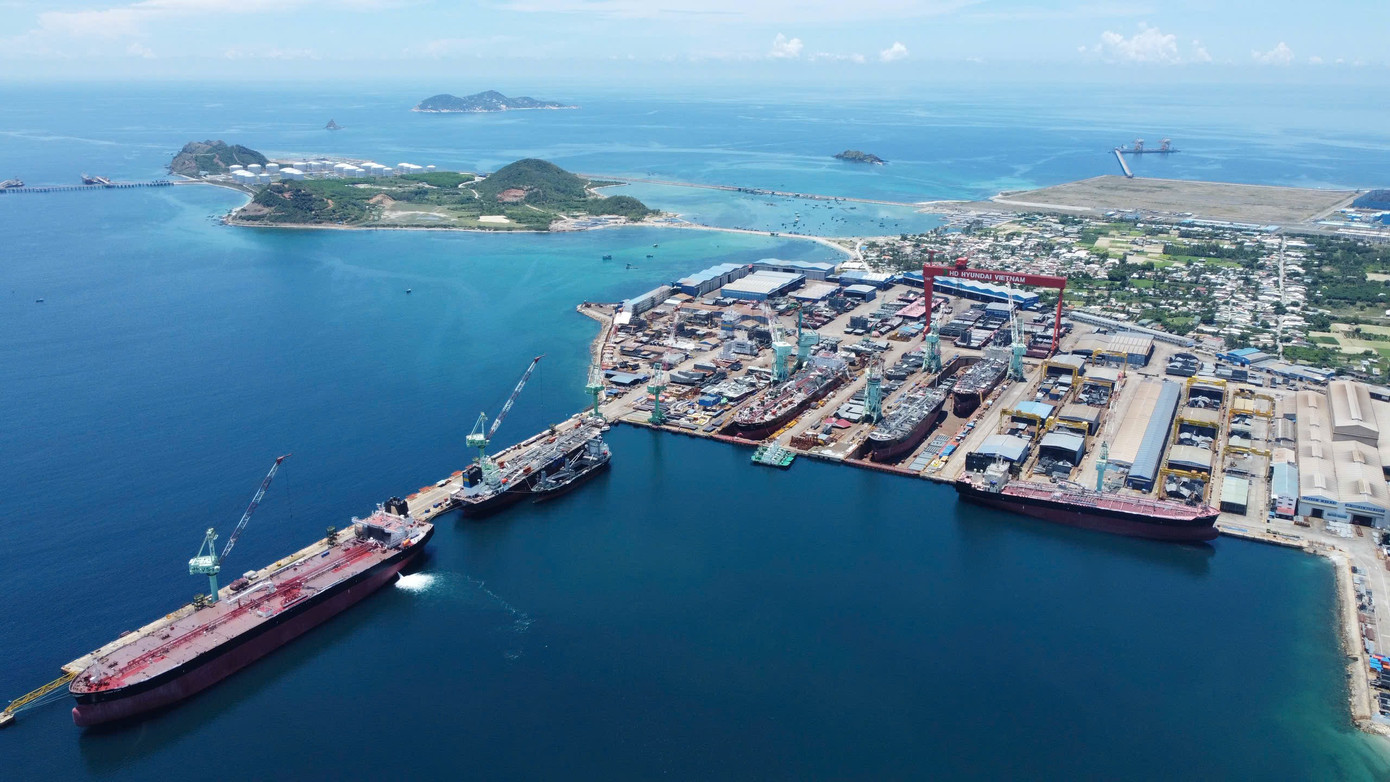
Deepwater bays enable Khanh Hoa to develop its maritime economy.
According to Mr. Dung, to compete with leading global maritime cities, Khanh Hoa should not rely solely on its coastline length or cargo volume. Instead, the province must leverage modern technology in seaport management, smart transportation systems, and urban development, as well as establish research and innovation centers.
Implementing digital seaports could reduce logistics costs by 10-20% and shorten cargo processing times by 15-30%. With current technology, Vietnamese enterprises can match Singapore’s processing speeds.
“This is the key for Van Phong and Cam Ranh to surge ahead, creating a new economic ecosystem around seaports and generating sustainable revenue for both large enterprises and local communities,” Mr. Dung concluded.
Seamless Electronic Data Integration for Accurate Land Financial Obligation Determination
The Joint Regulation on Electronic Information Exchange between the Tax Department and the Land Management Department aims to determine land-related financial obligations, fostering digital transformation and administrative procedure reform.
Minister of Finance Assigns Key 2026 Securities Sector Priorities
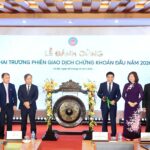
According to Minister Nguyễn Văn Thắng, the securities sector must embrace bold innovation, proactively adapt, and demonstrate greater flexibility in the coming year.
Finance Ministry Expands Recognition of Securities Professional Certifications

International certifications such as CIIA and CFA Level II or higher will be recognized as equivalent to the Fund and Asset Management Certificate, as well as the Derivatives Securities and Derivatives Market Certificate.
From 8.02% Growth to Double-Digit Ambitions: What Does the Ministry of Finance Say About Vietnam’s Economic Resilience?
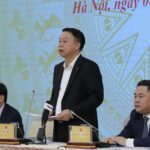
Following an 8.02% growth rate in 2025, the Ministry of Finance asserts that Vietnam’s economy has established a robust macroeconomic foundation, paving the way for a targeted double-digit growth trajectory beginning in 2026.
The Light and Shadow Palette of the Banking Industry

In 2025, bolstered by newly adopted policies, the banking sector will continue to serve as a cornerstone of the economy, partnering closely with the government to provide critical support. Simultaneously, the industry will accelerate its restructuring efforts, embrace digital transformation, and enhance risk management capabilities to align with international standards.