













As 2025 drew to a close, Vietnam’s tourism sector achieved a historic milestone by welcoming its 20 millionth international visitor in the final month of the year. For the first time in its 65-year history, the industry not only recovered from the pandemic but also surged to new heights, solidifying its role as a key driver of the national economy amidst global uncertainties.
A Year of Landmark Achievements
According to the Vietnam National Administration of Tourism, 2025 witnessed comprehensive growth in both scale and quality. International arrivals reached approximately 22 million, surpassing pre-pandemic levels, while domestic tourism remained robust at 140 million visitors, continuing to serve as a strategic pillar for sustained growth. Notably, total tourism revenue exceeded 1,000 trillion VND for the first time, contributing directly to 8.8% of GDP, underscoring tourism’s emergence as a dynamic and far-reaching economic sector.

Vietnam achieved comprehensive growth in both scale and quality in 2025.
The celebration of the 20 millionth international visitor in Phu Quoc was more than a ceremonial event. While the Asia-Pacific region recovered to about 90% of 2019 levels, Vietnam’s tourism rebounded to 110%, positioning it as one of the fastest-growing and most resilient destinations in the region. This signals that Vietnam has not only “returned” but has done so with renewed vigor and stature on the global tourism map.
From Recovery to Breakthrough
The remarkable achievements of 2025 were no accident. A key driver was the bold visa policy reforms, including expanded visa exemptions, e-visa implementation for all countries, and extended stay durations. These measures directly addressed long-standing bottlenecks, giving Vietnam a competitive edge over regional rivals. According to UN Tourism, Vietnam’s international visitor growth reached 21% in the first nine months of 2025, far outpacing the global average and making it a standout performer in global tourism.
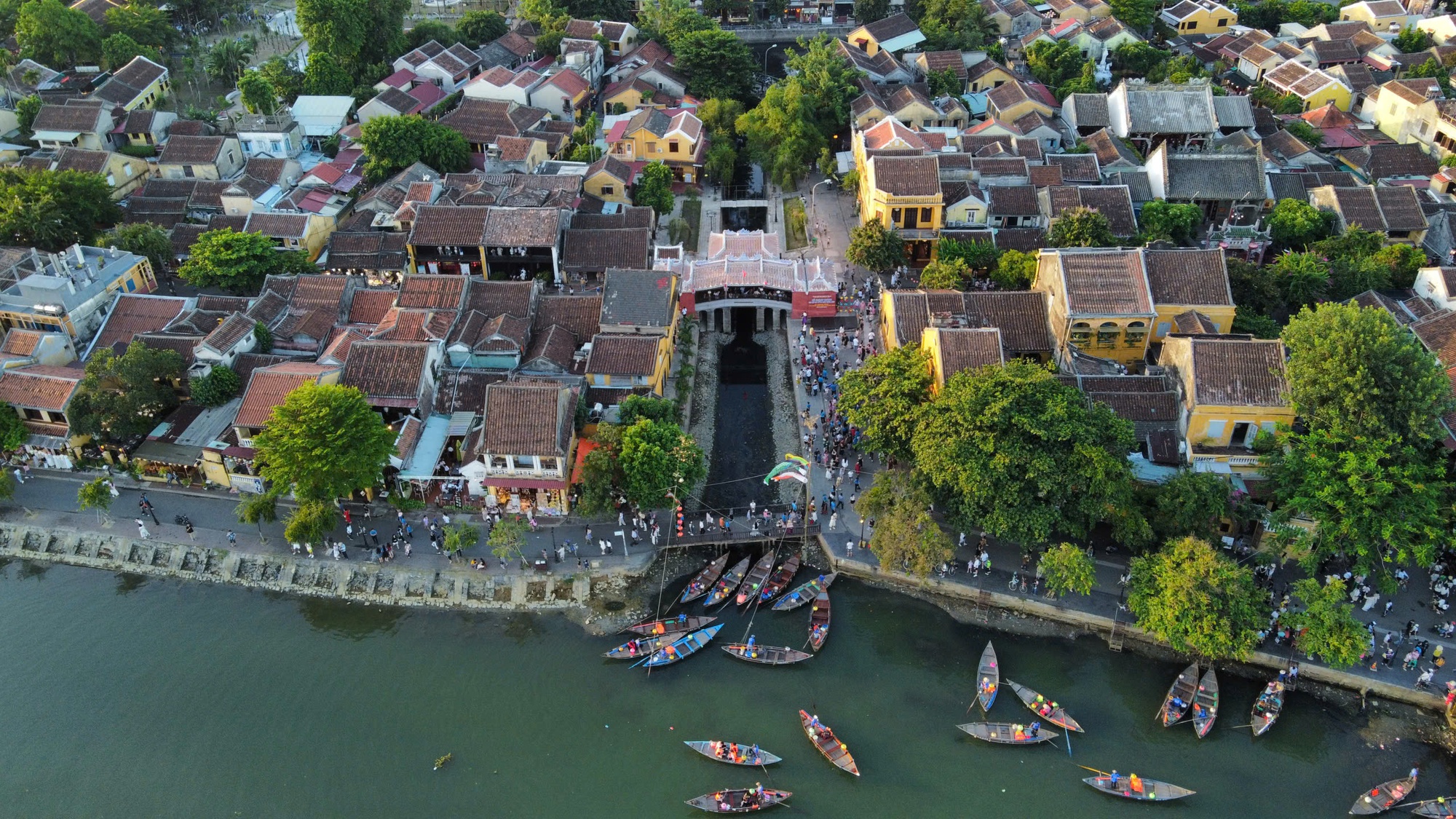
Visa reforms, including expanded exemptions and e-visa implementation, removed bottlenecks and enhanced Vietnam’s competitive advantage.
Alongside policy reforms, the tourism market structure underwent positive shifts. Traditional Northeast Asian markets rebounded strongly, while new markets like India and the Middle East saw exponential growth. High-spending markets in Europe, North America, and Australia also gradually returned. This diversification reduced dependency, enhanced resilience to external shocks, and laid the foundation for long-term, sustainable growth.
Notably, 2025 marked a period of innovation in Vietnam’s tourism product ecosystem. Beyond core offerings like beach, cultural, eco, and urban tourism, new segments such as night tourism, wellness tourism, MICE, golf, rail tourism, cruise tourism, and community-based cultural preservation tourism flourished. The focus was on expanding product diversity and designing experiences to extend stays and increase spending—key factors for quality growth.

2025 marked a period of innovation in Vietnam’s tourism product ecosystem.
In 2025, Vietnam was once again honored by the World Travel Awards as the “World’s Leading Heritage Destination” and “Asia’s Leading Destination,” alongside numerous accolades for localities and tourism businesses. These titles not only celebrate Vietnam’s achievements but also signal its evolution from a “potential destination” to a top choice on the global tourism map.
Addressing Challenges to Elevate the Nation
However, behind the impressive growth lie challenges that must be candidly addressed. The remarkable results of 2025 highlight a clear imperative: without robust restructuring, growth will soon plateau. This issue has been repeatedly emphasized by Mr. Nguyen Trung Khanh, Director of the Vietnam National Administration of Tourism, who asserts that the 2026-2030 period must shift from breadth-based to depth-based development, prioritizing quality, efficiency, and competitiveness.
A key focus of restructuring is rebalancing the tourism market for greater sustainability. Instead of pursuing volume, the industry must target high-spending, long-stay, and repeat visitors, while expanding into new and potential markets to mitigate risks and reduce reliance on traditional sources. This is not only an economic imperative but also a requirement for long-term stability and security.

Expanding into new and potential markets to mitigate risks and reduce reliance on traditional sources.
Additionally, restructuring tourism products and destinations is essential. Many offerings across localities remain redundant, lacking cultural depth and unique identity. Moving forward, each destination must clearly define its distinct value within the national context, developing high-value products like night tourism, wellness tourism, MICE, golf, rail tourism, cruise tourism, and community-based heritage preservation. This restructuring aims to diversify experiences, extend stays, increase spending, and enhance growth quality.
Another critical pillar is digital and green transformation. Vietnam’s tourism sector must build a unified digital ecosystem, from national tourism data and smart destination management to modern promotion strategies, while integrating green development, circular economy, and emission reduction across the tourism value chain. This is essential for deeper global integration and meeting the evolving preferences of international travelers.
Workforce restructuring is also pivotal. Post-pandemic, the tourism labor force has rebounded in numbers but lags in quality, specialized skills, and adaptability to new tourism models. Investment in training and skill standardization to regional and international benchmarks is not just a short-term solution but a long-term foundation for competitiveness.
Finally, successful restructuring requires strengthened regional and sectoral linkages, as well as public-private partnerships. Tourism cannot develop in isolation along administrative boundaries but must be organized around visitor experiences, value chains, and journeys. The government’s facilitative role, combined with business proactiveness and community engagement, will determine the effectiveness of this process.
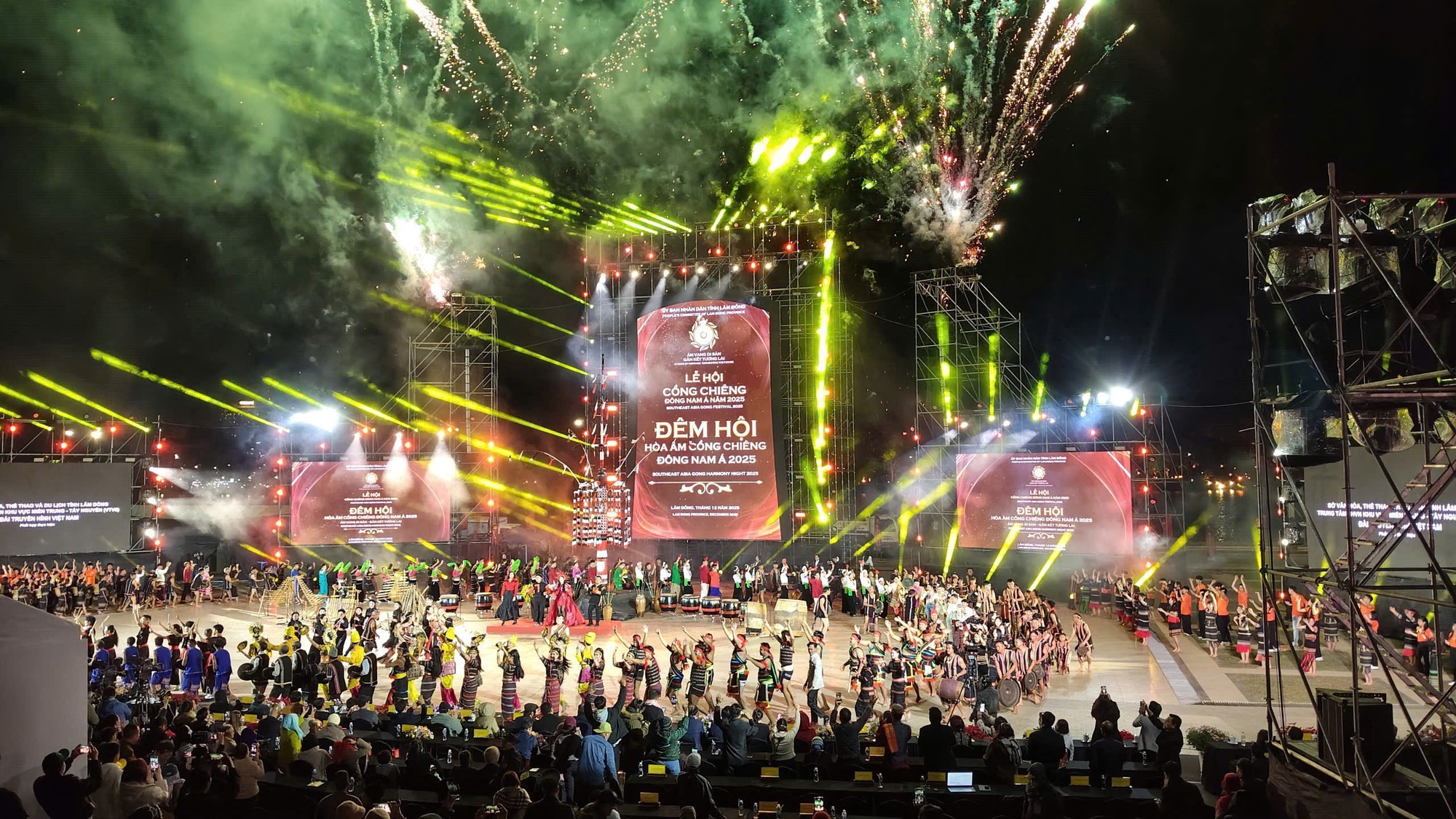
Organizing tourism around visitor experiences, value chains, and journeys.
As Vietnam enters 2026 and the 2026-2030 development phase, the tourism sector faces a significant opportunity to elevate the nation’s standing. The focus is no longer on “how many visitors” but on attracting the right segments and developing distinctive, high-value products. The 20 millionth visitor milestone is thus not an endpoint but a launchpad for a new cycle of growth.
Vietnam Tourism Hits Historic Milestone: International Visitor Numbers Surpass 21 Million for the First Time

In 2025, Vietnam achieved a historic milestone by welcoming over 21 million international visitors for the first time, marking a 20.4% increase from the previous year, according to the General Statistics Office. Although falling short of the initial target of 23-25 million tourists, this remarkable accomplishment underscores Vietnam’s growing appeal as a premier global travel destination.
Exciting News for Millions: Da Nang Welcomes New Era Starting January 1, 2026

Da Nang, renowned for its breathtaking landscapes, exquisite cuisine, and elevated services, is set to captivate travelers in 2026 with an irresistible offer from one of its most iconic destinations. This unparalleled deal promises to make your visit even more unforgettable.
Western Province Stuns with Tourism Revenue Surge, Surpassing Khanh Hoa and Quang Ninh in 2025

This year, a province in the Western region has surpassed last year’s top 5 provinces, including Khánh Hòa, Đà Nẵng, and Quảng Ninh, in terms of tourist arrivals and revenue.
Vlasta – Sầm Sơn by Van Phu: Honored as the “Most Livable Project 2025”

On December 25th, the Vlasta – Sam Son project, developed by Van Phu Real Estate Development JSC, was honored with the prestigious “Liveable Project 2025” award in the “Residential Area” category. This recognition celebrates the “human-centric” values that Van Phu and Vlasta – Sam Son bring to their customers.
Vietnam Concludes a Record-Breaking Tourism Year: From 20 Million Visitors to Sustaining Growth Momentum
Following Vietnam’s historic milestone of welcoming 20 million international visitors for the first time, the focus now shifts to maintaining quality, value, and sustainable growth momentum.