









Illustrative Image
Rice farmers across the Philippines are facing heightened pressure as the government resumes rice imports under a flexible tariff scheme, following a period of restrictions.
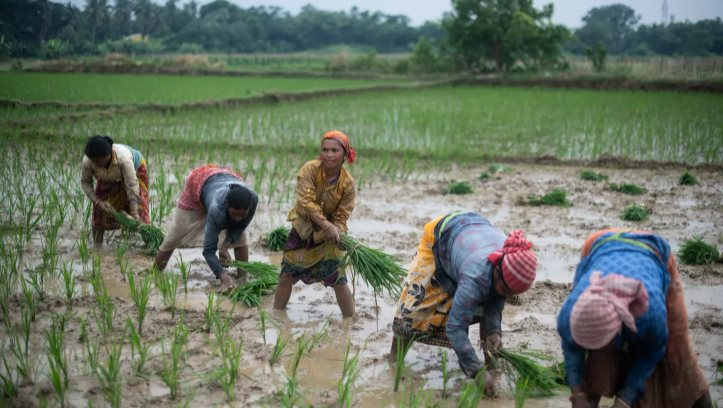
Elvira C. Fadriquelan, 60, and her son cultivate nearly one hectare of rice fields in Lubao, Pampanga, northern Philippines. They are forced to sell their unmilled rice at 13 pesos per kilogram, while production costs—including seeds, fertilizers, labor, and land preparation—range from 16 to 20 pesos per kilogram.
“At the current selling price, we’re not even breaking even,” she stated.
In some Central Luzon regions, farmgate rice prices have plummeted to just 8 pesos per kilogram, leaving farmers with insurmountable losses. Adverse weather conditions, such as floods and storms, can halve yields while costs remain unchanged.
Data from the Philippine Statistics Authority reveals that the average farmgate rice price in Central Luzon dropped by 24.4% year-on-year to 15.14 pesos per kilogram in October. Nationally, the November farmgate price stood at 16.92 pesos per kilogram, a 16.6% decline from the previous year. Farmers argue that the earlier import restrictions failed to significantly boost rice prices and fear the situation will worsen with resumed imports.
Starting this year, rice imports will follow a “flexible” tariff program under Executive Order No. 105, allowing rates to adjust between 15% and 35% based on the price of 5% broken rice from Vietnam—the primary source of Philippine rice imports. Tariffs will be reviewed quarterly, based on the previous month’s average price, to stabilize supply and manage price fluctuations. Agriculture Secretary Francisco P. Tiu Laurel, Jr. emphasized that if global rice prices drop too low, tariffs should rise to 35%, but if prices rebound, tariffs could fall to 15% to maintain market stability.
Agricultural groups oppose the flexible mechanism, arguing it offers insufficient protection for rice farmers, especially amid falling global prices. Danilo V. Fausto, President of the Philippine Chamber of Agriculture and Food, proposes starting import tariffs at a minimum of 35% to safeguard domestic production, adjusting only during harvest seasons or significant international price shifts. Raul Q. Montemayor, Director of the Federation of Free Farmers, warns that the current tariff formula will keep imported rice cheaper than local rice, disadvantaging farmers.
The flexible tariff system also impacts the Rice Competitiveness Enhancement Fund (RCEF), which supports seeds, mechanization, credit, and extension services. According to the Center for Philippine Business and Rural Development, tariff revenues are expected to decline sharply in the latter half of 2024 and early 2025, though the Department of Agriculture assures that RCEF programs will continue, with funds already allocated in the budget.
With the resumption of imports under the flexible scheme, farmers like Fadriquelan face continued uncertainty: “Our next harvest is around April. If they reopen rice imports, when will it stop? We’ll suffer even greater losses,” she lamented.
Philippines Unveils New Rice Import Policy Effective January 1, 2026: Vietnam and Thailand Take Note
The recent announcement comes as the government prepares to resume imports following a temporary suspension.
Viettel Cyber Security Expands Operations, Marks Entry into the Philippines Market

As Vietnam’s leading cybersecurity provider, Viettel Cyber Security is rapidly establishing its presence in the international market, with the Philippines marking one of its first successful ventures abroad.
What Did the VFA Chairman Say About the Philippines’ Rice Import Halt Until 2025?
Philippines, the world’s largest rice importer and Vietnam’s top rice export market, has officially extended its rice import suspension until the end of 2025.
VinFast Aims to Dominate the Philippine Electric Vehicle Market by 2026

As reported by The Philippine Star, Vietnamese electric vehicle manufacturer VinFast has set an ambitious goal to become the leading provider of battery electric vehicles (BEV) in the Philippine market by 2026.
Global Conglomerate Franchises 2,000 of Pham Nhat Vuong’s Green SM Taxis
The franchising unit is set to deploy 2,000 electric vehicles, with plans for further expansion in this market.