














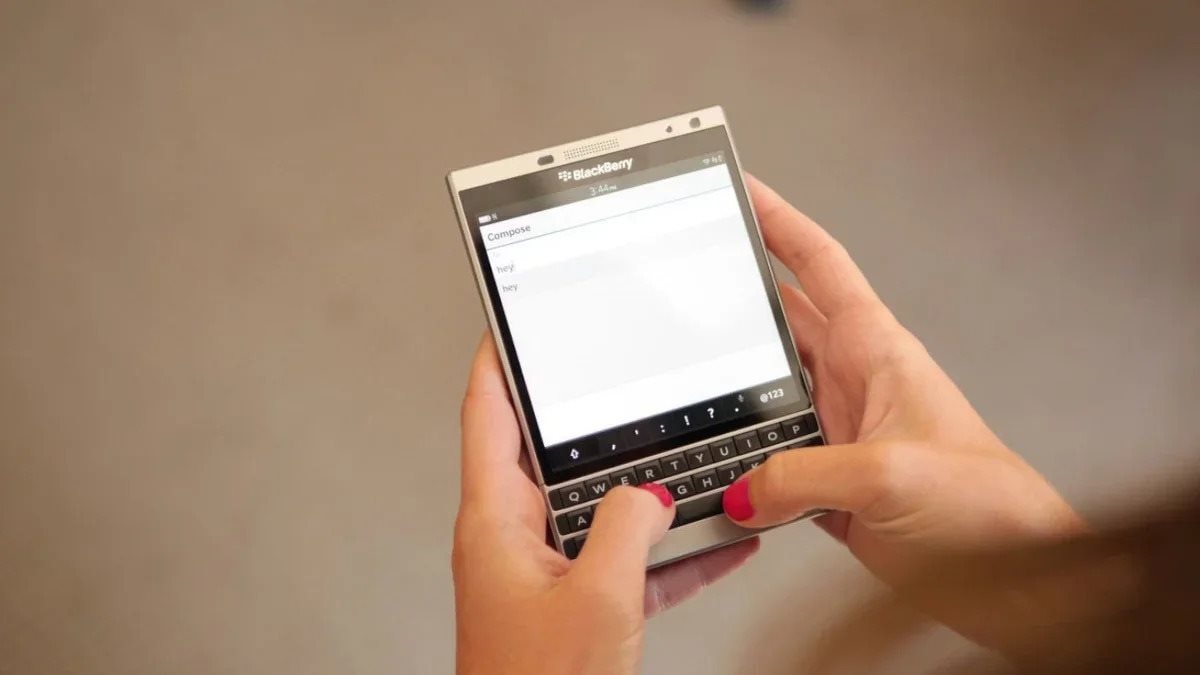
What made BlackBerry phones so special? Was it their unique design, the iconic physical keyboard, or perhaps their software? BlackBerry was an iconic smartphone brand that dominated the business world before the iPhone era. Even in 2026, years after the company’s decline, many still yearn for a BlackBerry device.
The last official BlackBerry model, the Key2, was released in 2018 under TCL. Nearly eight years later, the brand’s allure remains strong. One of PhoneArena’s most popular articles, “The Best BlackBerry Phones,” continues to attract daily readers.
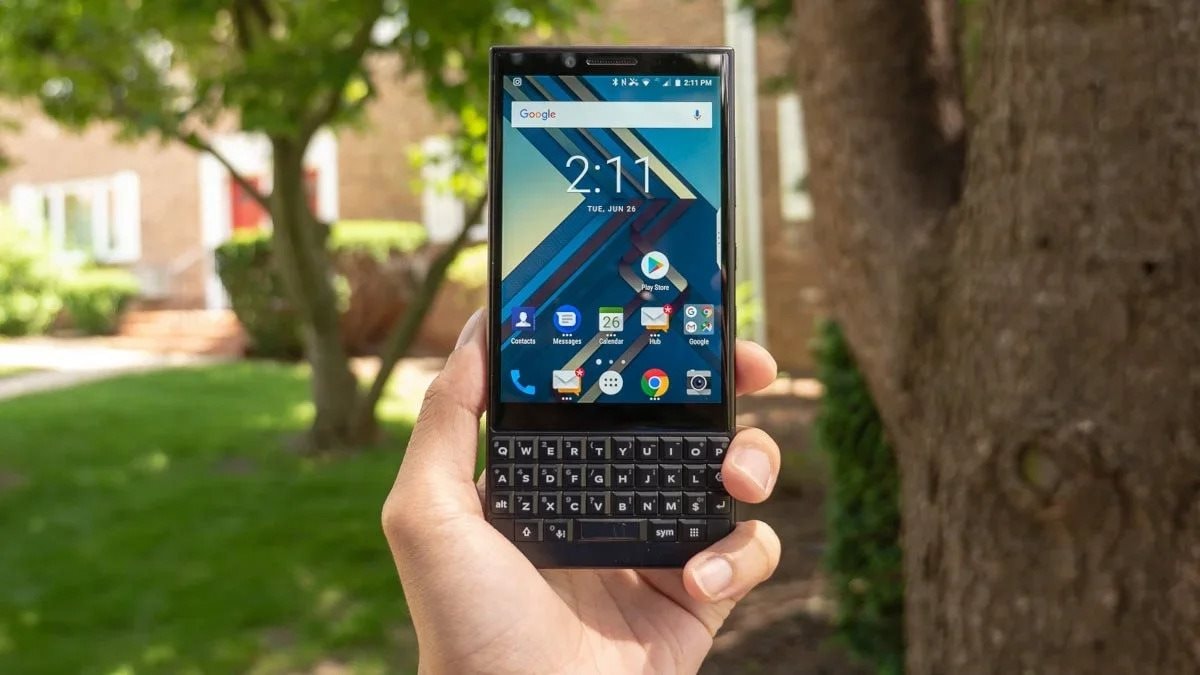
Despite fading into history, many companies still attempt to replicate BlackBerry’s iconic design. This raises the question: Why do users still crave a BlackBerry in an era dominated by foldable screens, AI, and virtual reality?
What Made BlackBerry Special?
According to PhoneArena, the answer is complex. BlackBerry was among the first brands to focus on true mobile productivity. They refined the best ideas from Palm PCs and integrated them into a modern device. Before iPhones and modern Androids, BlackBerry phones offered instant email access—a game-changer for business.
Combined with a fast, comfortable physical keyboard, BlackBerry created a winning formula. Features like read receipts, private chats, and delivery confirmations further enhanced its appeal. End-to-end encryption added essential security, making BlackBerry the ultimate work device: powerful, secure, and well-built.
BlackBerry symbolized serious work. People bought BlackBerrys for productivity, not entertainment. In today’s leisure-focused culture, smartphones are marketed as “fun devices.”

While productivity features exist, they often feel like afterthoughts in product launches. Companies now sell smartphones as lifestyle entertainment devices.
What Happened to BlackBerry?
After the Key2’s release and TCL’s licensing agreement ended, BlackBerry partnered with OnwardMobility and FIH Mobile (Foxconn). In 2020, OnwardMobility announced a new 5G BlackBerry, the Key3. Sadly, in 2022, Research in Motion (RIM) revoked OnwardMobility’s license, ending the project.
BlackBerry later sold its remaining mobile patents for $600 million, signaling its exit from licensing. The BlackBerry phone was officially declared dead.
The Rise of Clones

In 2019, Unihertz launched the Titan, a BlackBerry Passport clone. Starting as a Kickstarter project, it raised over $700,000, showcasing demand for physical keyboard phones. The Titan 2 followed in 2023, repeating its success.
Zinwa Technologies announced plans in 2025 to revive classic BlackBerry models like the Passport, updating their internals. Their first release, the BlackBerry Q20 (Classic), will retail for $400, with upgrade kits available for $300.
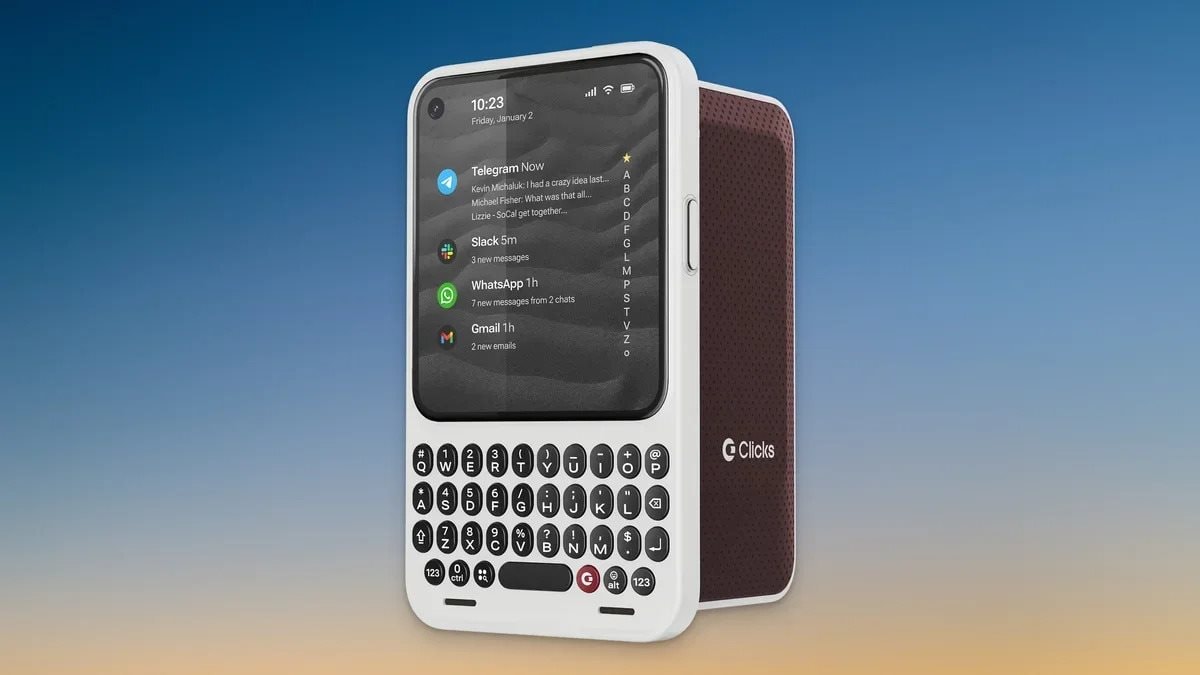
Clicks Communicator, from Michael Fisher’s accessory brand, offers a modern take on BlackBerry. Featuring a 4-inch AMOLED screen, Android 16, and a 50MP camera, it’s set to launch later this year for $499.
The Future of BlackBerry
While these clones are intriguing, a full-scale BlackBerry revival seems unlikely. However, they highlight a crucial lesson for modern smartphone makers: Users crave secure, productivity-focused devices. Android clones and iPhone keyboard cases aren’t enough. We need a new approach—a flagship device prioritizing security and work efficiency, not just entertainment.