














Illustrative Image
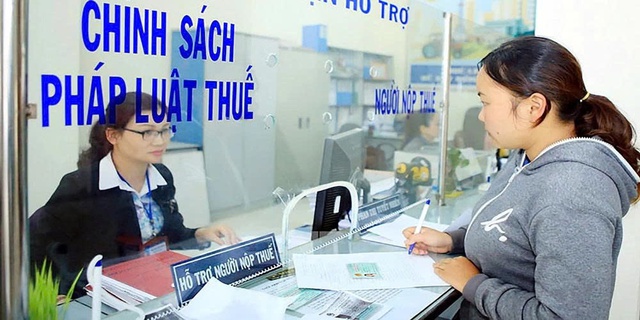
According to the Can Tho City Tax Department, during the 60-day intensive campaign to transition from lump-sum tax to self-assessment, modern management practices are being implemented to ensure tax compliance fairness. These practices aim to verify declared revenues without burdening honest businesses, while detecting fraud and enhancing transparency in business operations.
Key practices include:
First, cross-referencing bank transaction data when discrepancies are suspected. Tax authorities may request financial institutions to provide account transaction details to compare actual revenues with declared amounts. This process focuses on business revenue, not personal account balances, and serves solely to identify tax evasion risks.
Second, collecting transaction data from e-commerce platforms. Platforms like Shopee, Lazada, and TikTok Shop are required to share seller transaction details, including revenue per order, fees, discounts, and payment methods. This data allows tax authorities to compare actual platform revenues with declared business revenues, flagging significant discrepancies for further scrutiny.
Third, cross-checking electronic invoices. All electronic invoices are stored in the tax department’s system, enabling authorities to track purchased goods and services and compare them with declared sales revenues. Disproportionate purchasing volumes relative to declared revenues are red flags that may trigger audits.
Fourth, analyzing integrated tax management system data. The system aggregates data from banks, e-commerce platforms, customs, law enforcement, business registries, market regulators, and utility providers. Automated analysis identifies potential revenue concealment or misdeclaration.
Fifth, conducting on-site business surveys. Tax authorities assess business scale, location, foot traffic, pricing, staffing, utility costs, and inventory turnover to estimate realistic revenues for comparison with declared amounts.
As tax administration modernizes, leveraging diverse data sources ensures accurate, fair, and equitable tax collection. Taxpayers are encouraged to file honestly, meet deadlines, take responsibility for their declarations, and cooperate with authorities when requested. Honest filing not only fulfills legal obligations but also minimizes risks of penalties, back taxes, and unnecessary audits.
Hưng Yên Farmers Reap Big Profits as Traders Flock to Buy Crisp, Sweet Specialty Fruits

This is the primary crop cultivated in numerous regions across Hưng Yên.
What Does the Ministry of Finance Say About ‘Unjust Tax Debt’?

The Ministry of Finance has acknowledged instances of “unjust tax debt” arising from errors, data synchronization issues, or malicious exploitation of personal information for business registration purposes.
Exposing the Dark Side: Shark Tank Vietnam’s ‘Sharks’ Accused of Fraud and Tax Evasion

Over the past decade of broadcasting, approximately 20 “sharks” have graced the hot seat on Shark Tank Vietnam. Shockingly, several of these high-profile investors, including Shark Thủy, Shark Tam, and Shark Bình, have faced legal repercussions, including prosecution and imprisonment, for fraud and tax evasion.
Tax Alert: 5 Personal Account Transfers Subject to Taxation Starting 2026 – Essential Changes You Need to Know

Not all funds deposited into your account are subject to taxation, but it’s crucial to be aware of specific scenarios to avoid legal complications and unexpected tax liabilities.
Consequences for Buyers and Sellers Involved in Underreporting Invoices to Evade Taxes

What does the tax authority say about sellers issuing invoices lower than the actual value to evade taxes?