Labor Shortage Crisis
According to Mr. Nguyen Quoc Hiep, Chairman of the Vietnam Construction Contractors Association, the current labor shortage has become one of the most critical issues in the construction industry. From commercial housing projects and social housing to large-scale infrastructure developments, recruitment challenges are widespread.
“Recruiting construction workers is an extremely difficult task today. The industry faces shortages not only in quantity but also in quality,” Mr. Hiep candidly observes.
The Chairman attributes the root cause of this crisis to the significant shifts in the labor market. Unskilled workers now have more job options, while construction work remains physically demanding, hazardous, and lacks long-term stability.
Additionally, construction wages are no longer competitive compared to other industries. The rise of industrial zones offering lighter work, stable environments, and consistent incomes has led many workers to leave construction sites for factory jobs.
More alarmingly, Mr. Hiep notes that the construction labor market is being distorted by unfair competition. Some large corporations establish their own construction companies, offering wages twice the industry average, which drains talent and disrupts market balance.
“One major company is hiring bricklayers at 800,000 VND per day, double the average rate, causing difficulties for other projects. They even offer 200,000 VND per day to anyone who refers a worker,” Mr. Hiep reveals.
The labor shortage impacts not only businesses but also citizens and social welfare goals. Even social housing projects, which receive policy support, are struggling to find workers.
“Without workers, projects risk delays, directly affecting low-income individuals in urgent need of housing,” Mr. Hiep explains.
As public investment accelerates and multiple infrastructure, urban, and industrial projects launch simultaneously, the demand for construction workers soars. However, supply lags, increasing pressure on timelines and costs.
Technology Steps In to Offset Labor Gaps
The Association Chairman believes many construction firms must fundamentally change their methods. Instead of relying heavily on manual labor, the trend is toward technology adoption, mechanization, and industrialization. Prefabricated concrete components, panel systems, and modular construction are replacing traditional on-site bricklaying and concrete pouring.
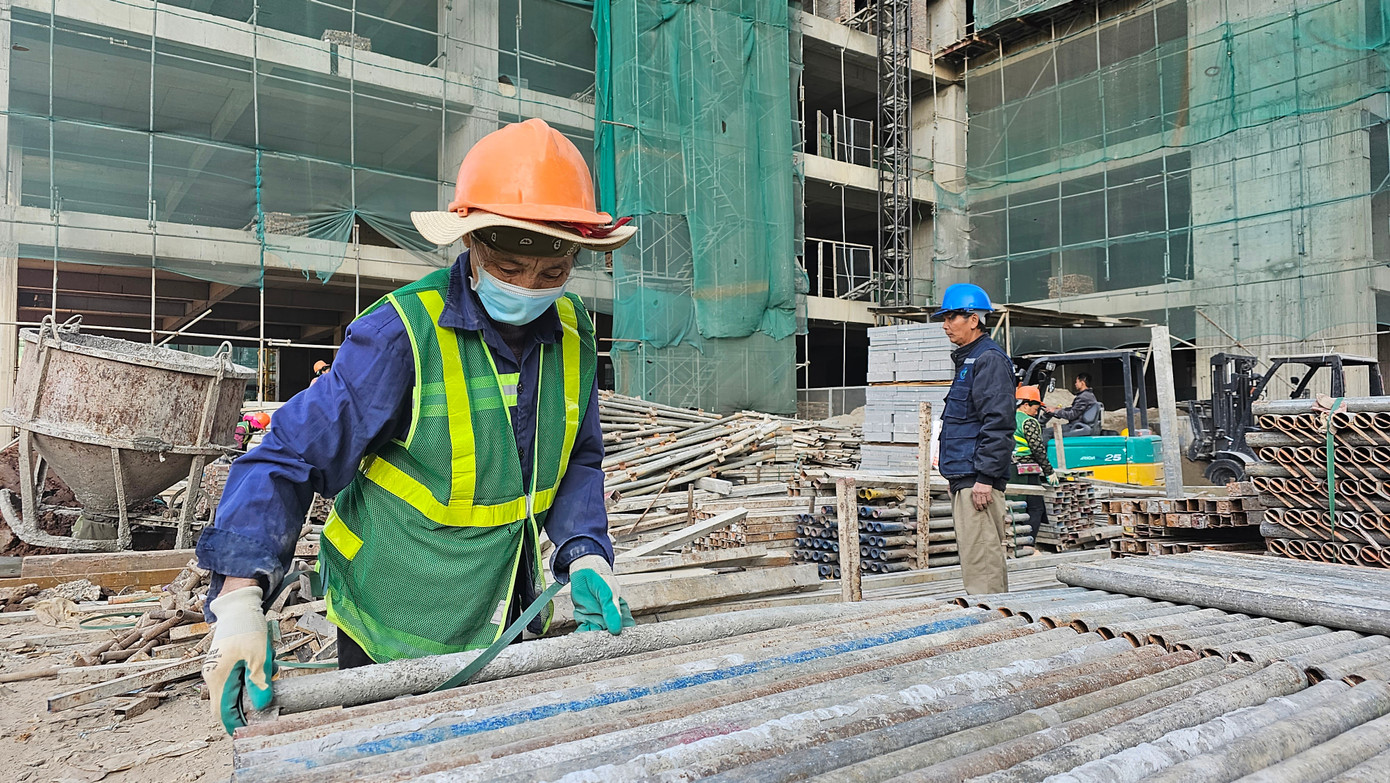
Many companies are considering importing labor. Photo: Phan Thien
Mr. Hiep cites the example of precast concrete technology used by domestic firms like Xuan Mai. “Today’s modular technology is vastly different from Soviet-era methods. Factory-produced components are assembled on-site, reducing labor needs, shortening construction times, and improving quality,” he explains.
While technology has significantly reduced worker numbers on many sites, Mr. Hiep emphasizes it’s only a partial solution to the labor challenge.
Importing Labor: A Growing Consideration
Notably, many construction companies are now contemplating importing labor from lower-income countries. Though seemingly counterintuitive, this reflects the current realities of Vietnam’s construction labor market.
“Just as Vietnam once sent workers to South Korea and Japan, we must now consider importing labor from countries like Nepal and Afghanistan for unskilled roles,” Mr. Hiep states.
The need to import labor highlights severe domestic market imbalances. Without fundamental solutions, shortages will persist, increasing investment costs amid high material and financial expenses.
“The construction labor shortage has become a critical issue, yet it’s not recognized as a national priority. Only when public projects stall due to labor shortages will society truly address this bottleneck,” Mr. Nguyen Quoc Hiep.
Beyond quantity, Mr. Hiep stresses that quality is the core issue. The industry needs not just unskilled workers but also skilled technicians and engineers capable of operating advanced technology. Industrialized construction requires a well-trained, disciplined workforce adaptable to modern machinery and processes, making training and retraining essential.
“Vocational schools exist, but enrollment is low. Construction work is demanding and risky, while other industries offer more appeal,” Mr. Hiep notes.
Long-term, Mr. Hiep underscores the need for macroeconomic policies. “The labor shortage is a pressing issue, yet it’s not treated as a national concern. Only when project delays become widespread will society confront this challenge,” he warns. Sustainable industry development requires synchronized efforts in technology innovation, training quality, and labor policies to meet the demands of a rapidly investing and urbanizing economy.
VPBank Solidifies Leadership with Cutting-Edge, Convenient, and Sustainable Services

VPBank solidifies its pioneering position by consistently enhancing service quality and integrating cutting-edge technology. Through a comprehensive digital transformation strategy, the bank not only streamlines operational processes but also delivers an exceptional customer experience, meeting demands with speed, convenience, and security.
No Weekend Breaks: Seafood Companies Struggle to Recruit Workers

The absence of weekend breaks in the seafood processing industry stands as a significant deterrent, making the job less appealing to potential workers.
Decoding the Q3/2025 Profit Landscape of the Construction Industry

The construction industry concluded Q3/2025 with a record-breaking net profit of over 5 trillion VND, surging more than 400% year-on-year. Yet, amidst this triumph, the sector remains a tale of contrasting fortunes, with some thriving while others struggle.
What Drove Record Profits in the Construction Industry During Q3?
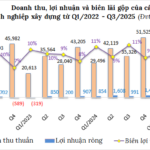
The construction industry concluded Q3/2025 with a record-breaking net profit of over 5 trillion VND, surging more than 400% year-on-year. While dozens of companies saw profits multiply, many others remain mired in losses.
30-Year-Old Industrial Fair Transforms into International Event at VEC

Building on the resounding success of the 2025 Autumn Fair, all eyes in the industry are now turning to the highly anticipated “Vietnam Industry & Technology Week 2025,” taking place from November 12-15 at the Vietnam Exhibition Center (VEC).