











As we step into 2026–2030, the transformation of Ho Chi Minh City’s infrastructure is nothing short of revolutionary, marking an unprecedented era of public investment following the 14th National Party Congress. The activation of numerous multi-billion-dong projects has created a powerful growth momentum, propelling South Saigon and the former District 7 into the market spotlight. Property prices have surged by 25–35% in recent times, reflecting the area’s newfound prominence.
Urban Infrastructure: Seamless Connectivity
Unlike many areas still on the drawing board, South Saigon’s infrastructure has materialized in the fourth quarter of 2025 with the inauguration of Rach Dia Bridge and Phuoc Long Bridge in late 2024. These projects have decisively resolved connectivity issues between District 7 and Nha Be, while the Nguyen Van Linh – Nguyen Huu Tho underpass has eliminated the region’s most significant traffic bottleneck.
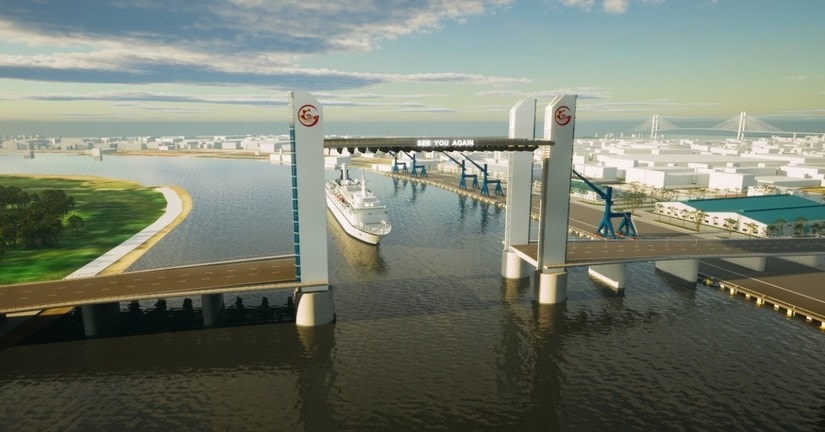
The Nguyen Khoai Bridge and Road project, with an investment of over 3.7 trillion dong, broke ground in late 2025. This development slashes travel time from District 7 to District 4 and District 1 from 30–45 minutes to just 10–15 minutes, significantly easing pressure on existing routes.
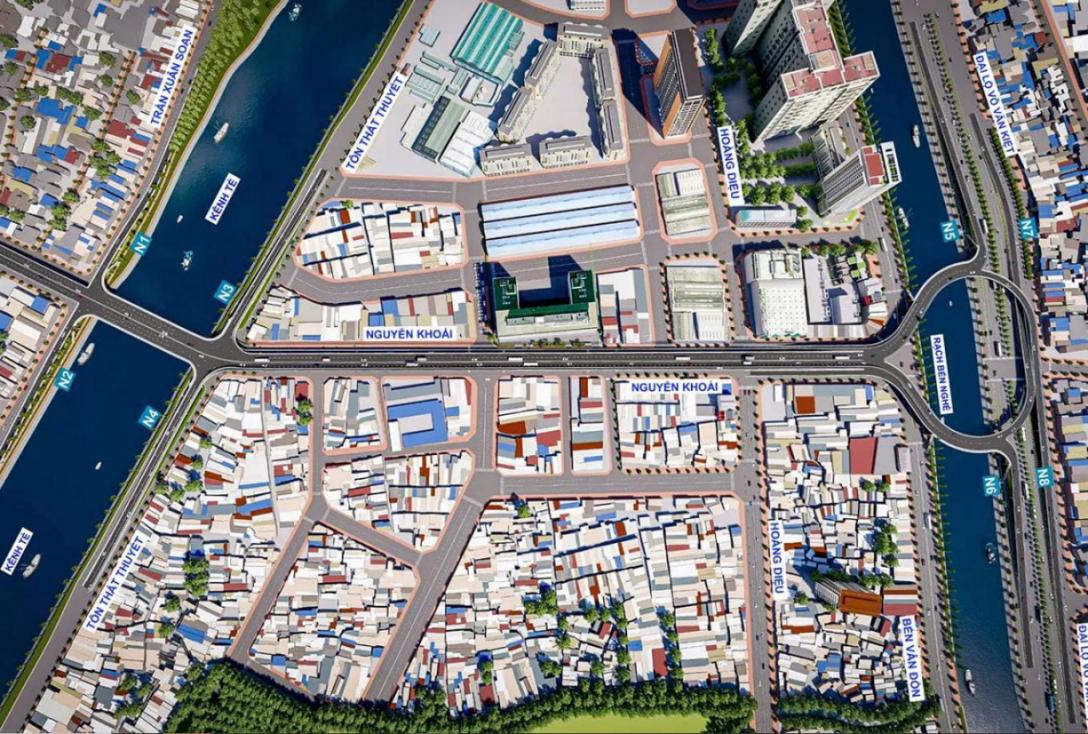
Rendering of Nguyen Khoai Bridge and Road. Image: HCMC Transport Department.
Additionally, the Thu Thiem 4 Bridge is slated to begin construction in 2026 and complete by 2028. Once finished, District 7 and the vibrant Thu Thiem urban center will be just a 5-minute drive apart.
Rendering of Thu Thiem 4 Bridge.
Further enhancements include the expansion of Nguyen Tat Thanh Road, providing direct access to District 1, and the upgrade of Nguyen Huu Tho Road with a 6.6 km elevated section from Nguyen Van Linh to the Ben Luc – Long Thanh Expressway.
Regional Infrastructure: Accelerated Development
South Saigon’s growth is further bolstered by regional infrastructure projects such as the 76 km Ring Road 3, a national priority under rapid construction. The Phu My 2 Bridge, with an investment exceeding 23 trillion dong, will directly link the area to Long Thanh International Airport, unlocking new opportunities for logistics, commerce, and premium services.
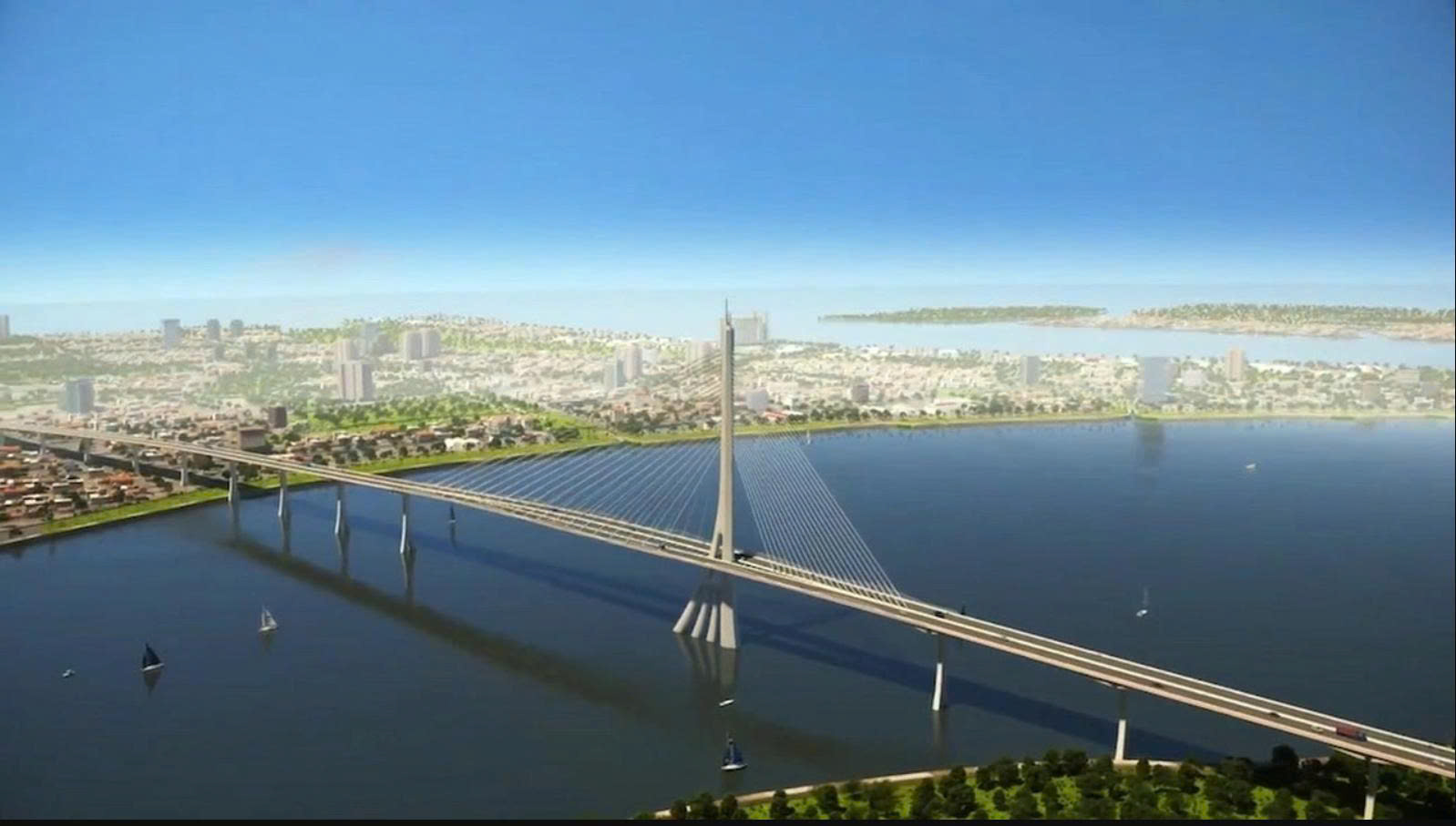
Can Gio Bridge.
The Can Gio Bridge, replacing the Binh Khanh ferry, is set to begin construction in early 2026. This strategic project will position South Saigon as a gateway connecting the urban center to coastal developments and new southern growth areas.
Public Transport: Catalyst for New Price Benchmarks
Another critical factor is the large-scale investment in public transportation. Metro Line 4, expected to start construction in 2026, will serve as HCMC’s north-south backbone with the largest scale and highest investment in the city’s metro network. The Ben Thanh – Can Gio urban railway, which began construction in late 2025, will reduce travel time from the city center to the south to approximately 20 minutes. Historically, areas benefiting from metro and urban rail projects have seen significant long-term price appreciation, making this a game-changer for real estate.
Experts note that each cycle of public investment in HCMC has led to substantial property revaluation, particularly in dynamic growth hubs like District 7, anchored by the exemplary Phu My Hung urban area. Over two decades, this area has developed a rare, comprehensive urban ecosystem, featuring synchronized planning, a high-quality resident community, and world-class education, healthcare, and commercial facilities—now further enhanced by record-breaking infrastructure.
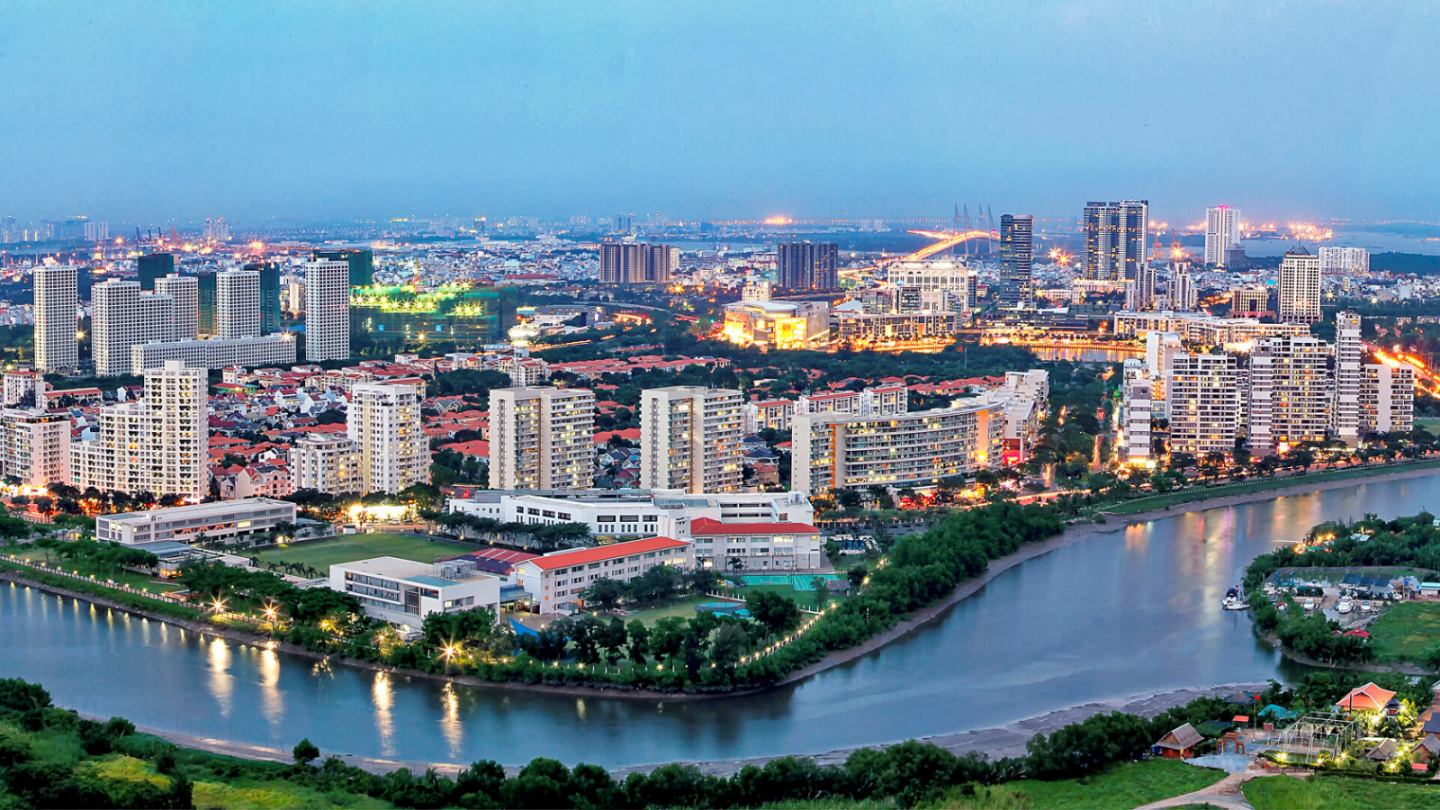
Phu My Hung Urban Area.
In the past six months, property prices in Nha Be and the former District 7 have risen by 25–35%, particularly for projects with complete legal frameworks, strategic connectivity, and robust investment in construction quality and amenities. Leading projects such as Sunshine Sky City, Noble Crystal Riverside by Sunshine Group, Celesta Heights, The Regency Phu My Hung, The New Marina Residences, and Khai Hoan Prime are at the forefront, driven by their premium quality, practical utility, and sustainable price growth potential amid accelerating infrastructure development.
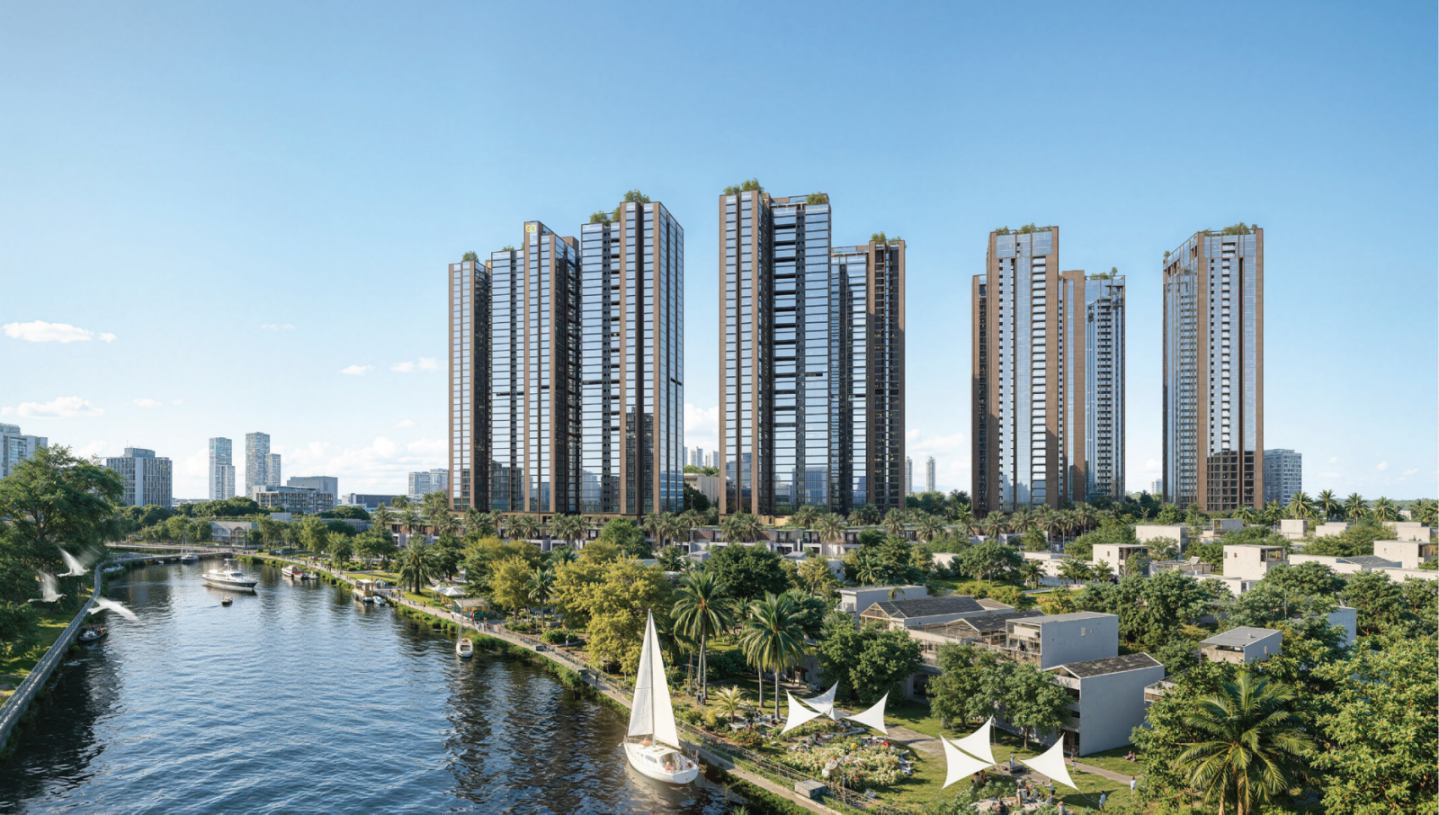
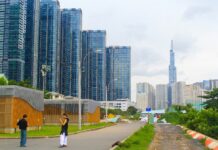
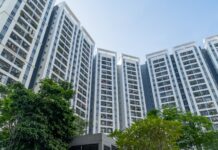
Former District 7 is witnessing strong price growth in projects with complete legal frameworks, strategic connectivity, and robust investment in construction quality and amenities (Image: Sunshine Sky City).
According to investment experts, the current price surge is just the beginning. As infrastructure enters a phase of full activation from 2026, the market is poised for even more robust value appreciation in the coming period.
Ho Chi Minh City: Maximizing 9 Prime Vacant Land Plots for the 2026 Lunar New Year Celebrations
Discover the transformation of 9 prime central locations in Ho Chi Minh City, once vacant, now set to bloom as vibrant parks and lush gardens just in time for the festive season. Experience the city’s renewed charm with these green spaces, designed to celebrate the spirit of the holidays.
Encouraging Metro and Bus Commutes to Ho Chi Minh City’s Public Administrative Center
The Ho Chi Minh City People’s Committee recognizes that this initiative will significantly alleviate traffic congestion, reduce environmental pollution, and ensure public order and traffic safety.
New Insights from the Deputy Governor of the State Bank on Ho Chi Minh City’s International Financial Center
Numerous banks have announced their readiness to engage in the activities of the International Financial Center in Ho Chi Minh City.
Beware the “Luxury” Label: High-Priced Apartments Falling Short on Living Experience
According to Mr. Pham Lam, Vice Chairman of the Vietnam Association of Realtors (VARS) and CEO of DKRA Vietnam, the ultra-luxury real estate segment in Ho Chi Minh City remains underutilized. Many projects merely boast high price tags without delivering commensurate living experiences. As Vietnam emerges as a prominent destination in Southeast Asia, the demand for ultra-luxury residences necessitates a more sophisticated approach, integrating world-class amenities and environments that redefine opulent living.
Transforming Phan Dinh Phung Sports Arena: Phat Dat’s Proactive Revitalization into a Stunning Landscape Space
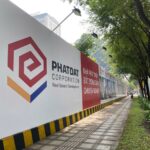
Phat Dat Real Estate Development Corporation (HOSE: PDR) has proactively chosen to transform the Phan Dinh Phung Sports Arena site (located at 08 Vo Van Tan, Xuan Hoa Ward, Ho Chi Minh City) into an open community space. The company will undertake landscape enhancement from January 8, 2026, to February 8, 2026, ensuring the area is ready to serve the public in time for the upcoming Lunar New Year celebrations.