







Eastern Hanoi and the Infrastructure-Driven Price Cycle: The 2026-2027 Peak
Observing Hanoi’s real estate development cycles, from the West to the South and now the East, a clear pattern emerges: property prices surge most significantly not when infrastructure is complete, but during its peak implementation phase.
In the Eastern sector, a series of large-scale infrastructure projects are accelerating, creating a dual boost in urban connectivity and market sentiment. Notable projects include the Tu Lien Bridge, Thuong Cat Bridge, Hong Ha Bridge, Metro Lines 2 and 5, and Ring Roads 3.5 and 4.
According to the timeline, most of these projects will be completed between 2026 and 2027, a period many investors view as the tipping point for establishing a new price benchmark in the East. By then, real estate will benefit not only from reduced travel times but also from population shifts, capital flows, and commercial activities driven by infrastructure.
Notably, current property prices in the Eastern area remain in the “pre-infrastructure completion” phase. The price levels do not yet fully reflect future connectivity factors, while the infrastructure rollout plan is clearly defined. Seasoned investors argue that this phase offers lower opportunity costs compared to waiting for infrastructure completion, yet holds greater potential for price appreciation. In essence, investors can now assess property value growth based on tangible infrastructure progress rather than mere expectations, as seen in earlier cycles.
Buying Before Infrastructure Completion: Advantage Lies with Competitive Products
However, not all Eastern projects will benefit equally from infrastructure development. Amidst the growing diversity of supply in the East, the advantage shifts to projects like The Parkland within the Imperia Ocean City complex. Here, living spaces are meticulously planned, amenities are well-integrated, and the project is positioned from the outset to meet genuine residential needs. This is the type of product that maintains value and sustains growth as the market enters a new cycle.
The Parkland’s first advantage lies in its strategic location within Eastern Hanoi’s infrastructure shift. Residents can quickly access Ocean Park 2 & 3 amenities, reach AEON Mall Long Bien in 15 minutes, and connect to universities and sports complexes within a 5-minute radius. This connectivity not only serves daily needs but also forms a critical foundation for revaluing real estate once Eastern infrastructure is complete.
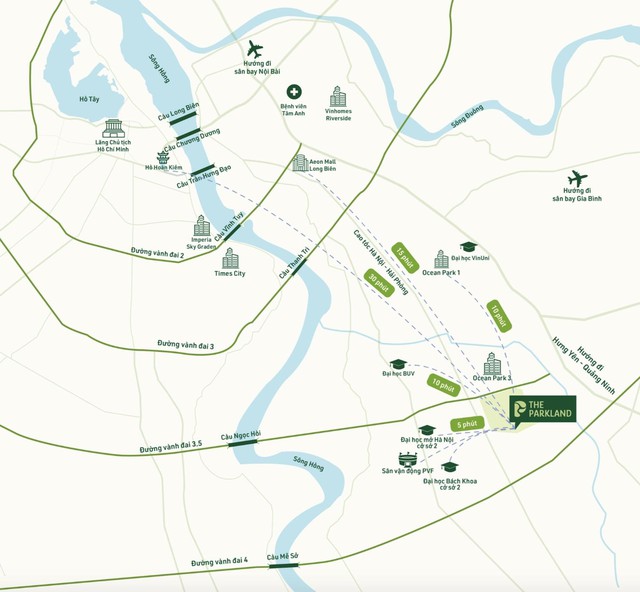
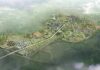
The Parkland is strategically located in Eastern Hanoi’s infrastructure development zone
The Parkland’s next differentiator is its superior master planning. Spanning 33.68 hectares, the project adopts an urban archipelago model. Instead of spreading density, buildings are clustered into distinct groups, each functioning as a “living island” with a unique spatial identity. These clusters are interconnected by a soft landscape network of greenery and water features.
At the heart of the plan is a 3.6-hectare central park, the first of its kind in Ocean City, serving as the green core that regulates the entire living space. From this green axis, satellite parks are interspersed within each cluster, creating an interconnected landscape network that ensures greenery is omnipresent rather than localized.
Additionally, the project’s amenities are designed with a modern, multi-layered approach, encompassing walking paths, water features, sports areas, relaxation zones, and community spaces. This comprehensive offering fully meets residents’ needs for living, leisure, and connection.
The Parkland involves leading international consultants in key areas. The master plan is by NBBJ, a global architectural firm behind numerous iconic urban projects. Interiors are designed by Ong&Ong (Singapore), known for their expertise in Asian markets and focus on flexibility and sustainability for diverse resident groups, from young professionals to multi-generational families. The presence of these top-tier international brands guarantees product quality.
As Eastern infrastructure accelerates toward completion in 2026-2027, projects like The Parkland combine three critical factors: prime location benefiting directly from infrastructure, pre-cycle pricing, and planning quality that meets both residential and long-term investment needs. In a market increasingly prioritizing quality over quantity, such projects provide a solid basis for early investment decisions.
Red River Avenue: The Runway for East Hanoi’s Real Estate Boom
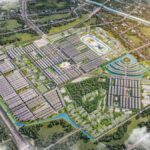
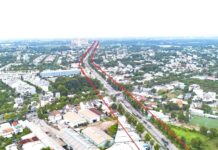
The Red River Scenic Boulevard, Hanoi’s largest infrastructure megaproject in history, has officially broken ground. This transformative initiative is poised to become the capital’s new developmental backbone for decades to come.
What’s Happening at La Pura Construction Site on National Highway 13 Now?
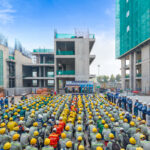
After six months of entering the Northeast market of Ho Chi Minh City, La Pura has not only captivated attention with its unique philosophy of developing a wellness city but has also solidified Phat Dat’s reputation as a developer. This is evident through its dynamic construction pace and steadfast commitment to on-schedule handover timelines for both customers and investors.
Transforming Ho Chi Minh City: Priority Metro Line Connecting Old and New Centers by 2030

The 6.2-kilometer underground metro line from Bến Thành Station to Thủ Thiêm is more than just a 6-kilometer stretch—it’s a vital link connecting Thủ Thiêm to the heart of Ho Chi Minh City. Beyond that, it serves as a crucial connector to the North-South high-speed railway and Long Thành International Airport.
Sun Group’s New Mega Parks in South Hanoi Set to Boost Real Estate Appeal

Beyond their role as mere amenities, theme parks have emerged as powerful magnets, significantly enhancing the allure of real estate projects. Park Residence, nestled within the vibrant Sun Urban City ecosystem, stands as a prime example of this transformative synergy.
Capital Flows Shift Towards Visionary Urban Centers

By late 2025 to early 2026, real estate investment will become more cautious, favoring established urban developments with existing residents and proven value. Forward-thinking projects like Centrix City Đại Phúc in Thái Nguyên are thus emerging as the preferred choice for long-term investors.