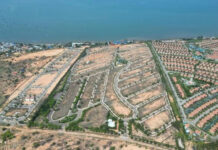





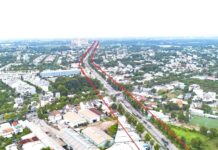

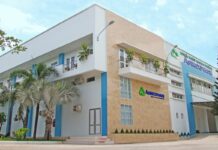







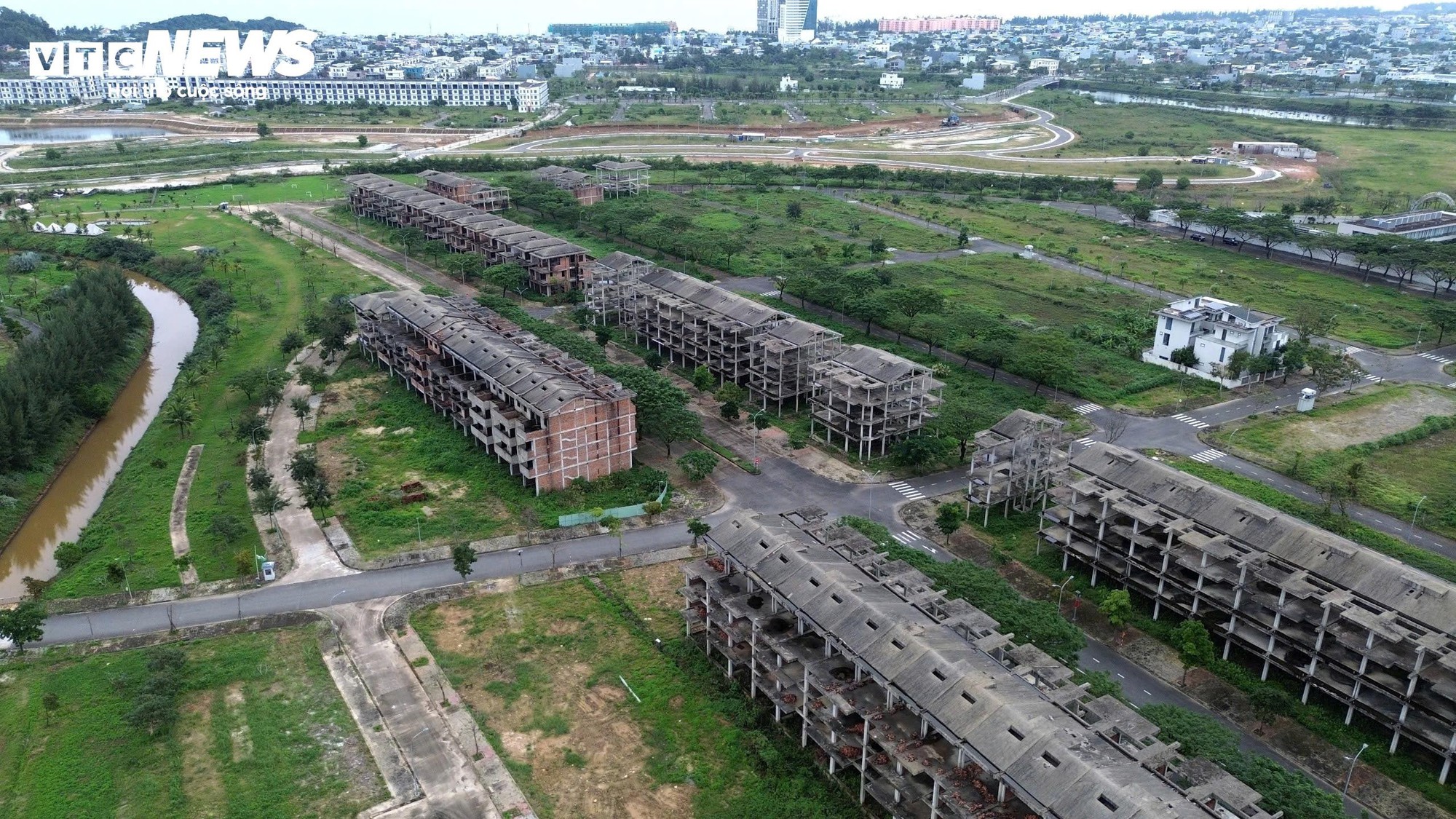
The Golden Hills City Eco-Urban Area project, initially named Quan Nam – Thuy Tu Eco-Urban Area, was approved by Da Nang City People’s Committee on November 7, 2008, spanning over 342 hectares.
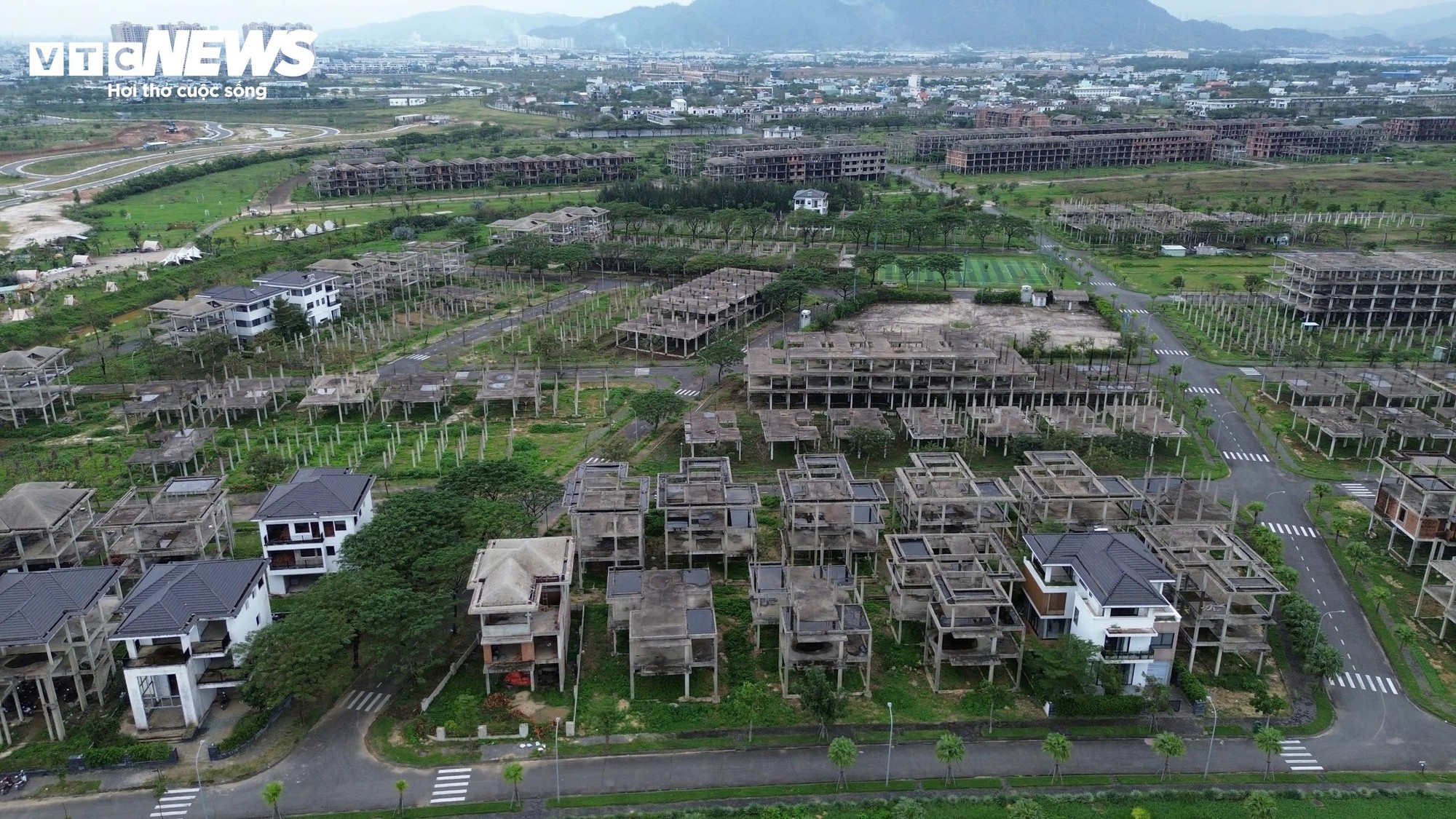
In 2010, Da Nang City allocated nearly 381.4 hectares of land to Trung Nam Construction Investment JSC (Trung Nam Company) for developing an eco-urban area, including commercial services, villas, luxury apartments, hotels, sports facilities, and entertainment areas.
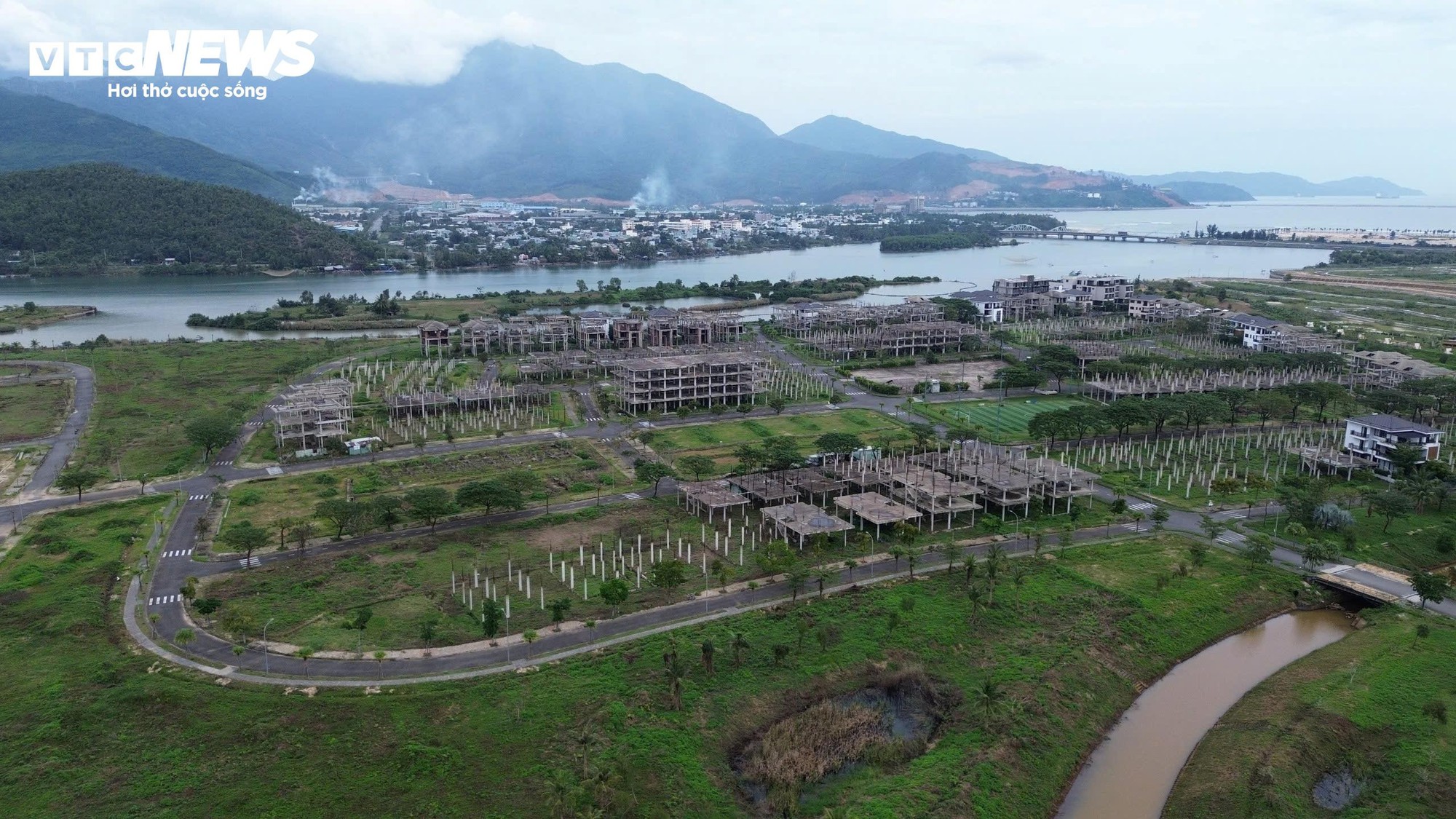
Located along the Cu De River, the project includes 485 single villas (500 – 1,000 m²) and 360 twin villas (300 – 600 m²), with a total investment of nearly VND 4.5 trillion.
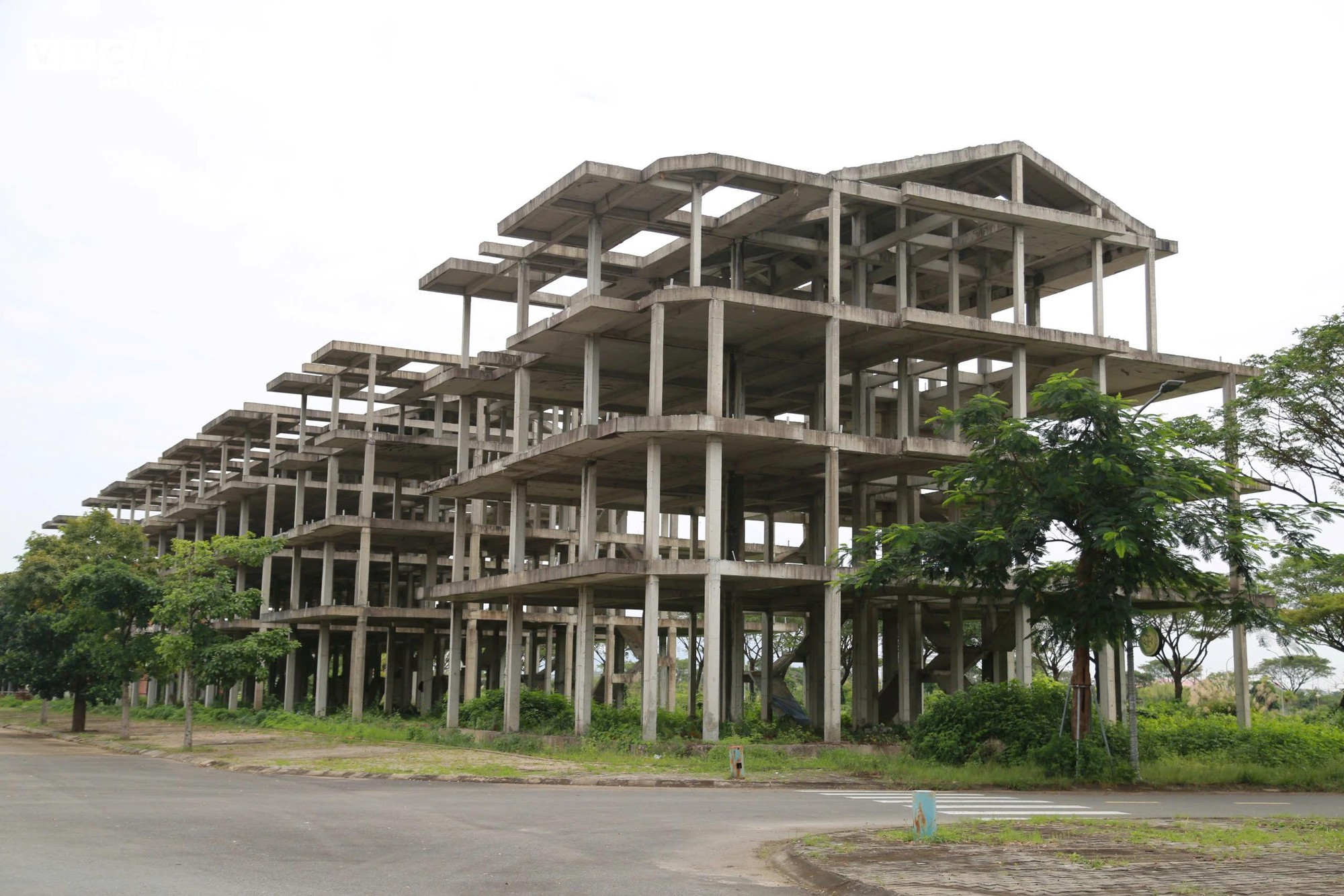
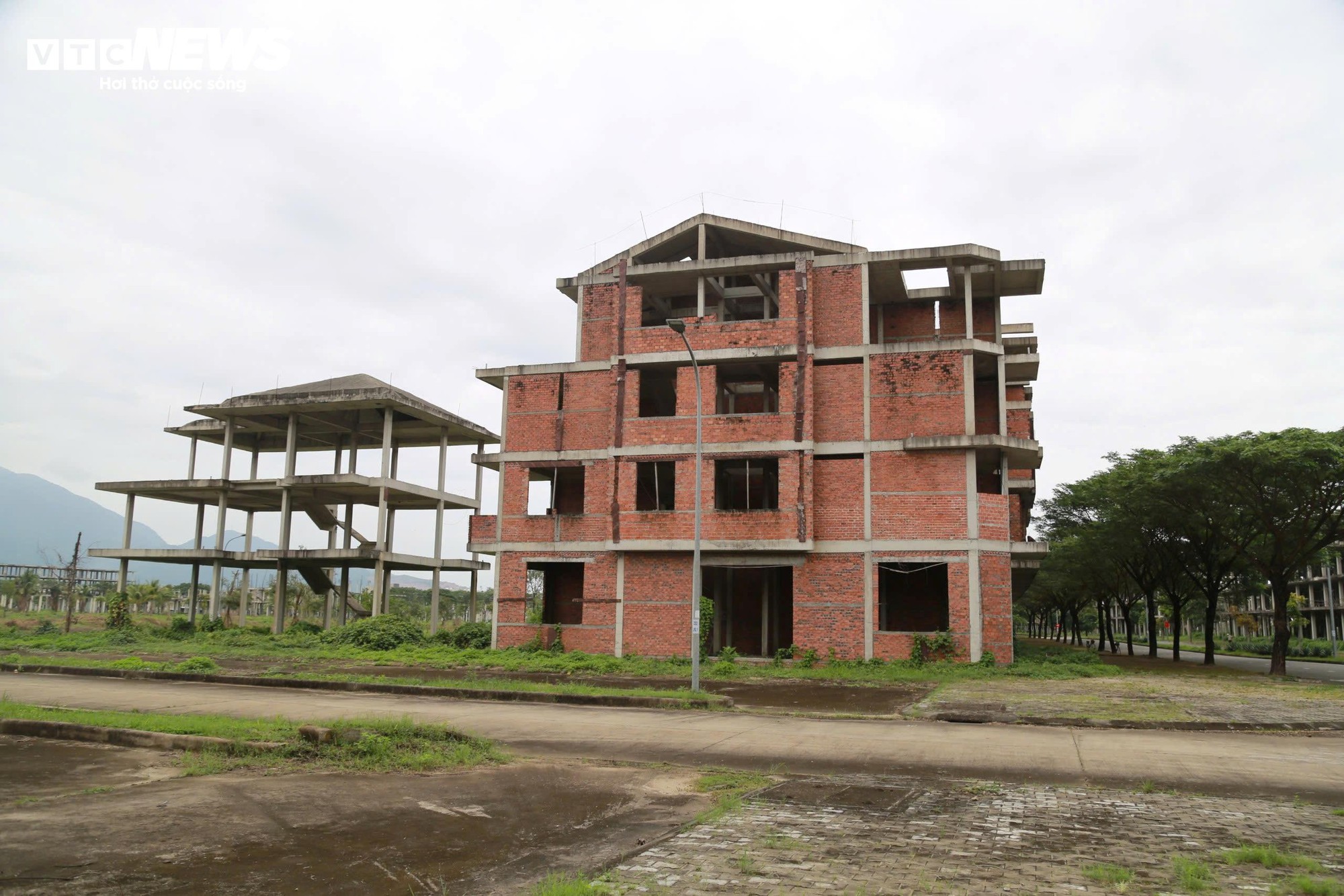
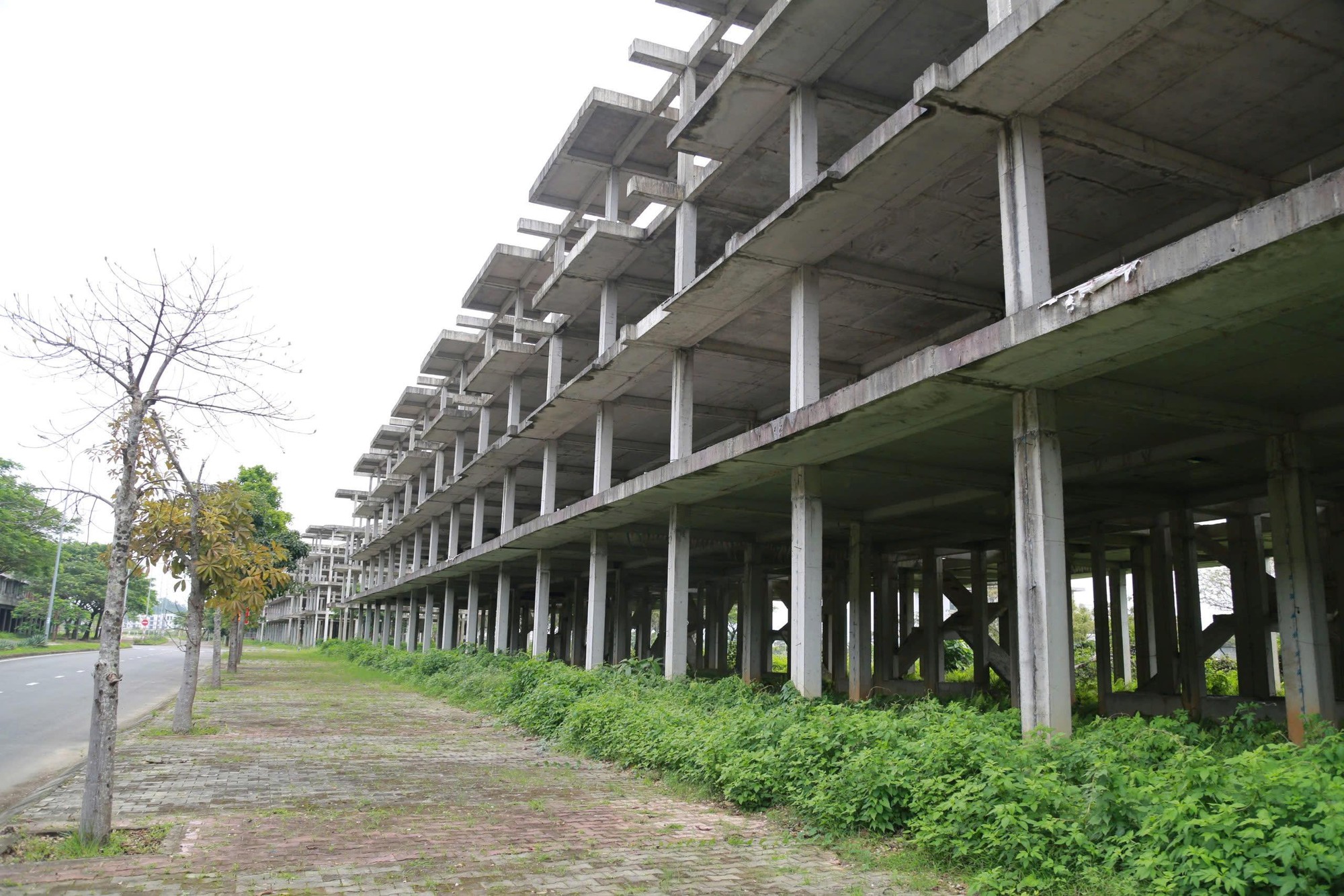
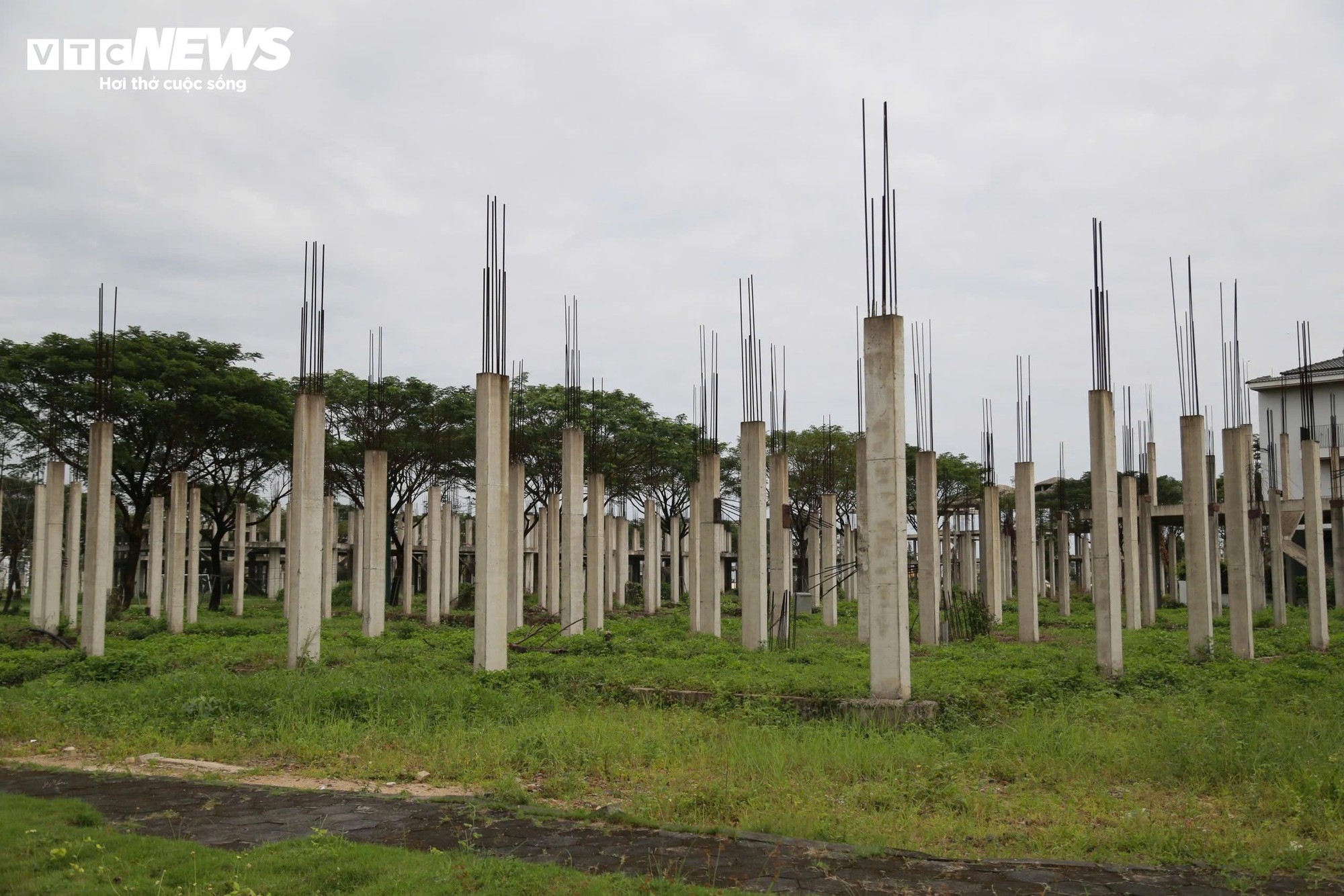
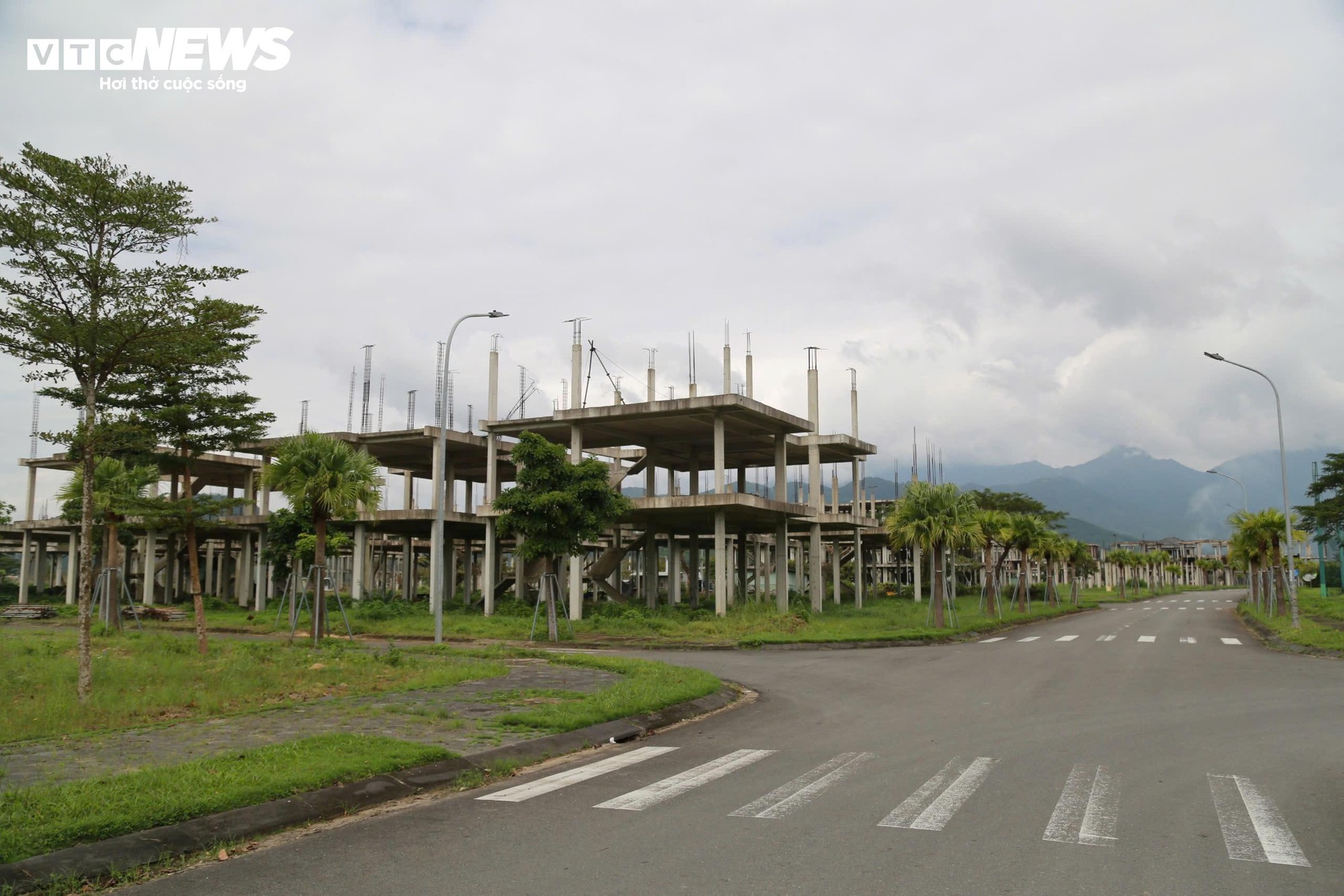
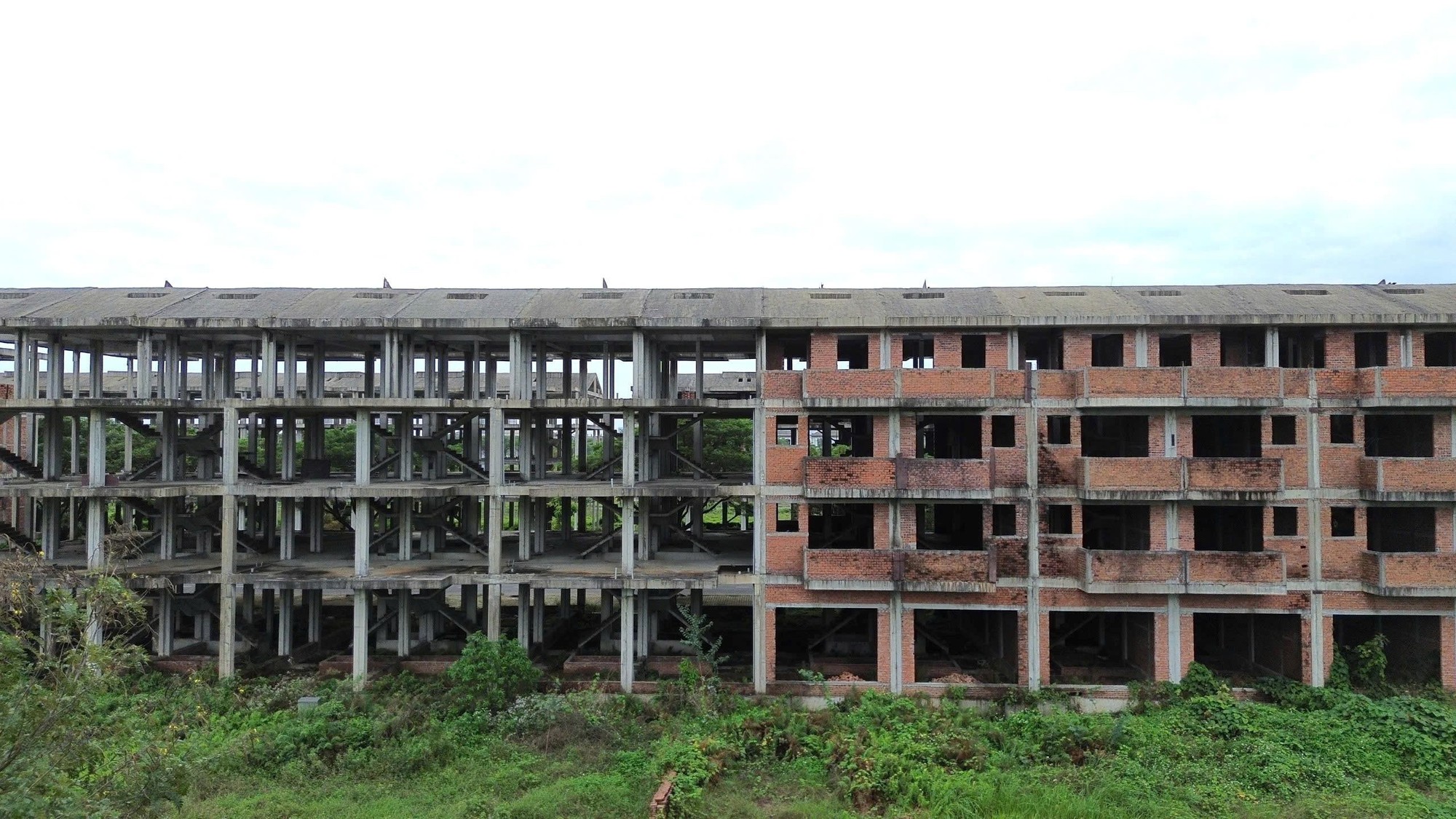
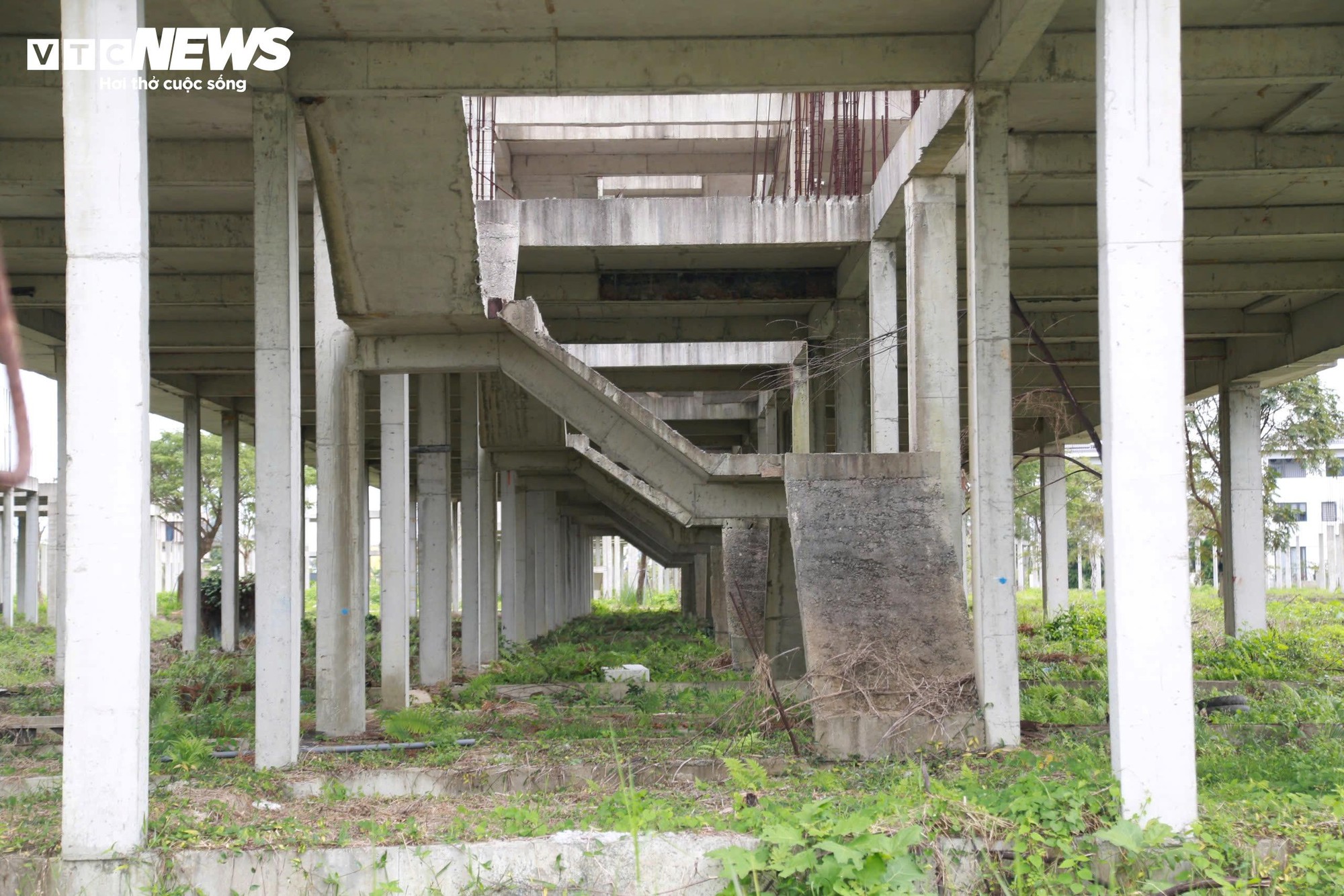
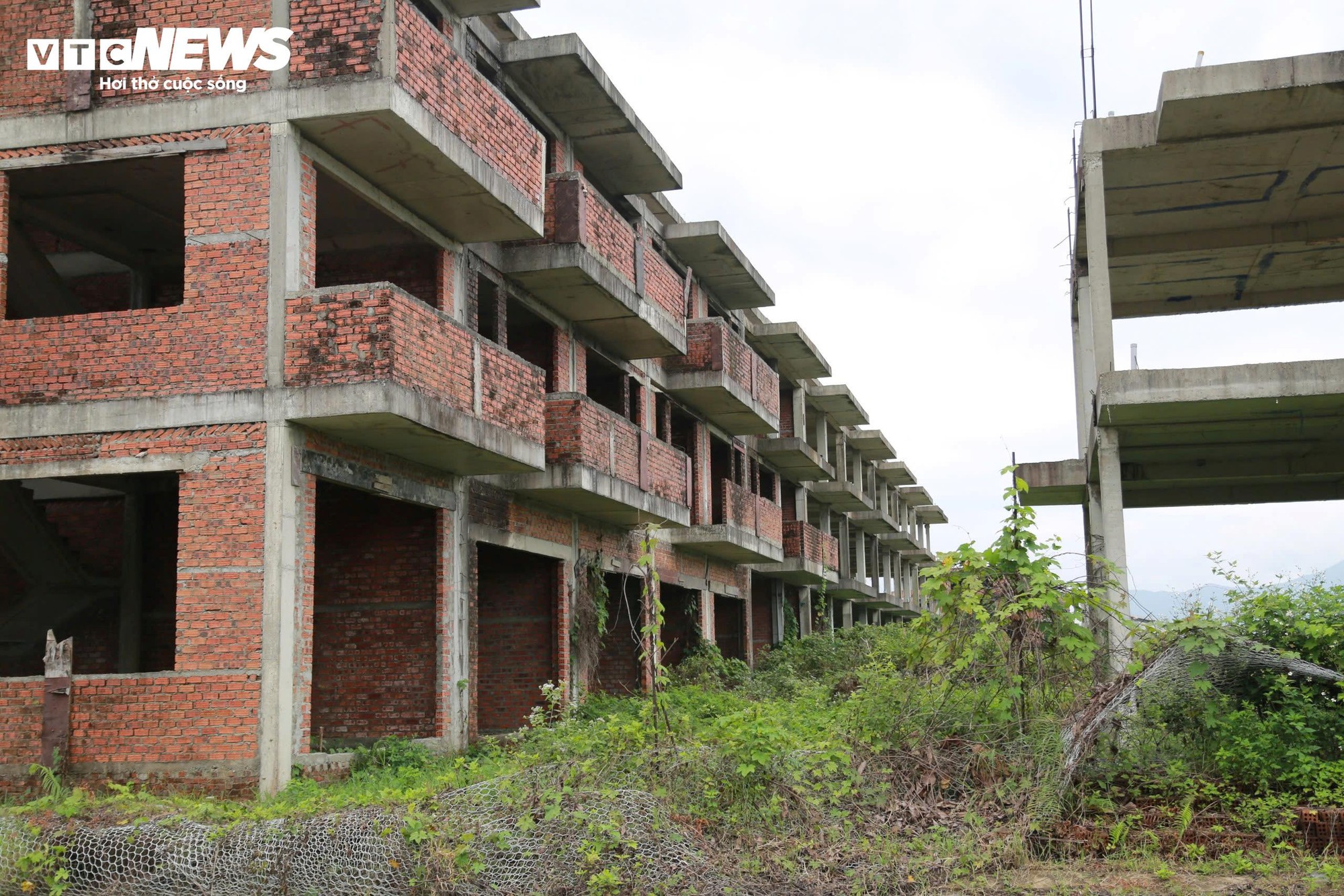
Despite decades of development, this multi-trillion-dong project remains incomplete. Many buildings are still in the unfinished rough construction phase.
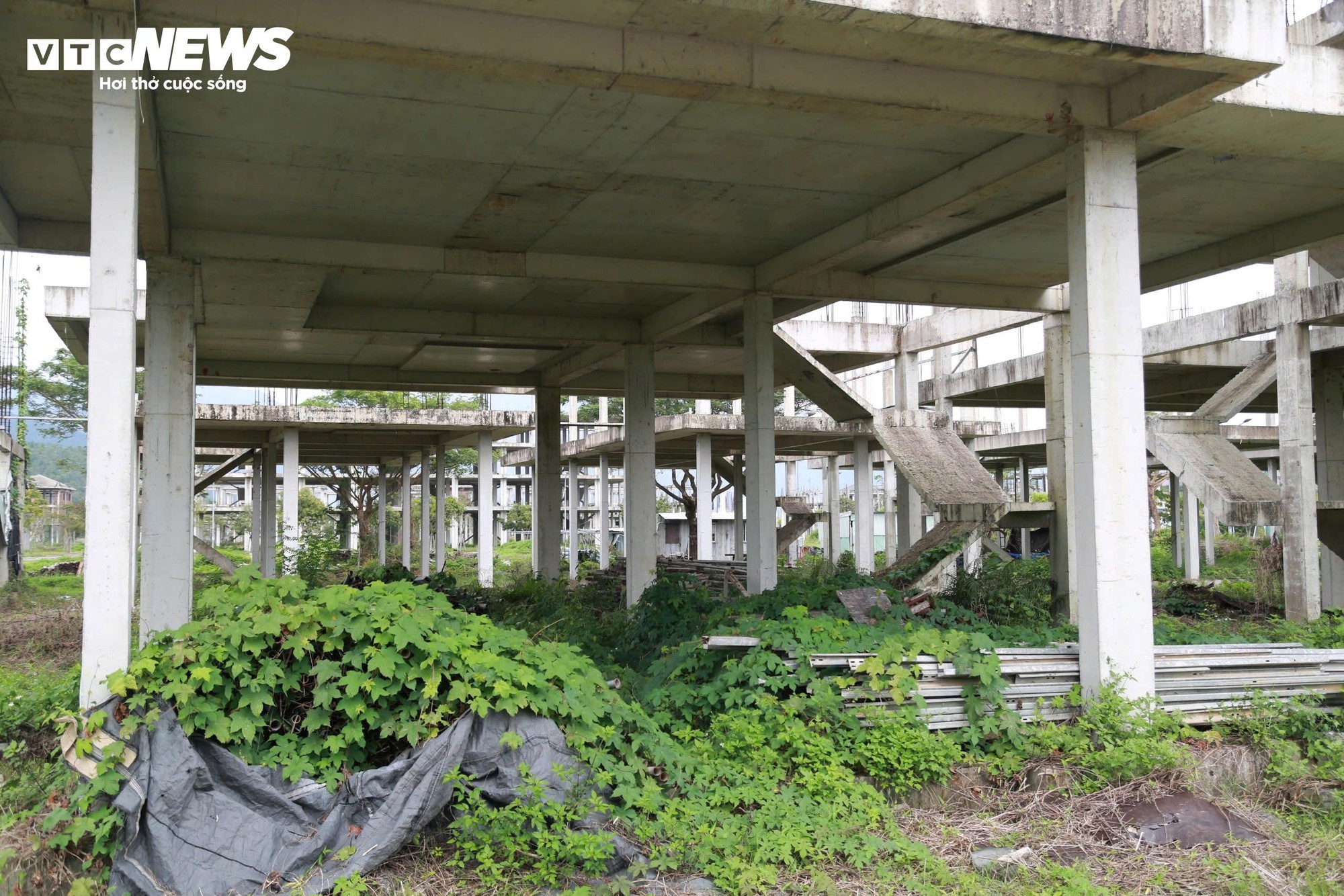
Overgrown weeds within the structures create a neglected and untidy appearance.
Recently, the Government Inspectorate identified numerous violations in the Golden Hills City Eco-Urban Area project.
Specifically, Da Nang City People’s Committee selected Trung Nam Company as the investor without evaluating or comparing its capabilities with Ham Rong JSC, violating the Ministry of Construction’s regulations.
Additionally, Da Nang City signed a land allocation agreement with land use fees but failed to provide documentation to determine land prices or land use ratios, violating land pricing principles.
The Government Inspectorate holds Da Nang City People’s Committee, Da Nang Land Management and Exploitation Company, and related individuals (2008-2010) responsible for these violations.
The Inspectorate also noted that Da Nang approved detailed construction plans without a specific master plan or zoning plan, and Trung Nam Company began construction without a building permit, violating the 2003 Construction Law.
In response to these violations, the Government Inspectorate recommends the Prime Minister direct Da Nang to clarify responsibilities, complete legal procedures, and ensure full financial obligations to prevent state budget losses.
The Inspectorate also requires Da Nang to reclaim approximately 45.9 hectares of land outside the project boundaries for proper management and use.
2026 Inspection List: C.P. Vietnam Among Businesses Under Scrutiny

The Government Inspectorate has issued Decision 1176 outlining the 2026 inspection plan, which includes C.P. Vietnam Livestock Corporation (CPV) among the entities to be inspected.
Government Inspectorate Proposes Revocation of 305 Land Titles for Mỹ Mỹ Resort Project

The Government Inspectorate has recommended that the People’s Committee of Khanh Hoa Province revoke 305 land use right certificates previously issued to the investor of the My My Resort project, located in Cam Lam Commune, Khanh Hoa Province.
Inspector Proposes Reclaiming VND 72 Billion from Scenia Bay Project, Where 704 Apartments Lack Land Titles
Government inspectors have recommended the recovery of 72 billion VND from the Scenia Bay project due to improper land use fee deductions. They have also urged the Khanh Hoa Provincial People’s Committee to review the land allocation and pricing procedures. Despite having delivered 704 apartments, the project has yet to issue pink books to residents.
Deputy Prime Minister: Land Issues Remain a Major Challenge for Inspection Efforts
In 2026, rapid urbanization and accelerated development will demand a more robust inspection sector to prevent violations and resolve project bottlenecks.
2026 Major Project Inspections: Uncovering Potential Construction Violations
In 2026, the Inspection Agency for Complaint and Denunciation Resolution in the Construction Sector (Agency VII) will conduct seven comprehensive inspections across construction, transportation infrastructure, and real estate. These audits will focus on large-scale projects and entities with significant influence and potential risk of violations.