








Following the arrest of Venezuelan President Nicolas Maduro last week, the administration of U.S. President Donald Trump declared intentions to swiftly restore the country’s oil production and expand its mining sector.
“You have steel, minerals, critical minerals. You have a great mining history that has been eroded,” stated U.S. Commerce Secretary Howard Lutnick.
What critical resources does Venezuela possess?
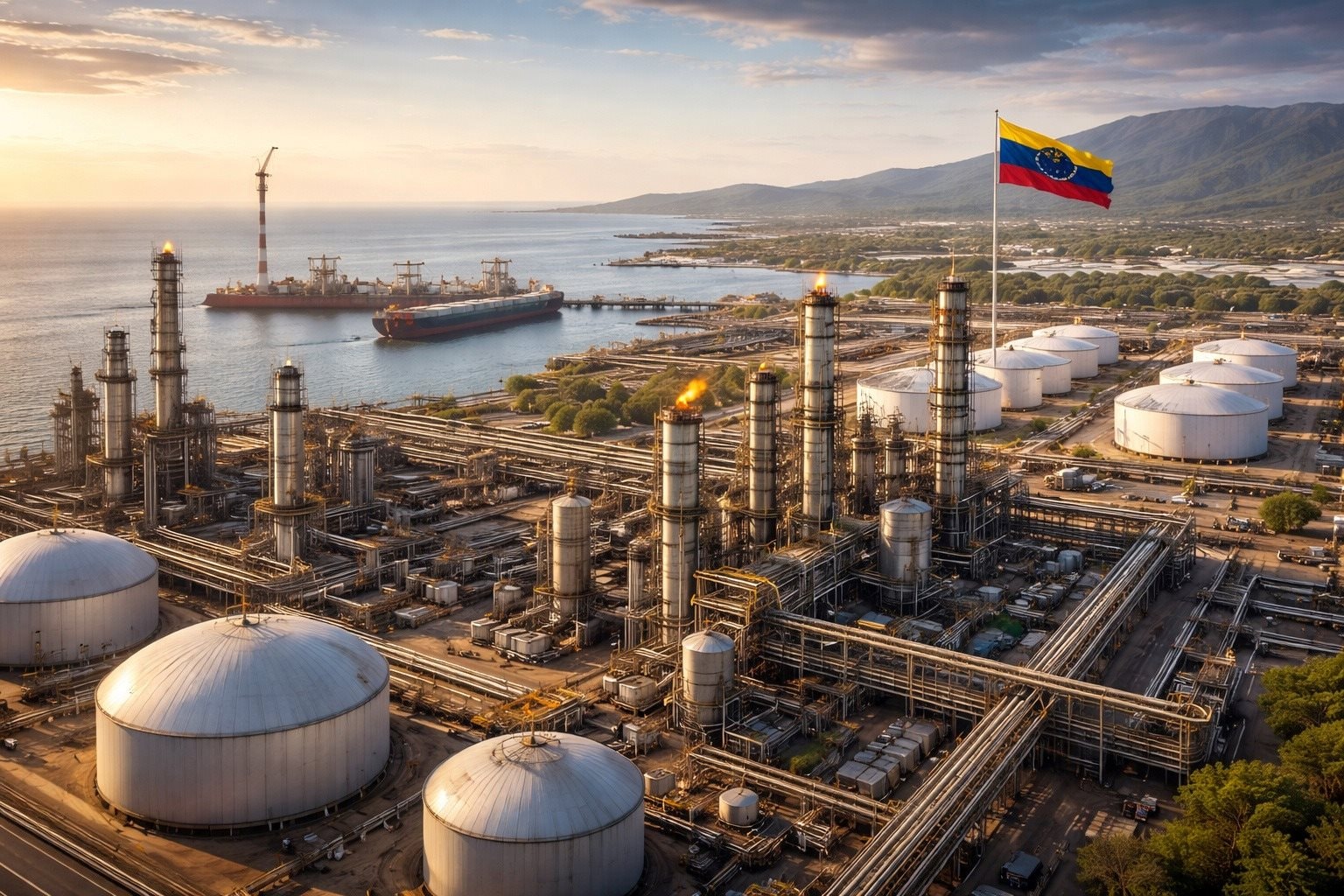
World’s Largest Proven Oil Reserves
Venezuela holds the world’s largest proven oil reserves, estimated at 303 billion barrels as of 2023—over five times the U.S. reserves (55.25 billion barrels).
Venezuela is also a founding member of OPEC, established in September 1960 alongside Iran, Iraq, Kuwait, and Saudi Arabia.
The country’s oil reserves are concentrated in the Orinoco Belt, a vast 55,000 km² (21,235 sq mi) region in eastern Venezuela, controlled by the state-owned oil company, Petróleos de Venezuela (PDVSA).
The Orinoco Belt contains ultra-heavy crude oil, characterized by high viscosity and density, making extraction significantly more challenging and costly than conventional crude. Consequently, it often trades at a discount compared to lighter, sweeter crudes like U.S. shale oil.
Refining this oil requires advanced techniques, which the U.S. possesses, particularly in Texas and Louisiana.
World’s 9th Largest Natural Gas Reserves
Venezuela ranks ninth globally in natural gas reserves.
According to the International Energy Agency, as of 2023, Venezuela’s gas reserves total approximately 5.5 trillion cubic meters (195 trillion cubic feet), accounting for 73% of South America’s total natural gas reserves.
Most of these reserves are associated with crude oil, with about 80% of natural gas production occurring as a byproduct of oil extraction.
Largest Gold Reserves in South America
Venezuela boasts the largest official gold reserves in Latin America.
The World Gold Council reports Venezuela’s gold reserves at approximately 161.2 tons, valued at over $23 billion at current market prices.
Venezuela is also believed to hold significant untapped gold resources, though official data is outdated.
In 2011, former President Hugo Chavez announced the Orinoco Mining Arc project, aimed at exploring, nationalizing, and exporting minerals. In February 2016, President Maduro further developed this region, allocating 12% of the country’s land across multiple states for mining. The government plans to extract diamonds, nickel, coltan, and copper.
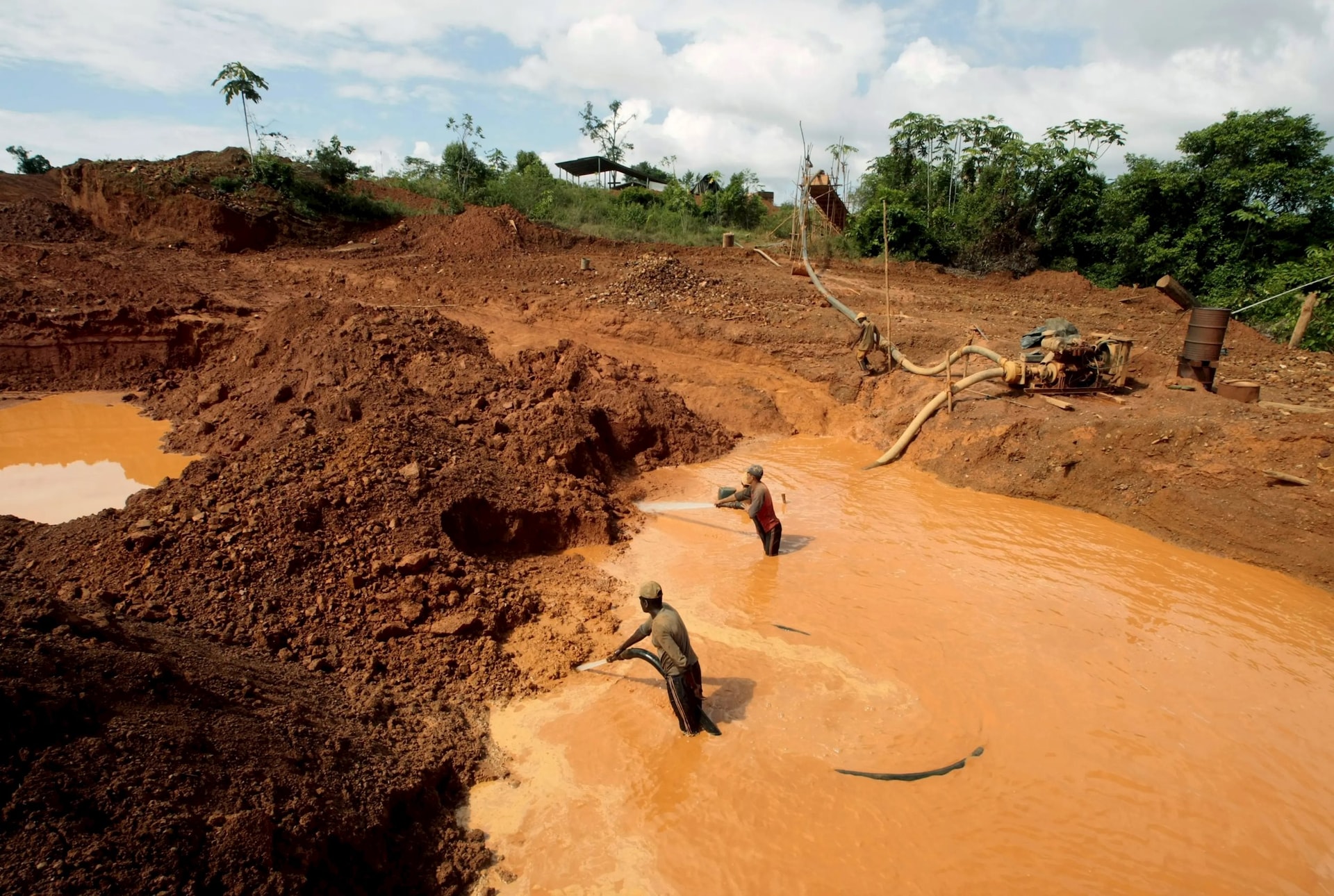
In 2018, Maduro launched the “Gold Plan” to attract $5.5 billion in foreign mining investments. However, none of these agreements materialized, and most mines remain under the control of non-state armed groups.
A 2018 mineral report by Venezuela’s Ministry of Ecological Mining Development estimated the country holds at least 644 tons of gold, though the government claims the actual figure could be much higher.
Other Venezuelan Mineral Reserves (2018 Estimates)
Certified coal reserves: ~3 billion tons
Iron ore: 14.68 billion tons, with 3.6 billion tons proven
Nickel reserves: 407,885 tons
Measured bauxite: 99.4 million tons
Reported diamond reserves: 1.02 billion carats in the Orinoco Mining Arc, including 275 million carats in Guanaimo alone
Source: Al Jazeera
Asia’s Largest Undersea Gold Mine Discovered
This marks the first-ever discovery of an underwater gold mine in the history of Vietnam’s neighboring country.
Vietnam Poised to Emerge as a Global LNG Re-Export Hub
Strategically positioned, Vietnam is poised to emerge as a pivotal LNG re-export hub, a regional LNG trading center, and a critical energy backbone for FDI supply chains.
Massive Offshore Gas Field Discovered in Southeast Asian Nation: Reserves Estimated at 17 Billion Cubic Meters, Located at 570-Meter Depth
The Konta Mine boasts an impressive reserve of approximately 17 billion cubic meters, scattered across four distinct sand layers formed over millions of years.
European Nation Holding Over 520 Tons of Gold Plans to Deposit Reserves in Two Global Powers
This nation has quietly amassed a substantial gold reserve over the years, strategically bolstering its financial stability and economic resilience.
Cambodia Unveils “Massive” Gold Reserve, Plans to Entrust China with Safekeeping
This marks a groundbreaking recalibration in the nation’s strategic framework.