
















Voters in Ninh Binh province have raised concerns about the soaring property and real estate prices, driven by speculators and brokers artificially inflating the market, making it difficult for genuine buyers. They urge the Ministry of Construction to implement stricter regulations and policies to control this sector, along with offering more incentives to encourage businesses to invest in affordable social housing projects for low-income workers.
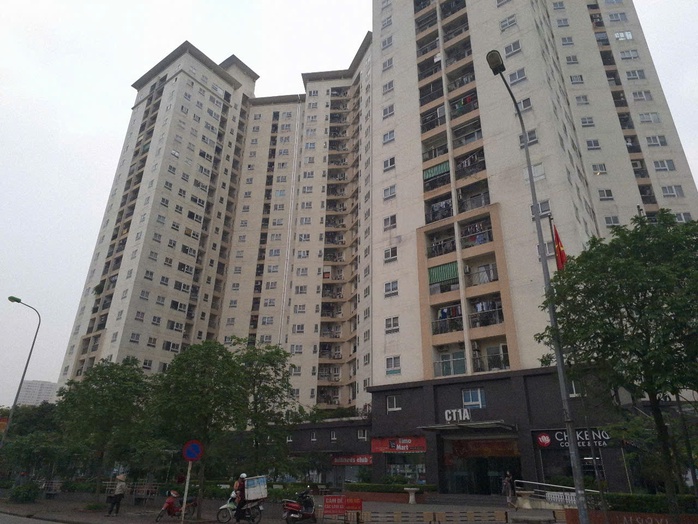
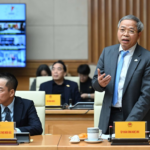
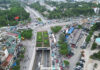
The Ministry of Construction acknowledges that the recent surge in real estate prices is partly due to brokers manipulating the market and creating artificial demand. Photo: Van Duan
In response, the Ministry of Construction highlights that in recent years, the real estate market in many provinces and cities, especially in major urban areas and rapidly urbanizing regions, has experienced complex and unstable developments. These issues have negatively impacted residents’ access to housing and the healthy growth of the real estate market.
What’s Driving the Rise in Property and Real Estate Prices?
The recent surge in property and real estate prices is attributed to various factors, including supply-demand imbalances, opaque planning information, and herd mentality. Speculators and brokers manipulating the market by artificially inflating prices have also played a significant role.
To address speculative activities, price manipulation, and market distortions, the Ministry of Construction emphasizes the need for comprehensive policies and measures. The Ministry has proposed recommendations to relevant authorities and urged local governments to implement policies and actions to tackle these issues.
Specifically, stricter regulation of brokerage activities is required, mandating that all brokers hold a professional certification. Local governments are urged to proactively monitor and enforce regulations on issuing brokerage certifications, overseeing real estate trading platforms, and regulating brokerage services provided by organizations and individuals. These measures aim to curb uncontrolled activities and prevent market instability. Additionally, improving the quality of training institutions and brokerage education programs is essential.
Local authorities are also instructed to closely monitor and address instances of misinformation, false planning announcements, and manipulative practices that create artificial demand, incite crowd transactions, and fuel speculative activities. Timely and stringent penalties will be imposed on violating organizations and individuals.
The Ministry of Construction is finalizing a Government Decree on the development and management of housing and real estate market information systems. This initiative aims to digitize real estate and transaction data, making it easier to access and enhancing transparency in the market.
Pilot Program for State-Established Real Estate and Land Use Rights Trading Centers
The Ministry of Construction is collaborating with the Ministry of Agriculture and Environment, the Ministry of Finance, and other relevant agencies to refine a pilot program for State-established Real Estate and Land Use Rights Trading Centers. This proposal will be submitted to the Government for approval and presented to the National Assembly for a resolution on the pilot program. The Ministry of Construction is also working with related ministries to promote policies for developing social housing, increasing the supply of affordable homes in the market.
To control and stabilize housing prices, the Ministry of Construction has proposed several measures to the Prime Minister. These include further research and policy enhancements for developing affordable housing, with recommendations to be incorporated into the amended Housing Law by 2026.
The State Bank of Vietnam is tasked with reviewing and assessing credit regulations related to real estate to propose appropriate credit adjustment measures.
The Ministry of Finance is responsible for reviewing and evaluating financial and tax regulations pertaining to real estate, proposing suitable financial and tax adjustment measures at the appropriate time…
Nationwide Real Estate Gridlock: Nearly 3,000 Projects Stalled, Totaling $100 Billion in Value

The Deputy Minister of Construction revealed that 2,991 real estate projects nationwide, with a combined capital of approximately 2.4 quadrillion VND, are currently facing bottlenecks. These projects represent a significant potential supply that could be unlocked in the upcoming period if obstacles are resolved.
Real Estate Supply Doubles, Yet Prices Continue to Soar
In 2025, the market witnessed a remarkable surge with over 80,000 new condominium units, doubling the figures from 2024. Strikingly, nearly 25% of these new offerings, totaling more than 20,000 units, were priced above 100 million VND per square meter—a tenfold increase compared to the previous year.
Two Individuals Manipulate SJS Stock Using 26 Accounts, Driving Prices Up 60% Without Illegal Profits
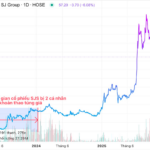
Two individuals manipulating SJS stock prices have been fined VND 1.5 billion each, banned from securities trading, and prohibited from holding positions at securities companies, investment fund management companies, branches of foreign securities and fund management companies in Vietnam, and securities investment companies for two years starting January 10, 2026.
Pilot Mechanism for Housing Price Reduction

Deputy Minister of Construction Nguyễn Văn Sinh stated that designating the investor alongside land allocation based on land price tables will contribute to reducing housing costs.
Affordable Apartments in Ho Chi Minh City: Under 35 Million VND/m²

Affordable apartment projects priced below 35 million VND/m² in Ho Chi Minh City still exist, accounting for approximately 10% of the total supply. However, most of these residential complexes are well-established, with stable residents, and brokerage activities remain relatively quiet.