Vietnam’s Minister of Health, Dao Hong Lan, has issued Circular 53, amending and supplementing certain provisions of Circular 43 regarding the functions, tasks, powers, and organizational structure of commune, ward, and special zone health stations. A notable highlight is the transitional regulations aimed at ensuring uninterrupted medical examination, treatment, and health insurance payment services during the reorganization of local government machinery into a two-tier model.
According to Circular 53, the organizational structure under commune-level health stations is categorized into basic functional groups, including administration, finance, and personnel; population, children, and social welfare; disease prevention and food safety; medical examination and treatment; pharmaceuticals, medical equipment, and paramedical services.
Based on population size, area, and actual conditions, the People’s Committee at the commune level determines the names, numbers, and organizational forms such as departments, rooms, teams, or units, ensuring a streamlined, effective, and locally appropriate structure.
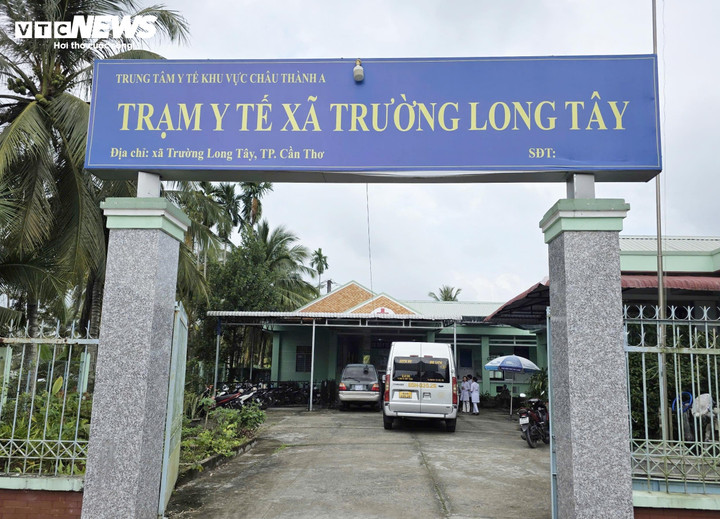
During the reorganization phase, commune health stations will continue to settle health insurance payments for medical examinations and treatments at previously approved rates. (Illustrative image: Nhu Loan)
Notably, during the reorganization, merger, or name change phase, commune health stations will still be reimbursed for health insurance-covered medical examination and treatment costs at the previously approved rates until the new facility’s service prices are officially issued by the competent authority. Licenses issued before the reorganization remain valid for both old and new facilities, ensuring the continuity of health insurance treatment contracts.
If a health station does not change its operating location, the facility only needs to complete license adjustment procedures due to name or address changes. In all cases, health stations are responsible for ensuring the quality of medical examination and treatment services for the public.
The Circular also allows for the continued use of initial medical examination and treatment registrations, health insurance card allocations, and referral procedures between facilities as before the reorganization, following guidelines from the Department of Health.
Facility codes, seals, and stamps of the unit named in the health insurance contract will be used until new codes and seals are issued; if the old seal is revoked, the facility may complete the procedures after receiving the new seal and digital signature.
To ease pressure during the transition period, commune health stations are permitted to submit electronic data for health insurance payment settlements up to 7 days later than the current regulations, until operations stabilize.
The Ministry of Health has tasked the People’s Committees of provinces and cities with deciding on solutions to handle arising issues, assigning focal units responsible for contracts, payments, medicine and medical equipment supply, and related matters, ensuring that commune health stations maintain seamless operations until new licenses and health insurance contracts are finalized.