















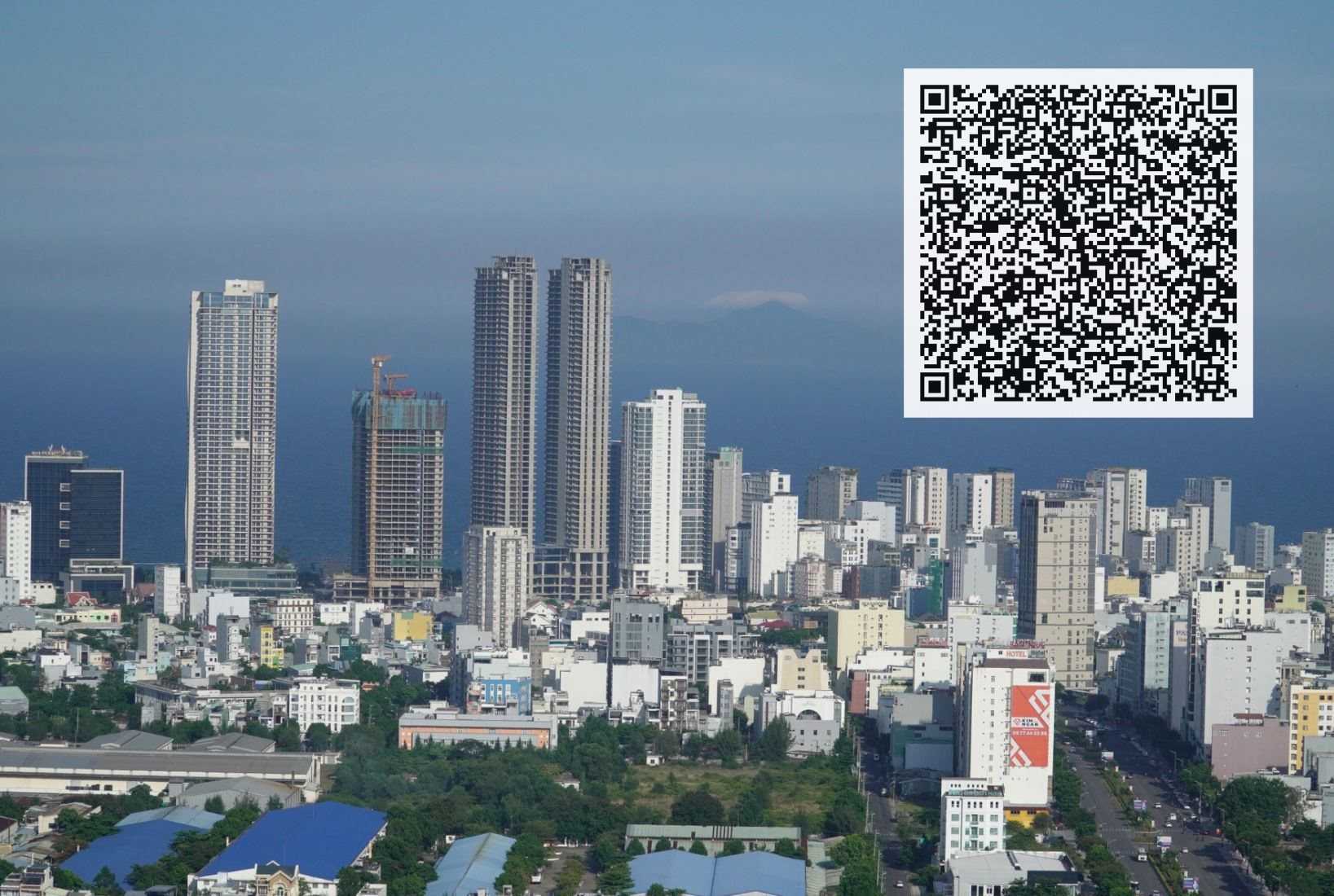
Recently, Dr. Le Ba Chi Nhan, an economic expert, shared his perspective on Vietnam’s real estate identification policy set to take effect from March 1, 2026. He emphasized that assigning electronic identification codes to individual properties is an inevitable and essential step toward a transparent and sustainable market. These codes will serve as the “identity” of each property.
However, Dr. Nhan highlighted three significant challenges in the implementation process:
First, ensuring data synchronization across existing systems such as land, housing, construction, tax, notary, and banking records. If each sector operates on different standards or platforms, the identification codes may become unusable.
Second, many localities are still digitizing historical records, which are often incomplete or unstandardized. This makes initial data cleaning and integration time-consuming and costly.
Third, maintaining discipline and accountability in data updates. The identification system’s effectiveness relies on timely and comprehensive updates for all property changes. Inconsistent or delayed updates could undermine the system’s goals.
Dr. Nhan suggested that successful implementation requires a unified national data standard, with property identification codes as the core for integrating systems like land, housing, tax, notary, and banking. The rollout should be phased and focused, prioritizing new projects, urban areas, and commercial apartments with well-documented records. Simultaneously, authorities should gradually review and clean data for older projects to avoid rushed, inaccurate entries.
He also stressed the need for clear responsibilities and penalties for data updates. Any entity causing property changes must update the identification system. Additionally, involving private sectors like tech companies, real estate platforms, notaries, and banks could enhance data connectivity and utilization, ensuring smoother implementation.
Ministry of Construction Updates on Real Estate Identification
Ms. Hoang Thu Hang, Deputy Director of the Housing and Real Estate Market Management Department (Ministry of Construction), explained that this is Vietnam’s first regulation on property identification and coding. The system manages properties from the land stage, assigning a unique code to each land plot and integrating project, construction, and location codes (if applicable).
“Our approach is to manage properties from the land stage through their development and operation. These codes will be used throughout transactions and land use certificate issuance,” Ms. Hang stated.
She added that the electronic identification system and real estate information database will streamline administrative procedures and benefit all market participants, including government agencies, real estate businesses, and brokers.
For government agencies, the system will enhance market management by providing daily updates on projects and transactions. All project details, legal documents, and transactions must be entered into the system, enabling authorities to monitor licensed projects, transaction trends, and market dynamics for informed policy decisions.
“With comprehensive data, authorities can assess supply gaps in specific segments, guiding project approvals and housing development programs to balance supply and demand. The system will also prevent price manipulation by ensuring transparent transaction records,” Ms. Hang emphasized.
For developers, listing projects on the system will increase public trust and accessibility. Brokers will receive unique identification codes linked to their professional certificates, enhancing accountability.
Under Decree 357, effective March 1, 2026, all properties, including houses, apartments, and project units, will receive unique electronic identification codes. This decree implements the 2023 Real Estate Business Law, establishing a data foundation for market transparency and management.
Unlocking the Secrets to Boost Real Estate Agents’ Credibility and Close Deals Effectively

Not only does the Verified Listing feature on Batdongsan.com.vn provide peace of mind for property seekers, but it also offers a significant competitive edge for those posting listings.
Proposed Providers of Information on Owned Properties and Land

The Ministry of Construction is proposing a significant advancement in real estate market management: mandating organizations and individuals to provide detailed information about the properties they own. This is a key highlight of the draft Decree on the development and management of information systems and databases for housing and the real estate market, which aims to replace Government Decree 94/2024.
What Can We Learn from Hanoi’s Public Disclosure of 17 Developers Violating Land Laws?

The Hanoi Department of Agriculture and Rural Development has recently exposed 17 investors for violating land laws due to delays in utilizing allocated land.
Ultimate Data Cleansing for Real Estate

The Ministry of Agriculture and Environment is racing to cleanse data for 49.7 million land plots, while the Ministry of Construction is accelerating the upgrade of its housing information system. Both agencies are intensifying their efforts to “purify” data within this year.