



















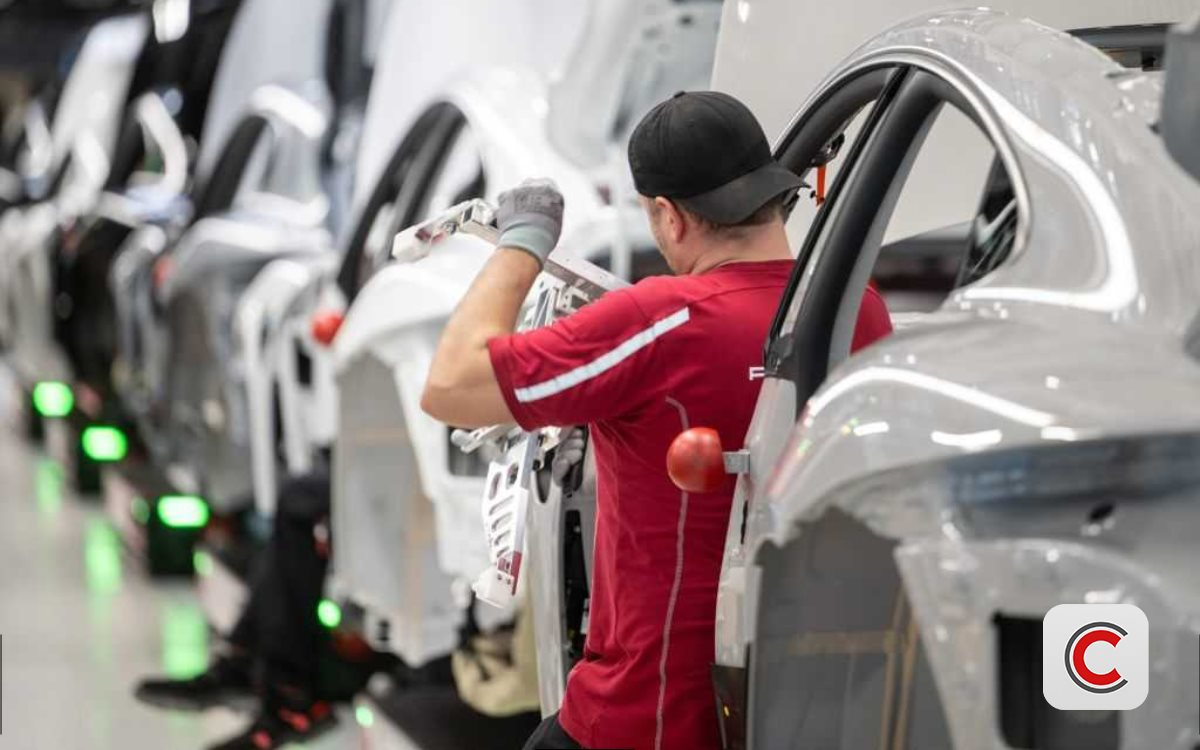
The Financial Times (FT) reports that European auto parts suppliers have announced over 100,000 job cuts in the past two years, grappling with weak vehicle demand and fierce competition from Chinese rivals.
Data compiled by the European trade association Clepa reveals that suppliers announced 50,000 job cuts in 2025, following 54,000 in 2024, signaling ongoing struggles in the beleaguered sector.
“This is a rather unprecedented situation with over 100,000 job cuts announced in the past two years… the bleeding hasn’t stopped yet,” said Benjamin Krieger, Clepa’s secretary-general.
Wave of Layoffs
During the pandemic years of 2020 and 2021, auto parts suppliers announced a total of 53,700 job cuts, but European demand remains significantly below pre-pandemic levels due to slow adoption of new electric vehicle models.
The industry’s poor performance has led many carmakers to reduce output across the continent, directly impacting parts manufacturers.

The sector also faces intense competition from Chinese companies, which are rapidly gaining market share in Europe.
“The most advantaged players right now are the Chinese. They have technically well-made products entering the market at extremely low prices,” Krieger added.
Bosch, the world’s largest auto supplier, announced in September it would cut 13,000 jobs by 2030, facing an annual cost deficit of €2.5 billion, leading to employee protests last month.
After suppliers Valeo, Forvia, and Schaeffler announced thousands of job cuts in 2024, 2025 saw further layoffs at Continental’s auto parts division before its spin-off as Aumovio.
Arnd Franz, CEO of Stuttgart-based Mahle, told FT it’s “hard to say” if the sector has hit rock bottom or will face further challenges in 2026.
The supplier announced 1,000 job cuts in November, primarily in Europe and North America.
“We had much more positive expectations for 2025,” Franz said, noting that U.S. President Donald Trump’s tariffs slowed auto parts demand more than anticipated.
Pressure on the industry means “we will see a wave of consolidation in the next two, possibly three years, and capacity adjustments,” he added.
Valeo CEO Christophe Périllat was more blunt, warning last November of a “Darwinian transformation” in the industry, adding that many European jobs will be lost unless Brussels shields the sector from Chinese competition.
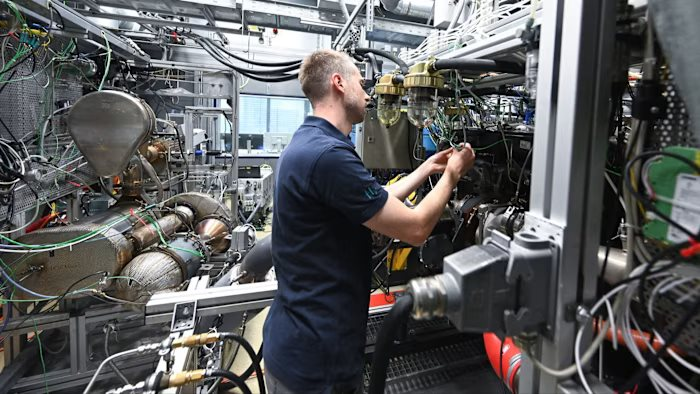
As electric vehicle adoption in Europe lags expectations, the shift away from gasoline and diesel vehicles has steadily increased pressure on European suppliers focused on internal combustion engines.
The European Commission is considering proposals to protect the sector with “made in Europe” safeguards for key industries, ensuring a certain threshold of parts are produced on the continent.
Suppliers like Valeo have called for a 75% threshold to maintain the status quo, but carmakers oppose such measures, fearing competitiveness losses from using pricier European components.
Krieger asserts European companies could compete with Chinese rivals if all operated under EU production rules.
“We are certain that Chinese and European players would compete on a level playing field if the same rules applied to everyone,” he added.
Sources: FT, Fortune, BI
World’s First Nation to Achieve Full EV Transition: Nearly 98% of Vehicle Sales Are Electric, with Unprecedented Incentives for Citizens

A nation with a population just 5% that of Vietnam has announced it is nearly on track to achieve its goal of 100% new car sales being electric vehicles by 2025.
Indonesia’s Electric Vehicle Sales Surge 49%, But Vietnam Leads ASEAN’s EV Revolution

Indonesia’s electric vehicle market is poised for growth, fueled by significant incentives amidst a declining automotive sector. However, limited charging infrastructure and consumer hesitancy present substantial challenges to widespread adoption.
Is the Mitsubishi Xpander a Serious Threat?

Has the Mitsubishi Xpander’s worst nightmare come to life?
The Great FPT Downsize: Are Banks the Hardest Hit?
As of June 30, 2025, The Gioi Di Dong (Mobile World) remains the largest employer among non-financial companies listed on the stock exchange, with a headcount of 61,779. This represents a modest 2% decrease from the previous year, making it the only company in this category to downsize by over 1,000 employees.
The Job Market in Q2 2025: Solving the “Mismatch” Puzzle, Sustaining Stability, and Facilitating Effective Connections.
Despite an impressive GDP growth rate of 7.52% in the first half of 2025, Vietnam’s labor market faces the challenge of redundancies. To counter this, strategies must focus on boosting workforce morale, retaining top talent, and stabilizing the labor market through to the end of 2025.