















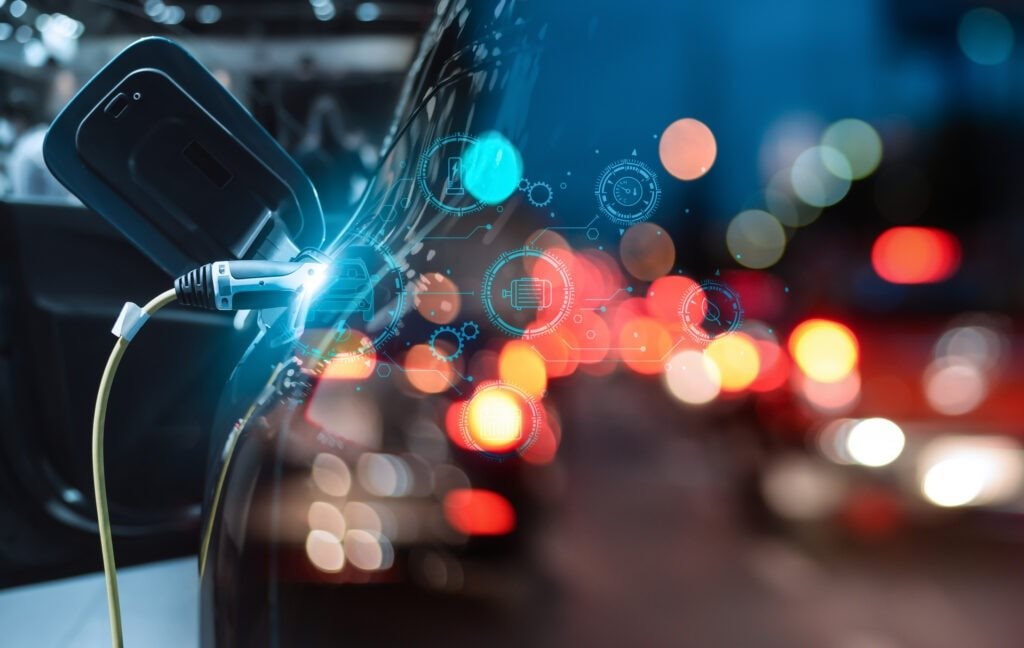
Toyota pioneers bidirectional charging technology, turning electric vehicles into mobile power sources.
According to InsideEVs, Toyota has launched a groundbreaking pilot program utilizing electric vehicles (EVs) to feed power back into the grid. The initiative is currently underway at Toyota’s North American headquarters in Texas, with additional trials in San Diego and Maryland.
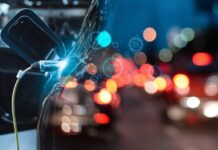
Technologically, the project centers on bidirectional charging (V2G). This system operates through dual electrical flows. The first flow involves conventional charging, where electricity from the national grid charges the vehicle’s battery, storing energy for propulsion. The second flow reverses the process, allowing the EV’s stored energy to be discharged back into the grid. This innovation transforms the EV into a massive portable battery, capable of powering homes or supporting public utilities.
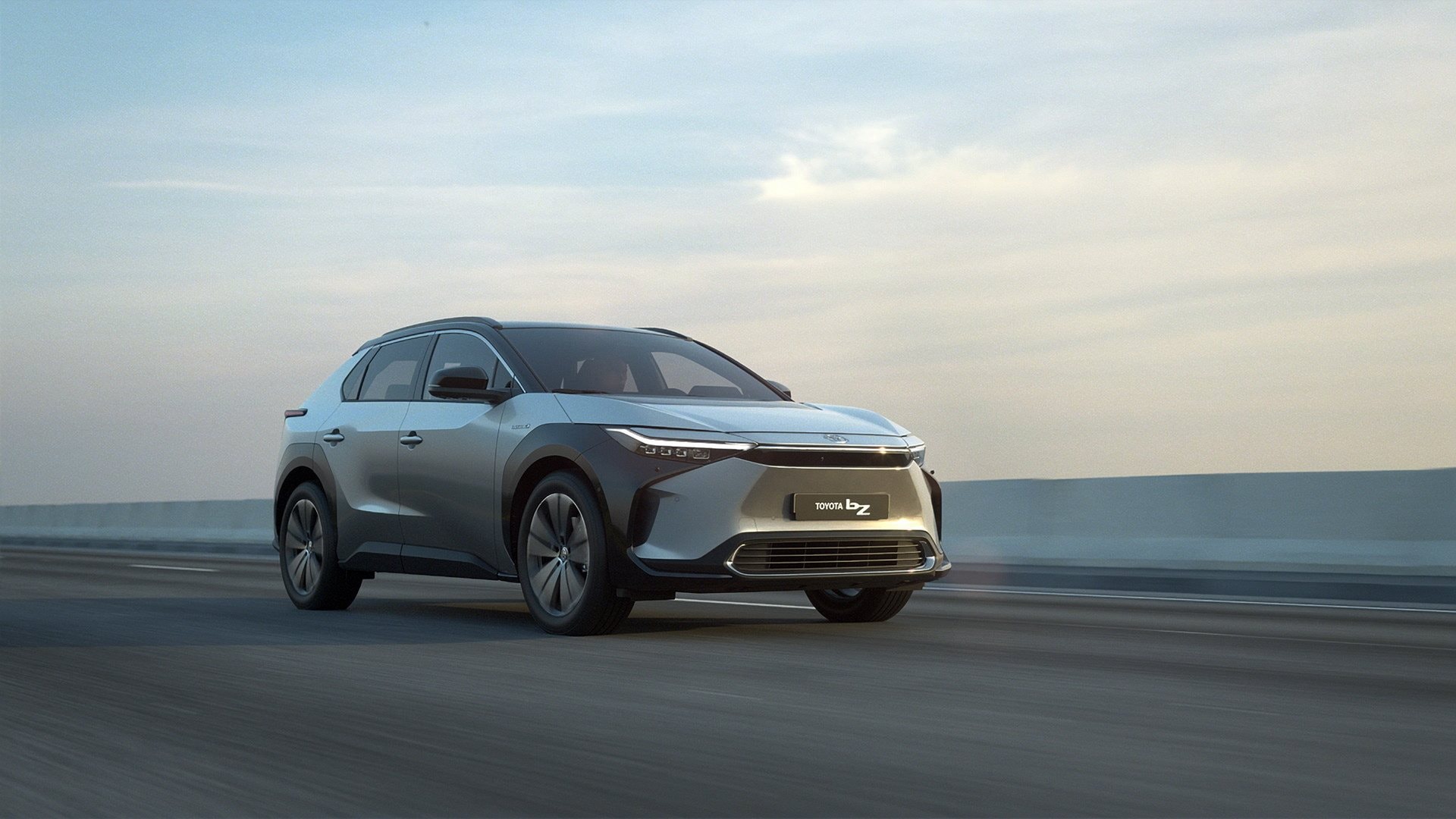
The Toyota bZ4X undergoes bidirectional charging trials.
In Texas, Toyota employs the bZ4X EV model for testing, connected to a specialized charger and data analytics system developed by Fermata Energy. The software monitors real-time electricity prices and grid conditions. During peak demand, the vehicle automatically discharges power to stabilize the grid. Conversely, it charges during off-peak hours to capitalize on lower electricity rates.
The scalability of this solution is immense. Toyota estimates that 4 million EVs in the U.S. could generate energy equivalent to 40 nuclear reactors. For context, the U.S. operates 94 nuclear reactors, which supplied approximately 18.2% of the nation’s electricity in 2023.
While Hyundai, Nissan, Ford, and General Motors have integrated V2G capabilities into commercial vehicles, Toyota has meticulously refined its approach since 2022, prioritizing rigorous testing and optimization.

Bidirectional charging technology can replace generators, powering entire households.
Toyota emphasizes that the project’s long-term vision extends beyond technical innovation to economic benefits for EV owners. By charging during off-peak hours and selling surplus energy back to the grid during peak times, owners can significantly reduce costs. Additionally, leveraging EV batteries alleviates strain on transformers and transmission lines, prolonging infrastructure lifespan.
Utility providers like San Diego Gas & Electric and Pepco are closely monitoring the project, seeking solutions to reduce carbon emissions and optimize future energy ecosystems.
Toyota Revolutionizes Electric Vehicles: Transforming EVs into Grid Power Generators – Here’s How

Toyota is pioneering bidirectional charging technology through pilot projects, enabling electric vehicles to supply power back to the grid in emergency situations.
VinFast, Brainchild of Pham Nhat Vuong, Celebrates Positive News from Strategic Market
Just four months after entering the Indian market, VinFast has surpassed the 1,000-vehicle sales milestone.
Why Car Supply is Rising While Consumer Demand Remains Weak
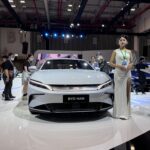
Chinese automobiles are flooding the market, yet consumer uptake remains disappointingly low.
VinFast Shatters Records: Delivers 175,000 Vehicles in Landmark Year
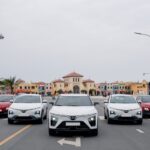
This marks an unprecedented record in Vietnam’s automotive market, surpassing even the previous benchmark set by a foreign car manufacturer by a twofold margin.
Civil Servants’ Salaries Fail to Keep Pace with Rising Cost of Living

Salaries and benefits for civil servants, public employees, and retirees are failing to meet the demands of rising inflation and escalating commodity prices, leaving their standard of living increasingly vulnerable.