













Greater Transparency Needed
According to David Jackson, Managing Director of Avison Young Vietnam, in 2026, Ho Chi Minh City’s real estate market is expected to remain in a consolidation phase, with supply concentrated in Thu Thiem and the Eastern Corridor. The Eastern Corridor continues to be the market’s primary driver, with prices ranging from $3,020 to $5,660 per square meter. Meanwhile, the Southern and Western regions of the city offer more competitive pricing, between $1,510 and $3,020 per square meter.
“In 2026, price growth is anticipated to be gradual due to stricter legal scrutiny and slower project approval processes. Administrative mergers and infrastructure development in suburban areas are easing pressure on the city center and diversifying buyer interest. As a result, developers are likely to adopt flexible pricing strategies based on real demand, with absorption rates increasingly tied to actual purchasing power rather than speculative demand,” said David Jackson.
 |
On the demand side, buyers remain cautious, prioritizing projects with reputable brands, clear legal status, and transparent construction progress. Demand from end-users and long-term renters continues to dominate, positioning 2026 as a promising year for absorption as projects catering to these segments enter the market.
In Hanoi, supply is expected to remain high, particularly in Q1/2026, with the launch of several large-scale projects. Despite significant supply, demand is likely to be driven by actual absorption rather than speculation.
Similarly, Nguyen Van Dinh, Chairman of the Vietnam Real Estate Brokerage Association, noted that the merger of 34 provinces and cities has created larger real estate markets, such as Ho Chi Minh City, Hai Phong, Da Nang, and Lam Dong. This has disrupted short-term speculative waves, curbed rapid price increases, and shifted the market toward more stable, long-term development.
As 2026 begins, the real estate market faces numerous opportunities, with double-digit economic growth targets, sustained capital inflows, and flexible monetary policies. New urban models, such as compact cities and transit-oriented development (TOD), are also being prioritized. However, there will be no room for speculative, short-term investments.
“Moving forward, market participants must be more professional, transparent, and compliant with market discipline within a data-driven and digitally managed ecosystem,” said Dinh.
Price Reductions Expected
Meanwhile, Vo Hong Thang, Deputy Managing Director of DKRA Group, announced that the company has acquired land and will officially launch its first residential project as a developer in Q2/2026. The project is located in the former Binh Duong province.
In 2026, the real estate market is expected to enter a more pronounced growth phase, though recovery will vary between residential and hospitality real estate.
For residential real estate, 2026 is anticipated to continue the recovery and growth momentum from 2025, as supply improves with numerous projects cleared of legal hurdles and ready for market. Liquidity is also expected to rise as buyer and investor confidence gradually restores. The focus will be on affordable housing, catering to real residential needs.
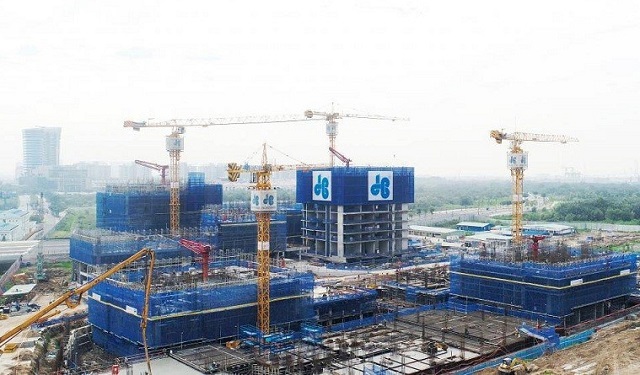
From the second half of 2026 onward, the market is expected to transition to a healthier and more sustainable development phase.
|
Le Hoang Chau, Chairman of the Ho Chi Minh City Real Estate Association (HoREA), believes that 2025 was a pivotal year with the implementation of key laws and resolutions, including the Land Law, Housing Law, Real Estate Business Law, and Resolution 201/2025/QH15 on social housing development. From the second half of 2026 onward, the market is expected to transition to a healthier and more sustainable development phase.
Reviewing corporate real estate development plans, Chau noted that most products are targeting real residential buyers. Notably, real estate companies are planning to cool housing prices in 2026 to improve homeownership opportunities for citizens.
Deputy Minister of Construction Nguyen Van Sinh assessed that 2025 laid the foundation for the real estate market to enter a more stable and sustainable phase in 2026. However, the market still faces oversupply in the high-end and mid-range segments, with a shortage of affordably priced products for the majority of the population. Real estate prices remain high relative to income levels, exceeding the purchasing power of many citizens.
“The 2026 real estate market outlook is tied to a new growth cycle, but this will be a selective cycle, grounded in a robust legal framework, real societal demand, and long-term sustainable development,” said Sinh.
Duy Quang
– 06:08 15/01/2026
Ho Chi Minh City’s Eastern Market: Legal Standards “Purify” Supply Sources

Stringent legal regulations from the government are fostering market transparency and maximizing customer protection. This shift presents a significant opportunity for financially robust developers to focus on delivering high-standard projects.
Ho Chi Minh City Real Estate Sets a New Record
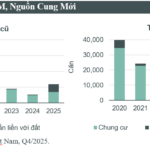
In Q4/2025, the low-rise housing market in the former Ho Chi Minh City area witnessed a record-breaking supply of approximately 4,500 units, according to CBRE Vietnam. This surge brought the total annual supply to nearly 5,000 units, a staggering 20-fold increase compared to 2024, marking the most significant growth ever recorded in this region.
Unlock Financial Confidence: Earn Over $2,100/Month to Afford Your Dream Home
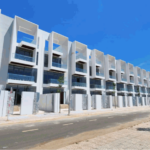
A recent survey by Batdongsan.com.vn reveals that only those earning over 50 million VND per month show a significant increase in their ability to purchase new homes. For the income group ranging from 30 to 50 million VND, confidence levels remain predominantly moderate.
Secure Shophouse Investment Solutions in a Recovering Market

As of early 2025, the real estate market has shown clear signs of recovery, marked by improved liquidity, more positive investor sentiment, and capital flowing back into segments with genuine utility value. Among these, shophouses remain a lucrative investment channel, provided they are developed in the right location, at the right scale, and aligned with market demand.
A Contrasting Phenomenon Unfolds in Vietnam’s Stock Market
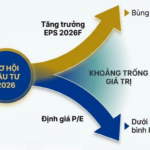
From a technical analysis perspective, Yuanta Securities asserts that the market is currently in the third wave of its upward trend, characterized by the strongest momentum and the longest duration.