













Absolutely Prohibited Substances in Food
Regarding the case of 800 tons of fresh noodles mixed with borax distributed in Ho Chi Minh City, Assoc. Prof. Dr. Nguyen Trong Hung (Vietnam Nutrition Institute) stated that borax is a substance absolutely prohibited by the Ministry of Health for use in food. It is not an approved additive and poses significant health risks.
Borax (sodium borate) is a compound of boron, previously misused in products like sausages, rice noodles, flat rice noodles, and fresh noodles to enhance texture and extend shelf life.
“Despite being banned, borax is still illegally used in food due to its low cost, ease of purchase, and difficulty in detection through normal sensory means. It is odorless and tasteless, making it hard for consumers to identify,” said Assoc. Prof. Hung.

Fresh noodles colored, mixed with borax, and steamed. Photo: Ho Chi Minh City Police.
Severe Health Risks of Consuming Borax
According to Assoc. Prof. Nguyen Duy Thinh, Food Technology Expert, borax was previously used in various foods. However, due to its harmful effects on health, it has been banned. Borax can cause acute and chronic poisoning. Long-term accumulation in the body can damage the liver, kidneys, digestive system, and nervous system, disrupt metabolism, reduce fertility, and even affect child development.
Due to its toxicity, borax is not listed as a permitted food additive for production, business, or food processing under Circular No. 24/2019/TT-BYT and Circular No. 17/2023/TT-BYT.
At high doses, borax can cause nausea, vomiting, diarrhea, gastrointestinal bleeding, seizures, coma, and in severe cases, shock and death. Children and pregnant women are particularly vulnerable.
Given its dangerous toxicity, borax is not included in the list of permitted food additives according to the Ministry of Health’s regulations. Authorities advise consumers to choose food with clear origins and avoid products with unusually chewy or crispy textures that do not spoil over time.
Experts note that the misuse of borax in food in Vietnam has been a long-standing issue and remains a pressing concern. Managing and banning borax in food processing faces significant challenges. Borax is openly sold in markets, easily purchased, and very affordable.
Therefore, managing and monitoring borax use in food is a complex issue, difficult to resolve quickly. To provide legal grounds for authorities to handle violations and assess product risks, testing for borax in food is essential.
Recently, the case of over 800 tons of borax-laced fresh noodles distributed in Ho Chi Minh City serves as a stark warning about the misuse of banned chemicals in food, demanding stronger action from regulatory bodies and vigilance from consumers.
Ho Chi Minh City Police have arrested and charged Wang Luong Toan (45 years old), owner of Chau Phat business, along with two associates, for violating food safety regulations after discovering their production of borax-laced fresh noodles and other banned chemicals.
On December 16, 2025, authorities raided Chau Phat in Phu Thanh Ward (former Tan Phu District), catching the group mixing borax, soda, and silicate solution into wheat flour to make fresh noodles.
Police confirmed these chemicals are banned in food production but are still misused to enhance texture, elasticity, crispness, and color in noodles.
During interrogation, Wang Luong Toan admitted to using borax and chemicals in noodle production for about 10 years. In the past three years alone, his facility distributed over 800 tons of borax-laced noodles to markets and eateries.
Ho Chi Minh City Police are expanding their investigation to identify and prosecute all involved individuals according to the law.
Luxury Living Turns Sour: Spending Billions on a Home Amidst Chaotic Street Markets and Food Stalls
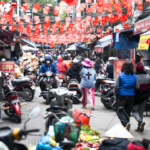
Unplanned and lacking designated zones, makeshift stalls and informal markets have proliferated, becoming a persistent nuisance for residents who invested billions in their homes.
Ministry of Agriculture and Environment Investigates ‘Contaminated’ Streetlight Paste Linked to Sick Pigs
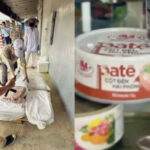
The Quality, Processing, and Market Development Department under the Ministry of Agriculture and Environment has requested the Hai Phong Department of Agriculture and Environment to provide comprehensive information regarding food safety management and disease control measures implemented by Halong Canned Food Joint Stock Company throughout its operational history.
Halong Canned Food Company Audit: No Violations Detected in 3 Years
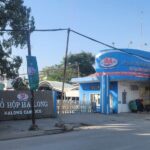
Through rigorous inter-sector inspections conducted over the three-year period from 2023 to 2025, Halong Canned Food Company has consistently adhered to all legal regulations governing food safety.
EXPOSED: The Shocking Truth About Hạ Long Canfoco’s Contaminated Paté and the Unaccountable Parties Involved

Over 130 tons of pork contaminated with the African Swine Fever virus were sold to Ha Long Canfoco (Ha Long Canned Food Joint Stock Company) for the production of processed meat products, including pâté.
Unveiling the Culprit: Which State Agency Failed to Regulate Halong Canning Joint Stock Company’s Food Safety Scandal?

Despite the arrest of the CEO of Ha Long Canned Food Joint Stock Company, the Head of the Committee on Science, Technology, and Environment, Nguyen Thanh Hai, has called for clarity on which state management agency is responsible and to what extent.