






Hidden Infrastructure Determines Long-Term Safety of Structures
Whether it’s a large-scale project or residential housing, the electrical system is the critical infrastructure that determines the safety and lifespan of a structure. Notably, this is a “hidden” infrastructure embedded deep within walls, difficult to inspect with the naked eye, yet it poses the greatest risk if not properly invested in from the outset.
In reality, many technical incidents and unforeseen costs during the operation of a structure stem from the use of unproven materials. Therefore, prioritizing high-quality, certified electrical wiring from the beginning not only helps mitigate comprehensive risks but also ensures long-term sustainable value.
TUV Rheinland Certification – European Standards with Rigorous Evaluation Requirements
The TUV Rheinland certification, issued by Europe’s leading independent certification organization (TUV Rheinland), not only confirms that a product meets stringent safety standards but also verifies consistent quality control throughout the production process.
The evaluation process is rigorously implemented, from testing product technical specifications and assessing materials to inspecting production conditions and ensuring long-term consistency. For the electrical cable industry, these requirements are highly selective and only suitable for companies with a strong technical foundation.
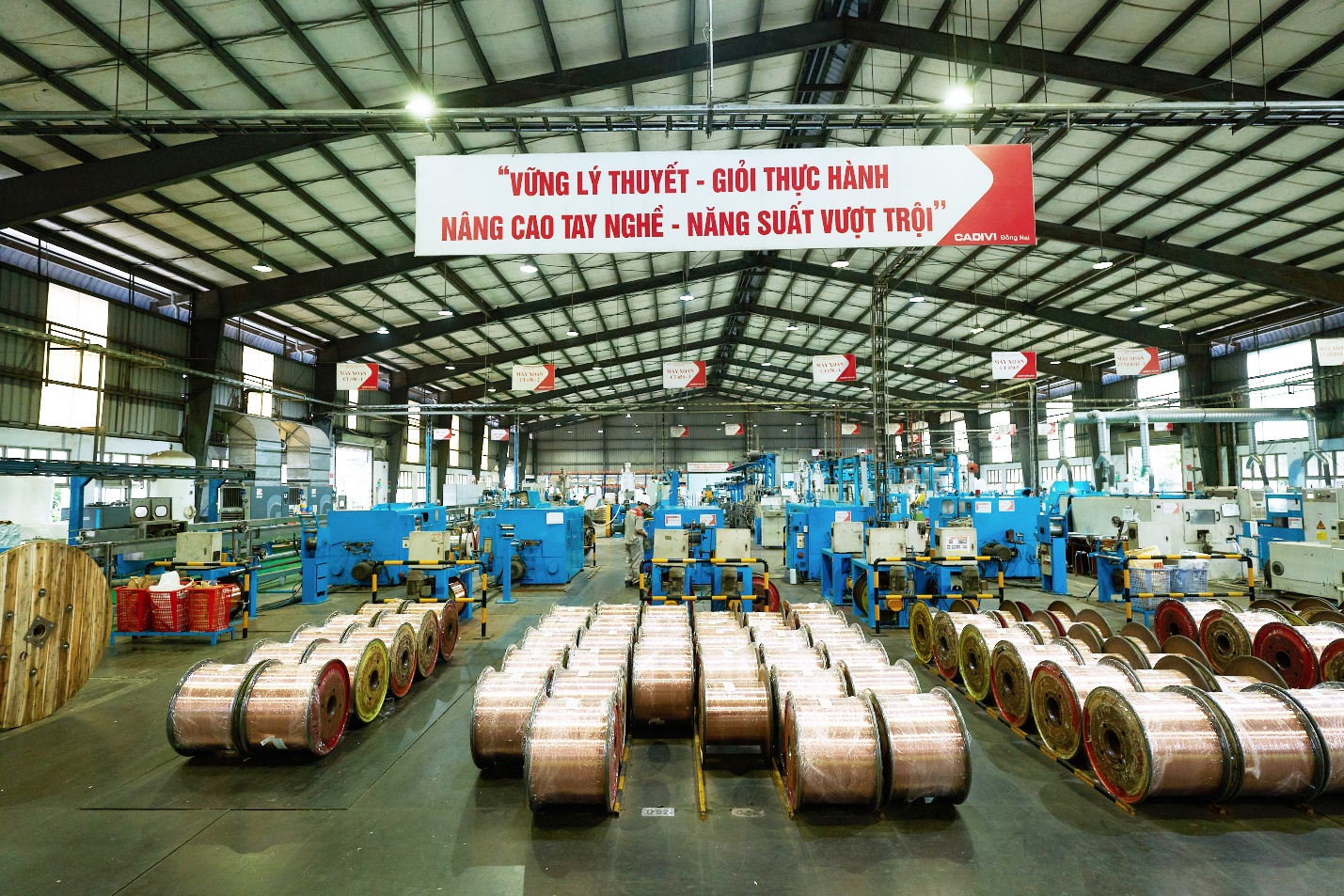
Thus, CADIVI’s pioneering achievement of the TUV Rheinland certification for its lead-free LF residential wiring demonstrates the company’s alignment with international quality management standards.
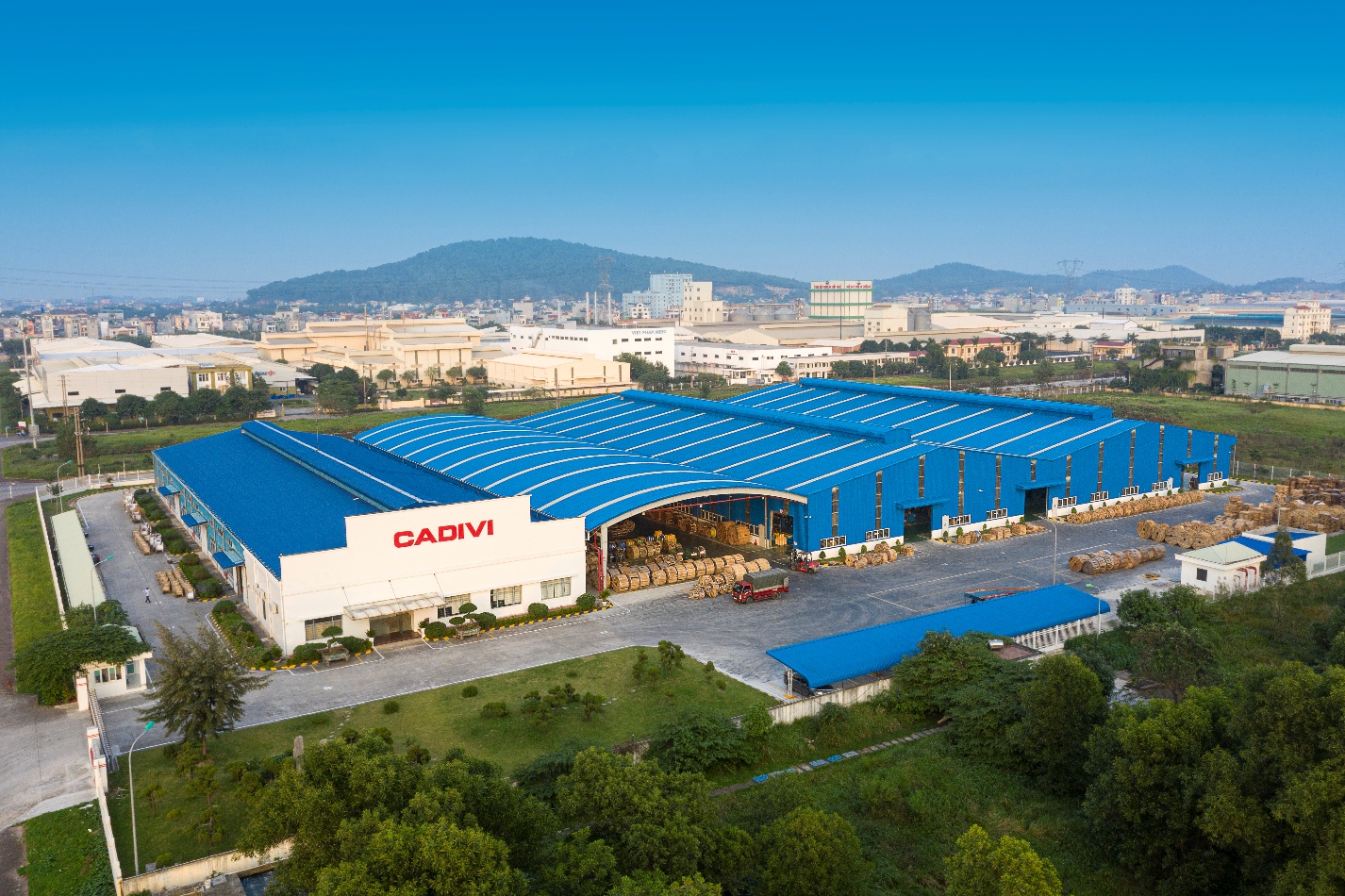
Commenting on this milestone, Mr. Lê Trần Vĩnh – CEO of CADIVI – stated: “The TUV Rheinland certification is not just a technical recognition but also reflects the consistent development direction CADIVI has pursued for many years. We do not view international standards as a short-term goal but as the foundation for our long-term investment in quality, safety, and sustainable development.
Becoming one of the first Vietnamese companies to achieve TUV Rheinland certification for lead-free residential wiring highlights CADIVI’s commitment to proactively adopting international standards, even in the domestic market. This is also a crucial step in enhancing our competitive capabilities, meeting the increasingly stringent demands of regional and international markets, and fostering long-term partnerships with customers and stakeholders.”
Investing in Quality – Sustainable Value for Structures
Instead of focusing on price and risking potential hazards, developers, contractors, and homeowners now prioritize products with clear quality assurances and high safety standards. Using certified electrical wiring minimizes the risk of accidents, reduces future repair costs, and safeguards the value of the structure throughout its lifespan.
For developers and contractors, selecting TUV Rheinland-certified wiring mitigates technical risks and provides a distinct advantage in completing capability dossiers, project acceptance, and enhancing long-term structural value. This factor is increasingly valued in a construction market demanding higher standards.
With robust production capabilities, a structured quality management system, and a pioneering spirit in elevating industry standards, CADIVI continues to solidify its position as Vietnam’s leading electrical cable brand. The company aligns with Vietnam’s sustainable development goals, including emission reduction and the government’s Net Zero target by 2050, while partnering with developers, contractors, and homeowners to create safe, sustainable, and long-lasting structures.
Experts Predict Surprising “Growth Peak” in Real Estate for the New Cycle

According to Giang Huynh, Director of Research & Consultancy at Savills Ho Chi Minh City, Vietnam’s real estate market is undergoing a restructuring adjustment phase, paving the way for a new cycle of growth.
Chairman of Hoa Binh Construction Group Le Viet Hai: Real Estate Must Develop Steadily to Prevent Ecosystem Disruptions and Ensure Continuous Employment for Businesses

At the forum “Real Estate Market Outlook 2026 – Momentum for a New Growth Cycle,” organized by Construction Newspaper, many opinions suggested that the market is poised to enter a new growth cycle.
Elevating Living Standards in Gia Lai: A Human-Centric Urban Development Approach

In Gia Lai, the concept of a home has evolved beyond mere shelter. Residents now seek vibrant, green living spaces that seamlessly blend modern amenities with a thriving, civilized community.
Prime Minister Directs Central Bank to Tightly Control Real Estate Credit, Preventing Speculative Capital from Distorting the Market
The Prime Minister has directed the State Bank of Vietnam to tightly regulate real estate credit, preventing speculative capital from distorting the market. The focus is on channeling funds into affordable housing projects, ensuring a balanced and sustainable property sector.
Politburo Designates November 24 as ‘Vietnamese Culture Day,’ Granting Full-Paid Leave for Workers

The Politburo’s resolution designates November 24th as “Vietnamese Culture Day,” an annual national holiday with full pay for workers, aimed at enhancing the public’s access to and enjoyment of cultural experiences.