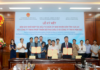












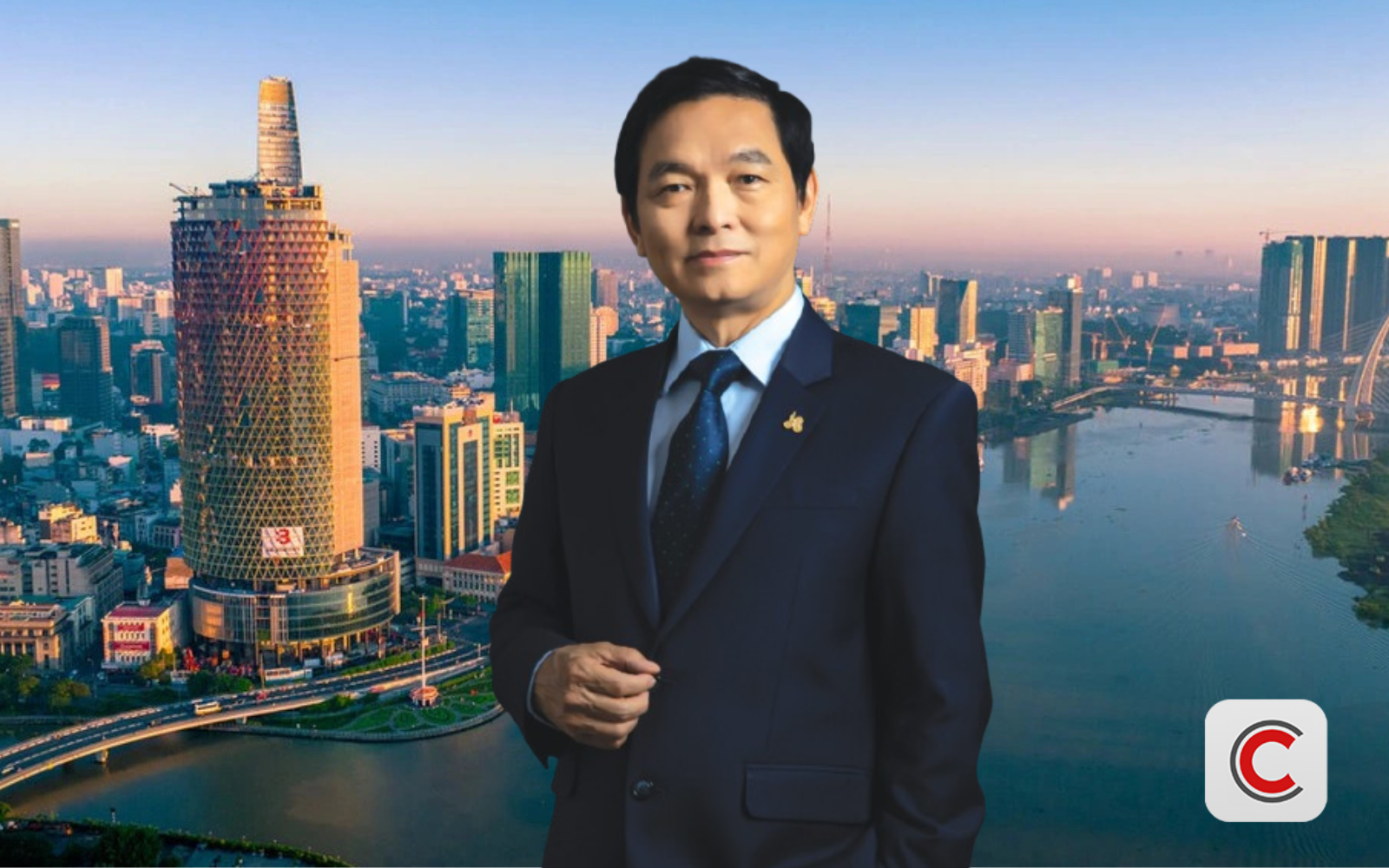
Speaking at the forum, Mr. Le Viet Hai, Chairman of Hoa Binh Construction Group, stated that the real estate market in 2026 shows clear signs of recovery after a prolonged adjustment period. However, according to Mr. Hai, the most critical aspect is not the growth rate but ensuring the safe and sustainable development of the entire market.
According to the Chairman of Hoa Binh, a comprehensive market assessment, clear identification of risks and challenges, and the implementation of appropriate solutions are imperative in the current context. “The question is not just whether the market will recover, but how to ensure stable real estate development, thereby facilitating the smooth operation of the entire ecosystem, including construction, building material production, and related services,” Mr. Hai emphasized.
He stressed the need to avoid prolonged market stagnation, which could lead to a lack of work for businesses in the value chain and disrupt production and business activities. Ensuring a continuous and stable flow within the real estate ecosystem is now a top priority for the business community.
Based on this reality, the Chairman of Hoa Binh Construction Group proposed four key focus areas for the upcoming period.
First, develop social housing that genuinely meets the needs of the population.
Second, focus on affordable commercial housing, which is also a real demand and currently faces a supply shortage.
Third, accelerate the effective implementation of approved urban planning and projects.
Lastly, enhance market information transparency, considering it the foundation for a healthy market operation.
Regarding transparency, Mr. Hai praised the initiative to establish and operate the Construction Activity Information Database Portal, including a real estate sector database. He believes this is a crucial solution, enabling investors to access comprehensive and accurate market information, from project launch to supply status across segments, thus making informed investment decisions at each stage.
“The ultimate goal moving forward is to create a stable, safe, and healthy real estate market while ensuring the sustainable development of the entire related ecosystem, from construction and building materials to supporting services,” Mr. Hai emphasized.
Also at the forum, Nguyen Van Dinh, Vice Chairman of the Vietnam Real Estate Association, noted that policies enacted in 2025 are playing a “guiding” role, opening up more sustainable development opportunities for the real estate market. According to Mr. Dinh, numerous amended laws and resolutions on special mechanisms, particularly in social housing and urban development, have helped resolve many long-standing bottlenecks.
Notably, Mr. Dinh highlighted the increasingly close relationship between real estate and transportation infrastructure. Developing railway lines, metros, and special mechanisms for major cities is not just about transportation but also creates opportunities to leverage land value, promoting more efficient and sustainable urban development.
Experts believe that with the institutional framework gradually improving and development directions established, Vietnam’s real estate market is poised to enter a new phase. However, to capitalize on this opportunity, the key requirement remains caution, transparency, and enhancing the internal capabilities of each enterprise, ensuring a longer-term, stable, and more humane growth cycle.
Unveiling the Secret: The Trio of Islands Shaping Nha Trang’s All-in-One Urban Paradise

Nestled in the heart of the urban landscape, Charmora City stands as an exclusive “island” oasis, offering unparalleled privacy and security. Each of its three distinct islands—North, Central, and South—is meticulously designed with a unique purpose, seamlessly integrating the golden trifecta of Live, Work, and Play. This pioneering concept in Nha Trang caters to every need of residents and visitors alike, redefining modern living.
Why Ho Chi Minh City’s Hottest Social Housing Project Hasn’t Launched Yet
The CEO of Duc Manh Joint Stock Company has confirmed that the Ly Thuong Kiet social housing project is now 90-95% complete. The project is currently undergoing final inspections and finishing touches, in line with the schedule approved by the Ho Chi Minh City People’s Committee.
Luxury Villa and Townhouse Prices in Hanoi Surge Past $30,000/m²
In West Hanoi, villa prices remain steady at $14,000–$16,000 per square meter, with select luxury projects surpassing $30,000 per square meter. Meanwhile, in the East Hanoi area along Ring Road 2–3, terraced houses typically range from $7,200 to $8,800 per square meter, while villas fluctuate between $10,000 and $12,800 per square meter.
Unraveling the Housing Price Conundrum: A Quest for Solutions
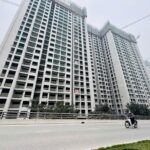
According to experts and policymakers, housing prices are rising significantly faster than income growth, necessitating macro-level interventions to regulate the market.
Elevating Living Standards in Gia Lai: A Human-Centric Urban Development Approach

In Gia Lai, the concept of a home has evolved beyond mere shelter. Residents now seek vibrant, green living spaces that seamlessly blend modern amenities with a thriving, civilized community.