














Real Estate Stability Drives Ecosystem Growth
Assessing the 2026 real estate market outlook, Hoabinh Corporation Chairman Le Viet Hai noted strong recovery signals. However, his primary focus is ensuring market safety and sustainable growth.
For 2026’s sustainable development, Hai urges regulators to swiftly evaluate the real estate market, identify risks, and implement early solutions.
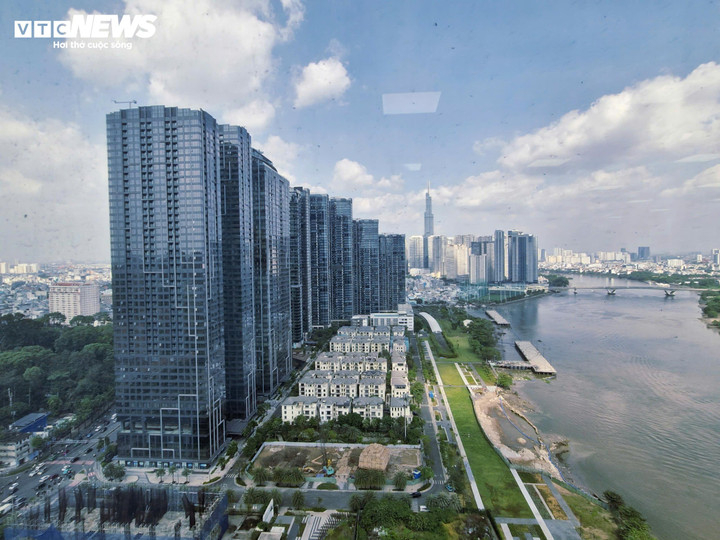
The real estate market is expected to stabilize and grow healthily from 2026.
While current proposals are reasonable, Hai emphasizes stable market growth to support related ecosystems like construction, building materials, and services.
“Avoiding market stagnation is crucial to prevent idle businesses in the value chain. Ensuring the continuous, stable operation of the entire real estate ecosystem is a top priority,” Hai stated.
He recommends focusing on four key areas: developing social housing to meet real demand, affordable commercial housing, effective urban planning, and transparent market information.
Truong Le Thi, Gamuda Land’s HCMC General Director, stresses the need for innovative thinking and market restructuring to create projects aligned with consumer needs.

Le Viet Hai advocates for stable real estate growth to benefit the entire ecosystem.
Consumers are becoming more professional and informed, which is vital for market development. Improved institutional quality and state support are also essential.
Short-Term Speculation Waves Disrupted
At the January 8th 2026 Real Estate Outlook Forum, Dr. Nguyen Minh Phong highlighted the need for comprehensive market restructuring, especially in the South.
This restructuring covers market participants, product structure, pricing, services, and regulations, aiming to enhance quality of life and adopt new technologies.
Phong identifies three key adjustment areas: developers, products, and institutions. Products will increasingly focus on real demand, quality, functionality, and smart features.
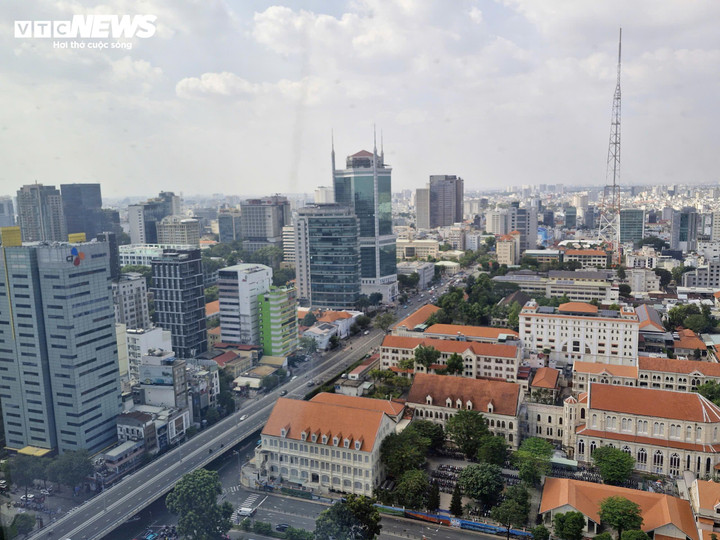
The real estate market faces comprehensive restructuring, especially post-administrative mergers.
Renewable energy homes, smart properties, and carbon credit-linked real estate will gain traction. Social housing will focus on livability, quality, and human-centric design.
The market is shifting from small projects to large-scale urban developments with integrated infrastructure, public transport, and modern living spaces, requiring capable developers.
This shift will eliminate low-quality projects, improving overall real estate standards.
Dr. Nguyen Van Dinh notes that merging 34 provinces has significantly impacted market structure, investment, and investor behavior, disrupting short-term speculation and stabilizing growth.
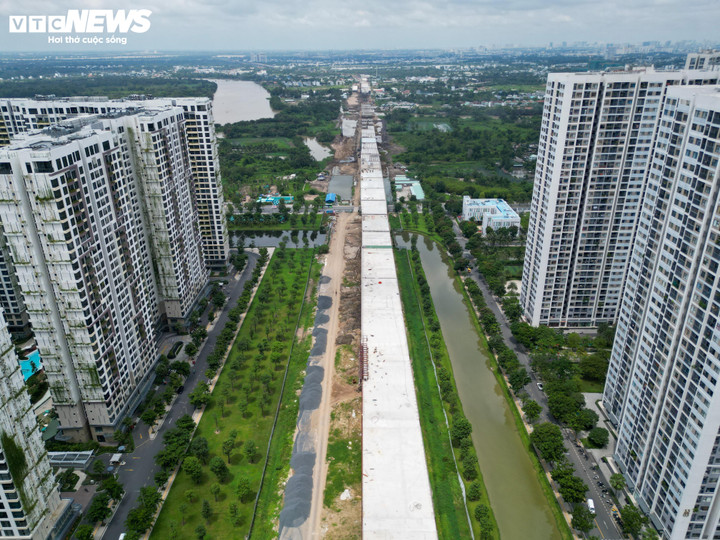
2026 offers real estate opportunities with double-digit growth targets.
Tong Thi Hanh, Director of Housing and Real Estate Market Management, highlights how growth pole shifts are reshaping economic and real estate landscapes.
Administrative changes, like centralized governance in HCMC, are altering urban, industrial, and commercial development patterns.
Strategic adjustments will significantly impact market segmentation. In 2026, opportunities arise from double-digit growth goals, flexible monetary policies, and urban development models like TODs.
Challenges remain, including high-end supply dominance, input cost pressures, and credit dependence.
“The market no longer tolerates quick profits. Future participants must be professional, transparent, and compliant within a data-driven, digital ecosystem,” Dinh emphasized.
Experts Predict Surprising “Growth Peak” in Real Estate for the New Cycle

According to Giang Huynh, Director of Research & Consultancy at Savills Ho Chi Minh City, Vietnam’s real estate market is undergoing a restructuring adjustment phase, paving the way for a new cycle of growth.
Chairman of Hoa Binh Construction Group Le Viet Hai: Real Estate Must Develop Steadily to Prevent Ecosystem Disruptions and Ensure Continuous Employment for Businesses
At the forum “Real Estate Market Outlook 2026 – Momentum for a New Growth Cycle,” organized by Construction Newspaper, many opinions suggested that the market is poised to enter a new growth cycle.
Unlocking Growth: Cà Mau’s Infrastructure Advances, Yet Urban Development Lags Behind

Cà Mau is undergoing a transformative phase with significant advancements in transportation infrastructure and urban redevelopment, paving the way for comprehensive growth. However, the local real estate market still lacks large-scale, high-quality urban developments that cater to the long-term living needs of residents, workers, and international experts based in the province.
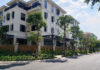
Luxury Villa and Townhouse Prices in Hanoi Surge Past $30,000/m²
In West Hanoi, villa prices remain steady at $14,000–$16,000 per square meter, with select luxury projects surpassing $30,000 per square meter. Meanwhile, in the East Hanoi area along Ring Road 2–3, terraced houses typically range from $7,200 to $8,800 per square meter, while villas fluctuate between $10,000 and $12,800 per square meter.
Unraveling the Housing Price Conundrum: A Quest for Solutions
According to experts and policymakers, housing prices are rising significantly faster than income growth, necessitating macro-level interventions to regulate the market.