Construction Materials Supply Falls Short of Demand
APEC 2027 is a pivotal diplomatic event for Vietnam and a rare opportunity for Phu Quoc to significantly enhance its infrastructure, tourism, and service economy. Alongside the billion-dollar infrastructure investments, experts predict APEC will catalyze MICE tourism, urban development, and real estate, elevating Phu Quoc’s global standing. However, a major bottleneck has emerged during the implementation of APEC 2027 projects: a severe shortage of construction materials, particularly crushed stone aggregates, essential for large-scale technical infrastructure.
According to contractor reports, the total demand for construction materials for APEC projects in Phu Quoc in 2026 is approximately 2.67 million cubic meters. This volume is primarily allocated to critical projects such as the expansion of Phu Quoc International Airport, the APEC Avenue, the APEC Convention and Exhibition Center, DT975 Road, resettlement areas, and other synchronized infrastructure. Crushed stone aggregates account for a significant portion, playing a decisive role in the foundation and infrastructure construction timelines.
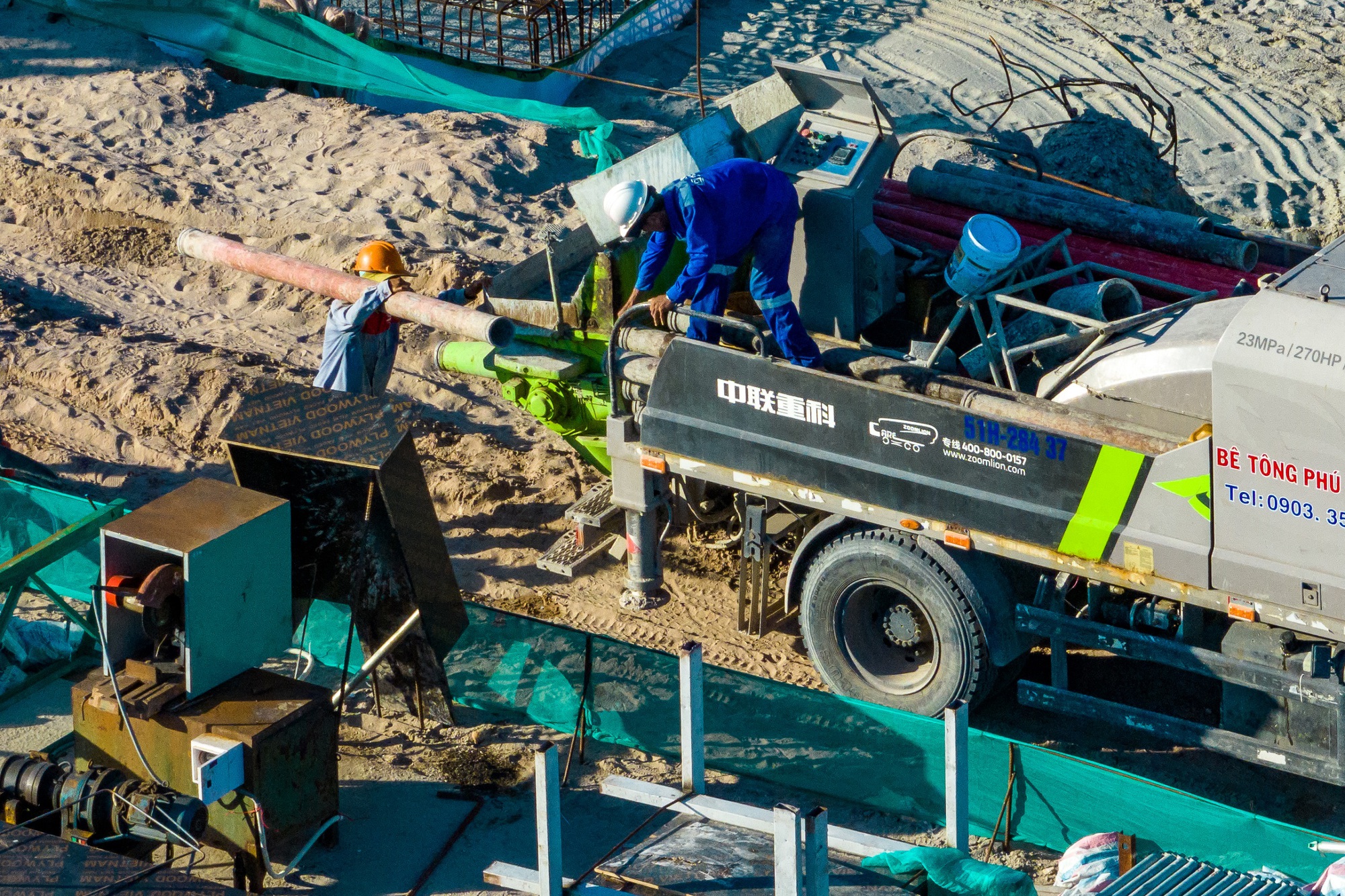
The total demand for construction materials for APEC projects in Phu Quoc in 2026 is approximately 2.67 million cubic meters.
In reality, only about 169,000 cubic meters of materials have been delivered to construction sites over the past four months, a mere 7% of the total required for 2026. The dry season from January to May is the peak construction period, demanding an average monthly output of around 360,000 cubic meters. The vast gap between demand and supply is placing immense pressure on contractors and investors to meet deadlines.
The root cause lies in the limited capacity of stone quarries, a critical bottleneck in the supply chain for Phu Quoc. The primary stone sources for the island’s projects are the Hon Soc and Tra Duoc quarries in An Giang Province. However, these quarries can only produce 2,000–3,000 cubic meters daily, while simultaneously supplying multiple projects.
Additionally, the permitted extraction reserves at each quarry are approximately 1 million cubic meters, equivalent to 1.5 to 2 years of operation. Given the massive material demand for APEC projects, these reserves offer little room for acceleration without timely adjustments to mechanisms and procedures.
Implementing Special Mechanisms is Essential
Mr. Dau Anh Tuan, Deputy Secretary-General and Head of the Legal Department at VCCI, notes that public investment has entered a phase requiring high speed and scale, but land, mineral, and construction regulations have not kept pace.
According to Mr. Tuan, 2025 saw significant legal amendments, with dozens of laws and hundreds of decrees issued. However, in practice, these laws often lack coherence, causing public investment projects to stall due to issues beyond the control of investors or contractors.
Special mechanisms allowing increased mineral reserves and extraction capacity were outlined in Government Resolution 66.4. However, local implementation has not met practical needs. Some provisions related to reserve adjustments, capacity increases, and new licensing are still under review, preventing a short-term boost in material supply.
Meanwhile, APEC projects are time-sensitive, with only 8–18 months left for completion as per An Giang Province’s Plan No. 61 for APEC 2027. The gap between policy intent and on-site execution is widening due to procedural delays.
Investors and contractors emphasize the urgent need to address quarry capacity constraints. Key recommendations include swiftly applying special mechanisms to increase reserves and extraction capacity at existing quarries, and issuing new licenses to capable companies, especially those directly involved in APEC projects, to ensure material supply.
Additionally, unified directives are needed to prioritize APEC projects in resource allocation, ensuring a significant portion of output serves national key projects. Identifying new quarries in An Giang Province is also a medium- to long-term solution to diversify supply and reduce pressure on existing sources.
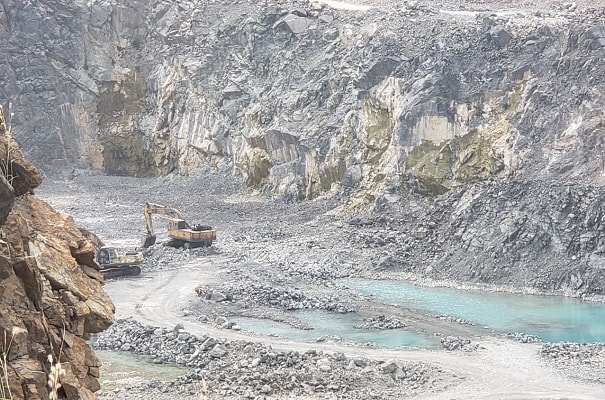
Unified directives are needed to prioritize APEC projects in resource allocation, ensuring a significant portion of output serves national key projects.
Contractors propose applying the special mechanism under National Assembly Resolution 66.4/2025 to increase reserves and capacity at Hon Soc and Tra Duoc quarries, completing procedures by January 2026. Prioritizing 80–90% of output for APEC projects, companies like Kien Giang Construction, An Phat, and Quy Hai should commit to supplying at least 70,000 m³/month/quarry.
New licenses should be issued for Hon Soc quarry, and new quarries like Co To (Tri Ton District, An Giang) should be explored. Alternative sources from neighboring provinces like Binh Duong and Vung Tau, despite higher transportation costs (7–10 days per trip compared to 2–3 days from An Giang), should also be considered.
Given the current limitations in port infrastructure and waterways, which primarily handle small vessels, increasing transportation time and costs, urgent investments in dredging, waterway upgrades, and port capacity are crucial for a seamless supply chain.
Material shortages are not new, having occurred in projects like the North-South Expressway and Long Thanh Airport. Discussing construction material shortages, Mr. Nguyen The Minh, Deputy Director of the Construction Investment Management Department at the Ministry of Construction, acknowledged that while laws have been revised to align with reality, the core issue lies in local implementation and human factors.
Firstly, a “localist” mindset persists in resource management. Although mineral resources are national assets, they are managed administratively, leading localities with quarries to retain resources for themselves, causing difficulties for regions without quarries.
Mr. Minh advocates for a unified directive to treat mineral resources as a true national asset, with quarry-rich localities sharing resources to support deficit regions.
Regarding extraction capacity, Mr. Minh urges localities to boldly increase output for large-reserve quarries. The previous practice of incremental licensing and spreading reserves over decades no longer aligns with the urgent needs of current infrastructure projects. Environmental concerns can be managed through post-extraction restoration, so increasing capacity to meet market demand should not be overly concerning. Expanding direct allocation mechanisms and public auctions will ensure transparency and supply diversity.
Viglacera Reports Pre-Tax Profit of VND 2.140 Trillion, Up 31%
The company anticipates pre-tax profits of approximately VND 2.14 trillion in 2025, marking a 31% increase compared to 2024 and surpassing the annual plan by 123%.
Prime Projects for APEC Phú Quốc 2027 Urgently Seek Clear Land
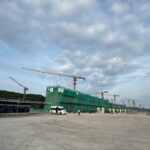
While land clearance is widely recognized as a critical, decisive factor that sets the stage for timely project implementation, the process in Phu Quoc still faces significant bottlenecks that must be urgently addressed to achieve the set goals.
Phú Quốc and APEC 2027: Driving Economic Growth Through Green and Smart Development
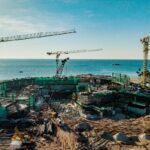
APEC 2027 is not merely a high-profile diplomatic event but a historic opportunity for Phu Quoc to redefine its global brand. To ensure this “takeoff” is more than fleeting, the island is banking on a transformative roadmap anchored in two pillars: Green and Smart. These game-changing infrastructure megaprojects are poised to reshape its future.
Minister of Public Security Works with Bac Ninh Province to Resolve Challenges for 1,950-Hectare Mega Airport Project, Urging Masterise Group to Accelerate Construction Progress
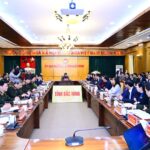
Minister Lương Tam Quang urged Masterise Group Corporation to concentrate its resources on accelerating the construction progress of the Gia Bình International Airport project’s components, aiming for completion in time for the APEC 2027 summit.
Vietnam’s 5-Star International Airport, a $8.5M Marvel 40km from Hanoi, Unveils Milestone Achievements This Month
This flagship national project, boasting international stature, is conveniently located just 40 km from Hanoi’s city center and 43 km from Noi Bai International Airport.