The emergence of well-planned model urban areas is becoming the solution to the aspirations of the younger generation of residents for a comprehensive and sustainable development environment right in their homeland.
New Gia Lai: Vast area, large population, and urban development potential
The expanding development space is driving Gia Lai towards a significant shift in population structure, infrastructure, and urban development orientation. After boundary adjustments, Gia Lai has become the second-largest province in the country, covering over 21,550 km². The province’s population, according to the latest statistics, has surpassed 3.5 million, placing considerable pressure on housing, public services, transportation, and social infrastructure.
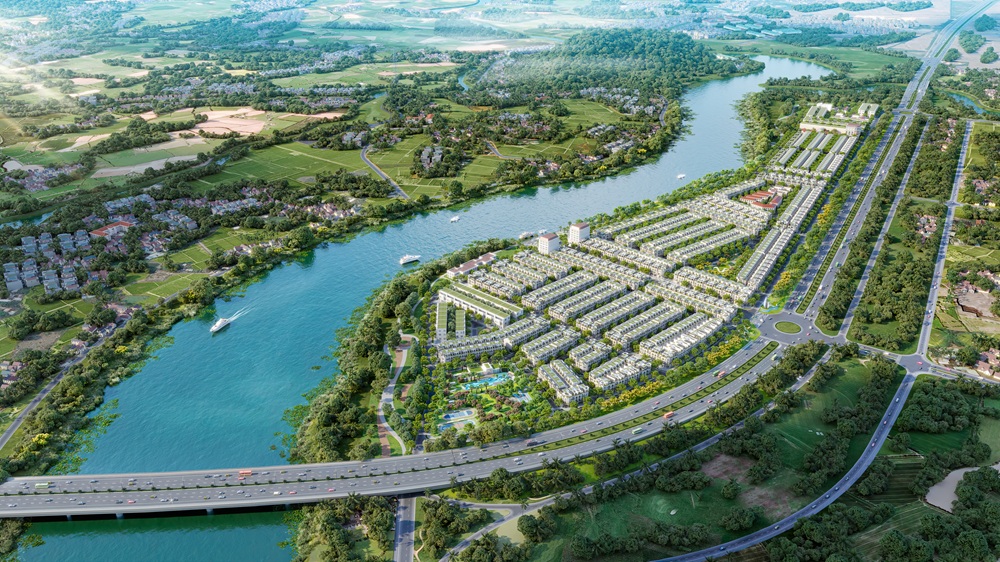
Post-merger, the demand for relocation to areas with better infrastructure and higher living standards is becoming increasingly evident.
The large scale provides ample room for development, while also necessitating a shift from a dispersed development model to a more scientifically organized and structured urban framework. In this context, all-in-one utility urban areas with transparent legal frameworks, clear functional zoning, and well-invested infrastructure from the outset are key to Gia Lai’s entry into a sustainable development cycle.
Population relocation needs & urban development
Post-merger, the trend of population relocation is becoming more pronounced. Residents from remote areas are increasingly moving to new administrative centers, where infrastructure is more integrated, and access to schools, healthcare, and services is more convenient. Today’s housing needs go beyond mere “shelter,” evolving into demands for quality living: green spaces, water bodies, clean environments, reasonable construction densities, and integrated high-end amenities within close proximity.
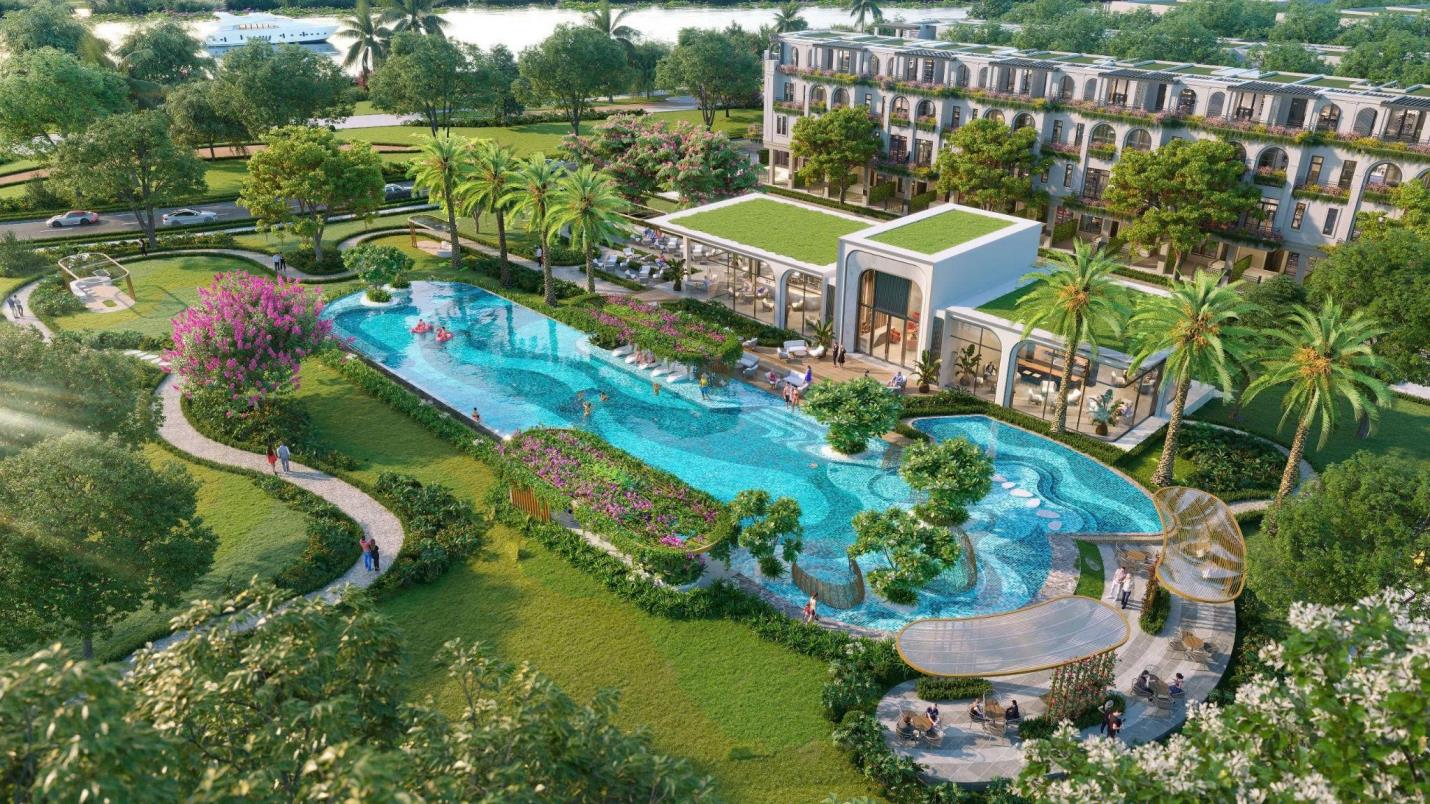
Model urban areas are the solution to Gia Lai’s planning and quality of life.
This gap is precisely where the model urban area concept can meet the demand. With its advantages of synchronized planning, seamless transportation, comprehensive internal amenities, and expansive open spaces, this model aligns with the lifestyle preferences of Gia Lai residents, who value openness, proximity to nature, and a harmonious pace of life.
Model urban areas: The key to sustainable development & smart planning
From a planning perspective, Gia Lai is gradually establishing a new urban development framework. According to the investment invitation announcement in July 2025, the province will implement 5 urban areas with a total area of over 900 hectares and an investment capital of 32,877 billion VND, with implementation timelines extending to 2031–2032 and some projects until 2040.
These figures underscore that urban development has become a pillar in the province’s socio-economic development strategy. Instead of concentrating solely on the central area, some developers are shifting to larger land plots 5–10 km from the urban core to develop model urban areas, thereby reducing infrastructure pressure and reorganizing urban space more systematically.
Investing in the future generation
A critical factor making model urban areas suitable for Gia Lai is the focus on developing the future generation. The young demographic structure is driving demand for high-quality living environments for young families, where not only housing but also schools, green spaces, swimming pools, playgrounds, and a clean environment are available. The model urban area concept allows for synchronized planning from the outset, thereby enhancing living standards and increasing the ability to attract and retain high-quality human resources locally.
Asset value growth & long-term stability
From an asset perspective, well-planned urban models are also seen as a stable value accumulation channel. As Gia Lai increasingly establishes its role on the economic map of the Central Highlands and South Central Coast regions, urban areas with clear planning, transparent legal frameworks, and integrated infrastructure typically enjoy good liquidity, attract actual residents, and tend to appreciate in value over time as regional infrastructure improves.
More importantly, this model enables the province to scientifically control the urbanization process, avoiding “overloaded centers and haphazardly developed outskirts,” while laying the foundation for a balanced and sustainable urban structure.
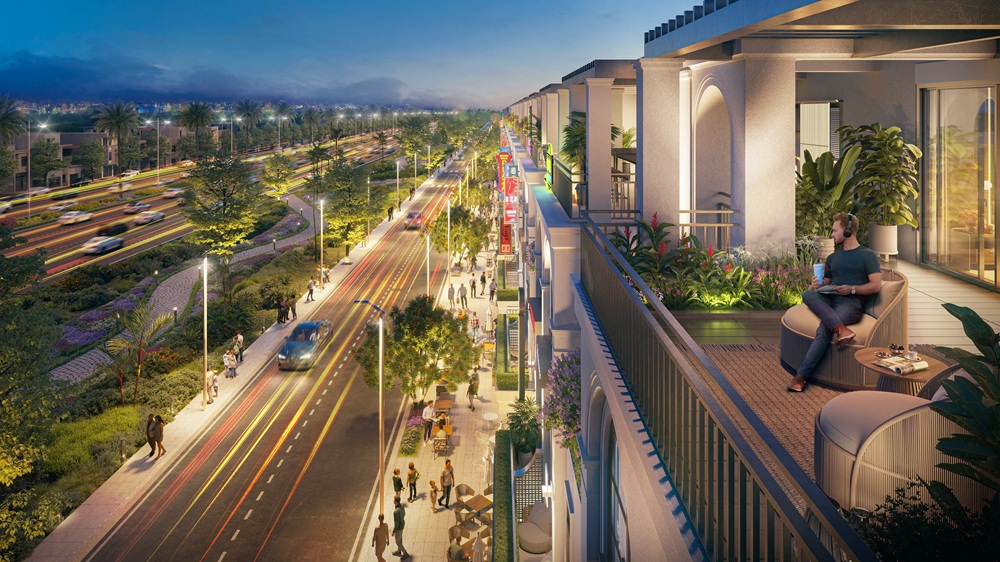
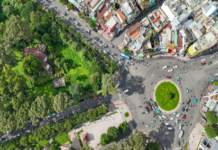
Integrated urban areas develop commercial streets, attracting both residents and investors. Photo: Quy Nhơn Iconic Urban Area on National Highway 19
The expanded geographical space necessitates a shift in Gia Lai’s urban development mindset. Model urban areas are thus becoming the foundation for a long-term development strategy, where economic growth must go hand in hand with residents’ quality of life.
Along the Gia Lai – Coastal corridor, the urban development process is showing a clear shift in how living spaces are organized: from simple expansion to systematic planning, emphasizing environmental factors, harmony with nature, and a human-centric approach. Model urban areas are expected to become the nucleus shaping Gia Lai’s urban landscape in the coming decade.
Prime Minister Directs Central Bank to Tightly Control Real Estate Credit, Preventing Speculative Capital from Distorting the Market
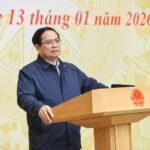
The Prime Minister has directed the State Bank of Vietnam to tightly regulate real estate credit, preventing speculative capital from distorting the market. The focus is on channeling funds into affordable housing projects, ensuring a balanced and sustainable property sector.
Billion-Dollar Dak Doa Golf Course: 155+ Hectares of 50-Year-Old Pine Forest Transferred from FLC to Subsidiary
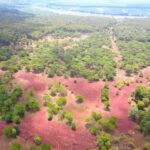
Nestled amidst over 155 hectares of lush, meticulously cultivated forestland established in 1976, Đak Đoa Golf Course stands as a testament to timeless natural beauty. Initially envisioned by FLC Group in 2021, the project faced a temporary hiatus. Recently, the venture has been revitalized under the stewardship of a capable subsidiary of FLC, ensuring the project’s progression with proven investor expertise.
Politburo Designates November 24 as ‘Vietnamese Culture Day,’ Granting Full-Paid Leave for Workers
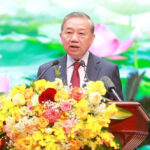
The Politburo’s resolution designates November 24th as “Vietnamese Culture Day,” an annual national holiday with full pay for workers, aimed at enhancing the public’s access to and enjoyment of cultural experiences.
Why Japan and South Korea Face Challenges While Vietnam Surges Ahead?
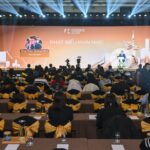
Driven by the ambition for double-digit growth, capital flows are shifting, and market confidence is surging. The vision unveiled at FChoice 2025 illustrates why Vietnam is defying the challenges faced by many other economies.
Unprecedented Milestone: Vietnamese Stock Market Achieves Historic Feat

In 2025, Vietnam’s stock market achieved an unprecedented milestone: mobilizing a record-breaking 141 trillion VND, a feat never seen before, according to Mr. Nguyễn Quang Thuân, Chairman of FiinGroup and FiinRatings.