The Hanoi People’s Committee has recently issued a plan to implement solutions for handling informal markets and spontaneous trading points. This initiative aims to address urban order bottlenecks as directed by the City Party Committee and the People’s Council.
According to the plan, by the end of June 2027, the city will complete the clearance of 231 informal markets and spontaneous trading points. These unauthorized markets and trading spots encroach on roads, sidewalks, and hotspots, impacting traffic safety and urban civilized order, causing public concern.
Clearing Informal Markets for the Common Good
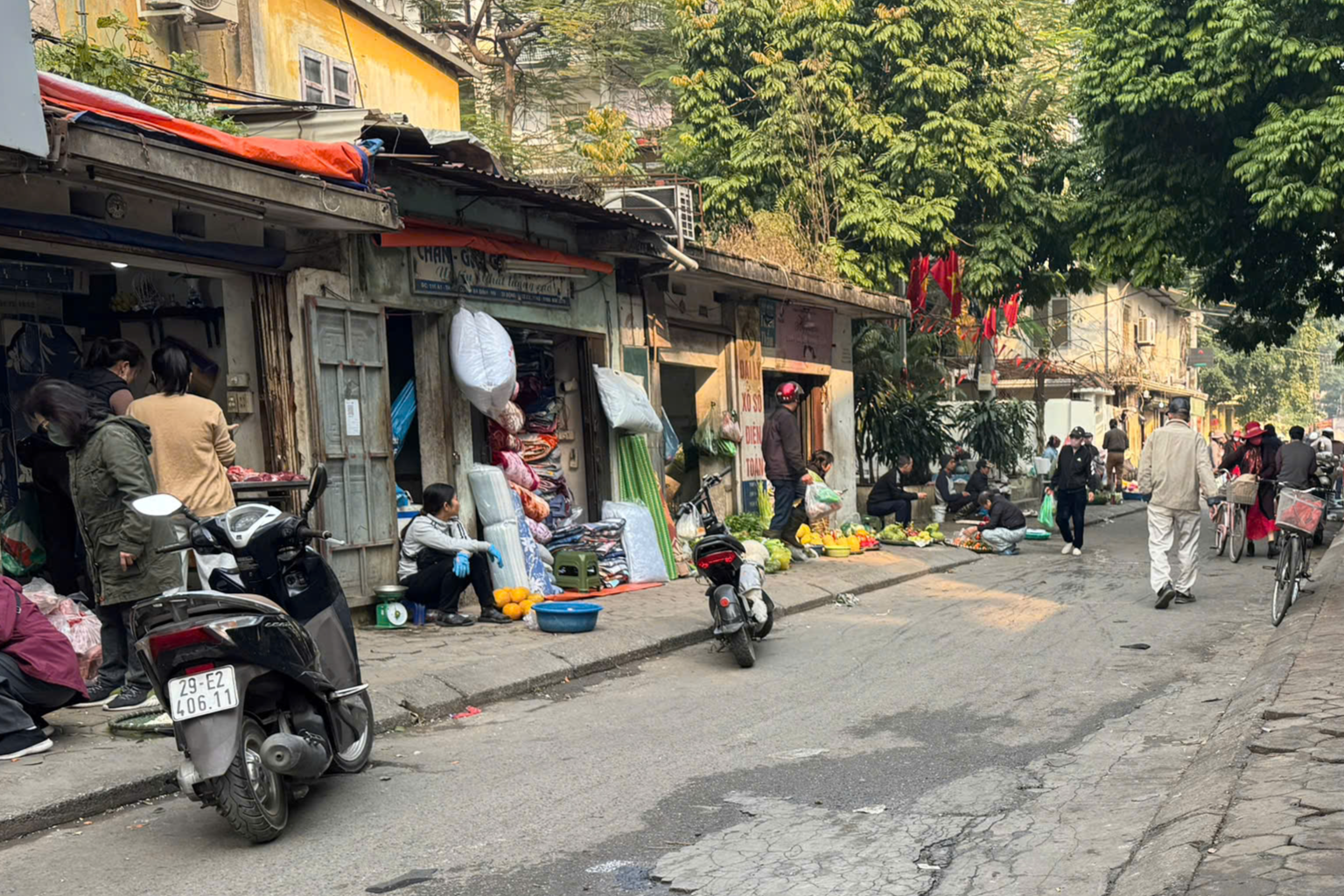
In mid-January 2026, observations at a spontaneous trading point near the Thanh Cong collective area revealed a familiar scene of informal markets with tents set up close to the road. While traders have become more conscious of neatly arranging their goods without encroaching on sidewalks, buyers often stop and park their vehicles on the road, causing traffic congestion. Therefore, the initiative to eliminate informal markets has received support from many residents.
Arranging small traders in markets with available space is considered a necessary solution, contributing to building a civilized and clean urban appearance.
Ms. Phuong Dung (Giang Vo Ward, Hanoi) shared, “Removing informal markets causes inconvenience for residents in terms of shopping and daily activities, but it is necessary to make the streets clear, clean, and more convenient for travel.”
Ms. Vu Thi Them, who has been associated with an informal market in Hanoi for nearly 20 years, expressed her concern. With the market set to be cleared by January 30th, many traders are worried as this is their main source of income, closely tied to their family’s livelihood. “My entire family relies on this shop. If the market is cleared, we don’t know what else to do. At our age, finding new jobs is difficult. We hope the authorities will provide us with employment opportunities,” Ms. Them shared.
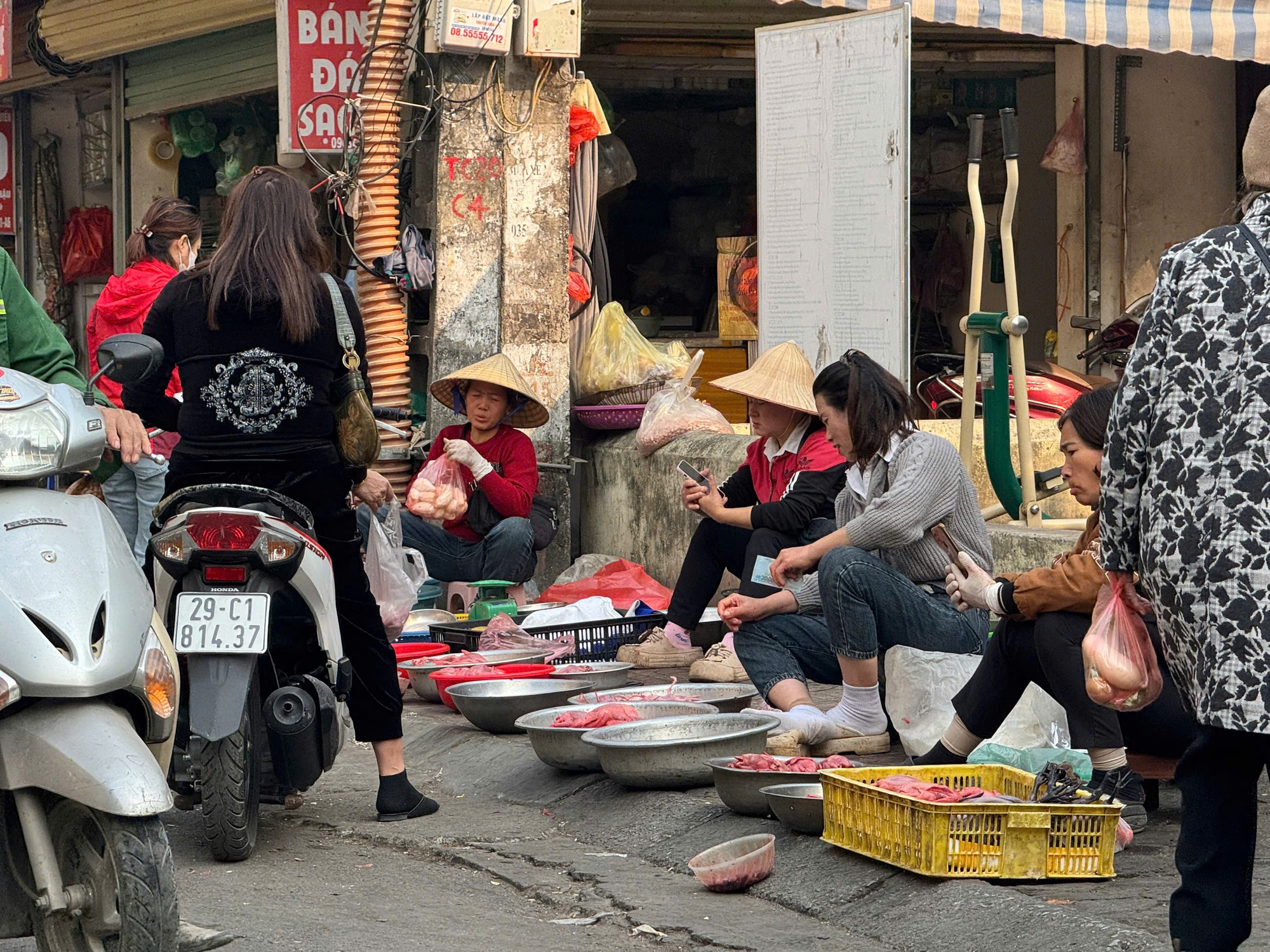
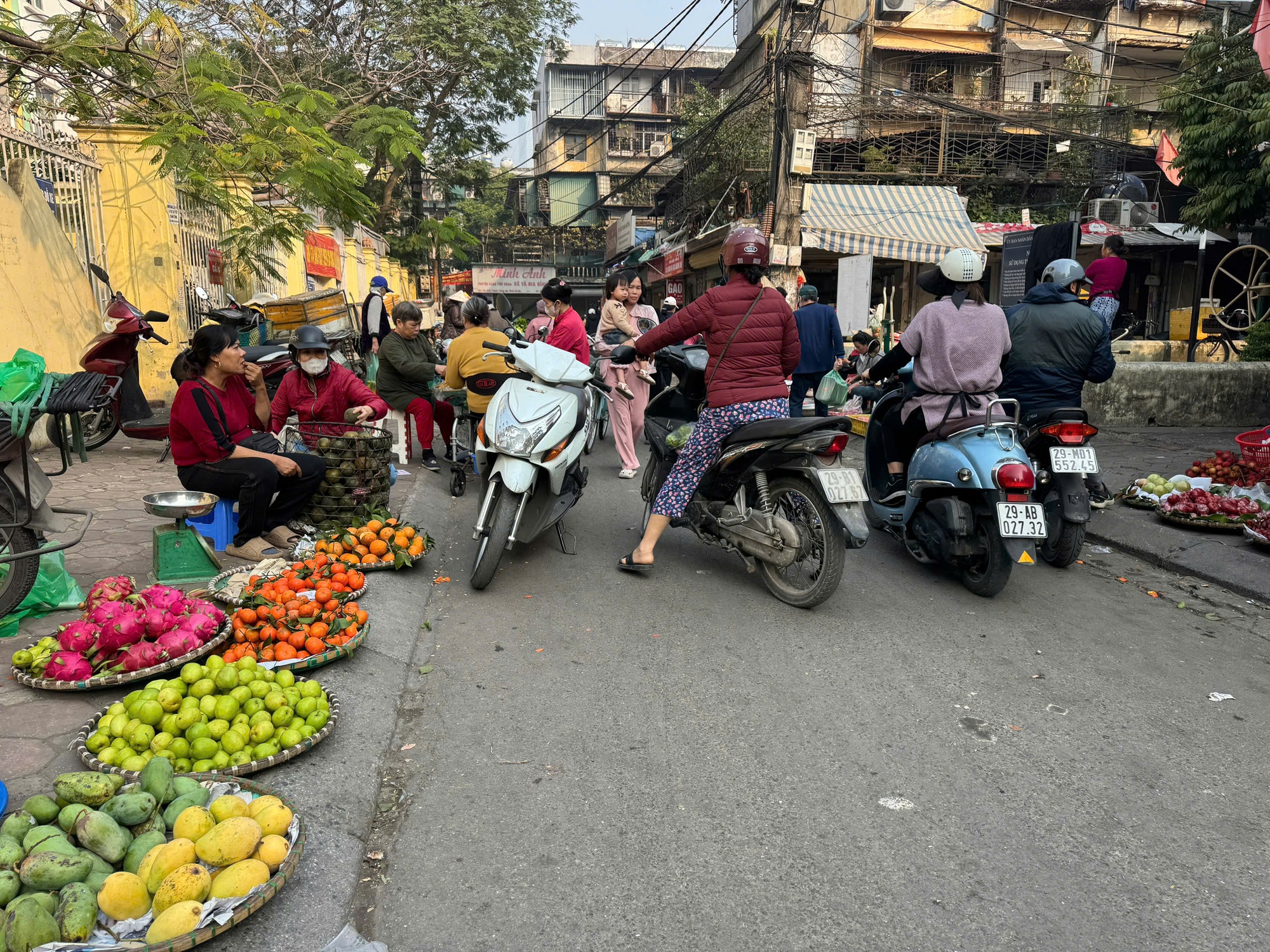
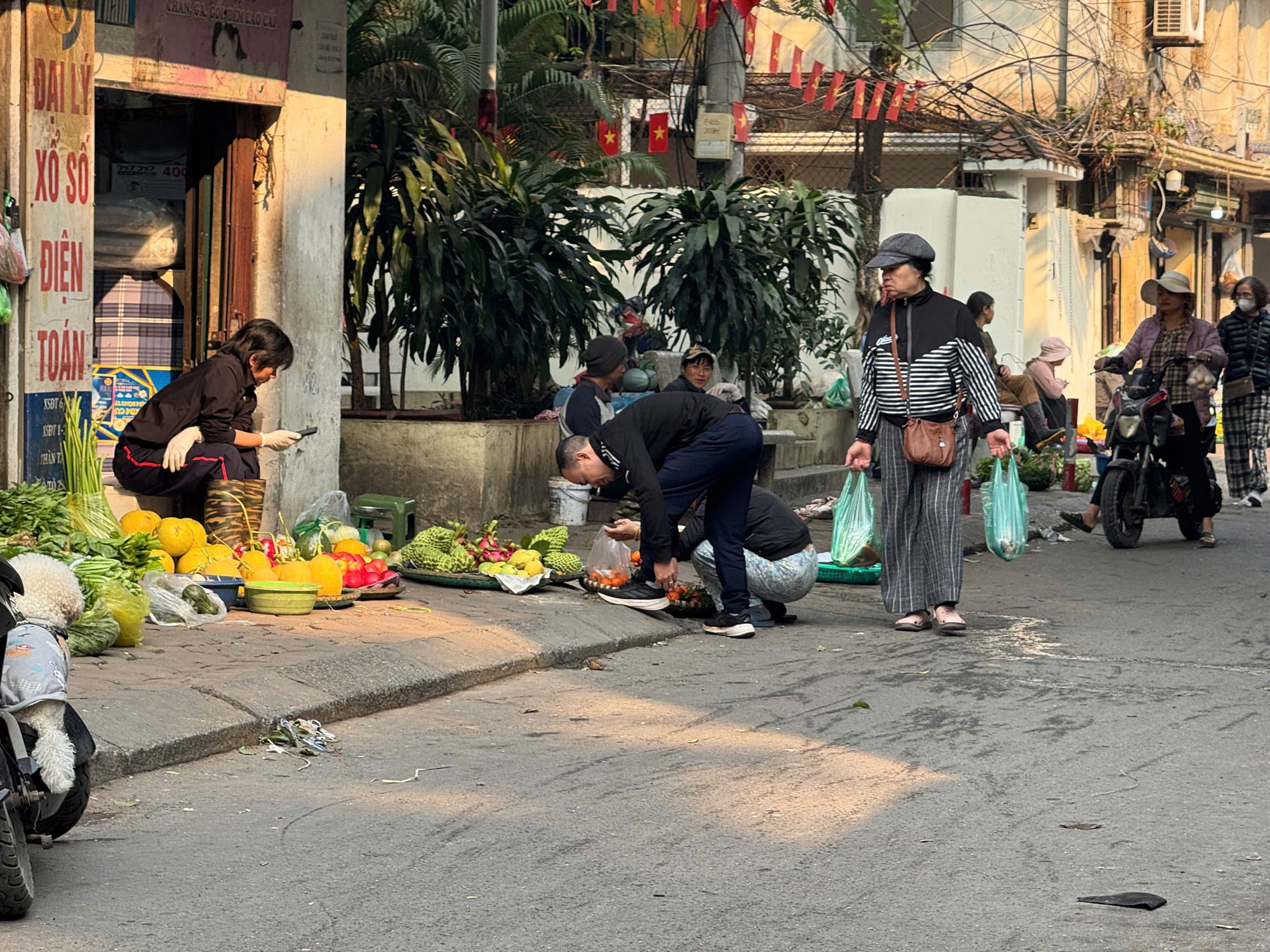
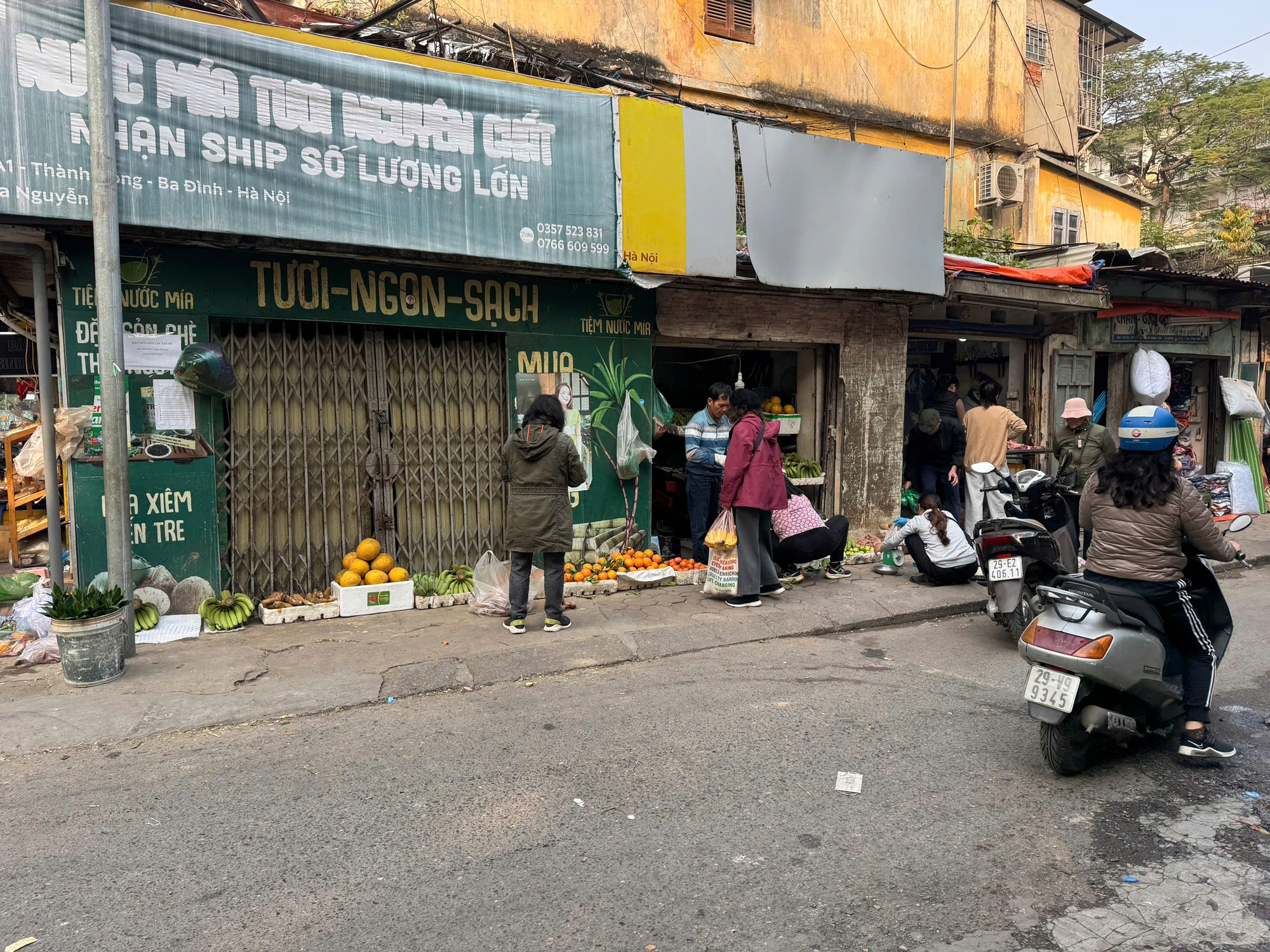
A persistent issue that has been repeatedly mentioned but not thoroughly resolved is the occupation of roads, pavements, and sidewalks by market activities.
Currently, there are still about 200 traders operating in the informal market area, mostly from neighboring areas and outskirts. Arranging small traders in markets with available space is considered a necessary solution, contributing to building a civilized and clean urban appearance.
Traders Concerned About Livelihood Issues
In recent times, Hanoi has been resolute in removing informal markets. However, the effectiveness has not been sustainable. In many areas, shortly after clearance, informal markets reappear. The informal market in Lang Ward has existed for many years, offering essential goods such as vegetables, fruits, fresh meat, fish, household items, and food. Although it doesn’t occupy much space, traders still display goods on the sidewalk for convenience in attracting customers and allowing buyers to easily view the products.
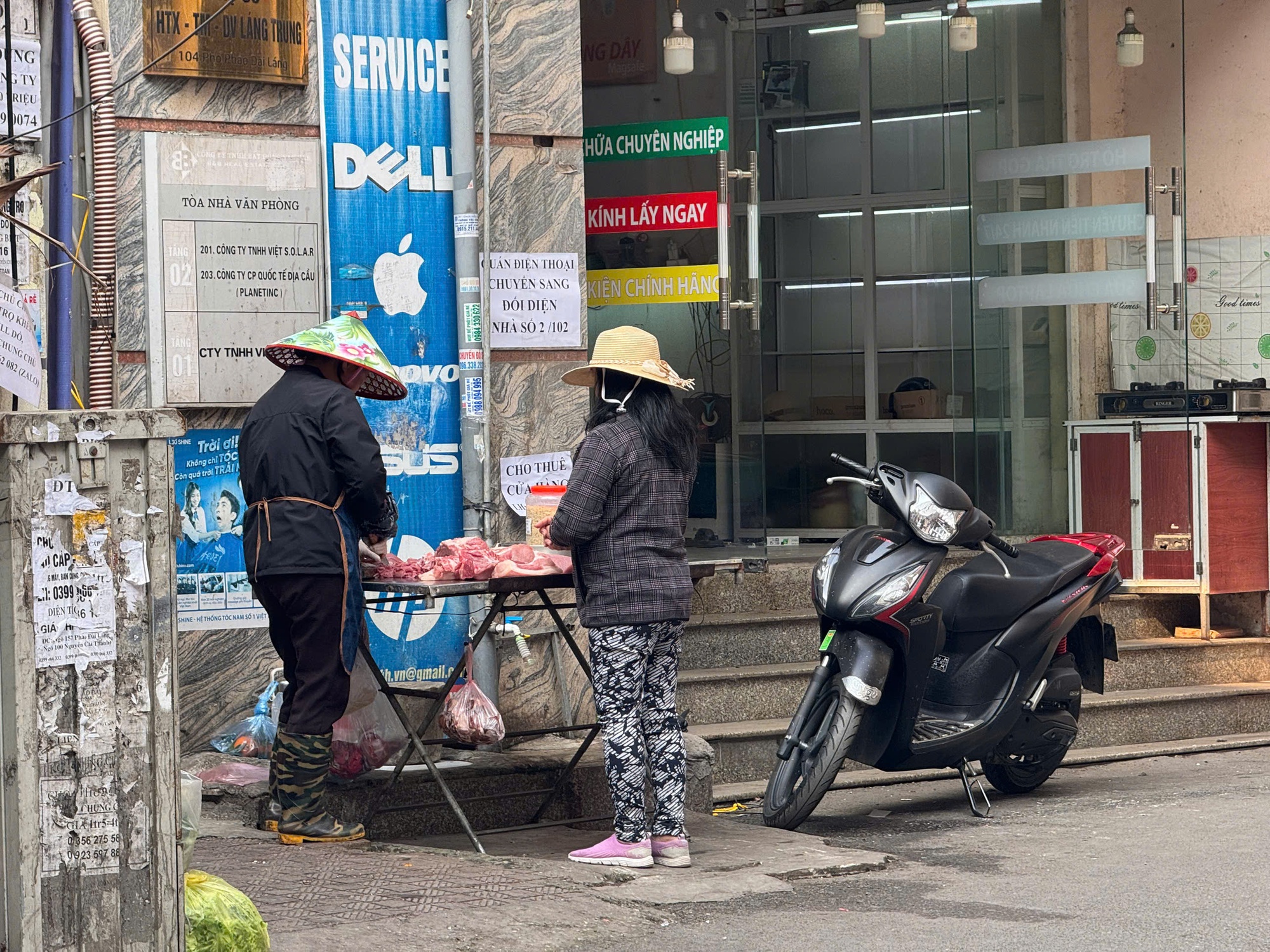
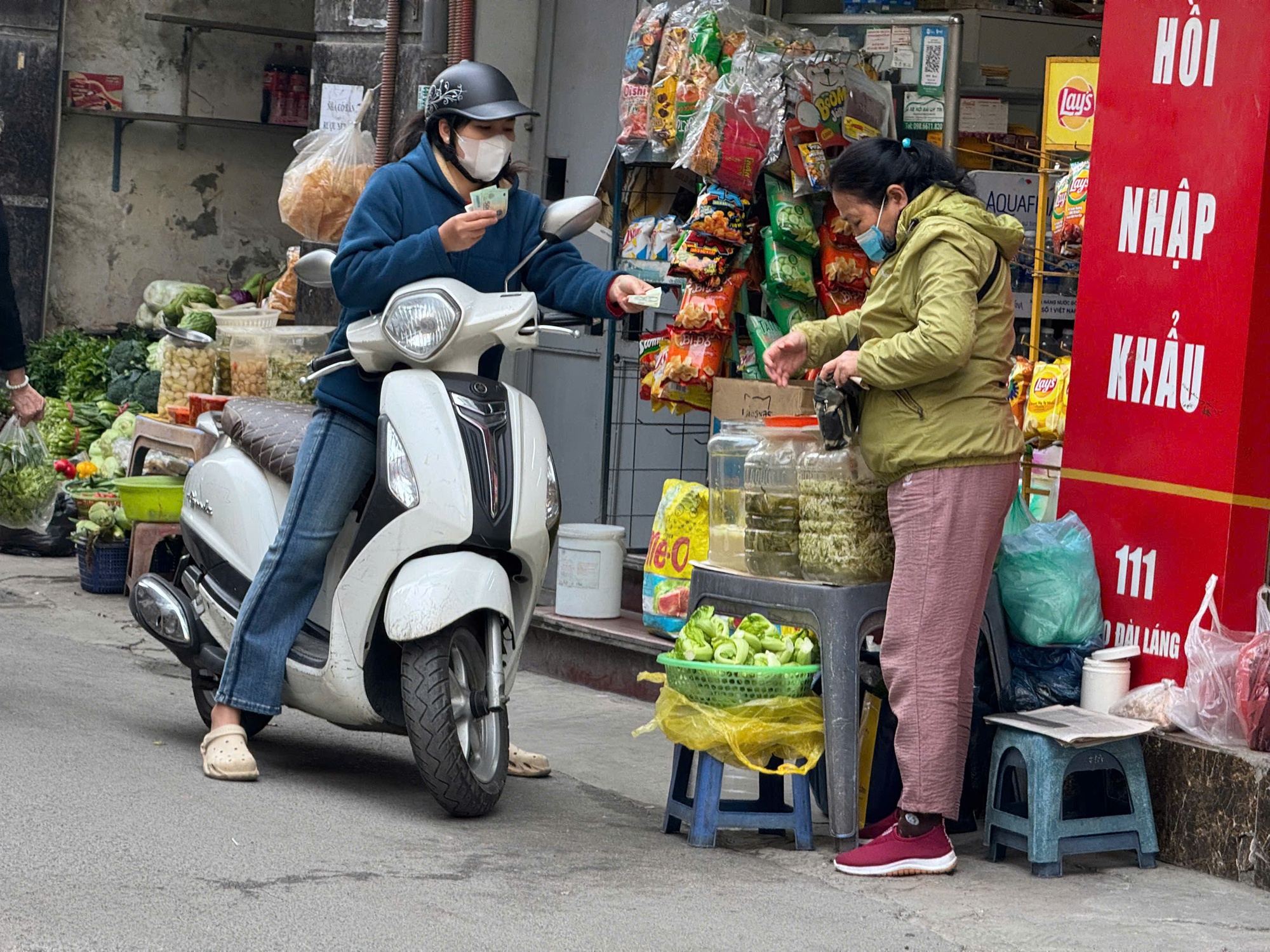
Many traders mentioned that they have been selling at the informal market for years, and despite coming from distant places, they prefer trading here due to established customer relationships. Most stalls are set up on the pavement, similar to other traders. Therefore, to some extent, trading activities here contribute to traffic congestion and negatively impact the urban landscape.
The convenience of informal markets is evident, but it comes with consequences related to security, environmental hygiene, and urban aesthetics. The reality shows that clearance and forced measures only address the surface issue, while the root cause lies in the livelihoods of the people.
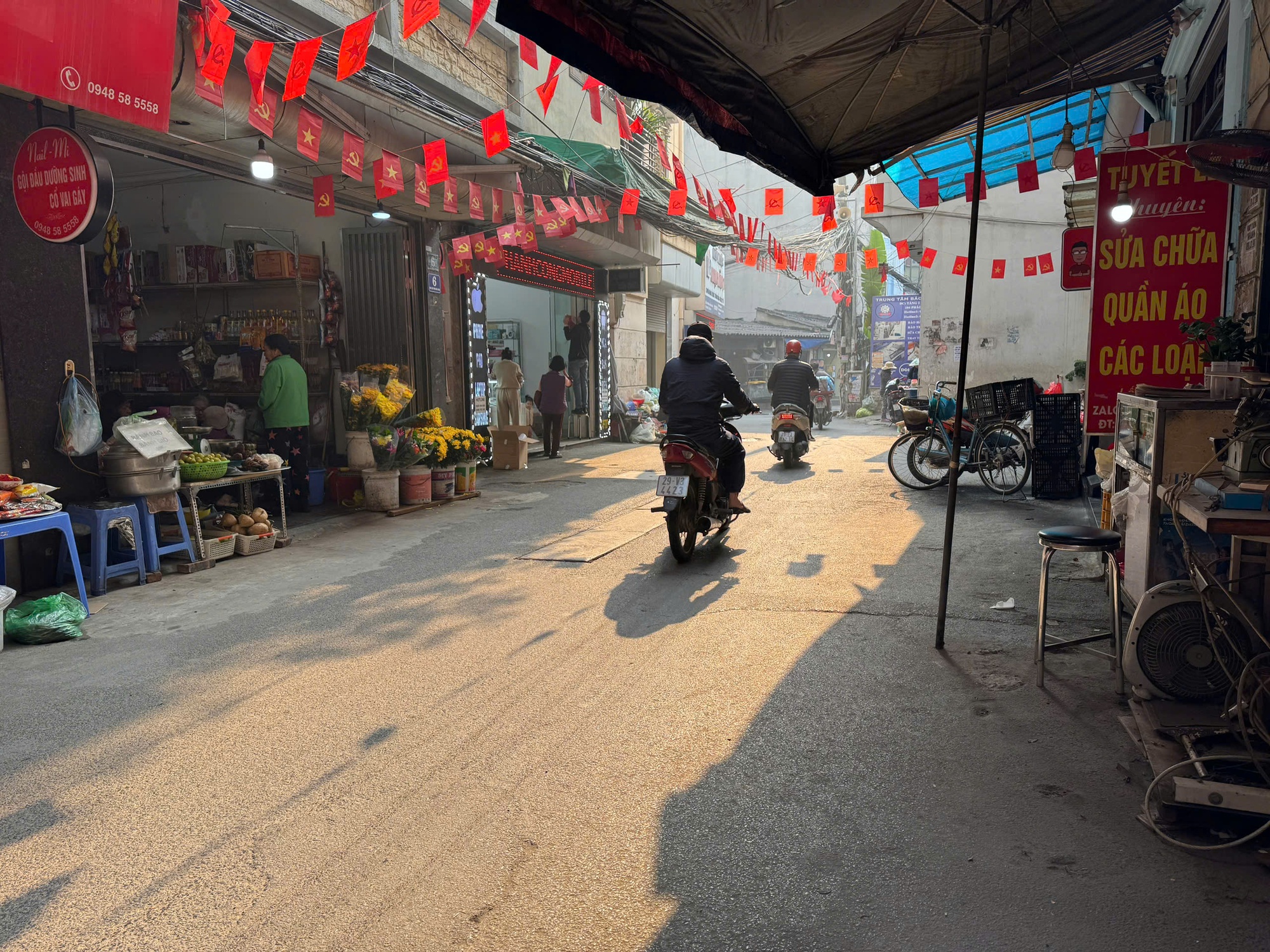
After being reminded, traders have made efforts to arrange their goods more neatly.
Ms. Do Ly, a trader in Lang Ward, expressed, “Informal markets are our daily means of livelihood. With no farmland left, children in school, and aging parents, we have to trade to make ends meet.”
Only when the relocation and arrangement of new trading locations for these businesses are given attention and implemented comprehensively can the initiative to eliminate informal markets achieve sustainable effectiveness in reality.
According to the Hanoi People’s Committee, addressing informal markets is not just about clearance but also aims to “prevent recurrence and new emergence.” Specific responsibilities have been assigned to the People’s Committees of communes and wards, requiring the synchronized implementation of measures, leveraging the role of the entire political system at the grassroots level, ensuring clarity in responsibilities and timelines.
Alongside clearance efforts, the city mandates that local authorities develop detailed plans to ensure the livelihoods of affected traders. Communes and wards must review the operational status of markets in their areas, assess occupancy rates, market infrastructure, and the capacity to accommodate additional traders. This information will be used to arrange traders from informal markets into markets with available space, in accordance with regulations.
Hanoi also prioritizes investing in market development in challenging areas, especially in communes and wards lacking markets, to meet the essential consumption needs of residents. The construction, renovation, and upgrading of markets will be carried out according to the market development and management plan for the 2026–2030 period, providing a stable foundation for traders to confidently transition to new trading locations.
According to the plan of the Hanoi People’s Committee, by January 30th, the city will complete the clearance of 75 informal markets and spontaneous trading points in Group 1. These markets and trading points encroach on roads, sidewalks, and hotspots, impacting traffic safety and urban civilized order, causing public concern.
Group 2 includes informal markets and spontaneous trading points with fewer than 50 traders. According to the timeline, Group 2 will be cleared by June 30th.
Group 3 consists of informal markets and spontaneous trading points with 50–100 traders. This group will be cleared by December 30th.
Group 4 comprises informal markets and spontaneous trading points with over 100 traders, existing for an extended period with complex characteristics. Group 4 will be cleared by June 30, 2027. These four groups collectively include 231 informal markets and spontaneous trading points.
Masterplan Approved for 5.3-Hectare Capital Buddhist Cultural Center in Bát Tràng

The Capital Buddhist Cultural Center in Bat Trang Commune, Hanoi, will feature prominent structures such as an International Convention Hall, a Reception Center, a Temple dedicated to the National Teacher, a Library, and a Museum of Buddhist Culture.
Luxury Living Turns Sour: Spending Billions on a Home Amidst Chaotic Street Markets and Food Stalls
Unplanned and lacking designated zones, makeshift stalls and informal markets have proliferated, becoming a persistent nuisance for residents who invested billions in their homes.
Which Areas in Hanoi Are Forecast to Be the “Hotspots” for Investment in 2026?

According to Mrs. Đỗ Thị Thu Hằng, areas such as Đông Anh and Tây Hà Nội are emerging as highly promising destinations in the near future, benefiting directly from the ring roads and cross-city connectivity axes. Meanwhile, the medium-term outlook is gradually shifting southward, expanding opportunities across the city.
Hydraulic Company Granted 2,600m² of Prime Land on Chùa Bộc Street for Office Use
Hanoi has granted Vietnam Irrigation Consulting Corporation – JSC the use of 2,619.2 square meters of land at 116 Alley 95/8 Chua Boc, Kim Lien Ward, for their office premises.
Vietnam’s GDP Poised to Enter Global Top 10, Predicts Kinh Bac Chairman Dang Thanh Tam

“United by our love for our nation and driven by extraordinary determination, we must collectively build and execute this plan to confidently step into the new era,” emphasized Mr. Đặng Thành Tâm.