















Developer Proposes Self-Management
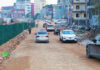
As reported by Tien Phong, the “European Vietnamese Expatriate Village” within the Mo Lao Urban Area—once renowned for its cohesive European-style architecture—has lost its original charm. Along Nguyen Van Loc Street, dozens of storefront properties have been altered, extended, and renovated without permits, transforming the once well-planned urban space into a chaotic and unsightly area.
Beyond construction violations, the sidewalks are frequently occupied by parked vehicles and street vendors, forcing pedestrians into the roadway. This not only poses traffic safety risks but also tarnishes the urban area’s image.
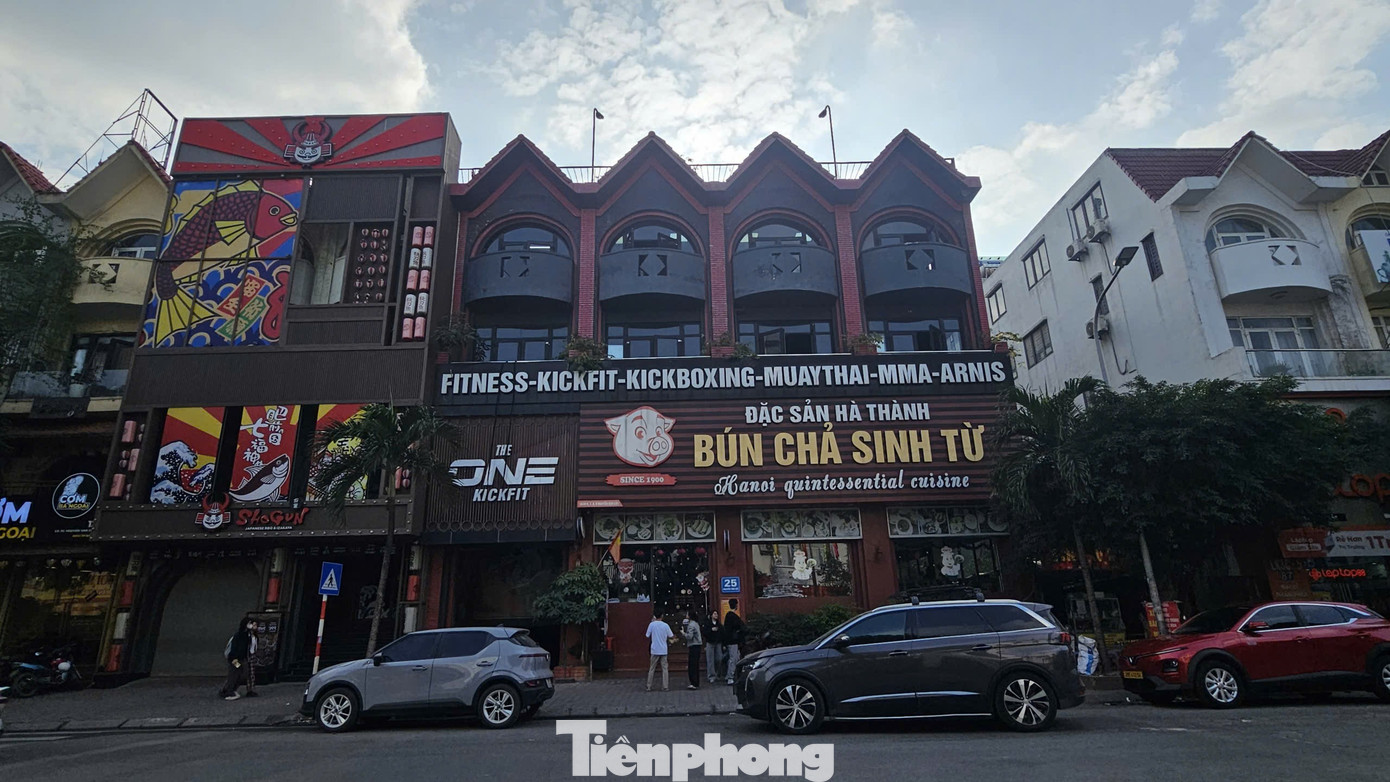
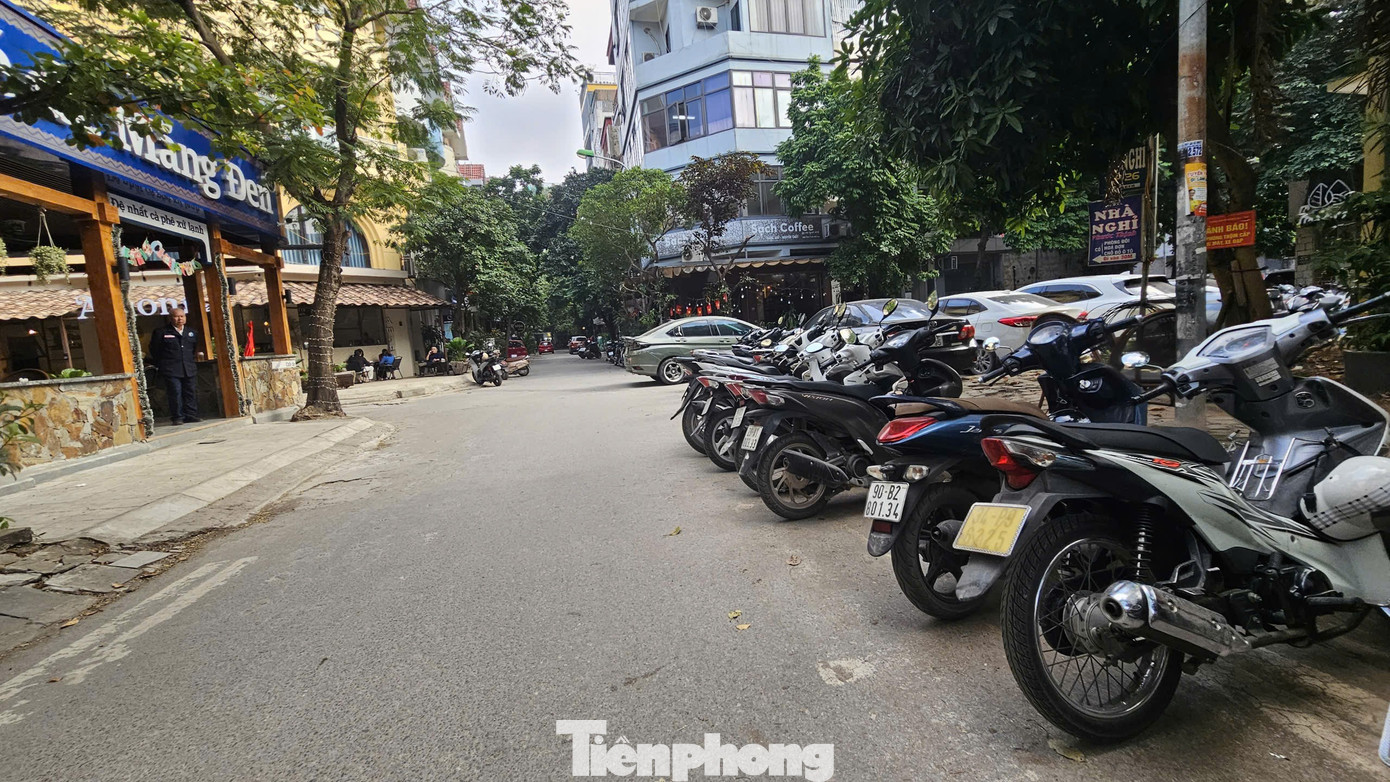
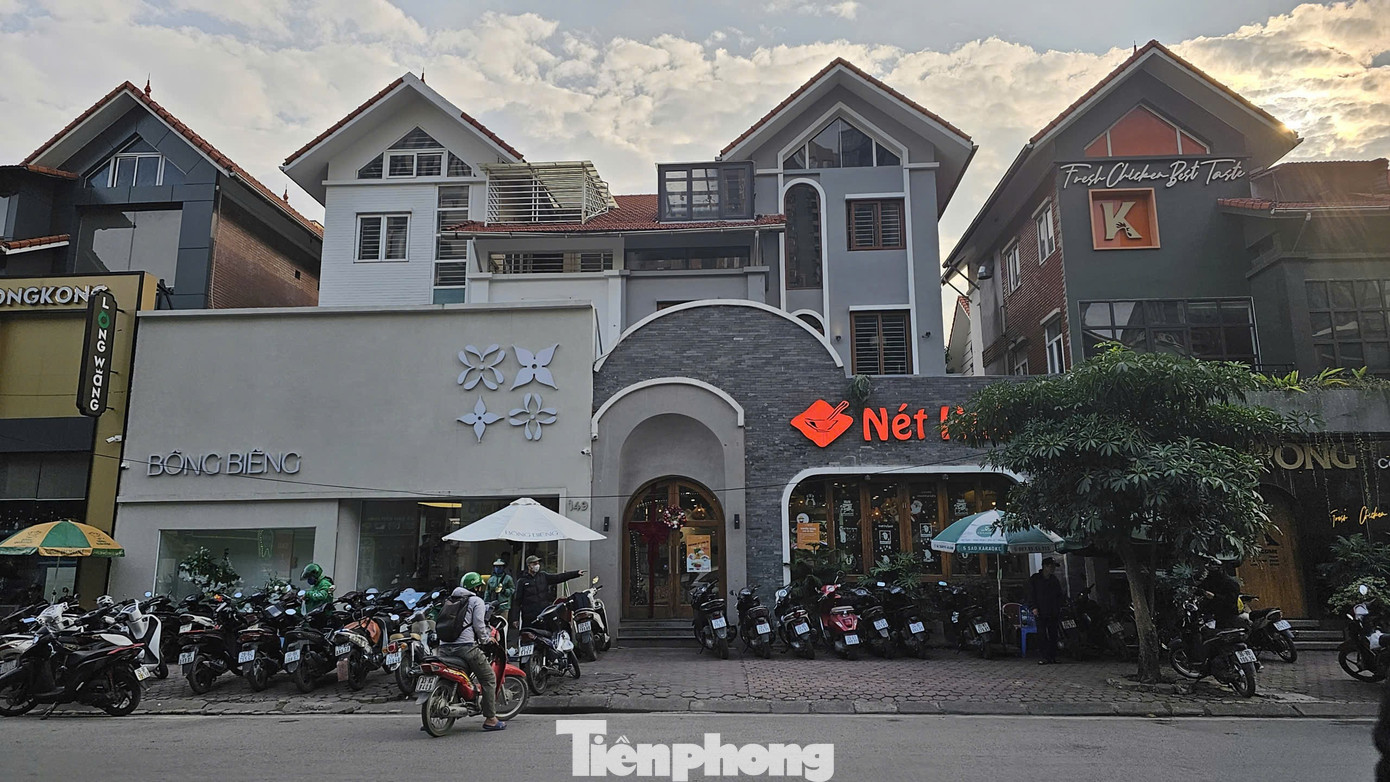
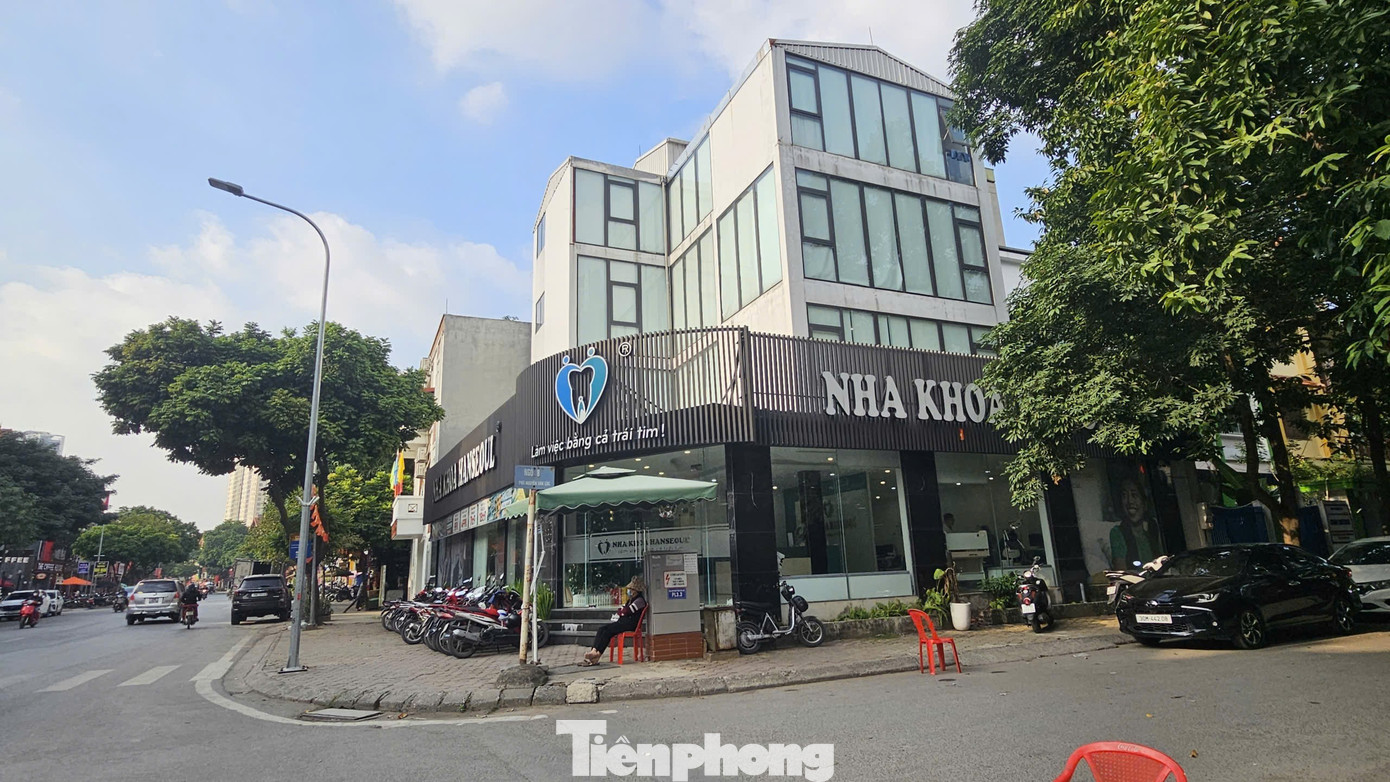
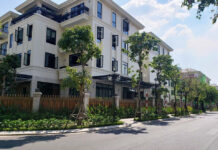
The once-prestigious villas and townhouses in the “European Vietnamese Expatriate Village” (Ha Dong District, Hanoi) have lost their original allure.
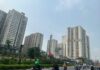
TSQ Vietnam Company stated that the European Vietnamese Expatriate Village has been in stable use for nearly 15 years. The project’s homes feature consistent exterior designs, resembling a charming European village in the heart of Hanoi.
The project includes nine green spaces and sports areas leased by the former Ha Tay Provincial People’s Committee. The company invested in and has maintained these green spaces to date.
However, after nearly 15 years, the technical infrastructure has deteriorated and requires maintenance. Additionally, unauthorized renovations by homeowners have disrupted the project’s aesthetic and affected residents’ quality of life and the project’s value.
To prevent further deterioration, TSQ Vietnam has proposed to the Hanoi People’s Committee and Ha Dong Ward authorities to directly manage the technical infrastructure, parks, and green spaces using company funds and social contributions.
The proposed management scope includes internal roads, sidewalks, street trees, gardens, and sports areas within the project.
Mr. N.V.H., a 10-year resident, expressed concern over unchecked illegal construction and sidewalk encroachment. “We need a responsible and capable management entity to address violations and restore the urban area’s integrity,” he said.
Approval Contingent on Resident Consensus
According to Tien Phong, the Hanoi People’s Committee directed the Department of Construction to review TSQ Vietnam’s proposal. On December 10, 2025, the department confirmed that the project’s infrastructure, not managed by the city, falls outside its jurisdiction.
The department advised TSQ Vietnam to coordinate with Ha Dong Ward authorities for management guidance in compliance with the law.
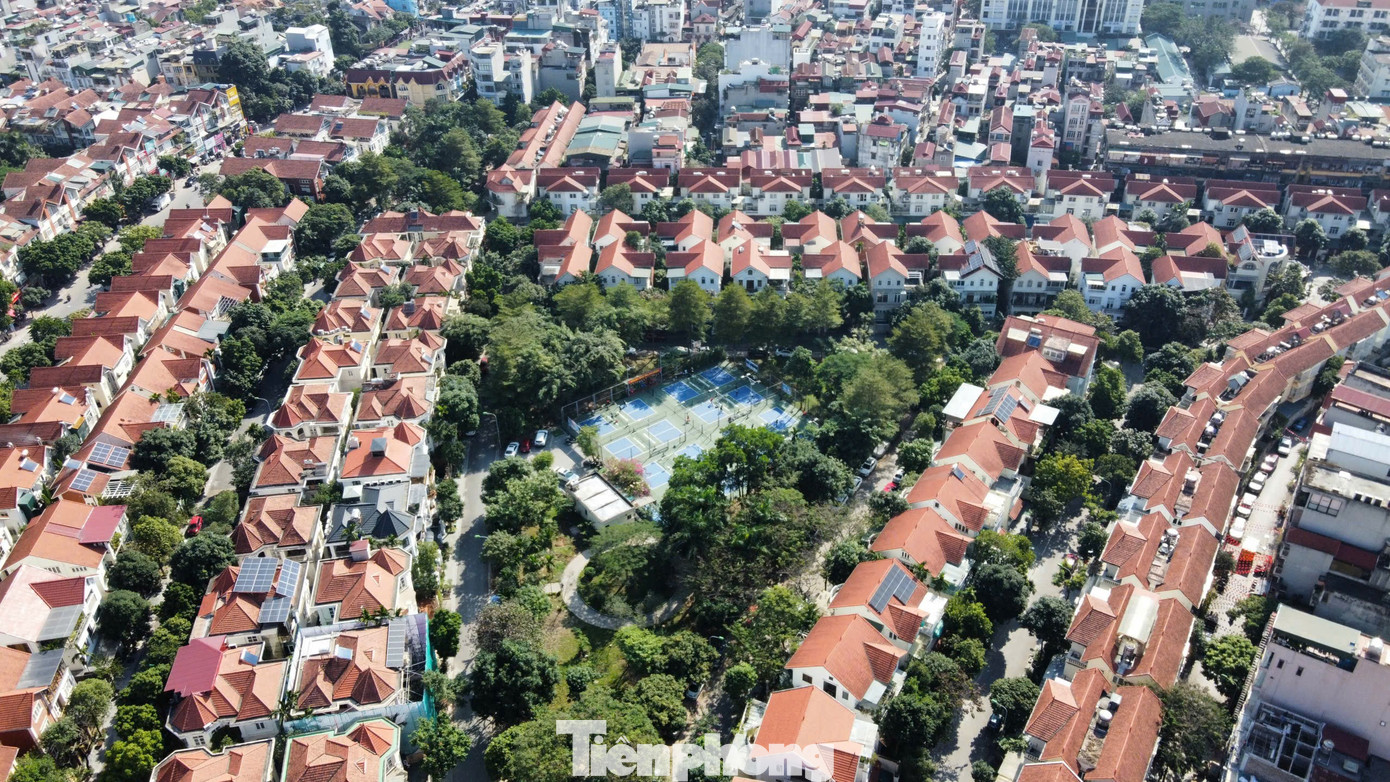
The developer of the “European Vietnamese Expatriate Village” seeks to manage its infrastructure and green spaces directly.
Ms. Tran Thi Luong An, Chair of Ha Dong Ward People’s Committee, noted that both developer-managed and locally managed urban areas have pros and cons.
She explained that competent developers can effectively manage urban areas, but many lack management experience, leading to inefficiencies.
In Ha Dong Ward, some locally managed areas like Van Khe, Xa La, and Van Quan have struggled with infrastructure maintenance, green spaces, lighting, and sanitation, falling short of resident expectations.
Regarding the European Vietnamese Expatriate Village, Ms. An highlighted the complexity of managing the Mo Lao Urban Area due to its mixed external and internal infrastructure development.
“If TSQ Vietnam’s proposal gains resident approval, local authorities will consider and facilitate its implementation,” she affirmed.
Urban planning experts note that developer self-management, exemplified by Vinhomes, can be successful if three conditions are met: professional management, resident consensus, and strict government oversight.
Red River Scenic Boulevard: Opportunities and Challenges

Unveiling a transformative vision, the Red River Scenic Boulevard project emerges as a monumental investment, boasting a preliminary budget of approximately 855 trillion VND. This ambitious initiative aims to develop a breathtaking landscape axis along the iconic Red River, promising to redefine the region’s aesthetic and economic horizons.
Hanoi Approves Detailed 1/500 Planning for Over 8-Hectare Parking Lot
Discover a prime 8.03-hectare site meticulously planned for a comprehensive parking solution. This strategic area includes 1.97 hectares dedicated to urban road infrastructure, while the remaining 6.06 hectares are earmarked for innovative project development, ensuring seamless integration and optimal functionality.
Hanoi Launches and Inaugurates Six Infrastructure Projects on December 19th

On the morning of December 17th, a representative from the Hanoi People’s Committee announced that six infrastructure investment projects will be launched and inaugurated across the city on December 19th.
Expert Recommendations on Hanoi’s Two Mega Projects

On December 19th, Hanoi broke ground on two “mega-projects”: the Red River Scenic Boulevard and the Olympic Sports City. Experts emphasize that to become engines of sustainable development, these projects require long-term management vision, extending beyond five-year terms.
The Current State of De La Thanh Road Post-Clearance for Ring Road 1 Construction

In recent days, the stretch of De La Thanh Street, from Voi Phuc to Hoang Cau, has witnessed significant transformations following the clearance efforts for the Ring Road 1 project.