




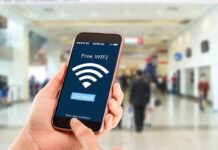







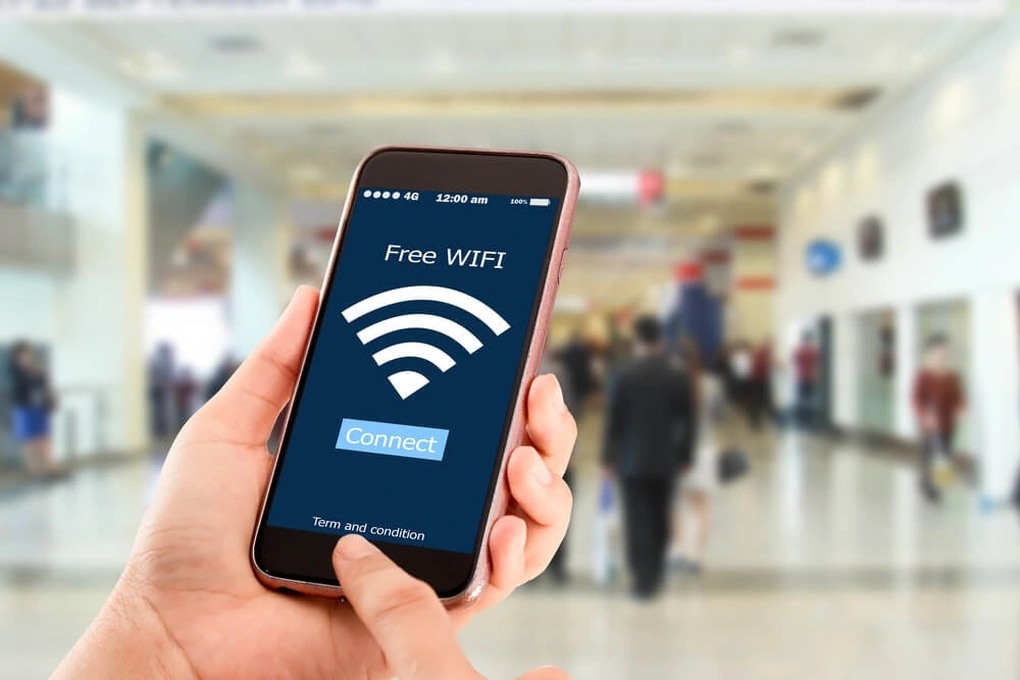
Meet Ms. Lam, a resident of Shenzhen, China, whose life took a drastic turn after a seemingly harmless visit to a bustling café. Unbeknownst to her, her smartphone automatically connected to an unsecured, password-free Wi-Fi network. Moments later, an enticing promotional SMS popped up on her screen. Assuming it was a café-sponsored offer, she clicked the embedded link without hesitation. Little did she know, this single tap granted hackers unrestricted access to her device.
Within seconds, advanced malware seized full control of her phone. Hackers silently monitored her camera, intercepted messages, accessed contacts, and—most critically—infiltrated her financial apps. Alarmingly, even her biometric security measures (fingerprint and Face ID) proved futile against this next-gen malware. China’s Cybersecurity Bureau revealed that this strain not only steals data but also records screen touches and replicates biometric signatures, enabling hackers to execute transactions indistinguishable from the user’s own actions. The result? 60,000 CNY (approximately $28,000) vanished from her account across three unauthorized transfers.

When Ms. Lam reported the incident to her bank and telecom provider, both denied liability. Authorities clarified that the loss stemmed from her clicking a phishing link—an act of user negligence—rather than a breach in the bank’s security systems. Consequently, she bore full responsibility for the financial damage.
This case underscores the escalating sophistication of cybercriminals. Hackers frequently deploy fake Wi-Fi hotspots (Wi-Fi Fishing) in public spaces like cafés and airports. Once connected, victims receive malicious links disguised as promotions, granting hackers device control.
Experts warn: If your phone overheats, lags, drains battery unusually fast, or displays random ads, it may be compromised. To safeguard finances, disable auto-connect to public Wi-Fi, avoid online transactions on unsecured networks, and never click suspicious links—no matter how tempting.
Banking App Security: Auto-Pause Functionality for Suspected Fraud Detection (1-3 Requirements)

Banks must implement robust solutions to prevent, detect, and combat unauthorized access to customers’ Mobile Banking applications.
The Light and Shadow Palette of the Banking Industry

In 2025, bolstered by newly adopted policies, the banking sector will continue to serve as a cornerstone of the economy, partnering closely with the government to provide critical support. Simultaneously, the industry will accelerate its restructuring efforts, embrace digital transformation, and enhance risk management capabilities to align with international standards.
Le Xuan Nghia: Money Transfers and Payments Leave Data Trails, Leaks Could Manipulate Markets and Destabilize Finances

At the seminar titled “Protecting National Financial Security in the Digital Age,” Lê Xuân Nghĩa, former Vice Chairman of the National Financial Supervisory Commission, warned that the world is entering a digital era where data has become both a core resource and the greatest risk.
Prime Minister Outlines “5 Pioneers,” “5 Haves,” and “5 Have Nots” for Digital Economy and Society Development

On the morning of December 20th, Prime Minister Pham Minh Chinh chaired the 3rd National Forum on Digital Economy and Digital Society Development at the Government Office. The event centered around the theme: “Comprehensive and Inclusive Digital Economy and Society Development – Achieving Double-Digit Economic Growth Targets for 2026-2030.”
Secretary General: Hanoi is Beautiful and Hospitable, but Traffic Congestion Deters Visitors

Secretary General Tô Lâm remarked that Hanoi is a city of remarkable beauty, elegance, and hospitality. However, he noted that many are deterred from visiting due to concerns about traffic congestion.