











10% of Transactions Involve Bank Loans
According to a report by the Vietnam Real Estate Market Research Institute (VARS IRE), in 2025, the market recorded over 128,000 new housing units, an 88% increase compared to 2024 and the highest level in the 2019–2025 period. The primary driver was the apartment segment, with more than 80,000 new units launched, doubling the previous year’s figure.
Notably, the supply structure is shifting significantly toward the high-end segment. Approximately 25% of newly launched apartments, equivalent to over 20,000 units, are priced above 100 million VND/m², nearly ten times higher than the same period in 2024.
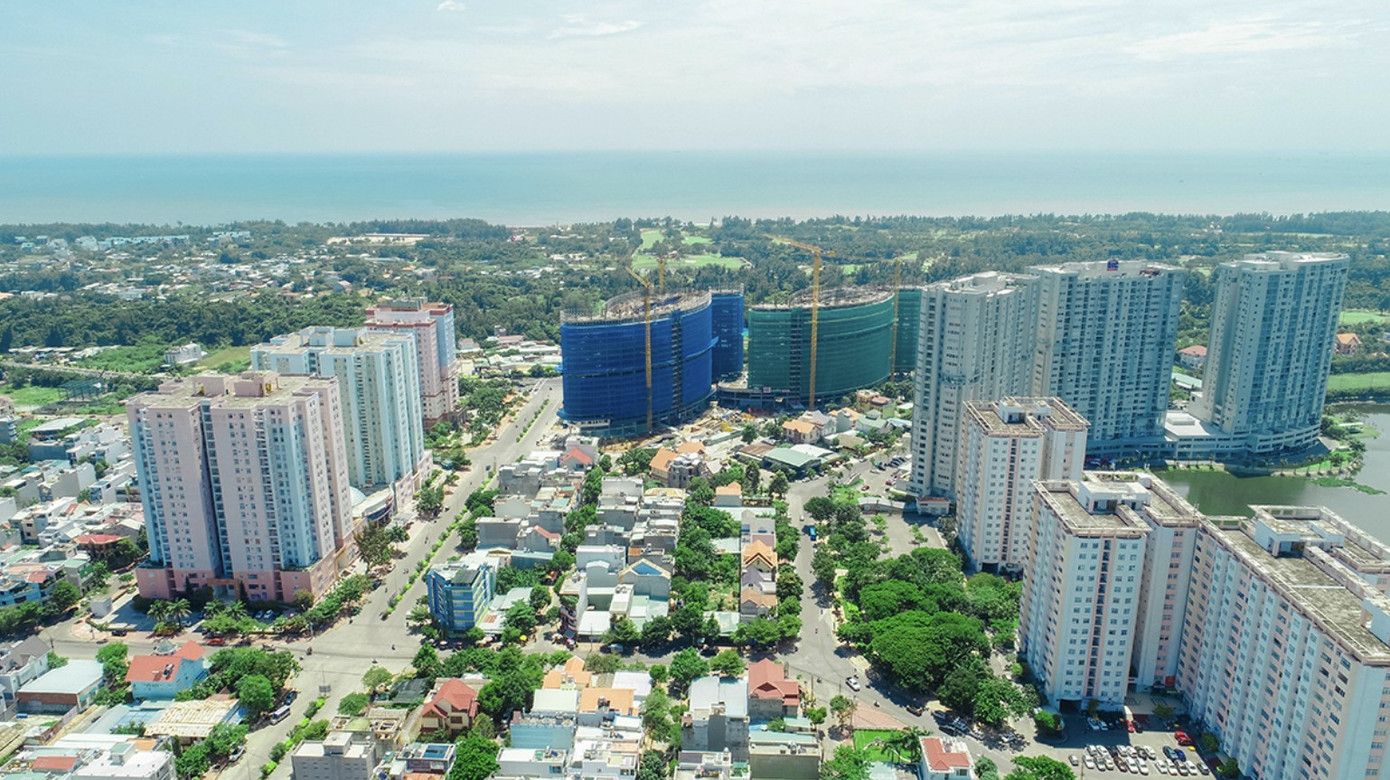
In 2025, the market recorded over 128,000 new housing units.
In Hanoi and Ho Chi Minh City (formerly), approximately 85% of new apartment supply is priced above 80 million VND/m², highlighting the dominance of high-end and ultra-luxury products amid the continued absence of affordable commercial housing.
Regionally, the supply structure continues to improve toward diversification. The Northern region leads with 48% of the national supply. The Southern region accounts for 37%, thanks to numerous projects launched after a prolonged slowdown. The Central region remains stable at 15%.
Mr. Lê Đình Chung, Vice Chairman of VARS IRE, stated that the average absorption rate in 2025 was approximately 68% of the total new supply, equivalent to nearly 88,000 successful transactions. In the first three quarters of 2025, many high-priced projects maintained positive absorption rates due to increased investment and real demand. However, in Q4/2025, this rate began to decline as new inventory surged and rising interest rates made investors more cautious.
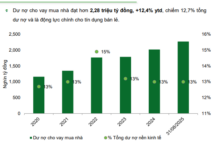
“Real demand remains crucial, but the market’s primary driver is still investment. Over 75% of transactions come from second-home buyers or more, with about 10% involving short-term financial leverage,” said Mr. Chung.
Secondary Housing Market Surges
According to Mr. Chung, residential real estate prices continued to rise across most markets. Low-rise housing and land plots saw new selling prices increase by 5–10%. In the secondary market, low-rise housing prices rose by approximately 20% year-on-year. Transactions were concentrated in projects priced between 100–200 million VND/m², located in established urban areas with residents and synchronized infrastructure. Conversely, many villas and townhouses, despite significant price increases, faced limited liquidity due to incomplete projects, poor connectivity, and lagging regional infrastructure.
“The apartment segment remains a market hotspot, with new selling prices in major cities surging as new projects position themselves in the high-end segment amid rising land-related costs,” noted Mr. Chung.
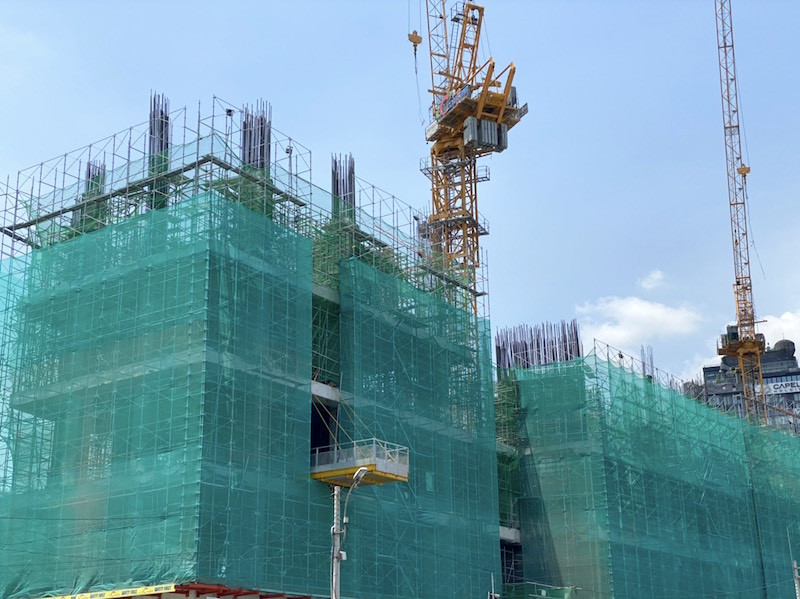
In Ho Chi Minh City (formerly), new selling prices averaged 111 million VND/m², up 23% from the previous year.
Specifically, in Hanoi, new apartment prices averaged around 100 million VND/m², a 40% increase from 2024. In Ho Chi Minh City (formerly), new selling prices averaged 111 million VND/m², up 23% year-on-year, with numerous luxury projects launched at year-end. In Da Nang, new apartment prices averaged over 83 million VND/m², a 14% increase from 2024.
In the secondary market, Hanoi saw rapid price increases over a short period. Many areas recorded jumps of hundreds of millions to billions of VND per unit, but the pace slowed by year-end, with some investors cutting losses after FOMO-driven purchases during the peak. However, prices in central areas remained stable.
In Da Nang, secondary prices rose sharply due to increased investment demand, particularly from Hanoi investors, but liquidity slowed by year-end, with prices stabilizing. In Ho Chi Minh City, apartment prices continued to accelerate, concentrated in areas with major infrastructure projects underway or planned.
In the tourism and resort real estate segment, the market showed a selective recovery. Supply quadrupled compared to 2024, with 55% absorption, but transactions were primarily in large-scale coastal urban and resort projects developed by reputable investors. Multi-functional coastal urban models, serving both residential and long-term investment needs, are gradually replacing traditional resort models.
Accelerated Infrastructure, Shifting Capital: The Sensia Redefines Urban Standards in Nghe An
The real estate market is entering a new growth cycle, marked by a significant shift in capital towards regions with robust infrastructure and strong economic foundations. Amid this landscape, Nghe An emerges as a destination brimming with potential, as a series of strategic infrastructure projects are simultaneously rolled out, unlocking long-term growth opportunities.
After Vingroup, Sun Group, T&T… Him Lam Consortium Set to Develop $470 Million Project in Tay Ninh

Truong Son Real Estate JSC and Him Lam JSC have recently released the Environmental Impact Assessment (EIA) report for the Duc Lap Residential Area project in Tay Ninh Province.
New Economic Growth Cycle Emerges as Capital Flows Shift Westward in the Capital

As Vietnam’s economy embarks on a new growth cycle, the real estate market is undergoing a transformative shift towards more selective and sustainable development. Capital is moving away from short-lived speculative trends, gravitating instead toward areas characterized by long-term planning, tangible infrastructure, and significant growth potential.
Rose Residence Sets the Pace for Hai Phong Apartments with Consecutive Price Hikes

The central apartment segment in Hai Phong is entering a new price hike cycle, driven by surging real-estate demand and limited supply. Amid this landscape, Rose Residence stands out, demonstrating its allure through tangible value, as evidenced by two consecutive price increases in Q4/2025.
2026 Real Estate Market: The End of the ‘King’ Segment Era
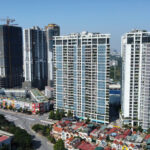
As we enter a new cycle, the 2026 real estate market is characterized by a significant surge in supply, more selective capital flows, and a clear differentiation between segments and regions. Amidst this landscape, residential property prices, particularly in the condominium segment, are forecasted to experience diverse and contrasting fluctuations.