




















This ongoing development continues to drive significant changes as businesses across both B2B and B2C sectors adapt to rising consumer expectations, digital-first strategies, and the growing role of AI and automation in commerce.
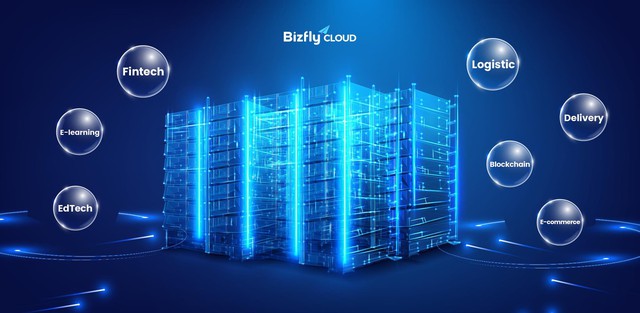
However, behind the impressive growth of the digital economy lies a common challenge faced by most digital platforms: system scalability and stability during peak times. Many digital platforms today operate on architectures ill-equipped to handle sudden surges in traffic, leading to transaction bottlenecks and service disruptions. This issue isn’t confined to a single sector but recurs across industries, from finance and e-commerce to education, logistics, and more. Identifying the root causes of these bottlenecks and selecting the right infrastructure architecture has become critical for ensuring sustainable growth.
Finance – Digital Banking – Fintech: Real-Time Transaction Processing
Modern fintech and digital banking platforms must handle massive transaction volumes, ranging from thousands to tens of thousands per second (TPS), with ultra-low latency and near-perfect accuracy. Each transaction isn’t just a technical operation but directly impacts user assets and trust. Even minor delays or processing errors can swiftly erode brand credibility.
Infrastructurally, transaction bottlenecks often arise when core components like transaction processing systems, databases, or networks fail to scale with sudden traffic spikes. Peak periods such as month-end payrolls, payment promotions, holiday transfers, or digital banking campaigns can cause request volumes to multiply within seconds. Without load balancing and auto-scaling mechanisms, requests queue up, time out, or fail.
The challenge intensifies as fintech firms must comply with stringent security standards like PCI-DSS. Downtime or data loss not only harms user experience but also triggers legal risks and high remediation costs, especially during year-end peaks.
Online Education (E-learning, EdTech): Concurrent Load and Learning Experience
E-learning platforms face unique load patterns, with large user volumes accessing the system simultaneously during fixed timeframes. Peak hours, supervised online exams, live-streamed classes, or new course launches can trigger sudden traffic surges within minutes.
Technically, issues arise when application servers, authentication systems, or databases fail to handle sharp request increases. Tens of thousands of students logging in pre-exam or submitting assignments concurrently can slow responses or cause outages. Without flexible scaling and efficient load distribution, such scenarios often lead to overloads.
For EdTech, disruptions aren’t just technical—they directly impact learner trust and institutional reputation.
Logistics & Delivery: Real-Time APIs and Data Latency
Logistics and delivery platforms rely on real-time data processing, from order intake and driver dispatch to shipment tracking. During peak seasons like year-end holidays, order volumes and API requests can spike dramatically in short periods.
Infrastructurally, bottlenecks occur when core services like order management, tracking, or integrated APIs fail to scale with traffic. Data latency can cause inaccurate order statuses or delayed driver location updates, negatively impacting end-user experience.
Blockchain: Surge Transactions and System Stability
Blockchain systems and decentralized apps must concurrently handle on-chain transactions, data queries, and multi-node synchronization. Events like token launches, NFT minting, or airdrops can cause sudden transaction and traffic spikes.
Technically, overloads happen when node counts or network infrastructure can’t sustain continuous high throughput. Transaction confirmation delays or slow blockchain queries degrade user experience and undermine ecosystem trust, especially for digital asset applications.
Common Denominator and the Role of Cloud
Despite sector differences, digital platforms share a challenge: volatile traffic patterns requiring uninterrupted, stable operations. When infrastructure lacks flexibility to scale with real-time demand, peaks quickly become bottlenecks, causing service disruptions and user experience degradation.
In this context, modern infrastructure solutions like Bizfly Cloud provide reliable foundations for digital enterprises. Cloud enables intelligent load distribution, real-time resource scaling, HA and Multi-AZ architectures, and compliance with critical standards (e.g., Bizfly Cloud’s PCI-DSS certification). This empowers businesses to proactively manage growth, ensure stability during traffic spikes, and sustain competitive advantages.

Businesses interested in Bizfly Cloud solutions can experience them for FREE and receive SPECIAL OFFERS at: https://bizflycloud.vn/
E-commerce Strategies to Overcome Peak Sale Season Transaction Disruptions

One of the indispensable pillars of any successful e-commerce system is its technological infrastructure. As an e-commerce business grows, if the infrastructure fails to scale seamlessly or handle sudden traffic surges, it can lead to the swift collapse of critical sales campaigns.
Unlock the Future of Real Estate: Ministry of Construction Promotes Online Property Transactions

The Ministry of Construction is seeking public input on a draft decree regarding the development and management of housing databases and the real estate market. Notably, the proposal encourages real estate transactions to be conducted through trading centers or electronic methods. This initiative is seen as a significant step toward enhancing transparency, improving oversight efficiency, and gradually establishing a digitized real estate market in Vietnam.
The Evolution of Pinetree Securities: A Unique Journey and its Sweet Rewards

The seismic shift from traditional investment models to a wholly digital technology platform in the securities industry has enabled Pinetree to not only make its mark in the Vietnamese market but also swiftly gain the trust of investors.
What Should Real Estate Agents Do to Avoid Being Disintermediated in the Digital Age?

“At the seminar “New Era Real Estate Brokerage: Building – Integration – Breakthrough” organized by the Vietnam Real Estate Brokers Association, industry experts painted a comprehensive picture of the real estate brokerage landscape and the challenges faced by professionals in this new era.
The E-commerce Floor and Digital Platforms: A Case for Corporate Income Tax

The government has proposed a new regulation requiring foreign businesses providing goods and services through e-commerce and digital platforms to pay taxes on their taxable income derived from Vietnam. This proposal aims to ensure that foreign enterprises doing business in Vietnam’s digital landscape contribute their fair share to the country’s tax revenue.