












The focus of Vietnam’s economic management in 2026 shifts towards a closer coordination between prudent monetary policy and targeted fiscal expansion. The growth challenge places unprecedented responsibilities on fiscal policy.
Monetary Policy: Tightening Real Estate Credit, Prioritizing System Safety
Unlike the credit boom of 2025, credit management in 2026 adopts a more cautious and selective approach.
The State Bank of Vietnam (SBV) has announced a 15% credit growth target for 2026, with a new formula for calculating credit limits based on banks’ ratings under Circular 52/2018/TT-NHNN. SBV also urges credit institutions to tightly control credit growth in risky sectors, particularly real estate, redirecting capital towards production, priority sectors, and economic growth drivers, while ensuring monetary market liquidity and system safety.
According to Prof. Dr. Nguyen Duc Trung, Rector of Ho Chi Minh City Banking University, this approach reflects growing concerns about financial system risks. Vietnam’s credit-to-GDP ratio reached 146% in 2025, a high level compared to other middle-income economies. This ratio, already at 134% in late 2024, poses systemic risks if credit continues to expand rapidly.
Maintaining credit limits remains essential, as emphasized by the Prime Minister. Removing these limits requires careful timing, as they are crucial for managing systemic risks and ensuring macroeconomic stability.

Illustrative image
Fiscal Policy: From “Support” to “Main Pillar”
With limited monetary policy room, targeted fiscal expansion becomes crucial for growth financing.
Expanding investment scale: The goal to raise the investment-to-GDP ratio from 34% to 40% by 2030 puts significant pressure on 2026 public spending.
Improving spending quality: Shifting public investment structure is essential. Currently, 80% of public investment goes to infrastructure, while core sectors like education, healthcare, and technology receive only 15%. Rebalancing this ratio is key to enhancing growth quality.
Credit rating upgrade boost: Global monetary easing and Vietnam’s potential upgrade to “Investment Grade” in 2026 will reduce government and corporate borrowing costs, positively impacting the entire economy.
Key Solutions for 2026
To achieve growth while ensuring system safety, Prof. Dr. Pham Thi Hoang Anh, Acting Director of the Banking Academy’s Executive Board, proposes:
First, harmonize fiscal and monetary policies: Monetary policy acts as a “safety brake,” maintaining macroeconomic stability and controlling inflation. Fiscal policy must be the “main engine,” stimulating aggregate demand through timely public investment disbursement.
Second, tighten credit discipline: Banks must enhance risk assessment, actively address bad debts, and comply with Basel III standards to maintain risk buffers.
Third, develop capital markets: Reduce reliance on bank financing by promoting corporate bond and transparent stock markets, offering businesses more effective long-term funding options.
Fourth, manage liquidity: Maintain stable interbank interest rates to support production without fueling speculation. Implement immediate credit limit reductions for banks violating risk sector lending ratios.
Fifth, boost public investment: With tighter credit, the government must accelerate public investment (VND 1,100 trillion) to compensate for capital shortages.
Thus, 2026 is not just about annual growth but a test of macroeconomic management for 2026-2030. Effective policy focus, tools, and coordination will determine Vietnam’s ability to achieve sustainable, high growth, paving the way to upper-middle-income status in the next decade.
Massive Capital Inflow Returns: Brokerages Highlight Stocks Poised for January Breakout
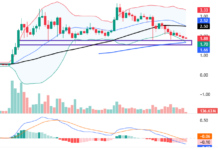
The formation of a higher low price structure indicates that institutional money has begun re-entering the market, providing crucial support and reigniting investor interest.
Preventing Overheating in Real Estate Credit

In 2026, the State Bank of Vietnam mandated that commercial banks limit real estate lending to no more than 13% of the previous year’s growth in this sector.
Price Stability: The Critical Factor Supporting the 10% GDP Target

In 2026, inflation is forecasted to stabilize around 3.5%, according to experts, driven by effective monetary and fiscal policies, alongside efficient price management. Key sectors such as food, energy, and construction materials are expected to remain steady, while exchange rates, interest rates, and logistics costs will be carefully regulated to maintain economic balance.
Silver Surges Ahead of Gold: Bao Tin Capital CEO Calls It the “Hyperactive Sibling” of Precious Metals

Silver is emerging as a standout investment channel, with prices soaring up to 175% in 2025, according to Dinh Ngoc Dung, Chairman and CEO of Bao Tin Capital. However, this meteoric rise also brings significant risks for investors.
Expert Forecast: 2026 Inflation Projected at 3.5%, Yet Caution Advised Amid Persistent Pressures
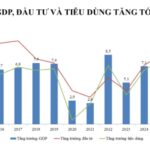
Inflation in 2026 is projected to rise above the previous year’s levels, though not dramatically. However, monetary factors, growth dynamics, and exchange rate pressures are demanding a more cautious approach in policy coordination to balance growth support with macroeconomic stability.