Lending Rates Rise by 1-2% Annually
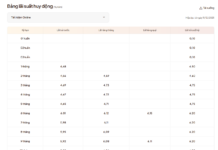
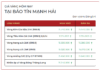
According to a survey by Tiền Phong’s reporters, multiple banks have increased lending rates by 1-2% per year compared to the end of 2025. Specifically, BacABank offers loans for car purchases, real estate, and secured consumer loans at 7-10% per year; TPBank provides home loans at a fixed rate of 8% per year for the first 12 months, with a subsequent margin of 3.3% per year; BIDV offers a rate of 9% per year for the first 18 months; SeaBank provides loans for home purchases, car purchases, and home renovations at 8.5% per year; and OCB offers personal loans at 8.29% per year.
The rise in lending rates is attributed to the continuous increase in deposit rates during the second half of 2025 until now. Currently, deposit rates have reached up to 7% per year for 12-month terms, with some banks even pushing rates to 8-9% per year.
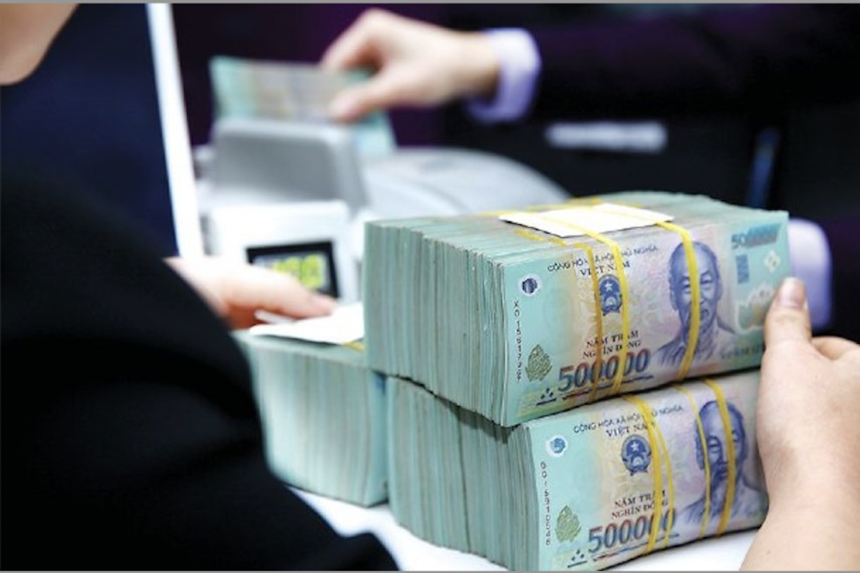
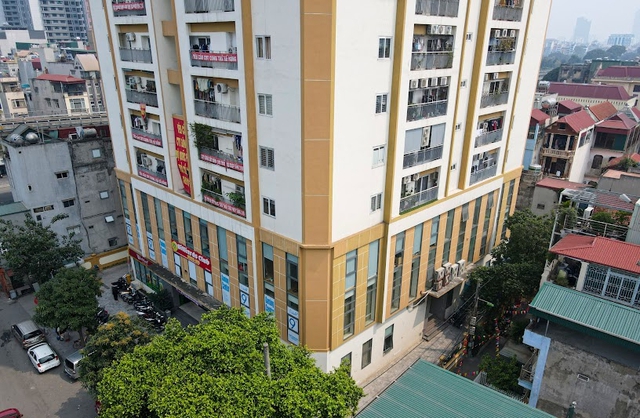
Lending rates have increased by 1-2% per year compared to 2025.
In a conversation with Tiền Phong’s reporters, Mr. Phạm Hồng Hải, CEO of OCB Bank, stated that interest rate pressures remain. The reason is that during the 2024-2026 period, credit growth is likely to outpace the banking system’s capital mobilization rate. Additionally, current fiscal policies tend to draw money out of the system as budget revenues exceed plans while expenditures are lower than expected, further straining liquidity.
“I believe interest rates will not rise as rapidly as in the recent past, but expecting rates to drop significantly or remain stable will still take time. If the government continues to prioritize macroeconomic stability, gradually reduces the role of bank credit as the primary capital channel, and promotes capital market development, interest rate pressures will gradually ease, better supporting businesses and individuals in accessing capital,” said Mr. Hải.
Challenges in Significant Increases
The rise in deposit and lending rates has raised concerns about entering a new interest rate hike cycle.
In a discussion with Tiền Phong’s reporters, Dr. Lê Xuân Nghĩa, a member of the Prime Minister’s Policy Advisory Council, suggested viewing interest rates from a macroeconomic management perspective rather than focusing on localized market fluctuations.
According to Dr. Nghĩa, interest rates are not the top priority for the State Bank; the core factor is money supply. Inflation stems from money supply, and only when inflation expectations rise do interest rates need adjustment. Therefore, the current slight increase in lending rates does not indicate a monetary policy reversal.
In principle, interest rates are closely linked to both money supply and exchange rates. When the State Bank tightens money supply, interest rates rise, and the domestic currency tends to appreciate. Conversely, loosening money supply to support growth reduces interest rates but puts pressure on the exchange rate. Thus, interest rate management is a balancing act between macroeconomic stability and economic support.

Dr. Lê Xuân Nghĩa, Member of the Prime Minister’s Policy Advisory Council.
Dr. Nghĩa believes the likelihood of raising policy rates in the near future is very low. If policy rates increase, capital costs for businesses and individuals would rise sharply, risking growth suppression amid weak demand. Central banks, including Vietnam’s, are inherently cautious, prioritizing stability over drastic adjustments.
Instead of raising policy rates, the State Bank tends to flexibly regulate through open market operations, buying and selling government bonds of various maturities to inject or withdraw short-term liquidity. This approach controls liquidity without causing interest rate shocks.
The expert emphasized that the concept of “money injection” often mentioned in the market does not equate to “printing money” but refers to the redistribution of funds within the financial system.
Another critical factor influencing interest rates is the flow of funds from the State Treasury. Currently, a significant amount of budget funds is deposited in the banking system. If the Treasury accelerates public spending and investment, these funds re-entering the economy would reduce the need to tighten money supply, thereby curbing interest rate increases.
“Interest rates may rise locally but are unlikely to form a strong upward cycle. With inflation under control and the need to support growth, monetary policy will likely remain cautious and flexible, avoiding shocks to the economy,” said Dr. Nghĩa.
Recently, Vietcombank Securities (VCBS) predicted that average lending rates in 2026 will remain low, though they may rise slightly by 0.5-0.7% compared to the previous year, with continued differentiation among bank groups.
State-owned banks are expected to continue reducing lending rates to support customers in line with government directives, with new lending rates potentially dropping by 0.2-0.3% this year.
Meanwhile, private banks’ new lending rates are forecast to increase by 0.3-1%, depending on the industry and customer segment.
This trend is driven by the growing proportion of individual loans, which carry higher rates than corporate loans, particularly the expansion of long-term home loans, thereby improving the average lending rate across the system.
Vietnam’s Economy in 2026: Navigating Tight Credit Margins and Fiscal Pivot to Drive Growth

In 2026, Vietnam embarks on a pivotal phase with the launch of its Socio-Economic Development Plan for 2026–2030, a period critical to sustaining high and sustainable growth. Amid this backdrop, macroeconomic policy management faces a complex challenge: balancing growth support with macroeconomic stability, inflation control, and financial system resilience.
Massive Capital Inflow Returns: Brokerages Highlight Stocks Poised for January Breakout
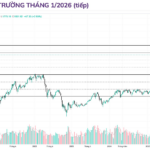
The formation of a higher low price structure indicates that institutional money has begun re-entering the market, providing crucial support and reigniting investor interest.
Preventing Overheating in Real Estate Credit

In 2026, the State Bank of Vietnam mandated that commercial banks limit real estate lending to no more than 13% of the previous year’s growth in this sector.
Price Stability: The Critical Factor Supporting the 10% GDP Target

In 2026, inflation is forecasted to stabilize around 3.5%, according to experts, driven by effective monetary and fiscal policies, alongside efficient price management. Key sectors such as food, energy, and construction materials are expected to remain steady, while exchange rates, interest rates, and logistics costs will be carefully regulated to maintain economic balance.
Silver Surges Ahead of Gold: Bao Tin Capital CEO Calls It the “Hyperactive Sibling” of Precious Metals

Silver is emerging as a standout investment channel, with prices soaring up to 175% in 2025, according to Dinh Ngoc Dung, Chairman and CEO of Bao Tin Capital. However, this meteoric rise also brings significant risks for investors.