













Discussing the real estate development prospects for 2026, experts unanimously agree that infrastructure will remain the primary driving force behind market growth.
Ms. Do Thi Thu Hang, Senior Director of Research and Consultancy at Savills Hanoi, emphasizes that the robust development of key infrastructure projects will be the most significant factor shaping Hanoi’s real estate market in the coming years. Notably, the commencement and accelerated progress of new bridges, along with the completion of ring roads and new metro lines such as Line 2 and Line 5, will play a pivotal role in expanding urban spaces, enhancing connectivity, and increasing housing supply.
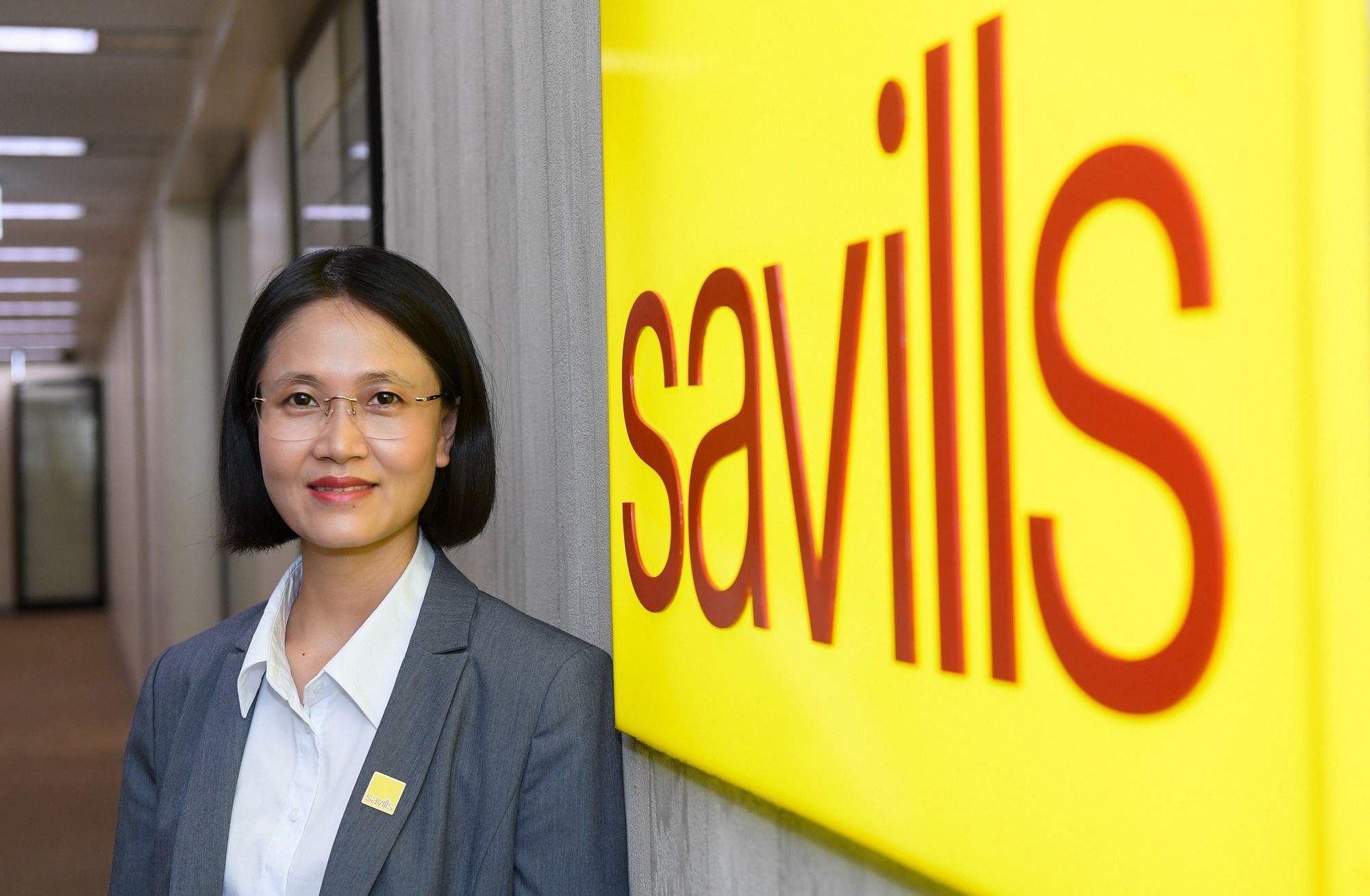
Ms. Do Thi Thu Hang, Senior Director of Research and Consultancy, Savills Hanoi
Significantly, ring roads such as Ring Road 1, Ring Road 2.5, Ring Road 3.5, and especially Ring Road 4 are progressing with clearer timelines compared to previous phases. Recent advancements in land compensation, site clearance, and infrastructure completion have been notably positive, laying a solid foundation for the housing market’s growth.
Driven by infrastructure advancements, Hanoi’s housing market outlook is expected to vary significantly by region. According to Ms. Do Thi Thu Hang, areas with early infrastructure connectivity realization will have higher growth potential.

Ms. Do Thi Thu Hang, Senior Director of Research and Consultancy, Savills Hanoi
Beyond infrastructure, each region’s prospects also depend on supply readiness. Areas where developers have completed legal procedures, prepared investments, and can swiftly launch products will have a distinct advantage in attracting both homebuyers and investors.
If more affordably priced properties are introduced, the market will effectively capitalize on demand in Hanoi. Currently, some investors are expanding their search to neighboring markets like Hung Yen, Hai Phong, Da Nang, and southern provinces.
Mr. Tran Quang Trung, Business Development Director at OneHousing, believes that the Eastern region will continue to attract investment in 2026.
According to Mr. Trung, the Eastern area’s appeal stems from its favorable natural conditions, expansive living spaces, and strategic location between the Red River and Duong River. More importantly, the region is experiencing significant infrastructure development during the 2025–2030 period.
Key projects such as new bridges, Ring Road 4, the Hanoi-Pho Hien connector, Gia Binh Airport, and large-scale sports facilities are fueling long-term growth prospects.

Mr. Tran Quang Trung, Business Development Director, OneHousing
He notes that not only Hanoi residents but also populations from neighboring industrial provinces like Hung Yen, Bac Ninh, Hai Duong, Hai Phong, and Quang Ninh are increasingly relocating to this area, fostering sustainable housing demand growth.
Mr. Vo Huynh Tuan Kiet, Residential Market Director at CBRE Vietnam, stresses that real estate in 2026 will continue to follow established trends. Infrastructure remains the critical factor shaping project development and investment trends, particularly along ring roads and accelerated urban rail systems.
Chinese Conglomerate Leader Expresses Unique Aspiration After Partnering with Vingroup on Tu Lien Bridge and Securing Major Projects in Vietnam

China’s leading construction conglomerate has set its sights on a transformative investment in Ca Mau, Vietnam, with a commitment to inject a minimum of VND 130 trillion over the next five years. This ambitious plan underscores the group’s dedication to making a lasting impact on the region’s development and infrastructure.
Hydraulic Company Granted 2,600m² of Prime Land on Chùa Bộc Street for Office Use

Hanoi has granted Vietnam Irrigation Consulting Corporation – JSC the use of 2,619.2 square meters of land at 116 Alley 95/8 Chua Boc, Kim Lien Ward, for their office premises.
What Collateral Does Novaland Offer for Its Subsidiary’s VND 2,320 Billion Loan?

Novaland’s subsidiary, Ngân Hiệp Real Estate, is the esteemed developer behind the NovaWorld Hồ Tràm project.
Seven Mega Projects by Vingroup with a Combined Investment of Over 2 Quadrillion VND

From megacities and railways to power, steel, and beyond, Vingroup’s deployment portfolio spans multiple economic sectors. A common thread unites these ventures: capital investments measured in hundreds of trillions of VND, driving infrastructure development, job creation, and visitor influx. This momentum fuels regional growth and fuels Vingroup’s ambition to shape new iconic landmarks.
VinaLiving’s First Bond Issuance: What Makes It Stand Out?

In early January 2026, VinaLiving Holdings JSC (VinaLiving) successfully raised capital through the issuance of two bond tranches, both offering interest rates exceeding 10% per annum. The company is currently 99.98% foreign-owned.