Ms. Truong Thiet Ha, Deputy Head of Economic Development Research at the Ho Chi Minh City Institute for Development, shared insights at a press conference on the afternoon of January 15, 2026.
|
According to Ms. Truong Thiet Ha, Deputy Head of Economic Development Research at the Ho Chi Minh City Institute for Development, to achieve its goals, the city must prioritize long-term policy directions for the 2026–2030 period. This includes addressing bottlenecks in urban planning and transportation infrastructure.
In terms of planning, the low quality and lack of long-term vision in some plans have led to frequent adjustments, sometimes influenced by investor interests. This has resulted in prolonged “planning suspension,” resource wastage, and fragmented development projects.
Additionally, urban gateways often experience congestion during peak hours, increasing logistics costs.
In investment, public disbursement was slow in 2025, reaching only 78% of the planned capital. Ho Chi Minh City’s total social investment accounts for just 17.4% of the national total, disproportionate to its economic scale. With a projected investment need of 3.2 million billion VND for 2026–2030, the city’s budget can only cover 30%. This necessitates a robust, transparent, and flexible institutional framework to mobilize private resources.
While foreign direct investment grew in 2025 (approximately 8.17 billion USD, up 15.8% in projects and 21.1% in capital compared to 2024), technology transfer to local businesses remains limited.
The Institute for Development notes that digital transformation faces challenges in institutions, technology, data, and human resources. Despite increased science and technology funding, inconsistent legal frameworks have delayed disbursements, impacting key decisions from Resolution No. 57-NQ/TW.
Putting People at the Center of Growth Realization
To achieve its ambitious goals, Ho Chi Minh City prioritizes human resources in all governance solutions. The city aims to build a competent, reputable, and integrity-driven public workforce, adopting modern management models with performance metrics (KPIs) to enhance accountability.
A key focus is protecting and incentivizing proactive, innovative, and bold officials working for the common good. These measures must be timely, democratic, transparent, and compliant with regulations and laws.
The city also implements policies to attract and retain talent in key sectors (e.g., high-tech, semiconductors, logistics, biotechnology, digital economy). This includes incentives for overseas Vietnamese intellectuals, offering competitive salaries, housing support, and access to research and innovation programs.
Driving Breakthroughs in Science, Technology, and Innovation
Looking ahead, the city is preparing priority policies to create momentum for 2026–2030. This involves addressing planning and infrastructure bottlenecks while boosting traditional growth drivers like consumption, exports, and investment.
Most importantly, the city aims to revolutionize science, technology, and innovation by developing strategic sectors such as semiconductors, AI, IoT, biotechnology, cybersecurity, big data, software, and digital content.
Key initiatives include launching an international innovation hub in Ho Chi Minh City, licensing 2–3 super data center projects, establishing 1–2 high-tech parks focused on core technologies, implementing the “Ho Chi Minh City – Unicorn Destination” program, and creating a PPP-based venture capital fund.
By piloting sandbox mechanisms for new economic models, Ho Chi Minh City is reinventing itself, determined to overcome challenges and maintain its leading position in the future.
– 20:23 15/01/2026
Comprehensive Residential and Commercial Fire Safety Inspections

At the regular press conference on Ho Chi Minh City’s socio-economic situation on the afternoon of January 15, Lieutenant Colonel Trần Xuân Phương, Deputy Director of the Fire Prevention, Fighting, and Rescue Police Department (PC07) of Ho Chi Minh City, reported that in 2025, the city recorded 157 fires in private residences and combined living-business properties. These incidents resulted in 15 fatalities and estimated property damage exceeding 2.3 billion VND.
Resolution 79-NQ/TW: The Institutional Catalyst for State-Owned Enterprises to Lead and Dominate

In the context of a new phase of economic development, Resolution 79-NQ/TW by the Politburo serves as a pivotal institutional catalyst, empowering the state-owned economic sector to more distinctly fulfill its leading and guiding role within the socialist-oriented market economy.
Why Ho Chi Minh City Chooses the Northern District for Its Tech Hub?
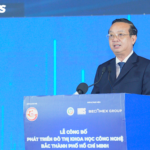
Northern Ho Chi Minh City has been strategically chosen as the hub for science and technology innovation, not merely due to its available land but also because of its robust infrastructure, thriving ecosystem, and ample room for testing new mechanisms.
THACO Secures Landmark $2.3B Metro Line Contract in Ho Chi Minh City, Outbidding Industry Giants Like Dai Dung, Hoa Phat, and Deo Ca
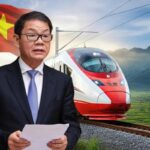
The Ho Chi Minh City Urban Railway Management Board has selected THACO as the main contractor for the EPC package on the Bến Thành – Tham Lương section of metro line number 2.
Ho Chi Minh City Establishes Appraisal Council for Can Gio Sea-Crossing Road Project

The Ho Chi Minh City People’s Committee has established an Appraisal Council for the feasibility report of the Can Gio – Ba Ria – Vung Tau (former) sea-crossing road project, proposed under a Public-Private Partnership (PPP) model.