Southeast Asia is entering a transformative era. Amid global supply chain restructuring, the rapid expansion of the digital economy, and the rise of sustainability as a competitive advantage, Vietnam emerges as one of the region’s most compelling growth stories. Poised to play a pivotal role in shaping ASEAN’s future trajectory, Vietnam stands ready to lead.
Transitioning from a manufacturing and trade-based economy, Vietnam is now pivoting toward high-value sectors, digital innovation, and services. This rapid growth has heightened the demand for leadership and management capabilities, yet a gap persists between market requirements and the current workforce’s skill set.
In an interview during his visit to Hanoi, Professor Andrew K. Rose, Dean of NUS Business School, noted that Vietnam’s transformation mirrors ASEAN’s broader shift. Economies are moving away from rapid industrial growth toward models driven by innovation and knowledge.
To sustain this momentum, Professor Rose emphasized the urgent need for a new generation of business leaders. These leaders must grasp regional trends, capitalize on cross-border opportunities, and bridge public policy with private sector innovation.
“Vietnam’s robust economic growth, rising foreign investment, and the emergence of a resilient middle class are reshaping domestic demand. Beyond speed, Vietnam’s economy is maturing. For Vietnamese organizations to thrive in the next phase, leaders must navigate regional trends, identify new opportunities, and leverage international connections. They must also maintain agility, a global perspective, and deep local insights to compete in an increasingly fierce global arena,” Professor Rose stated.
As a central hub for Asia’s trade flows and capital, and renowned for its world-class higher education, Singapore serves as a gateway for Vietnamese talent to expand regionally.

Professor Andrew K. Rose, Dean of NUS Business School
Professor Rose highlighted that most Vietnamese participants in NUS Business School’s MBA and leadership programs are mid- to senior-level managers aspiring to regional roles. Many leverage the school’s leadership expertise and network to advance in consulting, technology, and regional corporate headquarters.
The MSc in Finance program also attracts young Vietnamese professionals, reflecting growing demand for advanced financial expertise to support Vietnam’s development in capital markets, corporate finance, and regional banking.
NUS Business School continues to enhance accessibility through scholarships and financial aid. Vietnamese MBA candidates may qualify for awards such as the NUS MBA ASEAN Scholarship, NUS ADB–Japan Scholarship, and merit-based grants.
The school has partnered with Vietnamese organizations to strengthen leadership capabilities through executive programs. Since 2023, Vietnamese business leaders have enrolled in initiatives like the Stanford–NUS Executive Program and courses in Strategic Innovation, underscoring the growing demand for regionally relevant, globally minded leadership development.
These collective efforts demonstrate the alignment between Vietnam’s development priorities and NUS Business School’s mission to cultivate Asian leadership. As Vietnam embarks on its next growth phase, NUS Business School’s programs stand ready to bridge talent gaps and empower Vietnamese organizations to achieve regional and global aspirations.
Rare Million-Dollar Spice in Global Demand: Vietnam’s Abundant Harvest Generates $33 Million, Sought by 31 Countries
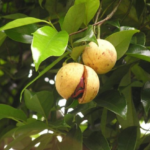
Vietnam exported over 4,000 tons of this rare commodity in 2025.
Vietnam Welcomes Positive News from the World’s Largest Rice Importer

The Philippines is set to import 3.6 million tons of rice, with Vietnam expected to supply 75% to 80% of this volume.
The 2025 Non-Financial Corporate Capitalization Landscape: New Records and a Historic Shift in Leadership
The unprecedented surge of Vingroup’s ecosystem marked a pivotal moment in the 2025 market capitalization rankings, reshaping the power dynamics among non-financial conglomerates.
Countdown to Launch: $2 Billion Mega-Project Set to Revolutionize Vietnam’s Logistics Landscape in 5 Days
Unveiling a sprawling 172.6-hectare masterpiece, this project redefines grandeur on an unprecedented scale.
Sun Group Selected as Investor for Rạch Chiếc National Sports Complex Project in Ho Chi Minh City
On January 15, 2025, the Ho Chi Minh City People’s Committee and Sun Group jointly held the groundbreaking ceremony for the landmark infrastructure project—the Rạch Chiếc National Sports Complex. With a total investment exceeding 145 trillion VND, the project’s centerpiece is a state-of-the-art stadium accommodating up to 70,000 spectators, featuring a retractable roof and one of the most advanced climate control systems in the world.