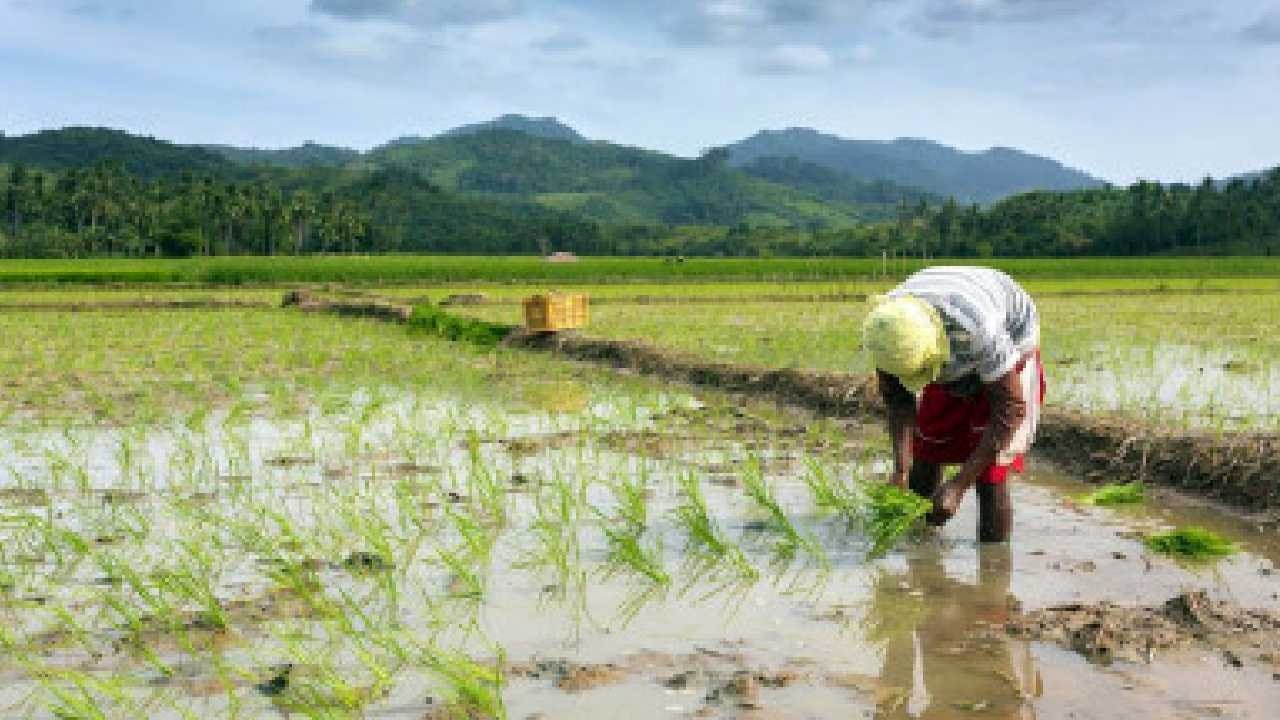
According to the Vietnam Trade Office in the Philippines, on January 9th, Philippine Agriculture Secretary Francisco P. Tiu Laurel Jr. met with representatives from the Vietnam Trade Office. The discussion focused on bilateral agricultural cooperation, particularly rice trade—a critical aspect of the two nations’ commercial relationship.
During the meeting, Secretary Laurel revealed that the Philippines plans to import approximately 3.6 million tons of rice in 2026. Notably, 75-80% of these imports are expected to originate from Vietnam. This underscores Vietnam’s position as the Philippines’ largest and most vital rice supplier, especially as the Philippines relies heavily on external sources to ensure food security.
Secretary Laurel emphasized that while rice imports will continue in 2026, the Philippine government will implement measures to manage import volumes, particularly during domestic harvest seasons. This aims to minimize negative impacts on local rice prices and farmers’ incomes, striking a balance between protecting domestic production and maintaining a stable food supply.
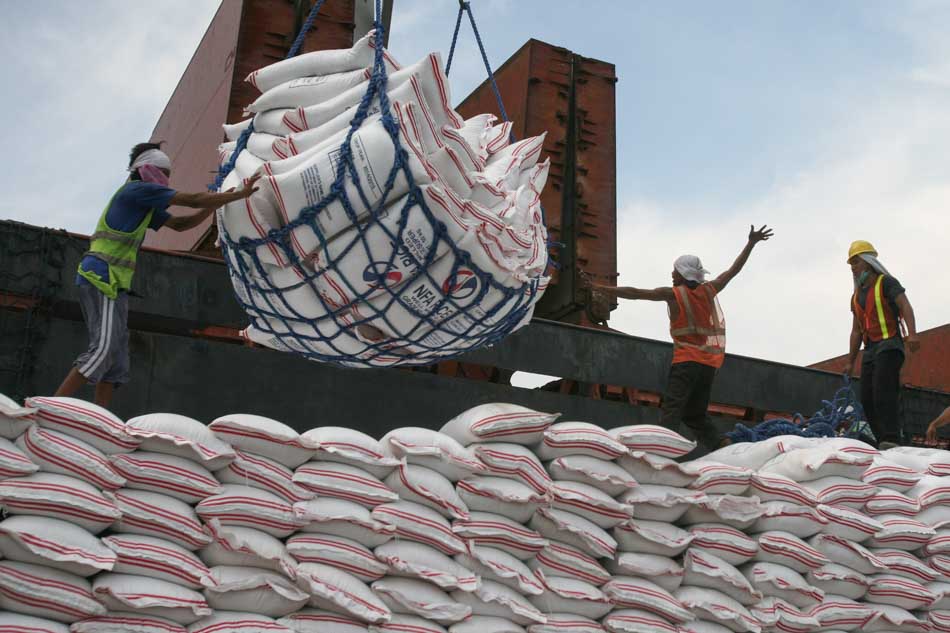
In addition to resuming rice imports, the Philippines has increased rice import tariffs from 15% to 20% starting January 1, 2026. This decision, reported by the Philippine News Agency (PNA), aims to safeguard farmers’ incomes during the rainy season as imports resume.
Regarding specific rice cooperation, Secretary Laurel suggested both countries work toward a rice agreement for approximately 2.5 million tons. Such an agreement would provide a stable foundation for Vietnam’s rice exports while enhancing the Philippines’ medium- and long-term import planning.
Beyond rice, Secretary Laurel urged Vietnam to consider opening its market to Philippine agricultural products, including seafood, frozen chicken, and chicken feet. This move seeks to promote more balanced bilateral trade, rather than focusing solely on rice exports from Vietnam to the Philippines.
The Vietnam Trade Office also requested that the Philippine Department of Agriculture expand its list of approved Vietnamese agricultural imports. Secretary Laurel agreed, noting strong Philippine demand for products like fresh chili, bell peppers, garlic, carrots, and onions. This presents an opportunity for qualified Vietnamese businesses to enter and expand their market share in the Philippines.
The Philippines is currently Vietnam’s largest rice export market, accounting for approximately 40% of Vietnam’s total rice exports. The resumption of Philippine rice imports in 2026, coupled with large-scale import plans, is expected to significantly boost Vietnamese rice exports. It also opens avenues for cooperation in other agricultural products.
The 2025 Non-Financial Corporate Capitalization Landscape: New Records and a Historic Shift in Leadership
The unprecedented surge of Vingroup’s ecosystem marked a pivotal moment in the 2025 market capitalization rankings, reshaping the power dynamics among non-financial conglomerates.
Countdown to Launch: $2 Billion Mega-Project Set to Revolutionize Vietnam’s Logistics Landscape in 5 Days
Unveiling a sprawling 172.6-hectare masterpiece, this project redefines grandeur on an unprecedented scale.
Sun Group Selected as Investor for Rạch Chiếc National Sports Complex Project in Ho Chi Minh City

On January 15, 2025, the Ho Chi Minh City People’s Committee and Sun Group jointly held the groundbreaking ceremony for the landmark infrastructure project—the Rạch Chiếc National Sports Complex. With a total investment exceeding 145 trillion VND, the project’s centerpiece is a state-of-the-art stadium accommodating up to 70,000 spectators, featuring a retractable roof and one of the most advanced climate control systems in the world.
Vietnam’s Provincial Hubs Emerge as Billion-Dollar Tech Magnets, Outshining Shenzhen and Shanghai with Unique Advantages

The age-old adage in real estate – “location, location, location” – rings truer than ever when it comes to Bac Ninh.
Vietnam’s First Frozen Agricultural Exporter Sets HOSE Listing Date, Reference Price at VND 40,900 per Share
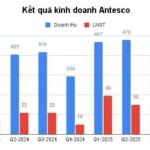
Over 24 million ANT shares will commence trading on the Ho Chi Minh City Stock Exchange (HOSE) starting January 20, 2026.