According to experts from the real estate technology platform Batdongsan.com.vn, one of the key factors stabilizing the market amidst rising capital costs is the positive macroeconomic foundation of 2025. The year’s GDP reached 8.02%, among the highest in the region; realized FDI hit $27.6 billion, a 9% increase from the previous year; international tourist arrivals surpassed 21 million, up by over 20%. Industrial production grew by more than 10%, and new business registrations surged by 71.6%.
These figures have had a clear ripple effect on the real estate market. As manufacturing, services, and tourism recover, demand for housing, commercial spaces, and rentals has gradually improved, though not uniformly across all segments.
Alongside macroeconomic factors, December 2025 saw notable policy developments. Amid rising deposit interest rates, the Ministry of Construction proposed measures to control property prices, focusing on legal framework enhancements, increased supply—especially for social housing—and tighter regulations on speculation.
Notably, Decree 357 mandates a unified electronic identification code for each property nationwide starting March 1, 2026. This is a significant step toward market transparency, laying the groundwork for transaction, pricing, and legal information management.
Data from Batdongsan.com.vn reveals that after the November interest rate volatility, the real estate market showed recovery signs in December. Interest in property sales rose by about 10% month-on-month, with sales and rental listings increasing by 8% and 10%, respectively.
This reflects sellers’ renewed confidence after a cautious phase due to interest rate fluctuations. Positive growth was observed across Hanoi, Ho Chi Minh City (both old and new districts), and other provinces, though at varying rates.
December 2025 marked a notable rebound for two previously pressured segments: villas and townhouses. Interest in townhouses grew by approximately 16%, and villas by 15% compared to November. Sales listings for both segments also saw double-digit growth.
Meanwhile, apartments, private houses, and land plots maintained steady growth, indicating that genuine demand remains the market’s backbone.
Long-term trends show that national property listing prices have risen over the past two years. Apartments saw the strongest increase, reflecting limited supply amid high demand, especially in major cities. By Q4 2025, average national apartment listing prices had surged 56% since Q1 2024.
Regionally, Hanoi recorded several positive indicators. After a November slowdown, December interest in property sales rose by about 11%. Villas, private houses, and townhouses all saw double-digit growth in interest.
In Ho Chi Minh City (old districts), growth was slower. Property search interest increased by 6% month-on-month. Townhouses saw a 19% rise in interest and a 20% increase in sales listings. Villas grew by 15% in search interest and 16% in new supply. Apartments, however, stagnated with a 4% drop in interest.
In the rental sector, demand remained stable while supply increased. National rental listings rose by 10% in December 2025. In Hanoi, listings for rental houses and townhouses increased by 20% and 22%, respectively.
Rental houses emerged as a highlight, with interest rising 14% month-on-month. Townhouse rental prices saw the sharpest two-year increase (21%), while apartment and private house rents remained stable.
Overall, Mr. Nguyen Quoc Anh, Deputy General Director of Batdongsan.com.vn, noted that in December 2025, the market moved past interest rate sensitivity into a selective recovery phase. While capital inflows remain cautious, there’s clear interest in segments offering real value and cash flow potential.
Looking ahead to 2026, with policies promoting data transparency and property identification codes, the market is expected to operate more substantively, prioritizing genuine value over short-term speculation. In essence, the market is shifting from chasing speculative waves to a “quality-focused” phase—where real efforts, products, and value will prevail.
2025 Real Estate Demand Trends: What Does 2026 Hold for Housing Supply?
Experts predict that the demand for residential properties will spearhead the real estate buying trend in 2025. By 2026, the market is expected to witness a significant influx of new supply in Vietnam, fueled by the dual engines of private and state-driven economic growth, creating fresh momentum for expansion.
The 2026 Real Estate Market and Short-Term Speculative Waves

The real estate market outlook for 2026 is poised to enter a new growth cycle, albeit one characterized by selective expansion. This shift will disrupt short-term speculative surges, curbing rapid price escalations in favor of a more sustainable, long-term development trajectory.
Unprecedented Real Estate Supply Surge: A New Cycle Unveiled

The 2026-2030 period ushers in a new era for real estate, brimming with opportunities yet fraught with significant risks. As supply surges, the market shifts away from uniform price increases, demanding a more nuanced approach from investors and stakeholders alike.
Affordable Housing: Urgent Need Now!
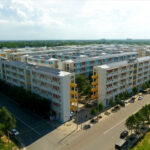
Many find themselves in a predicament, caught between a rock and a hard place. They don’t qualify for social housing, yet purchasing a commercial property remains out of reach.
Ho Chi Minh City’s Landed Property Prices Plummet by Nearly Half as Developers Ramp Up Discounts
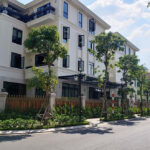
JLL reports that the primary market price for landed homes stands at $8,033 per square meter (over 211 million VND per square meter), reflecting a sharp decline of 48.5% quarter-on-quarter and 52.6% year-on-year. This significant drop is primarily attributed to the introduction of competitively priced units from the Vinhomes Green Paradise project in Can Gio.