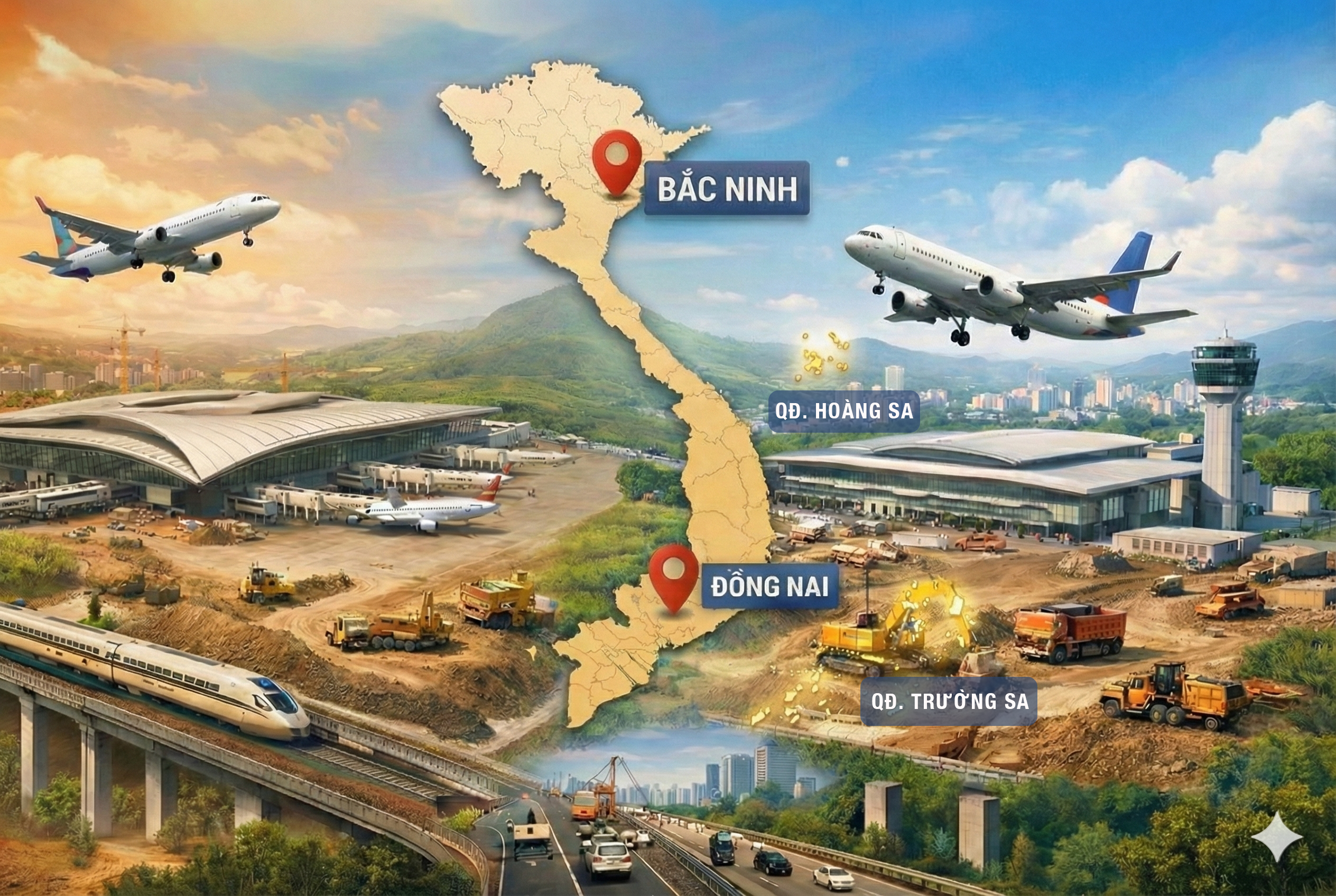

The year 2025 marks a significant surge in infrastructure development as numerous mega-projects are simultaneously executed across Vietnam. Among these, two standout projects are the Long Thanh International Airport in Dong Nai and Gia Binh International Airport in Bac Ninh, both boasting impressive scale in terms of area and design capacity.
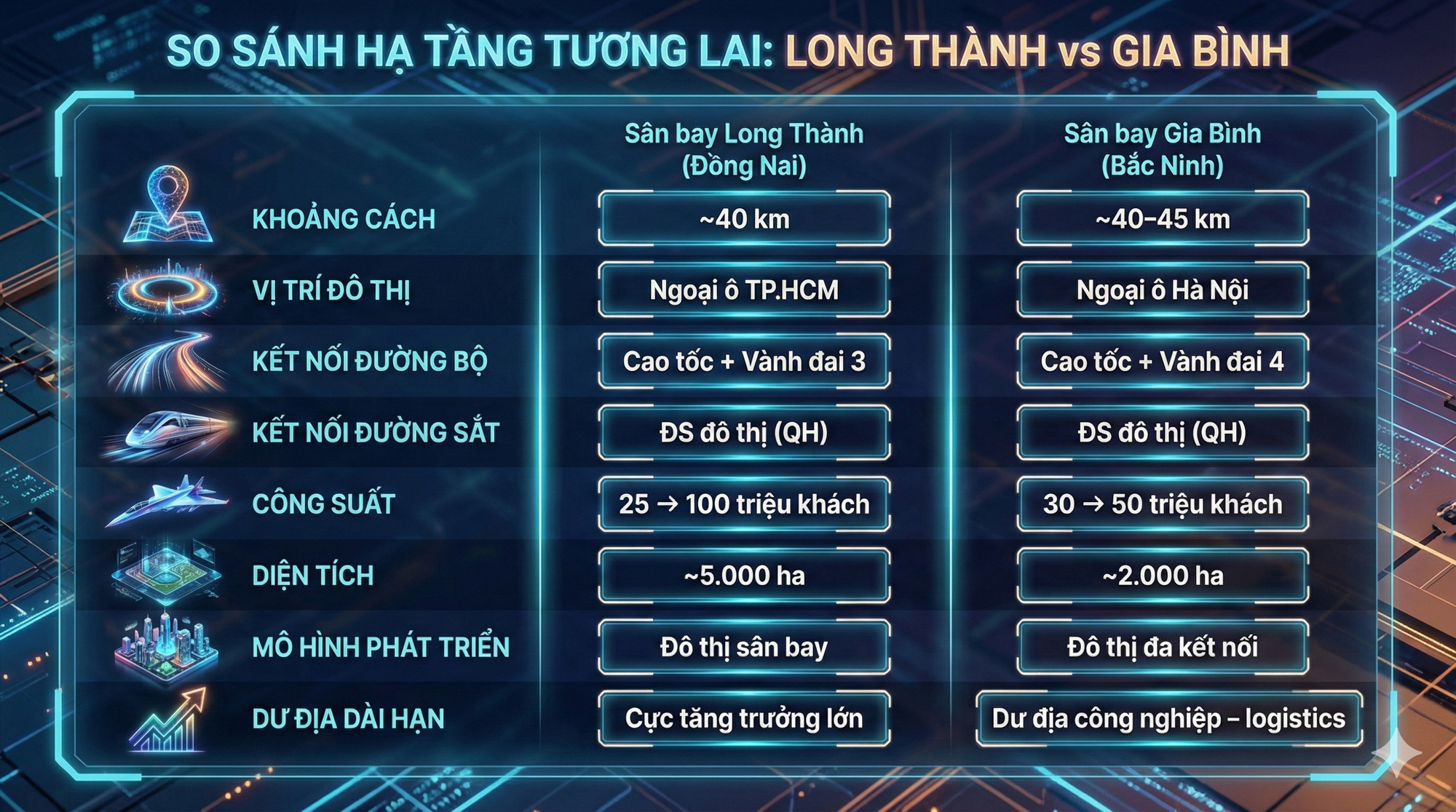
As the largest airports in their respective regions, these two hubs share intriguing similarities and differences. Notably, they both significantly impact regional planning, transportation, and the surrounding real estate markets.
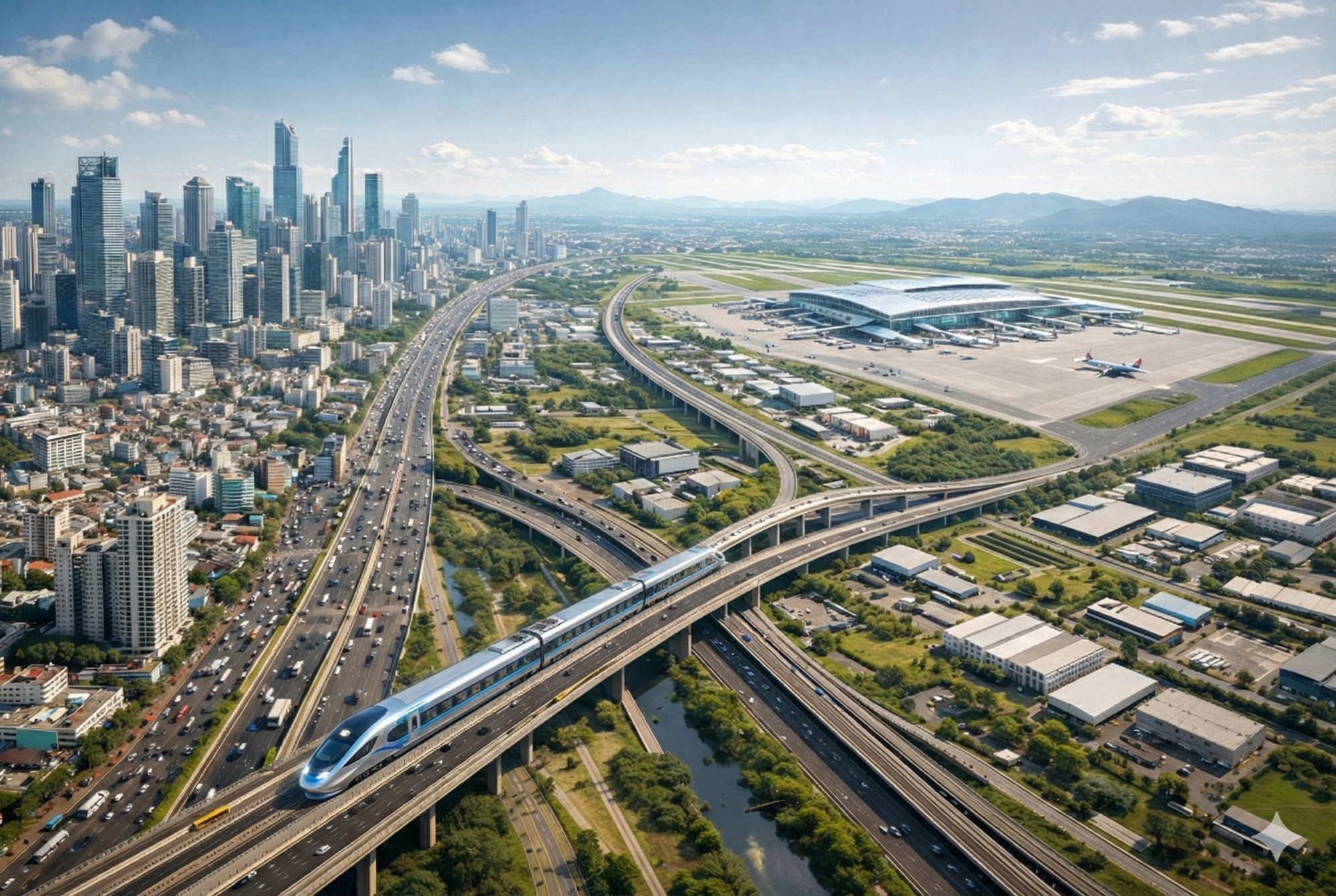
In terms of similarities, both airports are located outside urban cores, approximately 40-50 km from the centers of Ho Chi Minh City and Hanoi. This positioning creates new “aviation gateways,” fostering expansive urban-industrial-service belts while alleviating pressure on central airports like Tan Son Nhat and Noi Bai.

Furthermore, both airports are connected by modern inter-regional transportation systems, including highways and railways. Long Thanh is linked to the Ho Chi Minh City – Long Thanh – Dau Giay Expressway, Ring Road 3, and metro lines; Gia Binh is connected to the Hanoi – Bac Ninh Expressway, Ring Road 4, and high-speed rail. These connections facilitate passenger movement, cargo transport, and attract investment in logistics and high-tech industries.
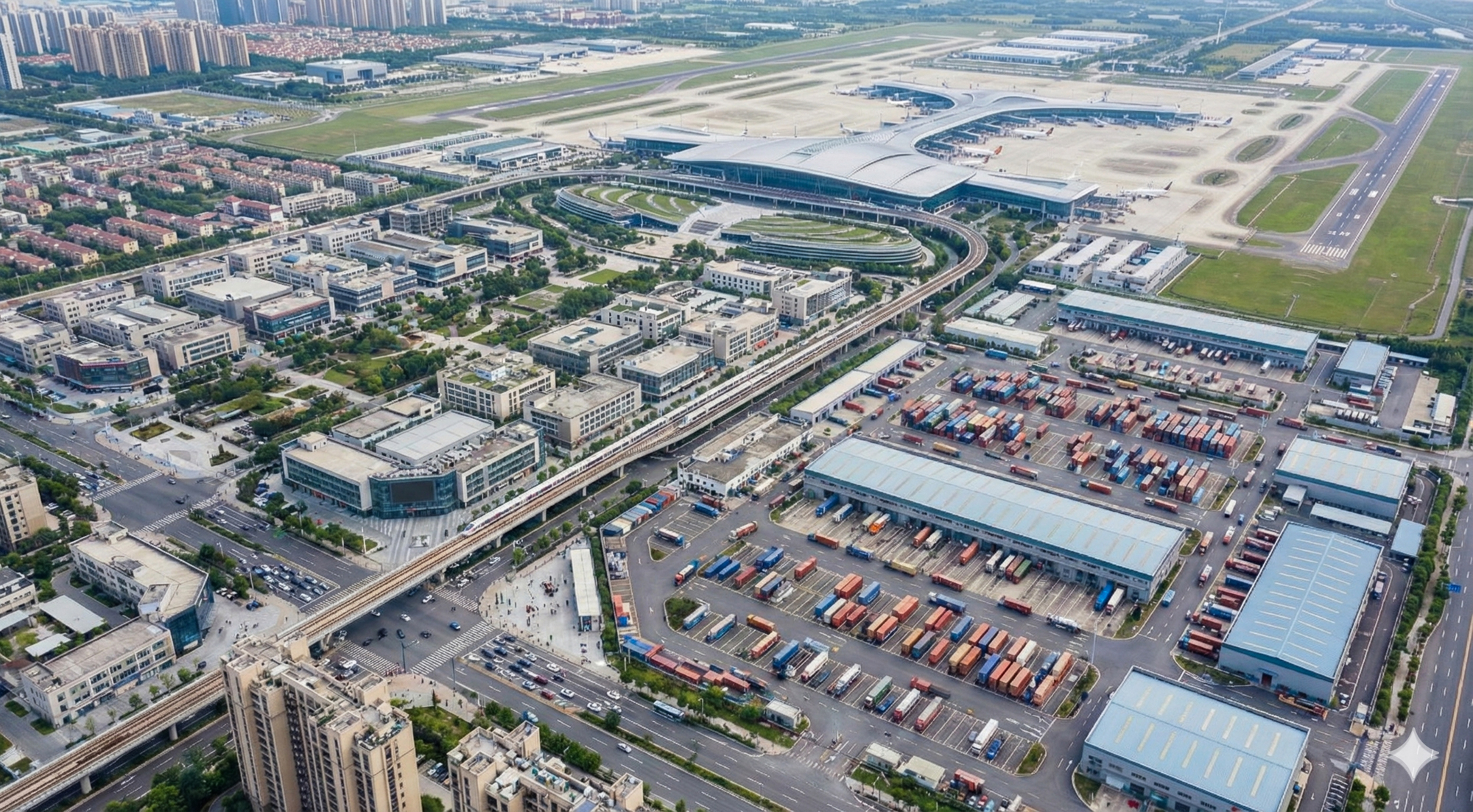
In terms of spatial development models, Long Thanh Airport is envisioned as the core of an “aerotropolis,” with a well-structured master plan. In contrast, Gia Binh Airport aims for a “transit-oriented development” (TOD) model, integrating the airport with regional urban-industrial-service development axes rather than expanding large-scale residential areas within the airport core.

Additionally, both airports are expected to handle 50-100 million domestic and international passengers annually. This will not only invigorate the aviation and tourism sectors but also stimulate investment capital, labor migration, and housing and service demands in surrounding areas.

However, despite their similarities in scale and international standards, the two projects differ in planning stability and implementation approaches.
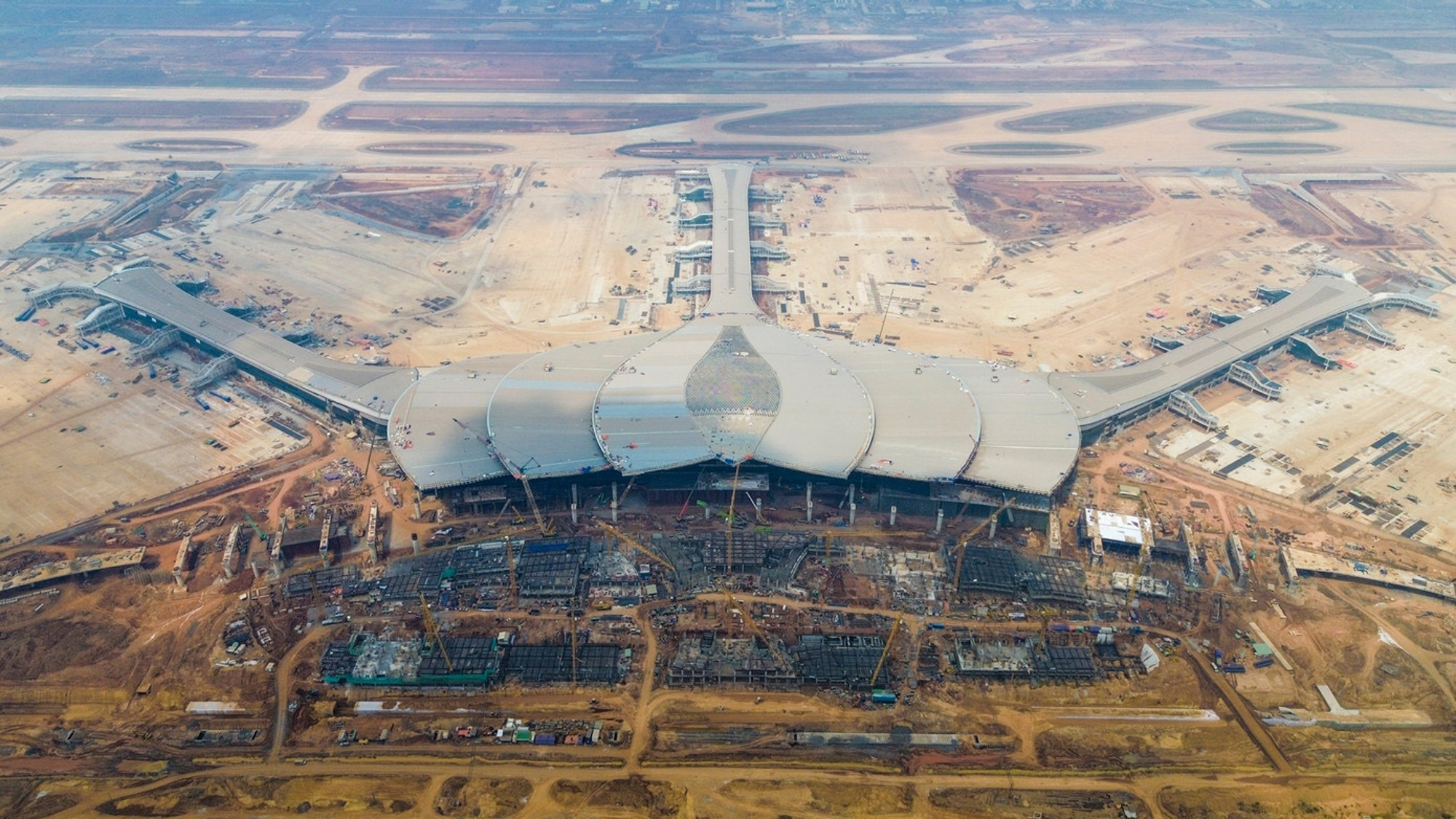
For Long Thanh Airport, the master plan has been established for over two decades, covering approximately 5,000 hectares, providing high stability for investors and local authorities. This clarity lays the foundation for the synchronized development of supporting infrastructure, including highways, ring roads, railways, and surrounding urban-service areas. Photo: VTC News
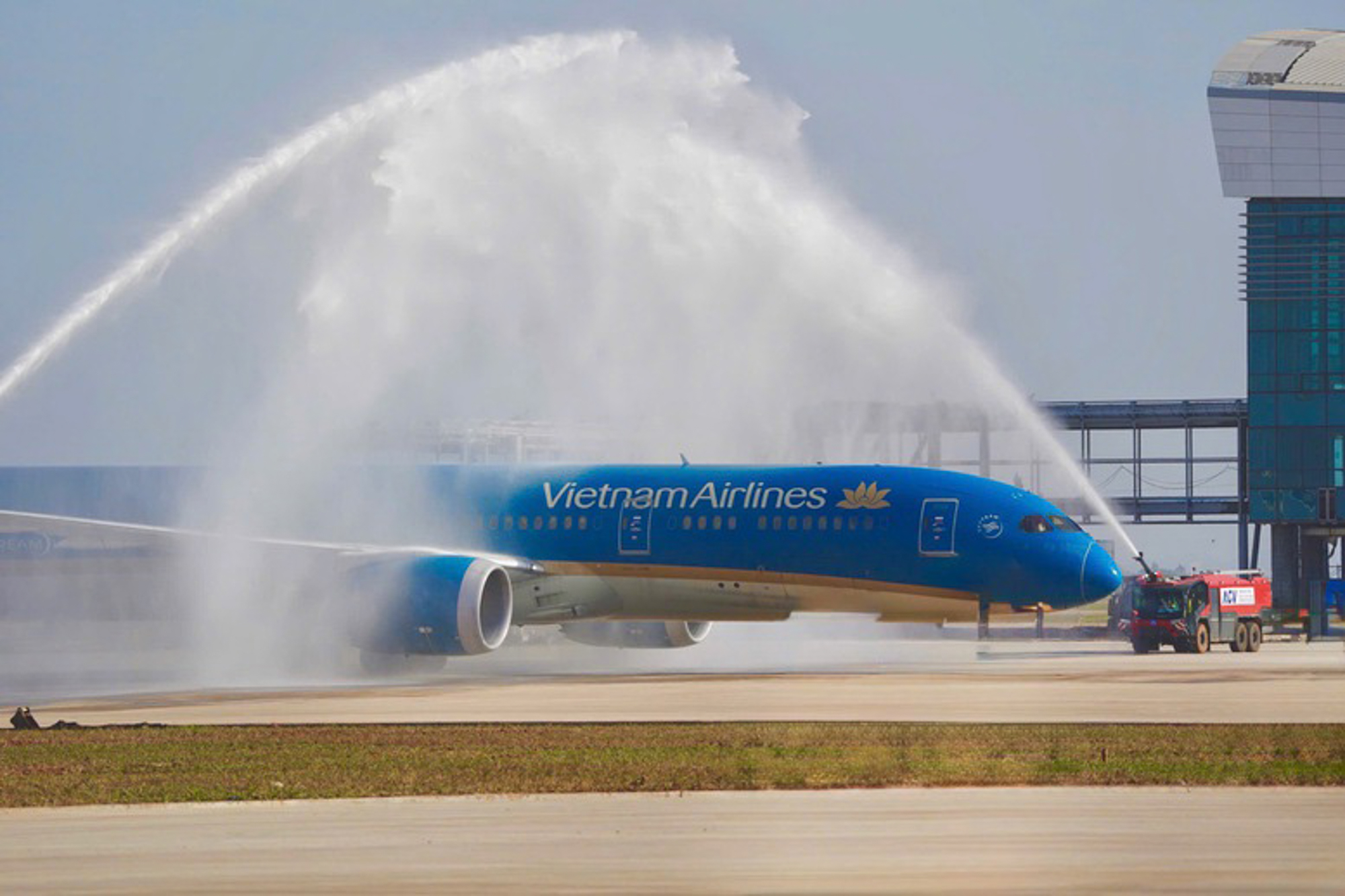
On December 4, 2025, the airport achieved significant technical milestones. Currently, final touches are being made to Phase 1, with preparations underway to welcome the first commercial flight in early 2026. Photo: PT (Government News)
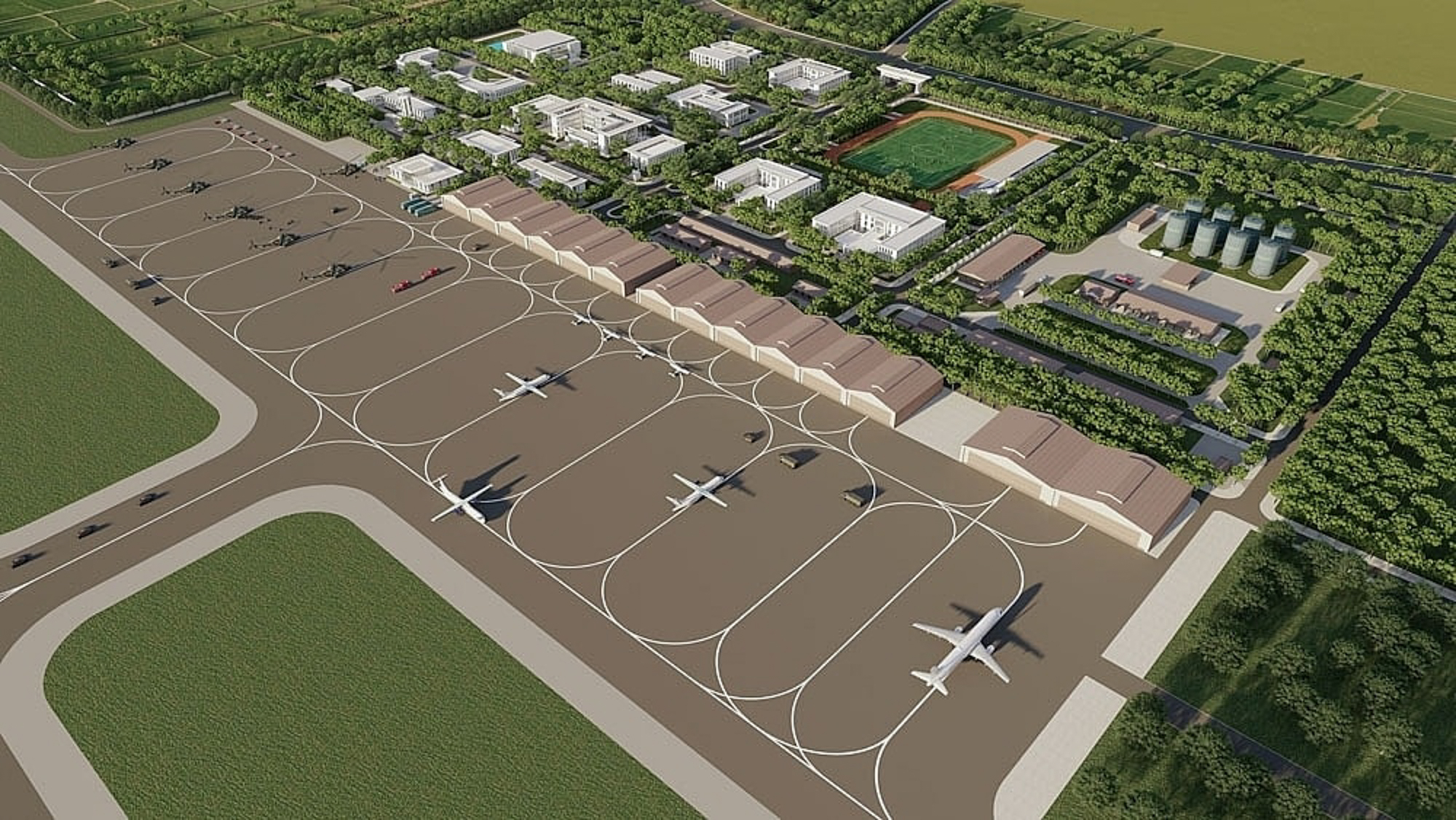
In contrast, Gia Binh Airport originated as a military airport, later upgraded to an international airport with flexible planning adjustments, expanding from a few hundred hectares to nearly 2,000 hectares. Rendering of Gia Binh International Airport.
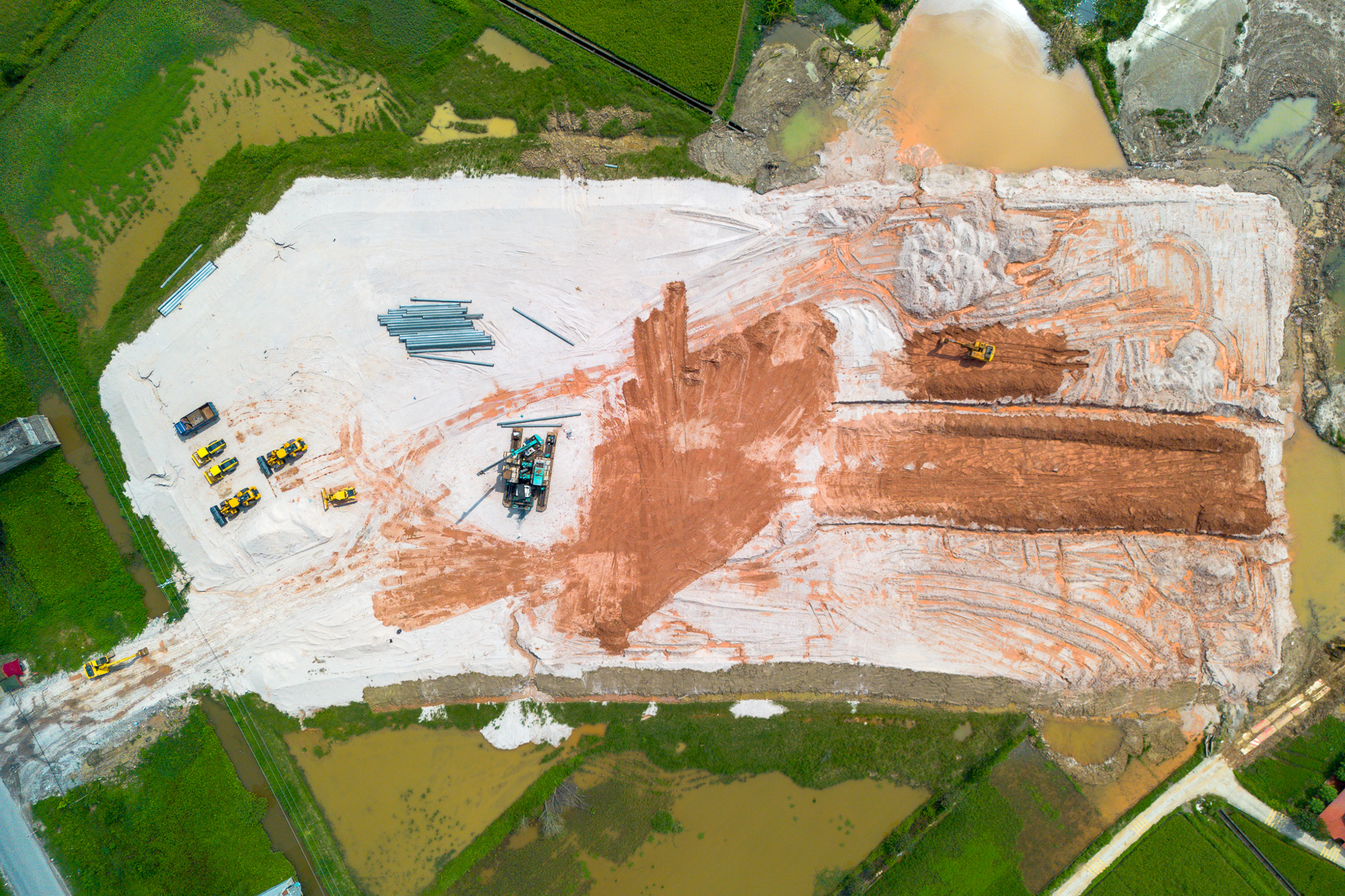
Land clearance is currently accelerating, with construction expected to complete by late 2026 and trial operations to begin in February 2027.
Prime Location Near Long Thanh Airport: Over 3,000 Affordable Social Housing Units Starting at 450 Million VND in Dong Nai’s Golden Zone
Two groundbreaking social housing projects in Dong Nai, with a combined investment of over 2.3 trillion VND, are set to transform the region’s affordable housing landscape. Scheduled for completion by Q1 2028, these developments promise to address critical housing needs while fostering sustainable community growth.
Vietnam’s $16 Billion Mega-Project Sees New Developments, Related Stocks Surge
Vietnam Airlines Corporation has been appointed as the lead investor for Phase 2 of the Long Thanh International Airport project.
Vinhomes Wonder City: Redefining Real Estate in the Metro Era – Where Value is Measured by Connectivity
Nestled within the heart of the Vinhomes Wonder City metropolis in Hanoi, the presence of Metro Line 4 station unlocks unparalleled connectivity, seamlessly linking residents to the city center and key regional hubs. Beyond its convenience, this strategic advantage positions Vinhomes Wonder City as a shrewd investment choice, perfectly aligned with the market’s growing emphasis on long-term value.
Proposed Expansion of Hanoi-Hai Phong Expressway to 10 Lanes Unveiled in Detail

After a decade of operation, traffic volume on the Hanoi – Hai Phong Expressway has quadrupled compared to its initial launch. To prevent congestion, the management unit has proposed expanding the highway from 6 to 10 lanes.
Accelerating the 43,000-Hectare Urban Planning for Long Thanh Airport in Dong Nai
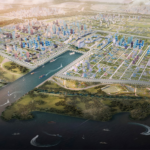
Dong Nai is accelerating the completion of the Long Thanh Urban Master Plan by 2045, spanning over 43,000 hectares. Centered around the Long Thanh Airport as the core driver of development, this plan aims to attract investment and facilitate the implementation of key projects within the region.