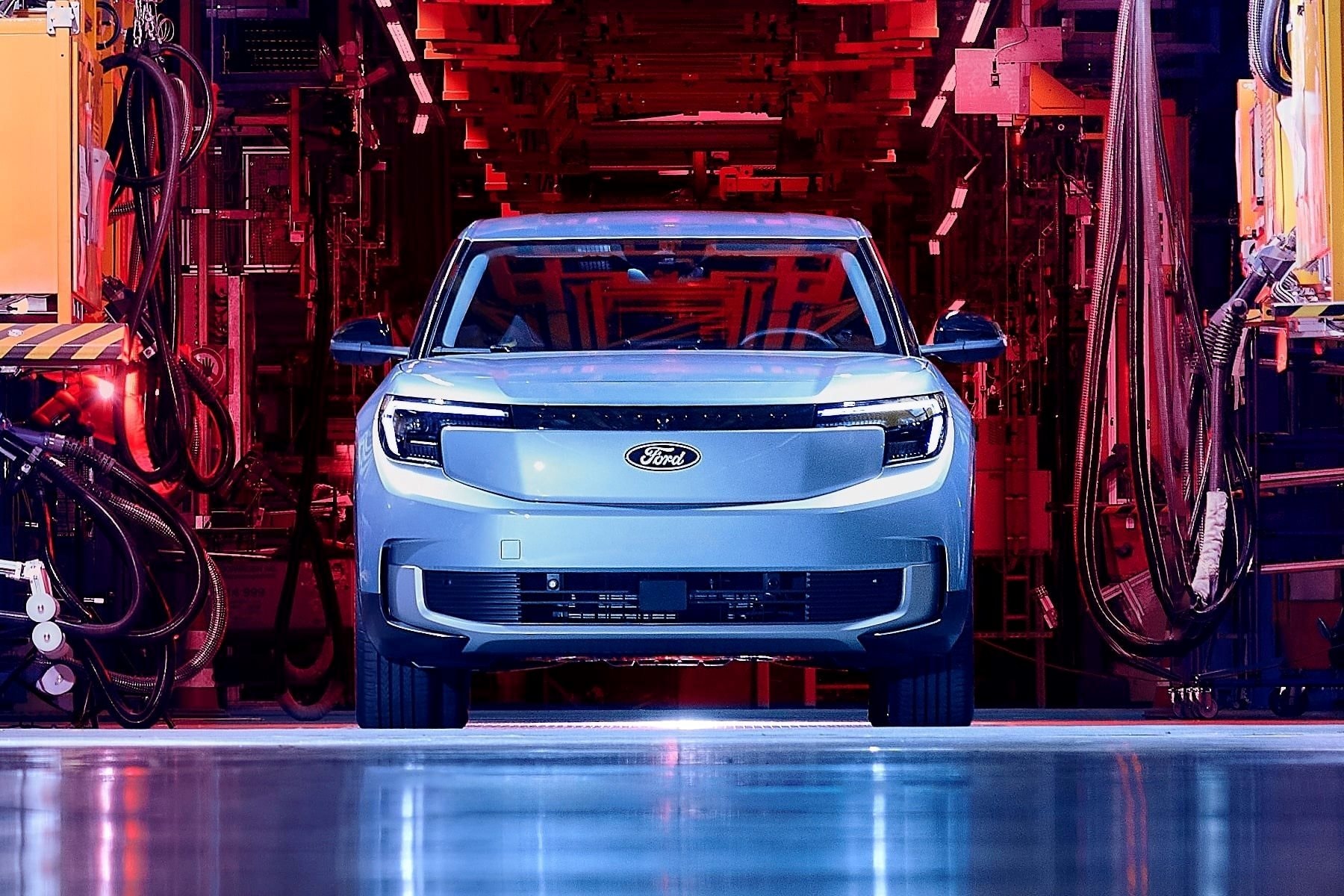
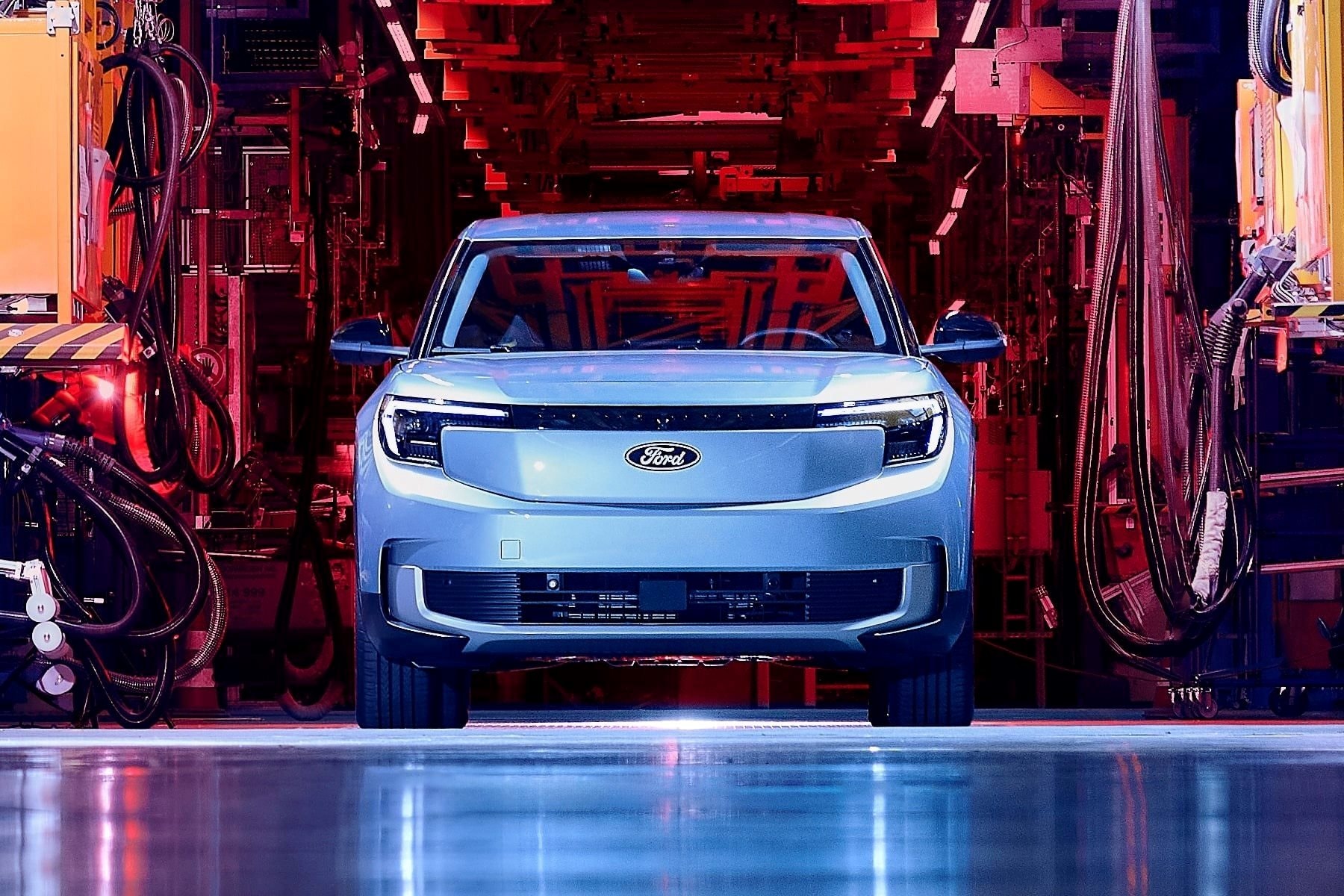
Ford and BYD in Talks for Exclusive Hybrid Battery Supply Deal
According to reports from the Wall Street Journal and Reuters in mid-January 2026, Ford and BYD are engaged in discussions regarding a dedicated battery supply agreement for hybrid vehicles. This development comes as the automotive industry undergoes a significant shift in consumer demand toward environmentally friendly transportation options.
The primary catalyst for these negotiations stems from the underperformance of electric vehicle sales compared to earlier projections. By the end of 2025, Ford reported a staggering $19.5 billion loss and withdrew from several electric vehicle-related investments.
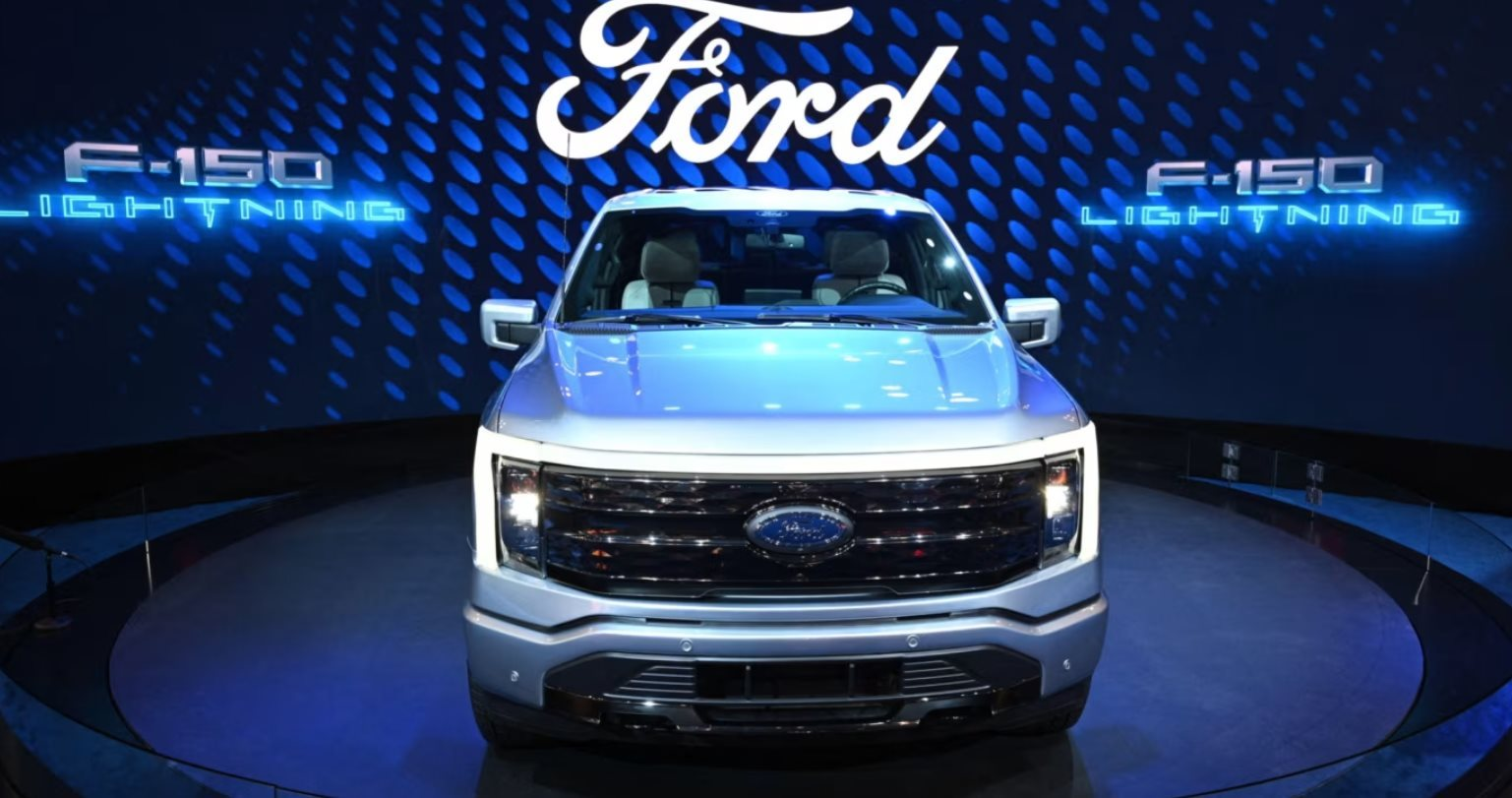
The highly anticipated electric F150 contributed significantly to Ford’s substantial losses.
While the electric vehicle segment shows signs of stagnation, hybrid vehicles are gaining traction due to their practicality and affordability. Recognizing this trend, Ford aims to diversify its product portfolio to adapt to the evolving market dynamics.
A successful partnership with BYD would grant Ford access to cost-effective batteries and cutting-edge technology from one of China’s leading electric vehicle and battery manufacturers.
Ford plans to implement BYD’s battery technology in its manufacturing facilities located outside the United States. This strategic decision reflects the company’s geopolitical considerations, allowing it to bypass stringent tariffs and regulations associated with domestic technology sourcing.
By limiting the use of BYD batteries to international markets, Ford can leverage the cost advantages of Chinese batteries without compromising its eligibility for U.S. incentives.

BYD ranks among the world’s largest electric vehicle manufacturers and battery producers.
However, news of the negotiations has sparked controversy. Some U.S. trade advisors and politicians have expressed concerns about the automotive industry’s growing reliance on Chinese supply chains.
“Is Ford aiming to bolster a Chinese competitor’s supply chain while increasing its own vulnerability?” questioned White House trade advisor Peter Navarro on the social media platform X.
Previously, Ford’s joint battery plant project with CATL in Michigan also faced scrutiny over economic security and industrial policy implications.
Ford’s pursuit of another major Chinese partner, BYD, highlights the challenges traditional automakers face in securing independent battery supplies. As a global leader in battery and electric vehicle production, BYD offers Ford the scale and advanced technology necessary to remain competitive during this turbulent energy transition phase.
As of now, specific details regarding contract value or battery volumes remain undisclosed by both parties. This development signifies not only Ford’s strategic shift but also a broader realignment of relationships between Western automakers and Chinese component manufacturers.
American Auto Giant Once Dominant in Vietnam Accepts $6 Billion Loss, Scales Back Electric Vehicle Investments
It is General Motors Corporation—the parent company of Chevrolet.
VinFast EC Van New Edition Now Available for Pre-Order: Expected Price of 325 Million VND, Features Sliding Door Like ‘Su cóc’, Perfect for Post-Tet Sales
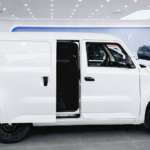
The VinFast EC Van is set to introduce a new variant featuring a side sliding door, enhancing convenience for urban cargo transport users.
Vietnam Emerges as ASEAN Phenomenon, VinGroup’s Crown Jewel Plays Pivotal Role
Surpassing Thailand and Indonesia, Vietnam has emerged as the fastest-growing electric vehicle market in ASEAN.
China Surpasses Japan in a Critical Sector

This region of China has skyrocketed with unprecedented speed over the past few years.
Dreame Revolutionizes Electric Vehicles with Vacuum Motor Technology, Aiming to Create the World’s Fastest Luxury Car
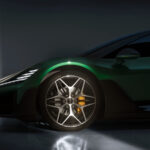
Dreame is set to make waves at CES 2026 with the unveiling of its first-ever electric vehicle. Leveraging the high-speed electric motor technology that has defined its success in the vacuum cleaner market, the brand is now poised to revolutionize the high-performance electric automotive sector.