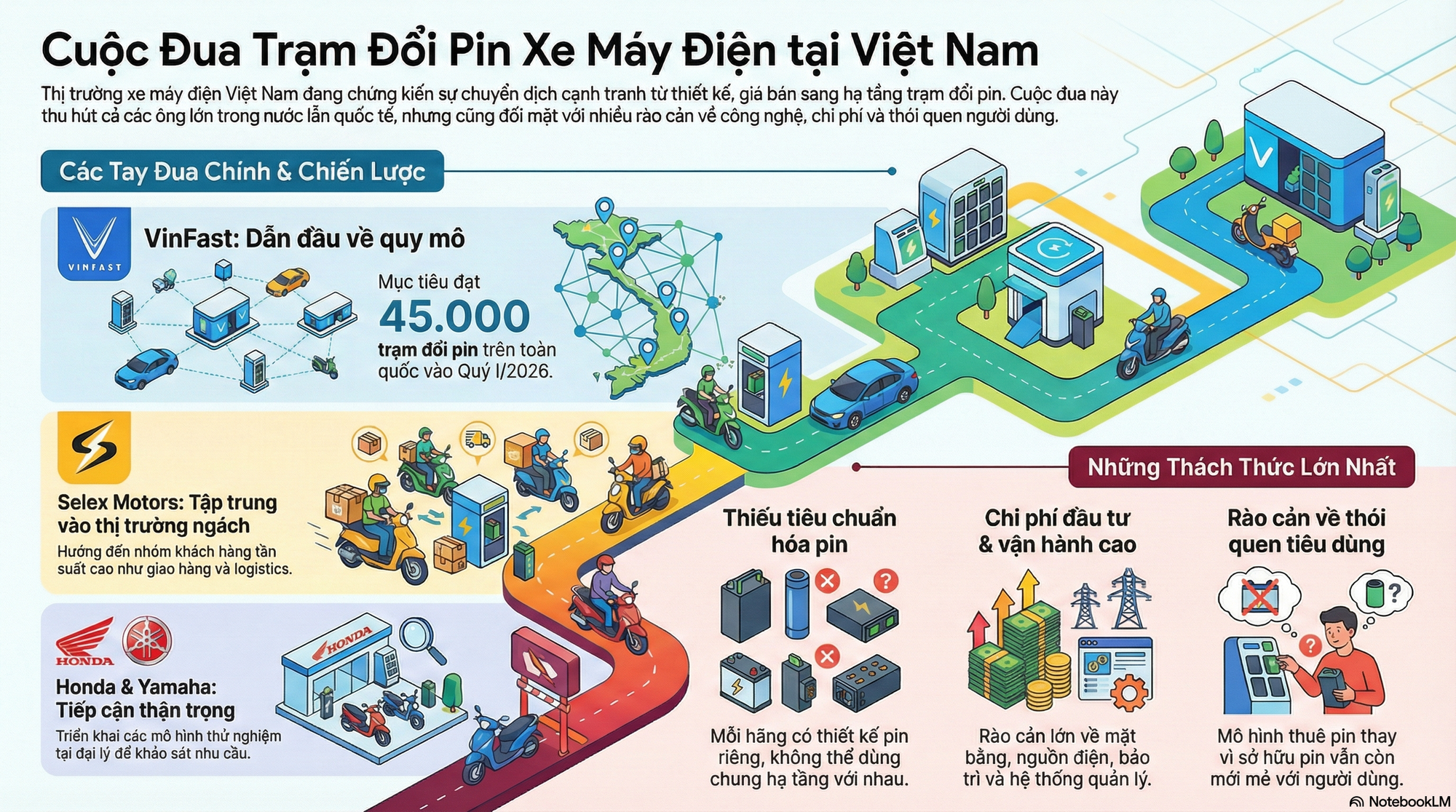
Vietnam’s electric motorcycle market is entering a new phase of development, where competition is shifting from design and pricing to infrastructure. The battery-swapping station model, allowing users to replace batteries in just a few minutes, is emerging as a new battleground. This trend is attracting more and more manufacturers, from local enterprises to established international brands.
The recent entry of Honda and Yamaha into this space signals that the battery-swapping race has moved beyond the experimental stage into a more competitive phase.
The Race Intensifies
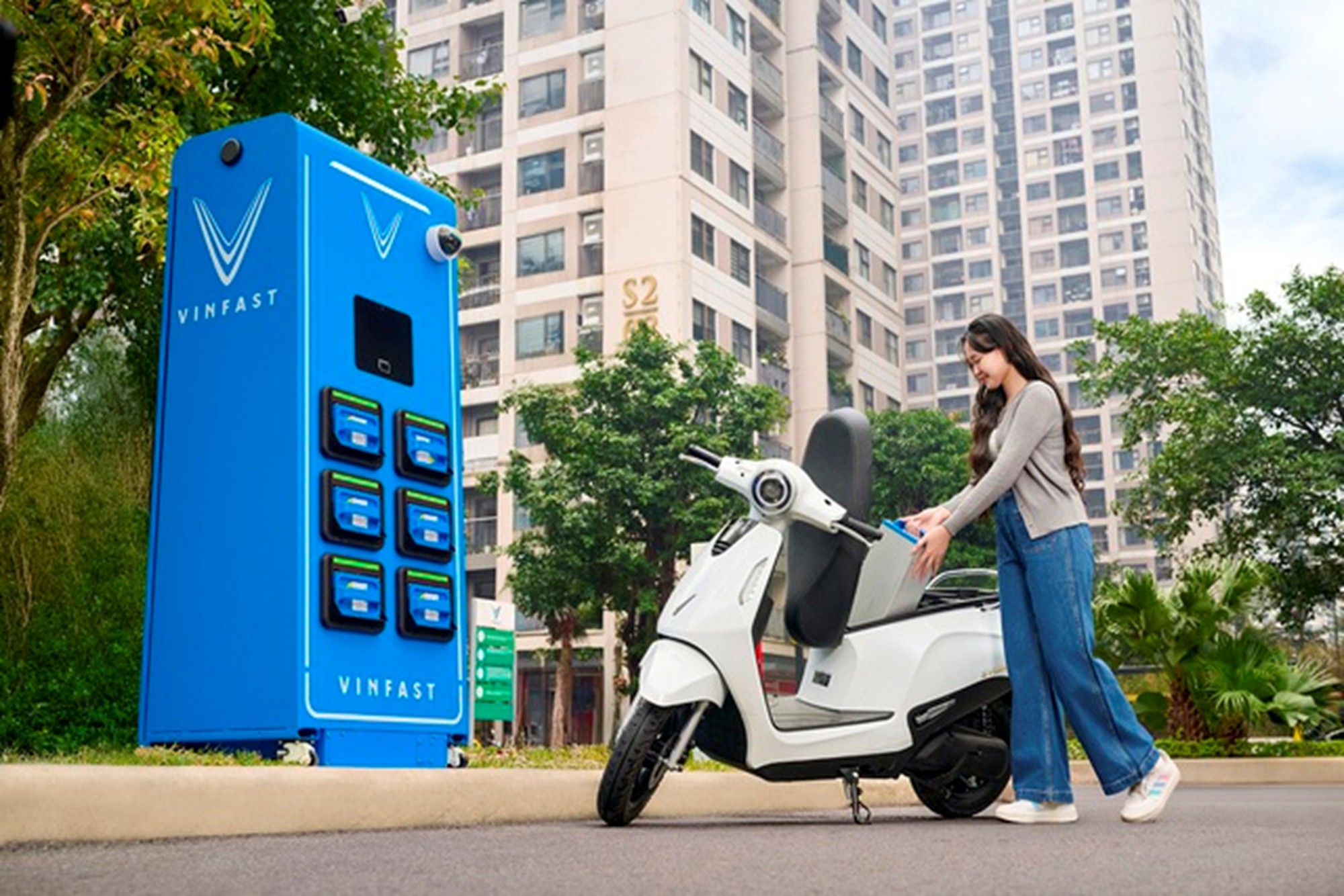
Among the companies deploying battery-swapping stations in Vietnam, VinFast stands out with the largest investment scale. Recently, the company introduced three electric motorcycle models supporting battery-swapping technology: Evo, Feliz II, and Viper. Customers can choose to purchase the bike with a battery or opt for a flexible battery rental service. The rental fee is set at 175,000 VND per month for one battery and 300,000 VND per month for two batteries.
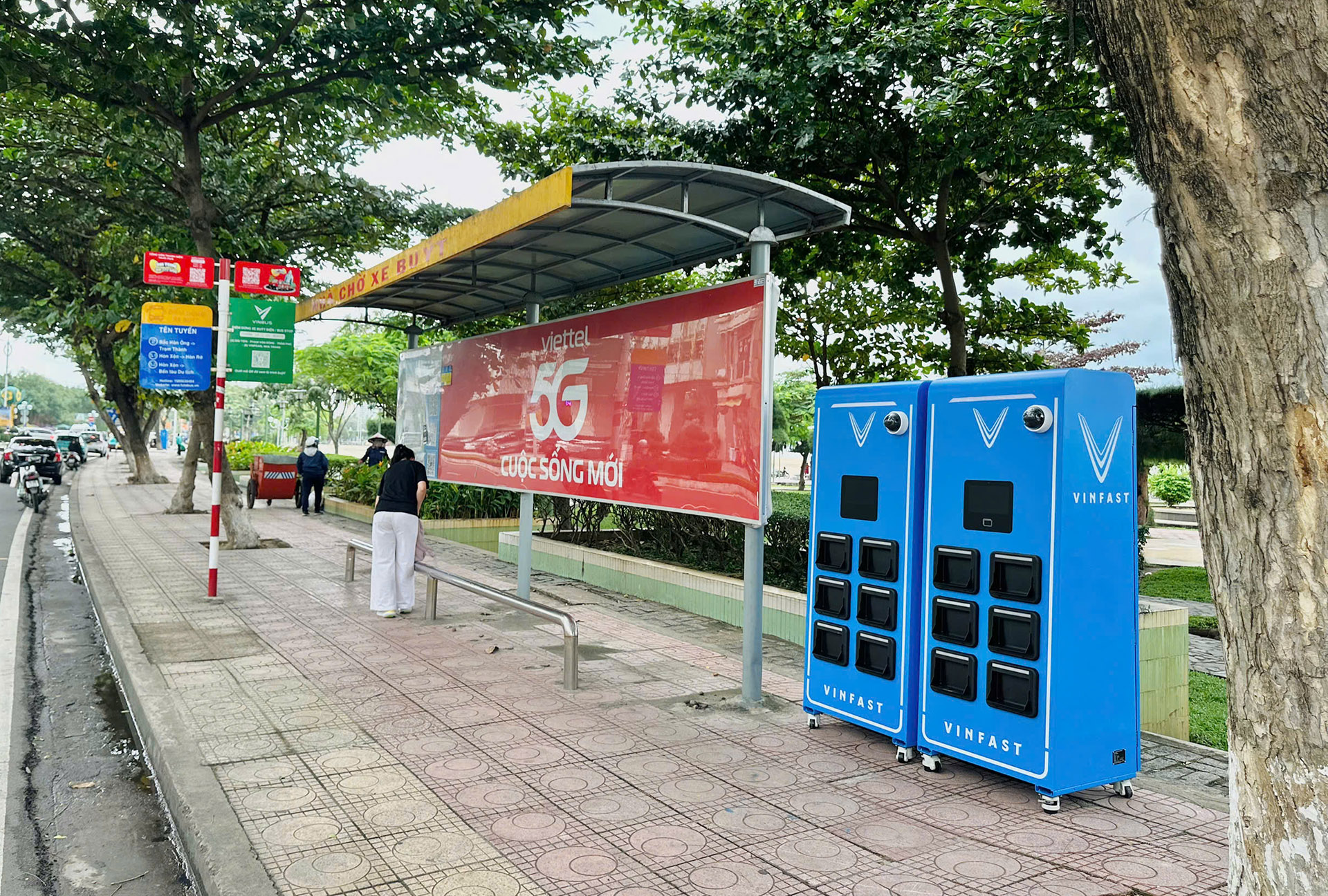
Alongside product launches, V-Green is rapidly expanding its battery-swapping station infrastructure. As of mid-January 2026, the system has completed its first 4,500 stations nationwide.
According to the plan, the number of battery-swapping cabinets is expected to reach 45,000 units across 34 provinces and cities by Q1/2026. With this network, electric motorcycle users can swap batteries at stations for a fee of 9,000 VND per swap. This expansion aims to provide more energy points than traditional gas stations, facilitating the operation of electric vehicles for the public.
Meanwhile, Selex Motors focuses on high-frequency users such as delivery, logistics, and urban services. Selex’s battery-swapping stations are strategically located in areas with high vehicle traffic, primarily serving partner fleets. The company currently operates nearly 100 stations in Hanoi, Ho Chi Minh City, and Da Nang, with rapid expansion plans to other provinces.
The involvement of Honda and Yamaha has further intensified the battery-swapping race. As dominant players in the gasoline motorcycle market, these Japanese brands are approaching electric motorcycles and battery-swapping infrastructure with caution.
Honda, alongside launching its first model ICON e:, has begun selling the CUV e:. The automated battery-swapping system, Honda e: Swap Battery Station, is expected to start operations in April 2026. Subsequently, in June 2026, centralized charging stations with 1200W charging capacity will be deployed at dealerships.
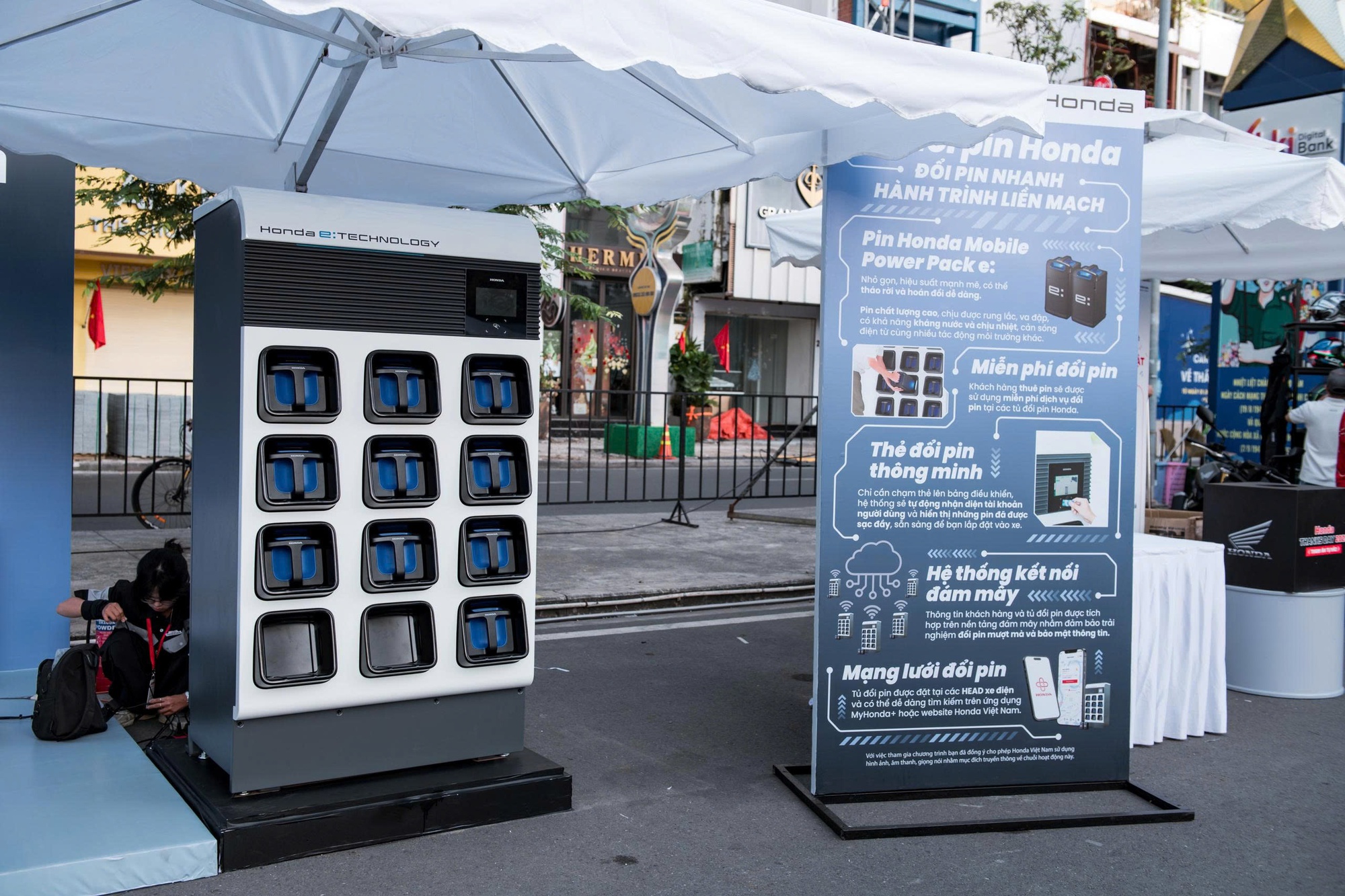
Yamaha, while yet to launch new models, has announced plans to build a battery-swapping station system. Initially, the company will operate this service through its Yamaha Town dealerships in partnership with ZuttoRide Vietnam, starting in early 2026, with pilot projects in Hanoi and Ho Chi Minh City.
Great Potential, but Challenges Remain
Despite its potential, the battery-swapping race in Vietnam faces significant challenges. The biggest issue is the lack of standardized batteries, as each manufacturer develops its own design, making shared infrastructure nearly impossible. This drives up investment costs and makes it difficult to achieve economies of scale if each system only serves one brand.
Additionally, operating battery-swapping stations is costly, including expenses for location, stable power supply, battery safety management systems, and maintenance. In major cities, finding suitable locations for stations is challenging due to planning and infrastructure management issues.
Beyond technical and cost factors, consumer habits pose a significant challenge. The battery rental model, where users do not own the battery, is still new to many and will take time to gain widespread acceptance.
However, with strong momentum from both domestic and international enterprises and growing consumer interest, this could be a turning point for the transition to sustainable electric motorcycles in Vietnam in the coming years.
Vietnam’s Top Car Brands by Sales in 2025: VinFast Outpaces Next Three Competitors Combined
With an impressive lineup of vehicles, VinFast dominates the market, outperforming other brands with record-breaking sales.
VinFast Unveils Three New Electric Motorcycles with Battery Swapping, Completes Installation of 45,000 Battery Swap Stations in Q1
VinFast has unveiled four new electric motorcycle models, including three battery-swapping variants, while announcing an ambitious plan to deploy 45,000 battery-swapping stations nationwide. This strategic move aims to solidify its green mobility ecosystem.
VinFast, Brainchild of Pham Nhat Vuong, Celebrates Positive News from Strategic Market

Just four months after entering the Indian market, VinFast has surpassed the 1,000-vehicle sales milestone.
VinFast Shatters Records: Delivers 175,000 Vehicles in Landmark Year

This marks an unprecedented record in Vietnam’s automotive market, surpassing even the previous benchmark set by a foreign car manufacturer by a twofold margin.
VinFast Slashes Electric Vehicle Battery Replacement Prices: VF 9 Sees Over $5,000 Reduction
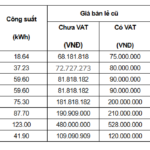
VinFast has announced a price adjustment for replacement batteries across its electric vehicle lineup, effective from January 10, 2026.