VND 800 Billion Reward for 500 Employees
Mr. Doan Nguyen Duc (known as Bau Duc), Chairman of the Board of Directors of Hoang Anh Gia Lai Joint Stock Company (stock code: HAG), has recently made headlines by announcing a special appreciation policy for 160 core employees who stood by the company during its crisis from 2016.
These loyal employees, who endured hardships alongside Bau Duc to revive Hoang Anh Gia Lai, will each receive an apartment valued between VND 2-8 billion at the Phu Dong High-Rise Residential and Commercial Complex. Bau Duc emphasized that this gesture is a well-deserved reward for their loyalty and sacrifices.
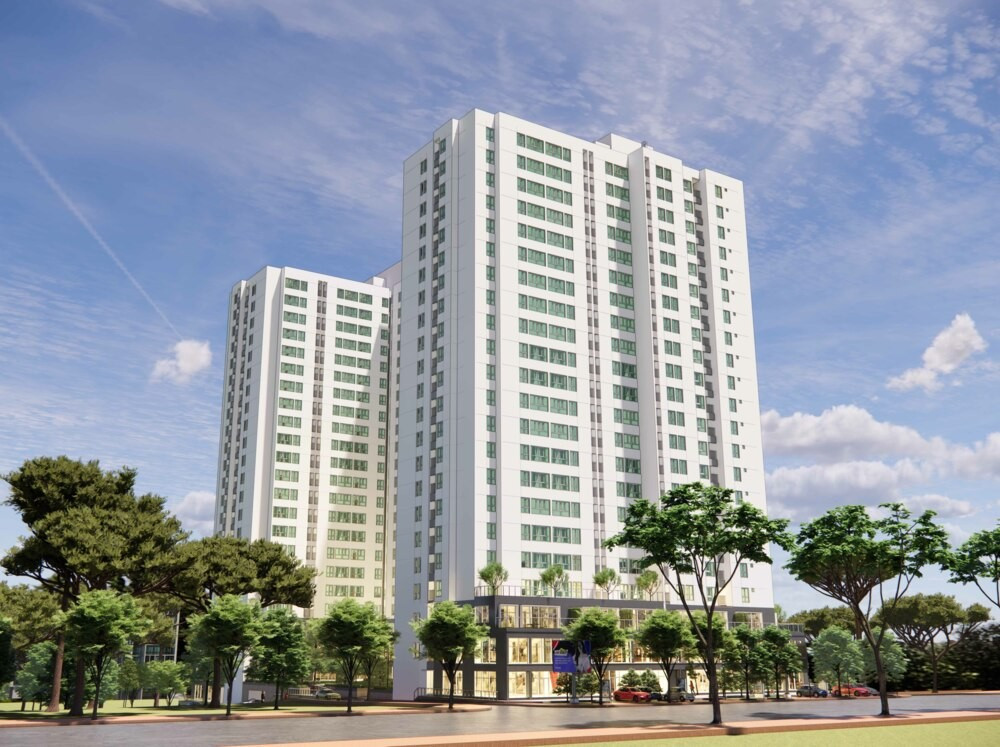
Rendering of the Phu Dong High-Rise Residential and Commercial Complex, the project where Bau Duc will reward his employees.
Bau Duc is allocating approximately VND 800 billion to reward 500 employees, with 160 receiving apartments and the rest receiving HAG shares.
The Phu Dong High-Rise Residential and Commercial Complex marks HAG’s return to the real estate sector after years of focusing on agriculture.
The project includes a 25-story mixed-use apartment block and a 3.5-story commercial townhouse area, with a total investment of approximately VND 400 billion. According to HAG, the company is financially prepared to commence construction immediately upon completing the necessary procedures.
Bau Duc revealed that the land for the project has been owned by HAG for over 15 years, dating back to the company’s prosperous days. “Back then, I was like a rich kid, so I didn’t think much of it. If I had, I might have sold it to pay off debts,” Bau Duc said. He admitted that returning to real estate feels like “breaking a promise to shareholders” but stressed that rediscovering this long-forgotten land was a stroke of luck.
How Did HAG Overcome Its Challenges?
In numerous meetings, Bau Duc often reflects that those who have followed HAG’s journey know how difficult it has been. He recalls 2016-2017, when HAG owed employees up to 6 months’ worth of wages, yet many remained loyal. According to Bau Duc, this core group played a pivotal role in the company’s recovery.
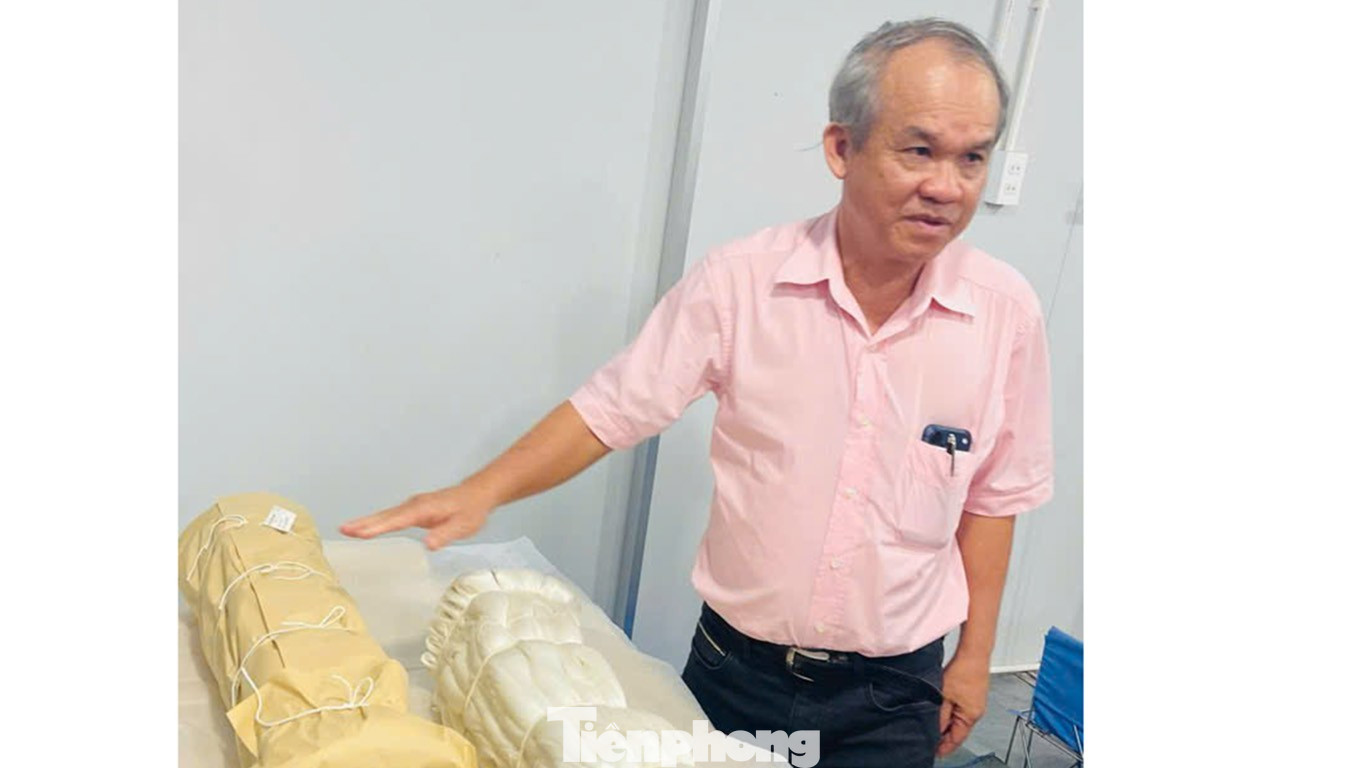
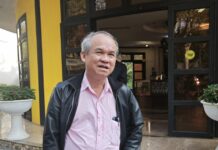
Bau Duc presents the new business model to guests. Photo: Ly Thanh Tam.
At the 2025 Annual General Meeting, Bau Duc proposed issuing 12 million shares to employees: “If shareholders don’t approve today, I’ll use my own money to reward them. Without these people over the past 10 years, HAG wouldn’t exist today.”
However, Bau Duc’s path to this point has been a decade of true “loss.” He recalls that 2006-2015 was a period of both peak success and deep crisis for HAG. In 2008, when Hoang Anh Gia Lai went public, Bau Duc’s stock value reached VND 6.16 trillion. Just a year later, it doubled to VND 12 trillion.
Perhaps no one in Vietnamese business has more lessons than Bau Duc. At his peak, he was the first to own a private jet and the richest on the stock market, only to plummet into crisis.
This crisis began in 2012 with a controversial decision to abandon real estate. The reason cited was the challenging economic climate, with loan interest rates soaring to 22%. Hoang Anh Gia Lai then shifted to agriculture, focusing on 51,000 hectares of rubber and 28,000 hectares of oil palm.
With revenues falling short of expenses, Hoang Anh Gia Lai’s financial burden became immense. From 2010 to 2015, HAG spent VND 8.6 trillion just on loan interest. By 2016, total debt reached VND 36 trillion, and HAG faced a liquidity crisis.
“A debt of VND 36 trillion was considered staggering at the time. Saying we lost liquidity is an understatement; we were essentially declaring bankruptcy. The question was, what could we do? Clearly, HAG had lost credibility with friends, partners, and financial institutions,” Bau Duc recalled.
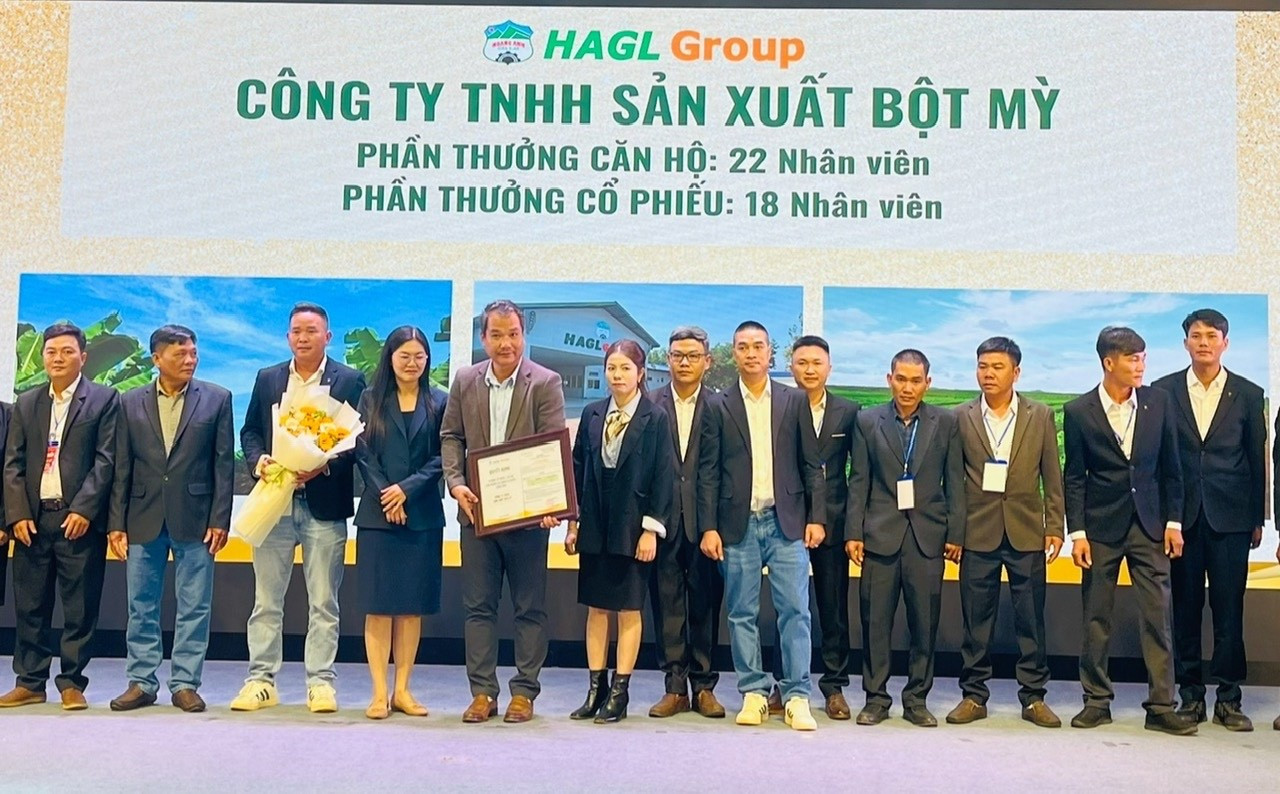
Bau Duc allocates approximately VND 800 billion to reward 500 employees, with 160 receiving apartments and the rest receiving HAG shares.
To survive, Hoang Anh Gia Lai needed to reduce loan interest, which meant selling assets. HAG entered a phase of massive asset liquidation, selling everything from hydropower plants and sugar mills to real estate projects, even its most valuable asset, Hoang Anh Gia Lai Hospital, retaining only the Hoang Anh Gia Lai Football Academy. Alongside asset sales, HAG underwent a comprehensive restructuring, shifting from rubber to short-term cash crops like bananas and durians.
After 10 years of restructuring, HAG’s debt has fallen from VND 36 trillion to just VND 5 trillion, with a significantly improved asset portfolio. The debt-to-equity ratio has dropped from over 2 to 0.4. Secured assets have increased substantially. From cumulative losses in the trillions, Bau Duc now confidently targets an annual profit of VND 2 trillion, calling it “within reach.” His more ambitious goal is VND 5 trillion, or even VND 10 trillion annually in the future.
Bầu Đức’s Company Officially Parts Ways with Hoàng Anh Gia Lai Agrico
Hoàng Anh Gia Lai Joint Stock Company (HAGL), chaired by Mr. Đức, currently holds an 8.24% stake in HAGL Agrico.
Bầu Đức Seeks to Sever Ties with HAGL Agrico
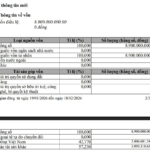
By December 2025, Hoang Anh Gia Lai will retain only approximately 8.24% of HNG’s charter capital, equivalent to over 91.3 million HAGL Agrico shares. From January 8 to February 6, HAGL Agrico registered to sell 91,375,000 HNG shares, aiming to reduce its ownership stake to 0% of the charter capital.
HAGL to Offload Final 91 Million HNG Shares, Marking Official Exit After 15 Years
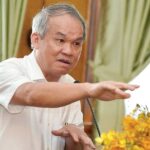
Hoàng Anh Gia Lai Joint Stock Company (HAGL) has announced its intention to sell its entire stake of over 91.3 million shares in HNG, a move aimed at restructuring its investment portfolio. If completed, this transaction will mark the end of HAGL’s decade-long association with HNG as a shareholder.
Who is Hoang Anh Gia Lai’s New Creditor?
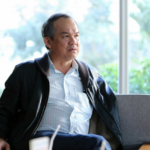
BIDV Bank has successfully transferred the entire debt of the HAGLBOND16.26 bond issuance to DATC Ho Chi Minh City Branch (Vietnam Asset Management Company). This non-convertible bond is asset-backed and features a floating interest rate structure.
Bầu Đức’s Business Transformation
HAG’s homepage has reverted to its previous logo as of April 1, 2024, potentially signaling the end of its partnership with LPBank. This change coincides with the company’s new strategic collaborations with Orient Commercial Joint Stock Bank (stock code: OCB) and OCBS Securities Corporation, marking a fresh chapter in its business journey.