According to the latest data released by the Customs Department, Vietnam’s total import-export turnover for the first half of January 2026 (from January 1 to January 15, 2026) reached an impressive $39.25 billion. This remarkable start underscores the economy’s robust recovery and the business community’s adaptability amidst global geopolitical uncertainties. Within this total, exports amounted to approximately $19.8 billion, while imports reached $19.45 billion, maintaining a slight trade surplus and ensuring a stable trade balance from the outset.
Momentum from Free Trade Agreements and New Orders
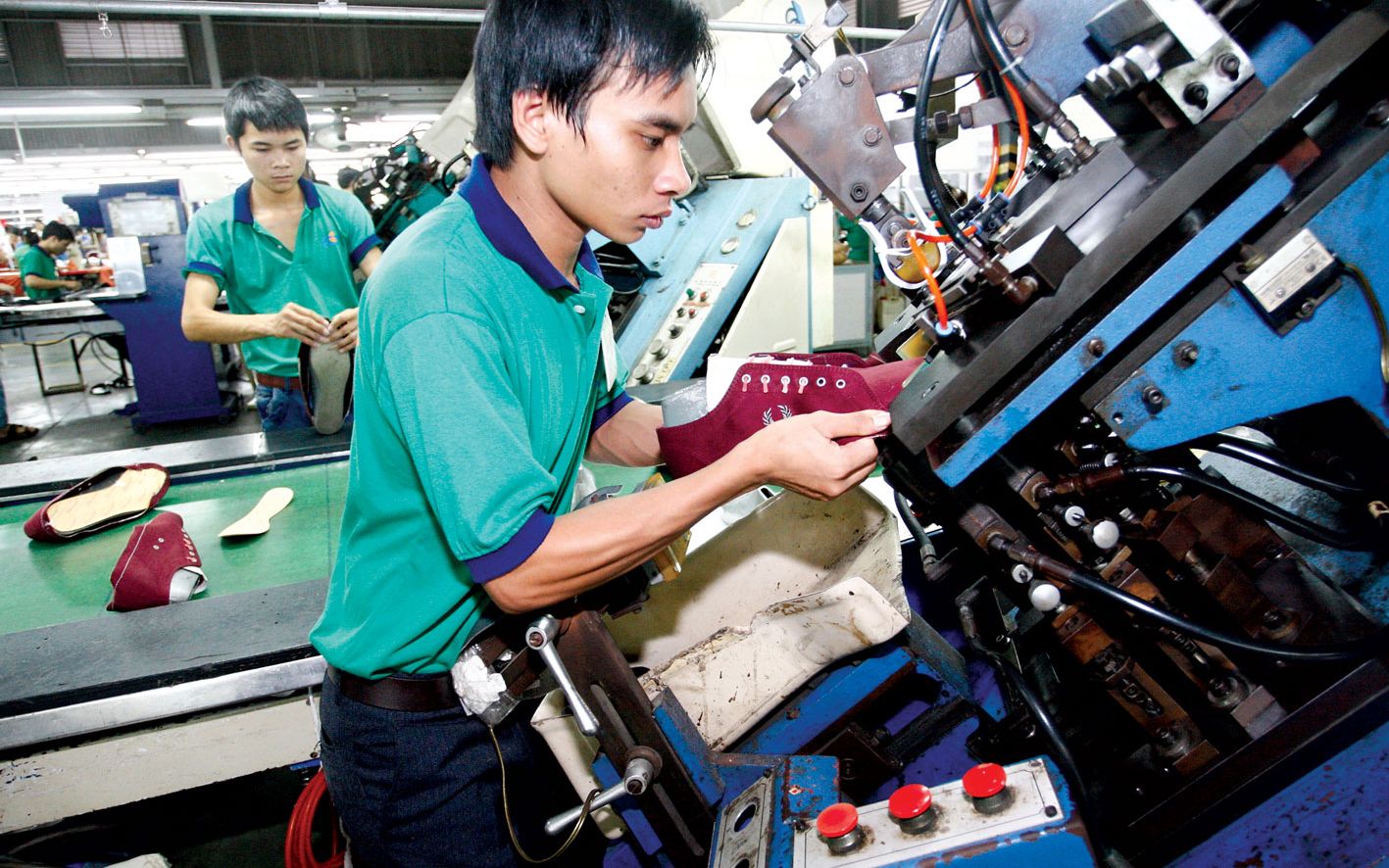
Key sectors such as electronics, computers, textiles, and footwear continue to drive export growth. Effective utilization of new-generation free trade agreements (FTAs) like CPTPP, EVFTA, and RCEP has enabled Vietnamese goods to penetrate demanding markets with preferential tariffs. Notably, traditional markets such as the United States, China, the EU, and ASEAN have maintained double-digit growth rates, reflecting a global rebound in consumer demand after a period of spending restraint.
Ms. Phan Thi Thanh Xuan, Vice Chairwoman of the Vietnam Leather, Footwear, and Handbag Association (LEFASO), stated that businesses in the sector have secured orders until the end of Q2/2026. “The recovery in consumer demand from the U.S. and Europe, coupled with order shifts from neighboring countries, has significantly benefited Vietnam,” noted Ms. Xuan.
However, she emphasized that experts are closely monitoring the EU’s increasingly stringent technical barriers and environmental regulations, such as the EU Deforestation Regulation (EUDR) and the Carbon Border Adjustment Mechanism (CBAM). These challenges necessitate a swift green transition for businesses to sustain long-term growth.
2025 concluded with record-breaking achievements, solidifying Vietnam’s position in the global supply chain. The total import-export turnover for 2025 is estimated at approximately $800 billion, marking over 10% growth compared to 2024. This success is primarily driven by the manufacturing and processing sector, contributing more than 85% to total export turnover.
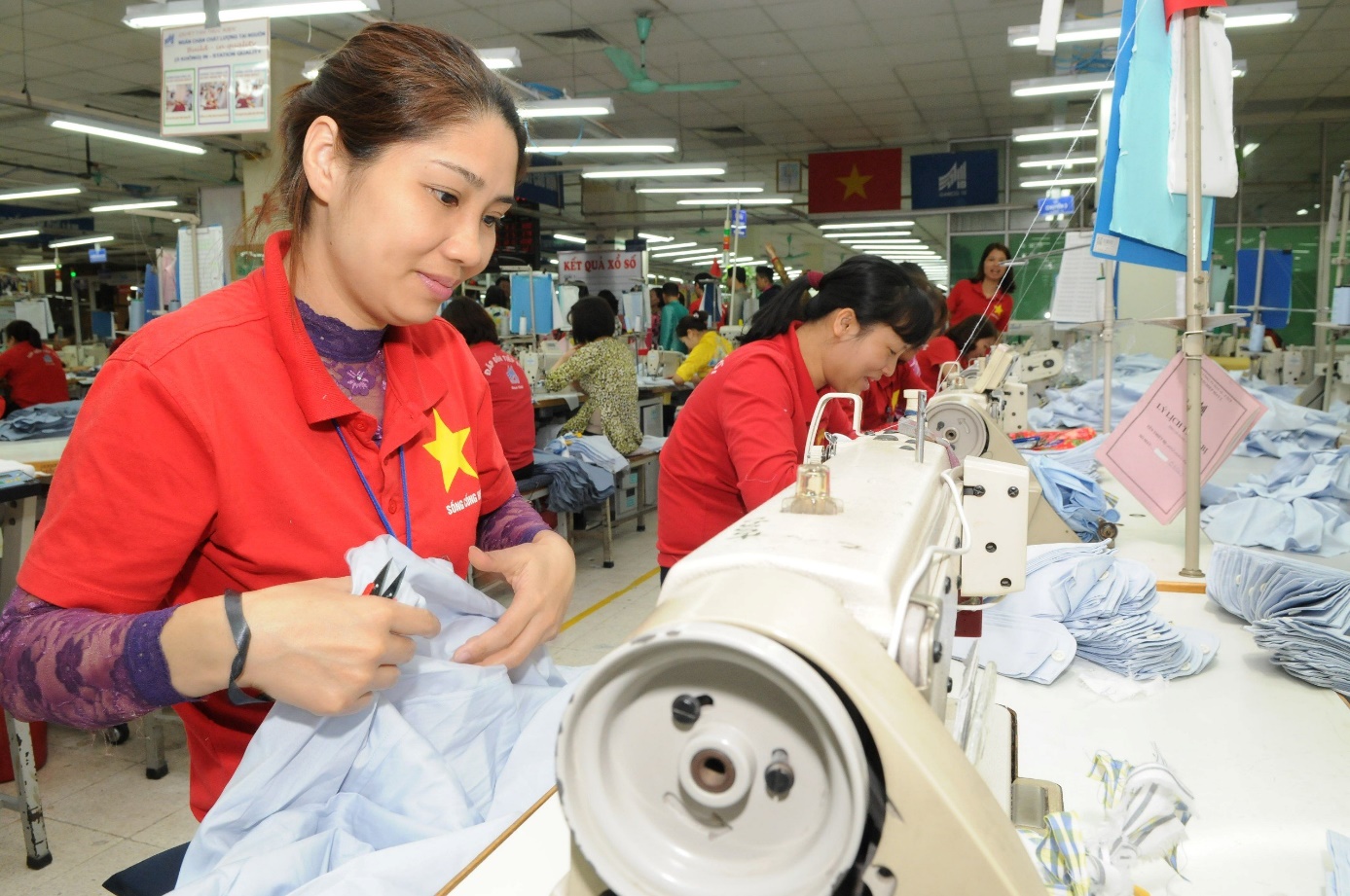
Echoing this optimism, Mr. Nguyen Van Cong, Director of a textile enterprise in Bac Thang Long, shared: “Our production lines have been operating at full capacity since early January. The standout feature of 2026 is that orders have increased not only in quantity but also in sustainability requirements. Our proactive use of recycled materials since 2025 has secured high-value contracts from Nordic partners during the recent holiday season.” This shift underscores a significant transition from processing to responsible production, meeting global standards.
In agriculture, positive trends are evident across raw material regions. Mr. Le Minh Nam, representative of an agricultural export company in Can Tho, reported: “In January, export orders for rice and fruits to China and the Middle East surged by approximately 20% year-on-year. Thanks to stable official export protocols, we no longer face border congestion issues. Our goal this year is to increase the proportion of processed agricultural products to enhance value, rather than exporting raw goods as before.”
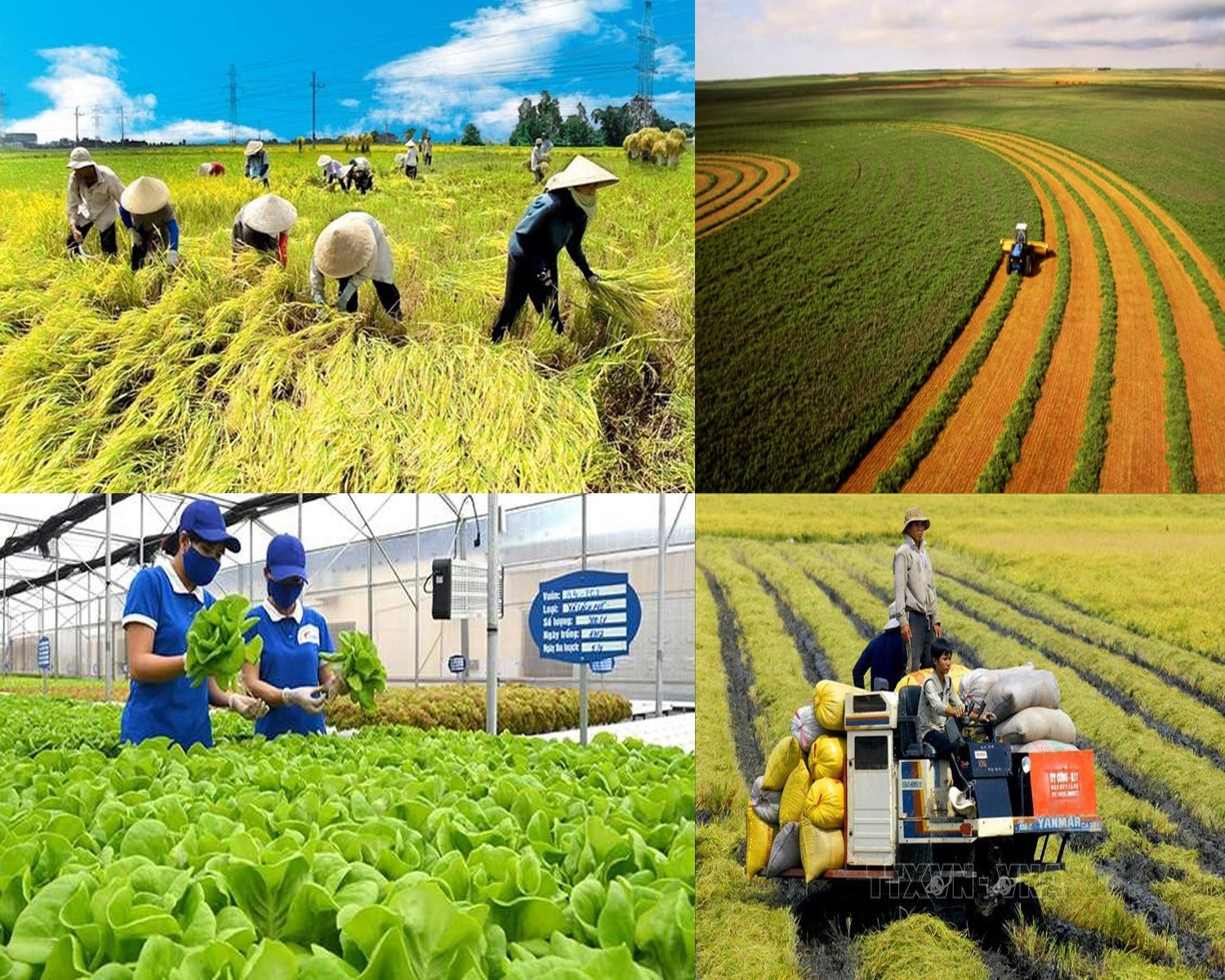
The shift from raw exports to high-tech and deeply processed agricultural products is the most significant legacy of 2025.
Optimizing Logistics Infrastructure to Achieve the $1 Trillion Goal
According to the Import-Export Department (Ministry of Industry and Trade), the most notable highlight of 2025 was Vietnam’s effective utilization of FTAs to expand markets. Exports to FTA-signed markets such as the EU, UK, and CPTPP countries all recorded double-digit growth. Notably, 2025 marked the 10th consecutive year of trade surplus, with an estimated surplus of over $28 billion. This achievement not only stabilizes exchange rates and foreign reserves but also boosts business confidence as they aim for the historic $1 trillion milestone in 2026.
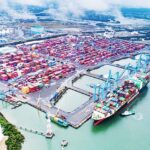
To reach the $1 trillion import-export turnover target by the end of 2026, the government and ministries have prioritized enhancing logistics capacity and port infrastructure. Key projects such as the Can Gio superport and the expansion of Lach Huyen port are accelerating construction, even during the Tet holiday. Reducing logistics costs to below 15% of GDP will significantly enhance Vietnam’s price competitiveness in international trade, especially given ongoing uncertainties in sea freight rates due to tensions in key maritime routes.
Leadership from Saigon Port Corporation reported a sharp increase in cargo volume during the first weeks of the year, prompting the adoption of advanced technology and the promotion of “green ports” and “smart ports” to prevent congestion. The Vietnam Logistics Business Association (VLA) highlights the growing synergy between road, waterway, and air transport, forming a seamless and efficient supply chain.
Commenting on the early-year trade performance, economist Tran Du Lich praised the impressive start but offered insightful recommendations. He noted that while the $39 billion figure for the first half of January is encouraging, achieving the $1 trillion goal requires more than just quantitative growth.
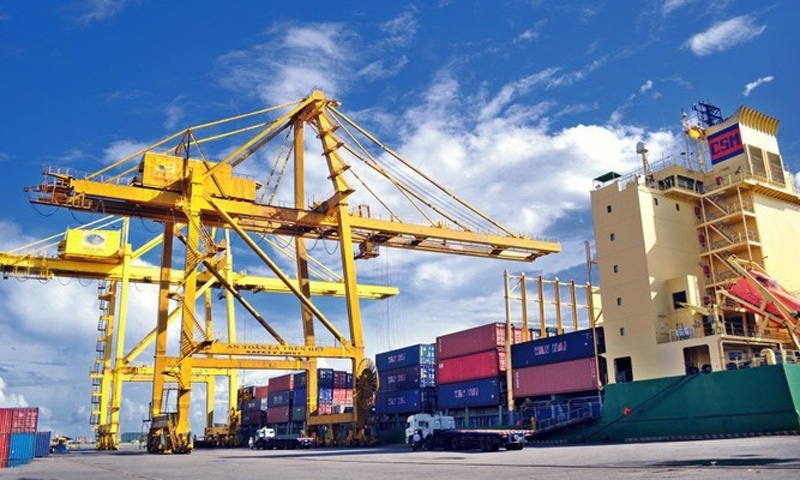
Border gates and seaports nationwide are bustling with activity during these early days of the year.
“It is essential to promote official exports and build a strong national brand to ensure that the value of the $1 trillion goal genuinely benefits Vietnamese citizens and businesses,” Mr. Lich emphasized. He also urged the government to continue administrative reforms and digital transformation in customs and specialized inspections to unleash business potential.
On-the-ground observations reveal a bustling atmosphere at border gates and seaports nationwide during the early days of 2026. At the Huu Nghi International Border Gate and ports in Hai Phong and Ho Chi Minh City, cargo trucks depart from the early morning hours. The synergy between government policies and business dynamism is creating a positive momentum. If this pace is maintained, the $1 trillion import-export turnover goal for 2026 will transition from theory to reality, cementing Vietnam’s new position on the global economic map./.
Can Tho to Merge Three Lottery Companies This Year
By 2026, Can Tho plans to divest state capital from three enterprises and merge three lottery companies. Throughout the year, the city will host 113 non-budget investment projects, totaling nearly VND 93 trillion in investment capital.
Repositioning the Service Sector in the Economy
As Vietnam embarks on its “era of national ascent,” aiming for double-digit growth by 2026, the strategic identification of key industries for focused investment has never been more critical.
Local Fabrics and Handcrafted Techniques Propel Fashion Businesses to Success
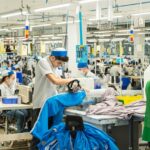
Elevate your brand with Vietnam’s textile industry, where heightened localization of raw materials, sustainable practices, and innovative design converge to redefine global standards. These pivotal elements set us apart, ensuring unparalleled quality and distinction in every product.
Countdown to Launch: $2 Billion Mega-Project Set to Revolutionize Vietnam’s Logistics Landscape in 5 Days
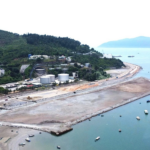
Unveiling a sprawling 172.6-hectare masterpiece, this project redefines grandeur on an unprecedented scale.
Driving Export Growth in 2026: Strengthening Institutional Frameworks and Combating Origin Fraud
Mr. Tran Thanh Hai, Deputy Director of the Import-Export Department (Ministry of Industry and Trade), stated that in 2026, the total export turnover is projected to increase by over 8% compared to 2025. Simultaneously, the trade balance is expected to maintain a surplus of more than $23 billion, marking a 15% rise from the previous year.