



Mr. Dao Quang Duong, Head of the Land Economy Department at the Ho Chi Minh City Department of Agriculture and Environment, provided this information during a press conference on economic and social issues in the city on the afternoon of January 29th.
According to Mr. Duong, the 2024 Land Law and Resolution 254 of the Ho Chi Minh City People’s Council clearly outline the cases where land price tables should be applied. However, in practice, many localities and residents are still uncertain, especially during the period when the city has not yet issued land price adjustment coefficients.
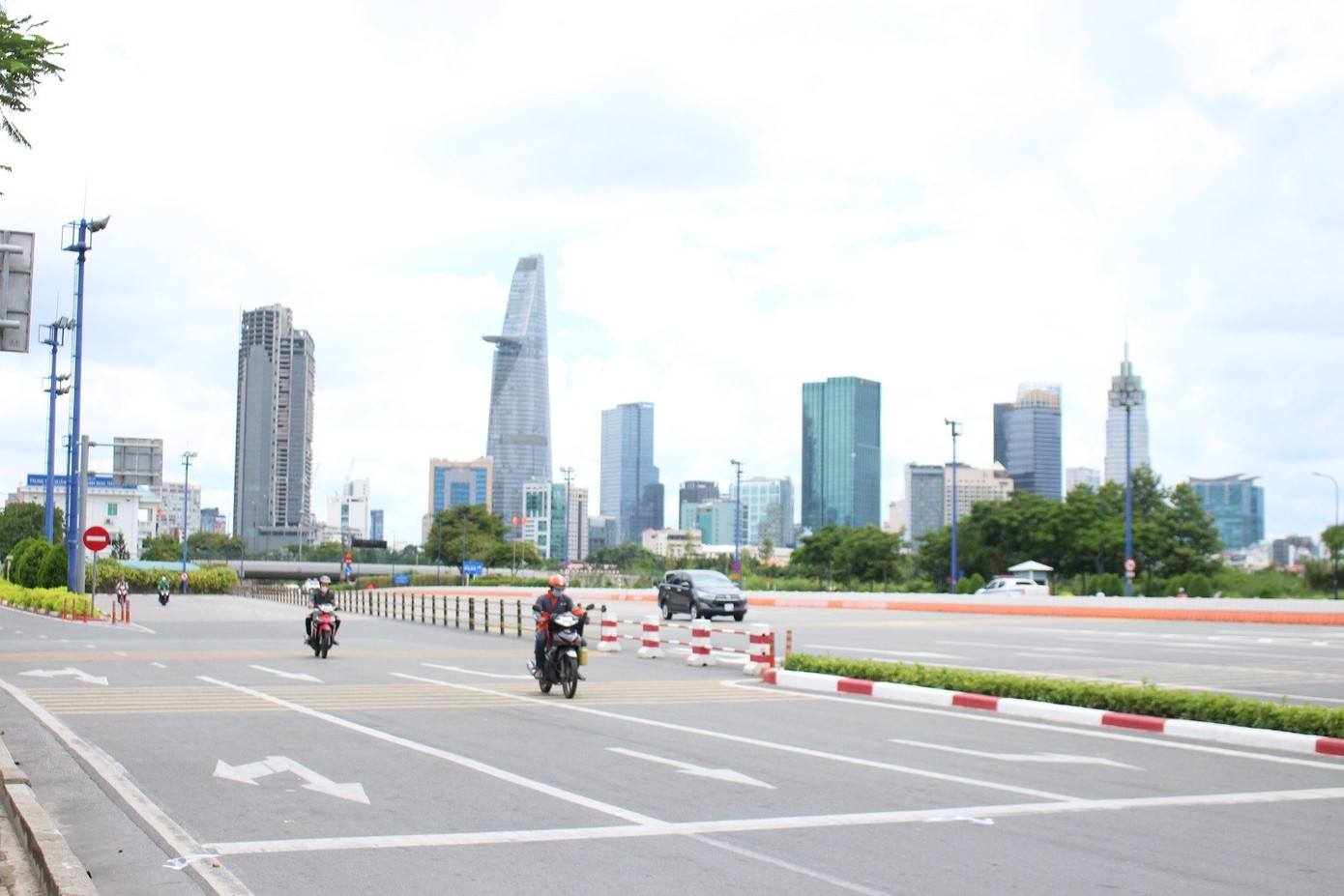
Ho Chi Minh City and other provinces will issue land price adjustment coefficients no later than July 1, 2026.
Mr. Duong explained that the 2024 Land Law identifies 12 cases related to land finance, not all of which directly apply land price tables. After reviewing and analyzing, the Department of Agriculture and Environment determined that 5 cases will continue to directly apply land price tables. These include calculating land use tax, tax on changing land use purposes for households and individuals, fees and charges, fines for administrative violations in land management, and compensation to the state for damages in land management and use.
For the remaining 7 cases, including calculating land use fees when recognizing land use rights, converting agricultural land to residential land, or calculating land rent, the Law and Resolution 254 require the application of land price tables along with adjustment coefficients. However, provinces and cities must issue these coefficients no later than July 1, 2026.
During the period without adjustment coefficients, Mr. Dao Quang Duong emphasized that these cases will continue to apply the current land price tables. This is crucial, as it allows residents to proactively complete land-related procedures, avoiding unnecessary delays or concerns about unexpected costs.
Regarding compensation and site clearance—a key focus for Ho Chi Minh City as it prepares to implement numerous park, infrastructure, and urban renewal projects—Mr. Duong noted that the 2024 Land Law still requires hiring consulting units to determine compensation prices using the adjustment coefficient method. In the absence of issued coefficients, localities will continue to hire consultants to determine land prices in accordance with the Law, ensuring project timelines are not disrupted.
To ensure uniform understanding and implementation, the Ho Chi Minh City Department of Agriculture and Environment has conducted training and guidance on Resolution 254 and Resolution 87 regarding land price tables for 168 wards, communes, and special zones across the city. The Department is also expediting the development of land price adjustment coefficients to meet regulatory deadlines.
Mr. Duong added that the Department has received numerous inquiries from wards, communes, and special zones seeking specific guidance on emerging situations. Based on the 2024 Land Law and related resolutions, the Department has issued detailed instructions to help localities apply regulations uniformly, prevent procedural bottlenecks, and protect residents’ legitimate rights.
The Ho Chi Minh City Department of Agriculture and Environment advises residents, households, and individuals planning to change land use purposes, recognize land use rights, or engage in compensation and land reclamation to familiarize themselves with current regulations. This proactive approach will help dispel confusion caused by inaccurate information about land prices and financial obligations.
Critical Bridge in Ho Chi Minh City Deemed Unsafe: Repairs Underway on Expansion Joints

Phú Cường Bridge, originally constructed in the late 1960s, underwent a complete rebuild with construction commencing in November 2004.
Ho Chi Minh City Announces Official Pricing Framework for Public Housing Units
Our comprehensive pricing framework includes operational management fees, maintenance costs, and property leasing administration expenses for official residences.
Social Housing Tycoon Proposes New Initiative Following 50,000-Unit Commitment

The Chairman of HQC believes that most real estate companies and individuals already own land. The key challenge lies in establishing an appropriate mechanism to convert these land reserves into affordable housing developments.
Infrastructure Giant Proposes $20 Billion Project to Alleviate Traffic Congestion at Eastern Gateway of Vietnam’s Most Populous City
This project is seamlessly integrated with the urban development strategy following the TOD (Transit-Oriented Development) model at the Hang Xanh intersection area.
Sacombank Logo Unexpectedly Appears at Thaigroup’s Headquarters

Several Sacombank branches have relocated their operations to Thaigroup’s headquarters, which previously served as LPBank’s Southern Office.