Nuclear Power Accounts for 70% of France’s National Electricity
As the demand for energy to support socio-economic development continues to rise, Vietnam faces significant challenges in ensuring long-term energy security while fulfilling its commitments to reduce greenhouse gas emissions.
Alongside renewable and traditional energy sources, nuclear power is seen as a viable option capable of providing large, stable, and low-carbon energy output.
However, implementing nuclear power projects raises complex questions regarding environmental impact, safety, risk management, and effects on local communities, necessitating discussions grounded in scientific evidence and international experience.
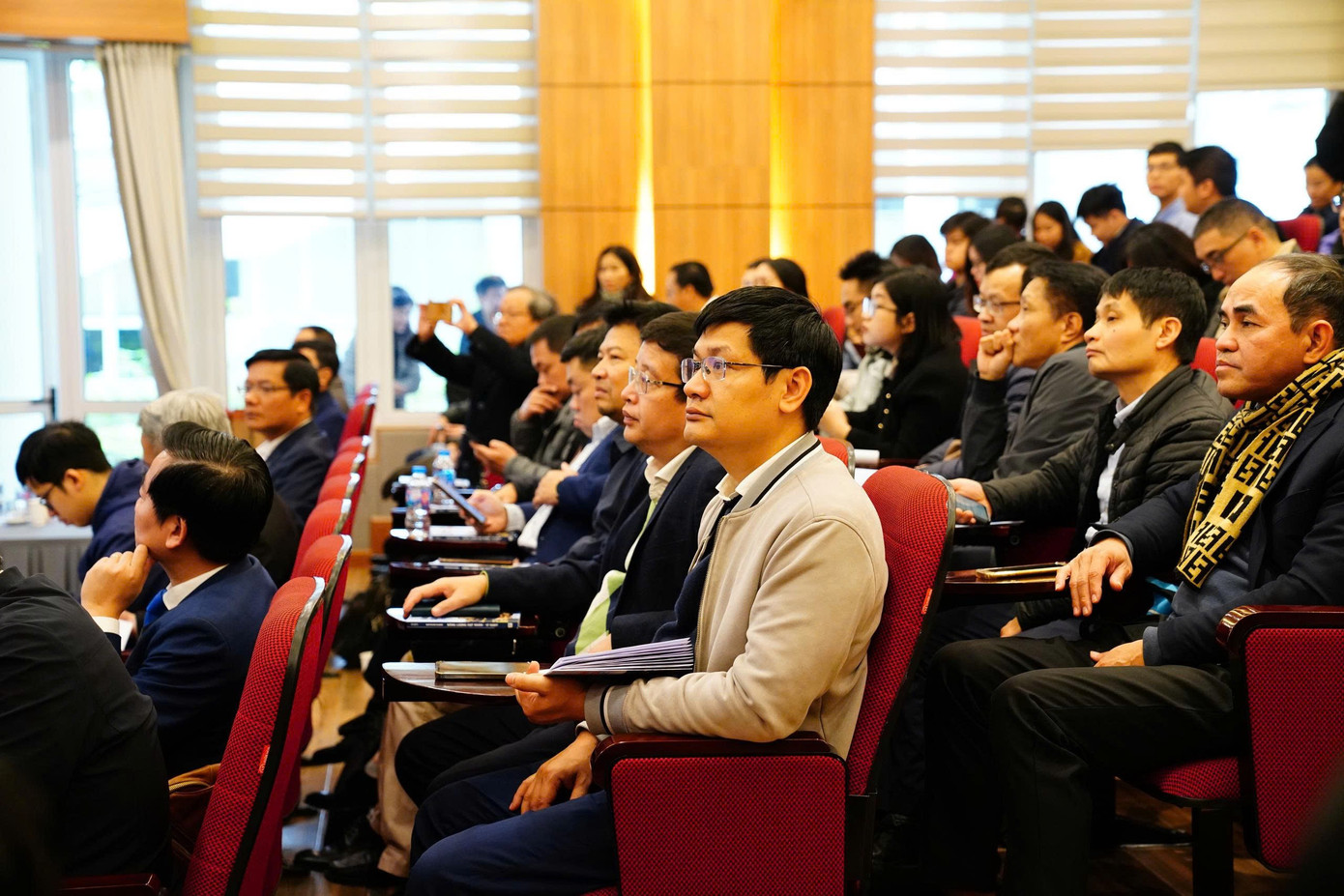
Delegates participating in the nuclear power seminar.
Dr. Phạm Tuấn Hiệp, an expert from the French Electricity Corporation (EDF) and Secretary-General of the Vietnamese Nuclear Energy Experts Network Abroad (VietNuc), analyzed international experiences in nuclear power development, particularly in countries with high nuclear energy shares like France.
Dr. Hiệp noted that nuclear power constitutes approximately 70% of France’s national electricity, involving around 2,000 companies and 220,000 workers directly or indirectly engaged in this sector. France is heavily investing in the future of nuclear energy, focusing on upgrading and extending the lifespan of existing units, launching six new Generation III+ reactors (EPR2), advancing fuel enrichment and recycling technologies, researching small modular reactors, and developing long-term waste disposal solutions.
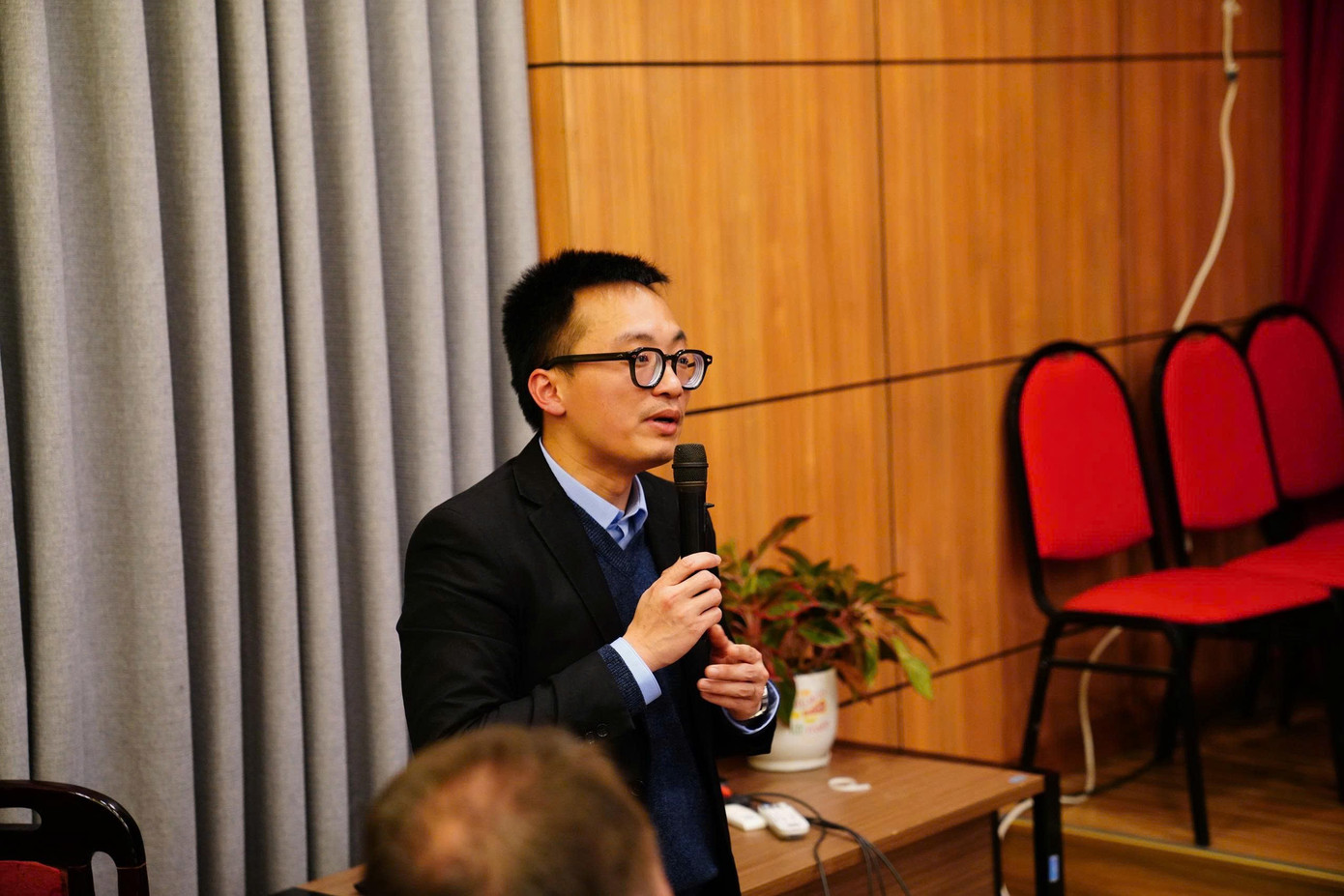
Dr. Phạm Tuấn Hiệp, expert from the French Electricity Corporation (EDF) and Secretary-General of VietNuc.
Highest Level of Risk Management Required
Lessons from international practices demonstrate that nuclear power is not a “magic solution” but a choice demanding long-term preparation, serious investment, and the highest level of risk management.
He emphasized that the success of nuclear power depends not only on reactor technology but also on institutional frameworks, independent oversight mechanisms, safety culture, and the quality of human resources. Workforce training is a priority, playing a crucial role in ensuring safety throughout the design, construction, and operation of nuclear power plants over their entire lifecycle.
Nuclear workforce training should be based on the “golden triangle” involving businesses, research institutes, and universities. Businesses provide practical needs, internship opportunities, and funding; research institutes focus on fundamental and applied research, technology development, and safety assurance. Universities are tasked with producing high-quality human resources, blending theory with practice.
Assoc. Prof. Dr. Vương Hữu Tấn, former Director of the Vietnam Atomic Energy Institute (VINATOM) and former Director of the Radiation and Nuclear Safety Authority, stressed that nuclear power projects differ from other energy projects due to national responsibilities in ensuring safety, security, non-proliferation, and nuclear liability.
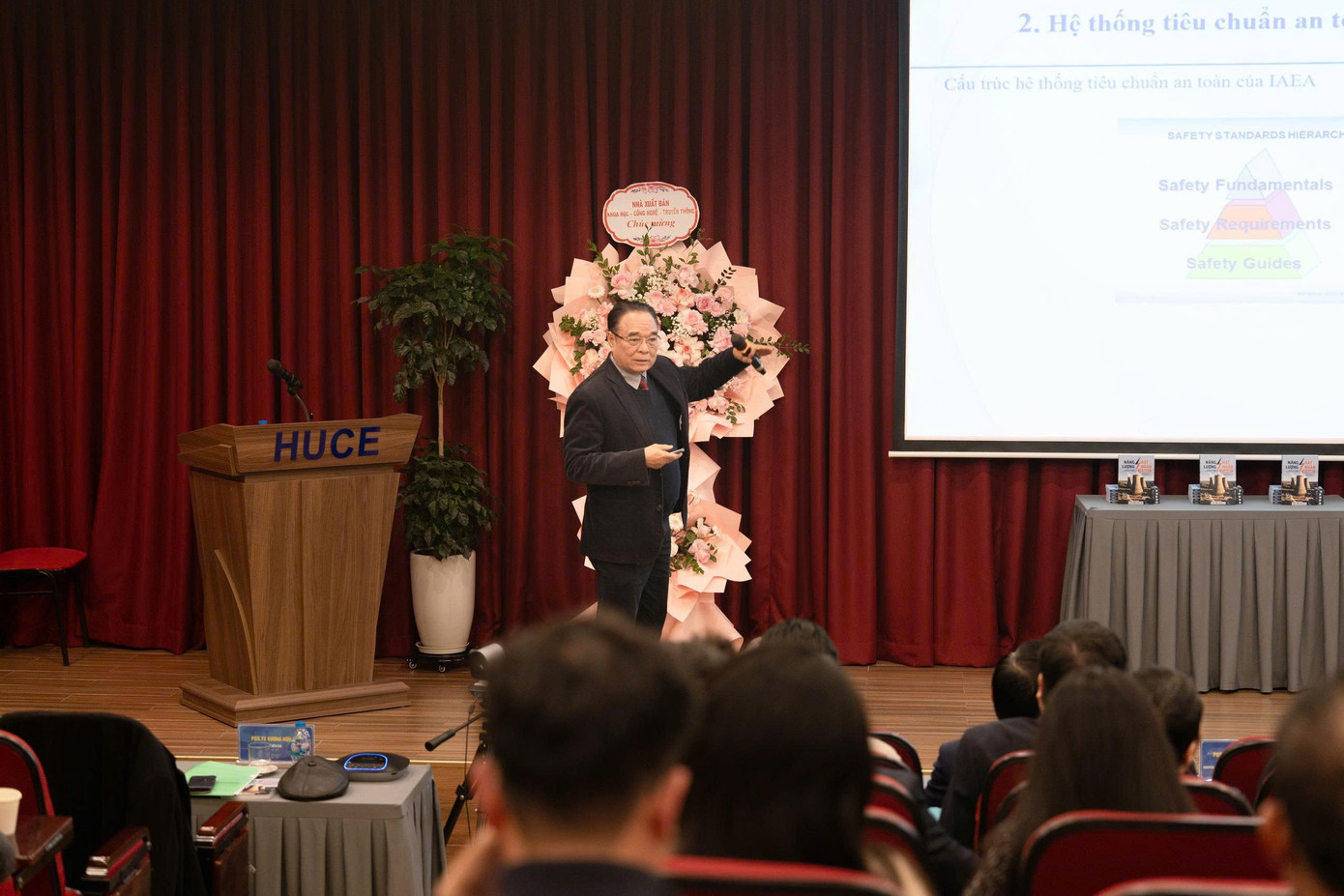
Assoc. Prof. Dr. Vương Hữu Tấn, former Director of VINATOM and the Radiation and Nuclear Safety Authority, presenting at the seminar.
To implement national nuclear power projects, it is essential to develop the necessary infrastructure in accordance with International Atomic Energy Agency (IAEA) guidelines and fulfill international treaties related to national responsibilities.
Dr. Tấn believes that mastering and localizing nuclear power technology is a critical component of the long-term nuclear power development program. Mastering and localizing construction technology must begin with the first project. Therefore, national capabilities for this task should be prepared early, with a focus on prioritizing the development of nuclear construction workforce training.
Market Struggles to Generate Widespread Momentum: Experts Highlight Two Stock Groups Poised to Attract Significant Short-Term Capital
From a personal perspective, Mr. Huy believes that at this current stage, accurately predicting which sector will experience a significant surge in the upcoming week is no simple task.
Secretary General Tô Lâm Assigns Key Responsibilities to Petrolimex
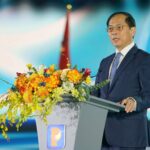
On the morning of January 12th, during the 70th-anniversary celebration of its establishment, Petrolimex (Stock Code: PLX) was honored with the First-Class Labor Order and a congratulatory letter outlining strategic directives from General Secretary Tô Lâm. The prestigious ceremony was witnessed by Deputy Prime Minister Bùi Thanh Sơn.
Massive 96 km² Oil Field Discovered at Vietnam’s Largest Crude Oil Supplier, Holding 3.2 Billion Barrels of Reserves

The primary geological formation at the site alone is estimated to hold approximately 2.1 billion barrels of light crude oil and 144 billion cubic meters of natural gas.
Sacombank Announces 2025 Business Results: Proactively Boosting Provisions to Strengthen Financial Security Foundation

Sacombank (HOSE: STB) has unveiled its 2025 business results. Amid a volatile economic and financial landscape, the bank has sustained stable core operations while proactively bolstering credit risk provisions to fortify asset quality and financial foundations for future growth.
“Chairman Nguyen Tuan Hai of Alphanam: Avoiding the ‘Timid’ and ‘Overconfident’ Mindsets in Business Planning”

When businesses align closely with the nation’s development direction, they harness the collective power of policies, government support, and societal unity—Mr. Hải stated.