















The Tax Policy Management and Supervision Department under the Ministry of Finance has recently issued a response to businesses regarding the application of non-cash payment vouchers for salary and wage payments to employees. This clarification aims to determine eligible expenses for deduction when calculating corporate income tax.
According to Article 9, Clause 1(c) of the 2025 Corporate Income Tax Law, businesses can deduct expenses when determining taxable income if they meet the following conditions: the expenses must have valid invoices and non-cash payment vouchers as per legal requirements, except in specific cases outlined by the Government.
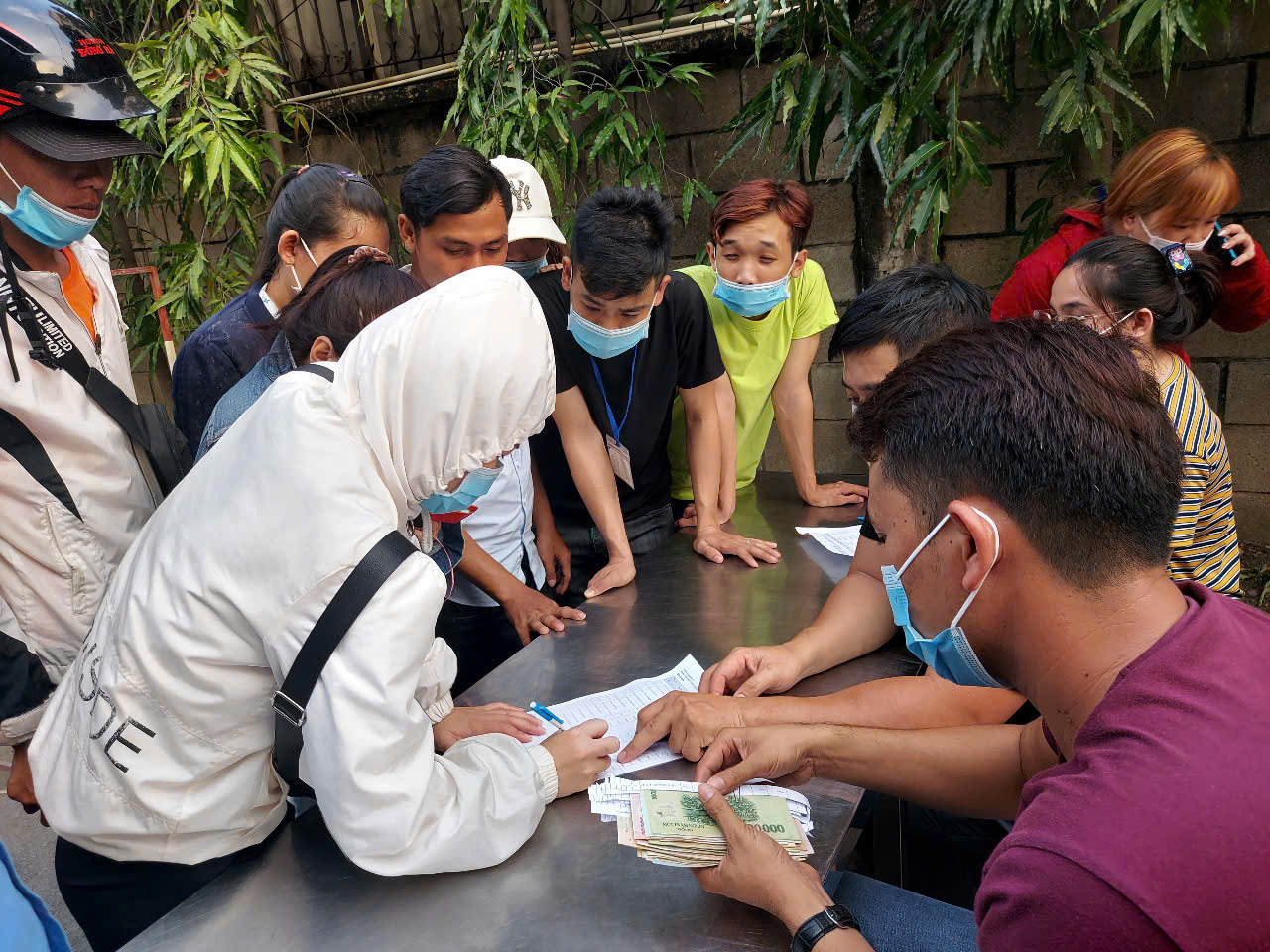
Salary payments of 5 million VND or more require non-cash payment vouchers for tax deduction eligibility.
Additionally, Article 9, Clause 1 of Decree No. 320/2025/NĐ-CP stipulates that businesses can deduct expenses when determining taxable income if they meet the following conditions: the expenses must be directly related to the company’s production and business activities; the expenses must have valid invoices and vouchers as per legal requirements; and non-cash payment vouchers are mandatory for purchases of goods, services, and other payments of 5 million VND or more. Non-cash payment vouchers must comply with regulations outlined in value-added tax legislation.
Furthermore, Article 10, Clause 8(a) of Decree No. 320/2025/NĐ-CP specifies expenses that are not deductible when determining taxable income. These include salary, wage, and other payments to employees that have been recorded as production and business expenses but were not actually paid or lack valid payment vouchers as required by law.
Based on the above regulations, if a business’s salary and wage payments to employees meet the conditions outlined in Article 9, Clause 1 of Decree No. 320/2025/NĐ-CP and do not fall under the non-deductible expenses listed in Article 10, Clause 8 of the same decree, these payments are eligible for deduction when calculating corporate income tax.
For salary and wage payments of 5 million VND or more made to employees from the effective date of Decree No. 320/2025/NĐ-CP (December 15, 2025), businesses must provide non-cash payment vouchers to qualify for tax deductions. The determination of non-cash payment vouchers is governed by Article 26 of Decree No. 181/2025/NĐ-CP.
Breaking: New Guidelines from the Ministry of Finance’s Agency on Conditions for Salaries Above 5 Million VND to Qualify as Legitimate Expenses for Corporate Income Tax Calculation

The Tax Policy and Fee Management Department (Ministry of Finance) has issued a detailed directive outlining specific guidelines.
SVT Fined for Tax and Invoice Violations

As of January 19, 2026, SVT has incurred total penalties, tax arrears, and late payment fees exceeding 350 million Vietnamese dong.
Can Businesses Deduct Cash Salaries Over 5 Million VND/Person When Calculating Corporate Income Tax? Ministry of Finance Responds

The Ministry of Finance has released comprehensive clarifications and guidance specifically tailored to address the concerns and inquiries of businesses.
Must Condominium Management Boards Issue Invoices, Declare, and Pay Taxes?

The Tax Department clarifies public concerns regarding whether residential management boards must issue invoices, declare, and pay taxes when collecting and disbursing funds for management operations, water usage, parking fees, and other related expenses.
Can Cash Payments of VND 5 Million Be Deducted for Corporate Income Tax? Tax Authorities Clarify
The tax authority has recently provided specific guidance regarding businesses paying employee salaries in cash or in-kind, valued at 5 million VND or more per transaction. This clarification comes in the context of Decree No. 320/2025/NĐ-CP, which implements the Corporate Income Tax Law and officially takes effect from the 2025 tax year.