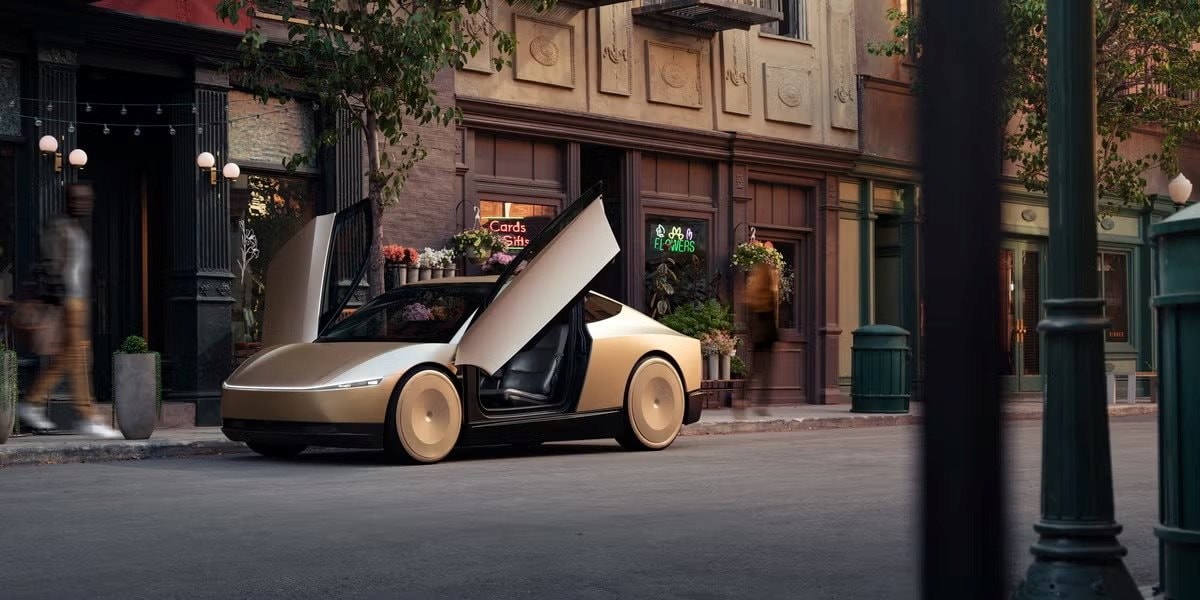
Tesla’s bold shift: Doubling down on autonomous vehicles and humanoid robots.
According to Reuters, Tesla has announced plans to double its investment to a record-breaking $20 billion this year, surpassing its 2024 expenditure of $11.3 billion.
Significantly, this massive allocation will largely bypass its traditional electric vehicle (EV) business. This strategic pivot comes as Tesla recently lost its global EV sales crown to China’s BYD.
Instead of reclaiming automotive market share, Tesla is channeling resources into unproven ventures like fully autonomous vehicles and humanoid robots. The self-driving car market alone is projected to generate $5 trillion in revenue by 2035.
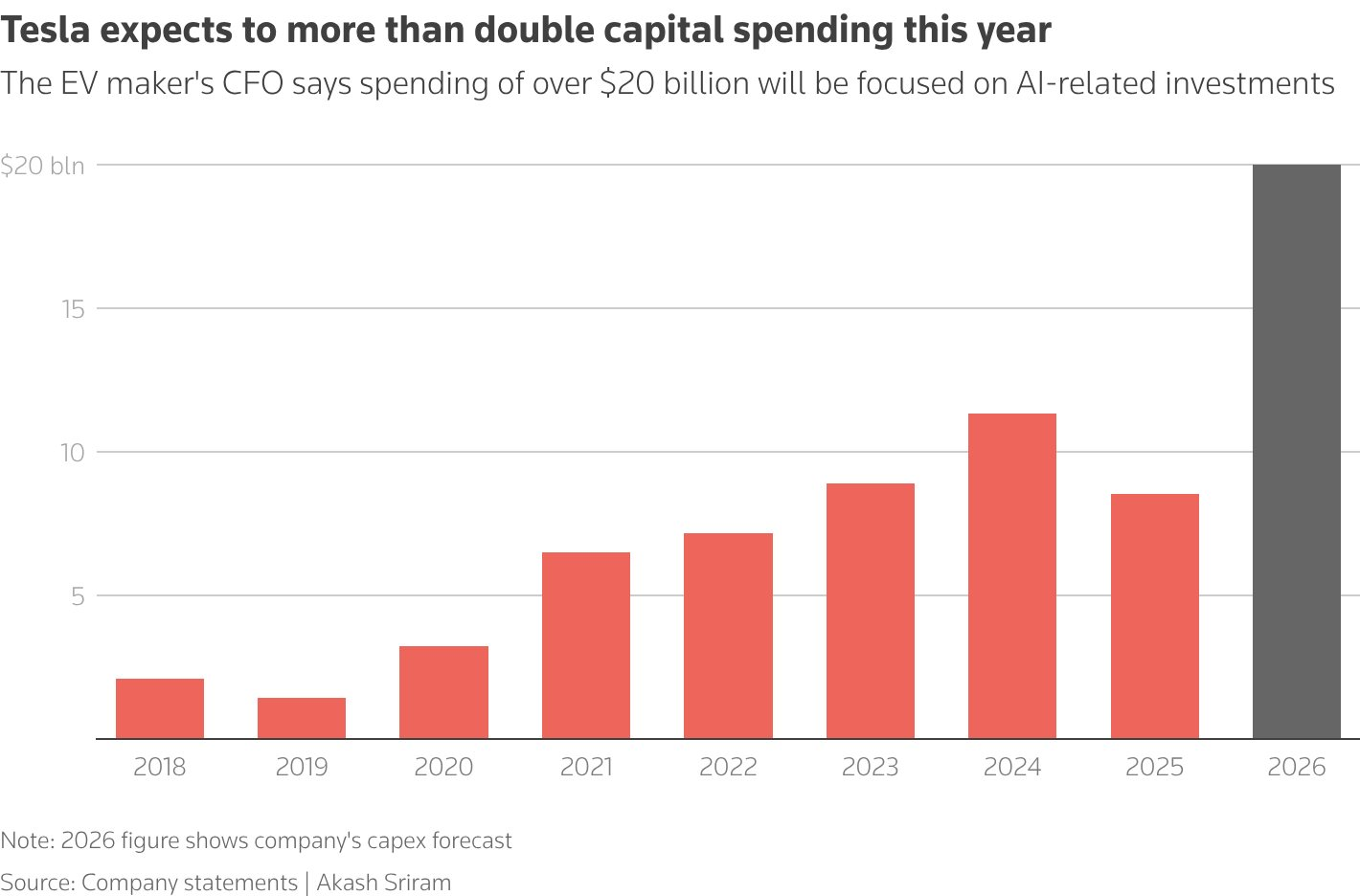
Tesla’s spending has surged dramatically in recent years.
The most surprising revelation is CEO Elon Musk’s announcement to discontinue production of the iconic Model S sedan and Model X SUV.
Tesla’s California facility will be repurposed to prioritize manufacturing the Optimus humanoid robot. Musk hailed this as an investment year for a “brilliant future.”
However, Musk acknowledged challenges ahead, including in-house lithium refining due to the lack of partners capable of meeting Tesla’s production demands.
CFO Vaibhav Taneja added that the record budget will also fund development of the Cybercab (a driverless taxi), Semi truck, and battery production complexes.
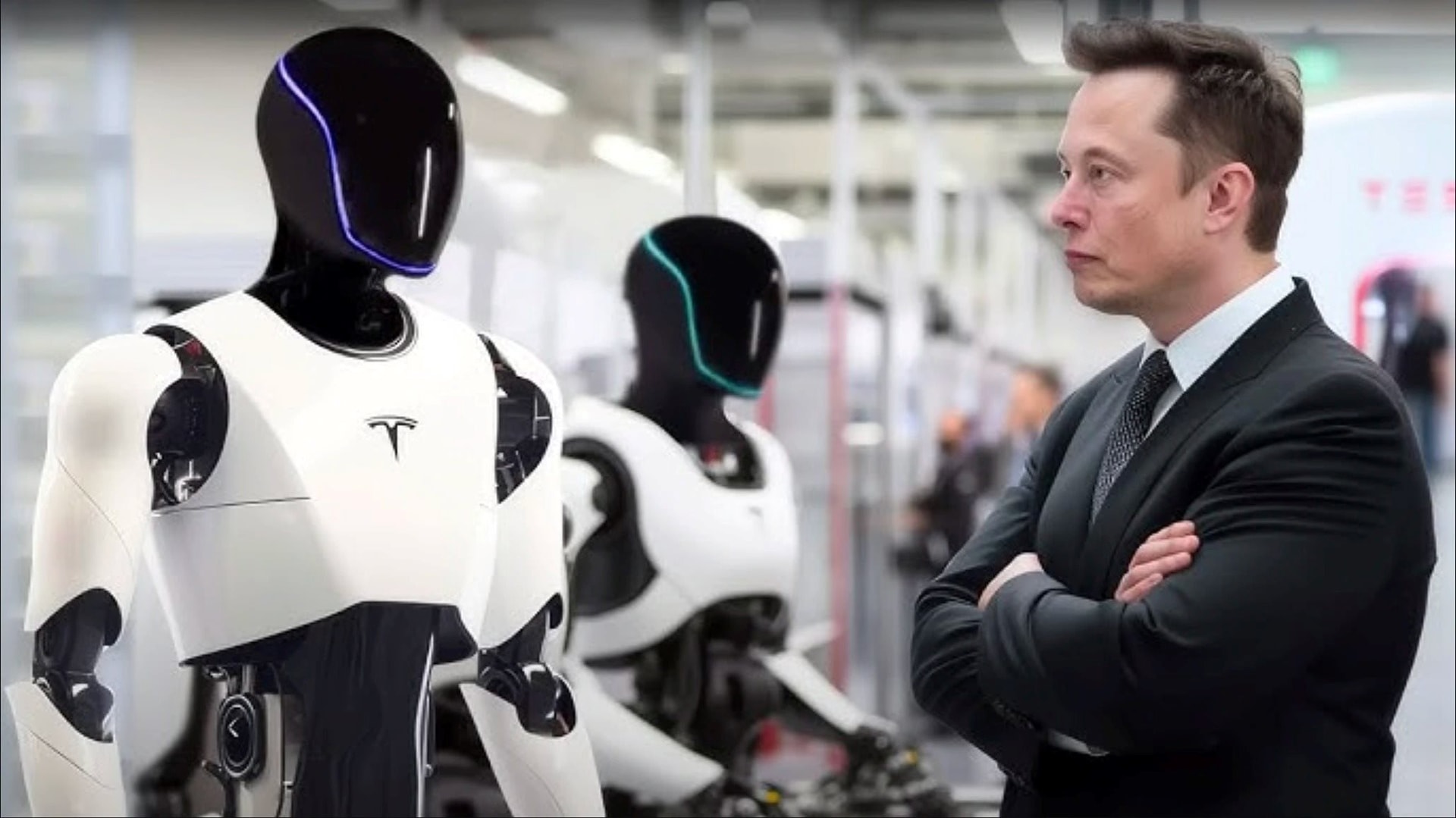
The Optimus robot and Cybercab are positioned as Tesla’s future cornerstones.
While Tesla’s current revenue relies on human-driven EVs, its market valuation mirrors AI giants like Meta and Microsoft.
Investors are betting on Musk’s ability to deliver robotaxi promises, transforming Tesla into an AI infrastructure powerhouse.
This transition isn’t without hurdles—Tesla’s profits dipped last year amid fierce competition.
Yet, with $44 billion in cash reserves, Tesla remains committed to funding its hardware and data center arms race.
Financial analysts stress that commercializing Optimus or Cybercab requires Tesla to build the world’s most advanced AI training system.
This isn’t merely a business strategy but a high-stakes gamble to redefine Tesla’s operational model for the AI era.
Elon Musk’s Shocking Claim: “China Listens to Everything I Say and Then Copies It”
“The sun holds the answer to everything,” Musk remarked, his admiration for China unmistakable.
“‘He’s an Absolute Fool’: Elon Musk Calls for Ryanair CEO’s Ouster Over Refusal to Add $1 Passenger Fee”
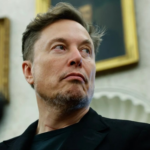
Why would Ryanair’s CEO prefer a public lashing from Elon Musk over spending an extra dollar on passengers?
Heart Tam Duc Hospital Declares Additional 10% Cash Dividend
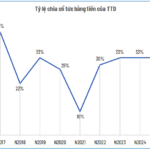
Heart Tam Duc Joint Stock Hospital (UPCoM: TTD) announces the finalization of the shareholder list for the interim dividend payment in cash for the second phase of 2025. The ex-dividend date is set for January 23rd.
AI Will Claim Many Jobs, But the Next 20-30 Years Remain a Game of Human Intelligence, Warns PNJ CEO Lê Trí Thông
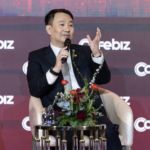
Mr. Le Tri Thong believes that humanity must evolve at an accelerated pace to harness and lead technological advancements.
China Reaches New ‘Frontier’ in Robotics: Transforming Any Material, Even Sneaker Fabric, into Robots
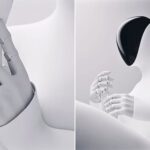
The integration of elastic materials and 3D printing technology, originally pioneered in the footwear industry, is now revolutionizing humanoid robotics by enabling unprecedented agility and fluid motion.