






Unlocking Transportation: A Growth Catalyst for Can Gio
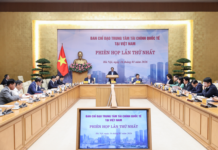
Speaking at the seminar on Developing Can Gio into a New Tourism Growth Pole for Ho Chi Minh City on the afternoon of January 29, Mr. Pham Huy Binh, Director of the Ho Chi Minh City Department of Tourism, highlighted that as Ho Chi Minh City enters a new development phase, Can Gio holds a strategic position in the city’s urban, ecological, and tourism spatial development structure.
Can Gio is poised to transform from a “hard-to-reach area” into a new growth pole for Ho Chi Minh City, thanks to the synchronized development of transportation infrastructure. The city is heavily investing in a series of transportation projects connecting Can Gio.
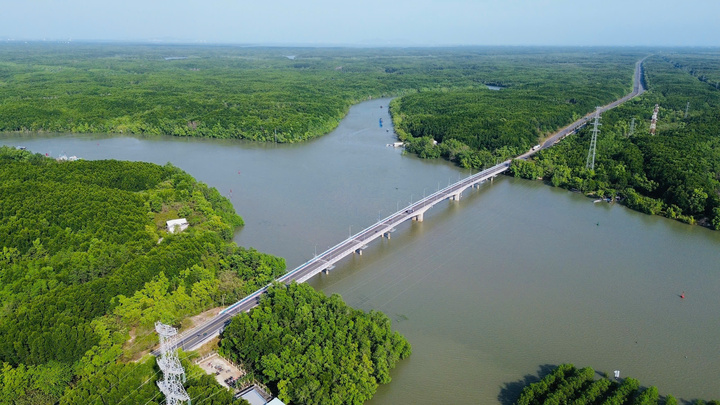
Often referred to as the green lung of Ho Chi Minh City, Can Gio has long been hindered by limited accessibility due to transportation constraints.
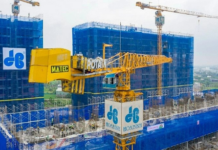
In 2025 alone, several ambitious and transformative projects have been launched, including the Ben Thanh – Can Gio high-speed railway, the Can Gio Bridge, the connection of the Ben Luc – Long Thanh Expressway with the Rung Sac intersection, and the Can Gio sea-encroaching mega-urban project. Additionally, the sea-crossing bridge connecting Can Gio to Vung Tau is in the preparatory stages for construction.
Once these transportation routes are completed by 2030, travel time from downtown Ho Chi Minh City to Can Gio will be reduced to under 13 minutes via metro lines. In the near future, international visitors arriving at Long Thanh Airport will be able to easily connect to Can Gio for tourism and leisure through the inter-regional infrastructure system.
According to Mr. Binh, beyond road transport, water routes from Bach Dang Wharf to Can Gio and Vung Tau are also being revitalized with unique aquatic tourism products. This lays the foundation for Can Gio to evolve from an “ecological oasis” into a premium tourism destination, while promoting a balanced and sustainable redistribution of Ho Chi Minh City’s tourism development space.
Aiming for 40 Million Visitors Annually
Can Gio boasts a rare mangrove ecosystem recognized by UNESCO, a coastline exceeding 23km, and a mangrove forest area of over 75,000ha, earning it the nickname “the green lung” of the region. Its abundant land resources and distinctive fishing village culture are invaluable assets for developing green, ecological, and high-end resort tourism models tied to local traditions—a growing interest among both domestic and international travelers.
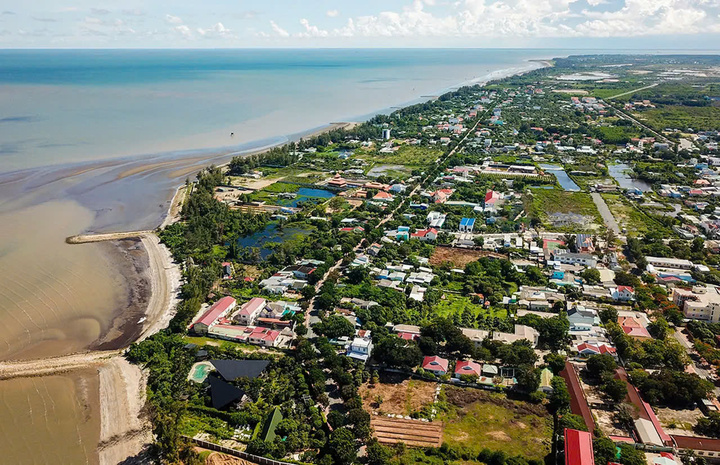
Experts emphasize that Can Gio’s development must leverage its inherent strengths as an ecological tourism destination.
For years, the region’s potential has been stifled by limitations in infrastructure, transportation, and development space.
According to Ms. Nguyen Thi Hoa, Marketing Director of Vinpearl Corporation, once the Vinhomes Green Paradise sea-encroaching project is operational, it is expected to attract 40 million visitors annually. This ambitious goal is based on the project’s design to become Ho Chi Minh City’s largest landmark and Vietnam’s most unique destination, featuring world-class resort, entertainment, and cultural festival facilities catering to all age groups.
“With its proximity to Ho Chi Minh City, Can Gio is ideally positioned to become a destination for ‘quick trips, extended stays, and frequent returns.’ We believe large-scale events will create a tourism boom and foster regular visits to Can Gio.
Coupled with cultural festivals, Rung Sac tours, and international experiential activities, these initiatives will propel Can Gio into a year-round vibrant destination, solidifying its reputation as Vietnam’s new international tourism hub. This location will emerge as a world-class tourism destination, attracting approximately 40 million visitors annually,” stated Ms. Hoa.
However, transforming Can Gio into a new tourism growth pole is not solely the responsibility of the tourism sector but requires restructuring Ho Chi Minh City’s service economy.
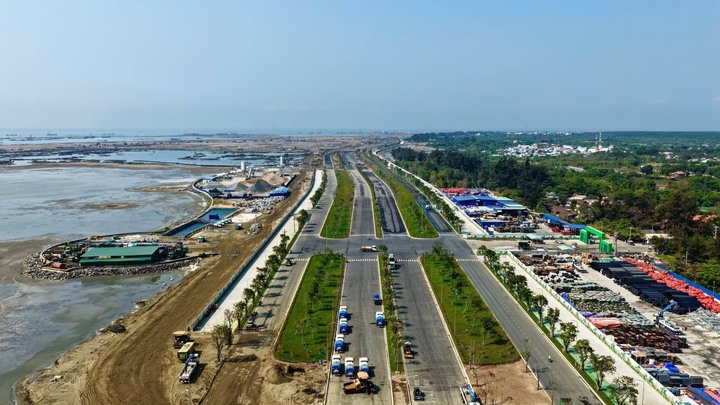
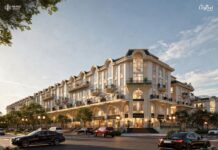
The Can Gio sea-encroaching urban area, featuring modern infrastructure, is accelerating investment.
The Director of the Department of Tourism affirmed that Ho Chi Minh City envisions Can Gio not as a replica of any existing destination but as a unique development focused on high-end eco-tourism, cultural heritage, green transformation, and community engagement.
According to Mr. Nguyen Ngoc Vu, Secretary of the Can Gio Commune Party Committee, achieving the goal of establishing Can Gio as a new growth pole requires addressing three core issues simultaneously.
First, maintaining high but controlled development speed; second, ensuring superior infrastructure investment and development; and third, contributing meaningfully to the economic growth of the region and the broader economy. These are considered the three main pillars in the current growth pole development strategy.
“Within Can Gio’s total area of approximately 157km², about 60% is natural mangrove forests and river systems. This distinctive feature shapes the locality’s unique identity and underpins its ecological tourism development direction,” Mr. Vu emphasized.
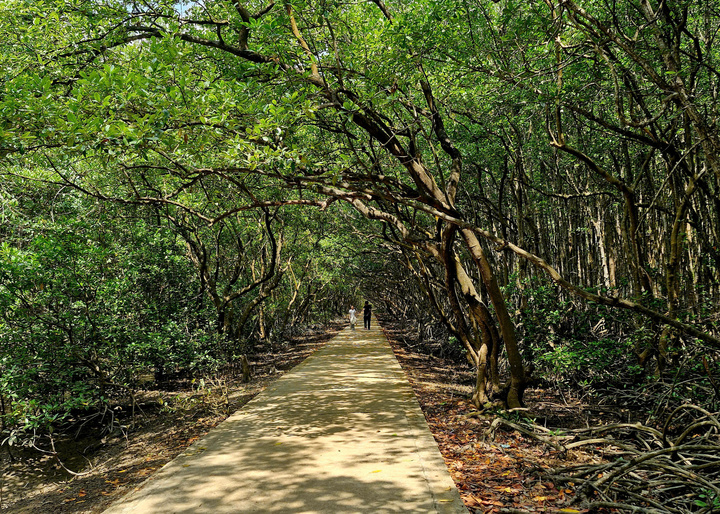
Rung Sac Tourist Area, a unique attraction drawing visitors to Can Gio.
Echoing this sentiment, Mr. Vo Anh Tai, Deputy General Director of Saigontourist Group, stressed that for Can Gio to truly become a new tourism growth pole, a shift from “resource exploitation” to “designing a structured product ecosystem” is essential.
Tourism products should not be limited to individual tours or services but organized into flagship product lines with distinct identities and long-term competitiveness.
“Can Gio’s unique advantage is its simultaneous possession of both sea and mangrove forests—a foundation for creating iconic ecological product lines combining daytime forest experiences with nighttime seaside relaxation, setting it apart from purely coastal or ecological destinations.
It can also be positioned as Ho Chi Minh City’s health and wellness tourism hub, offering restorative resort experiences, meditation, yoga, and physical and mental rejuvenation for urban residents,” Mr. Tai added.
Unlocking Urban Potential: The First TOD Cities Along Binh Duong’s Metro Line 1
If the metro reshapes the entire commuting habit, then TOD (Transit-Oriented Development) is the inevitable living trend for residents in major cities. This has made properties that possess both factors—proximity to the metro and location within a TOD planning area—the top choice for homebuyers.
Ho Chi Minh City Addresses Concerns Over Potential Land Price Surge Following New Calculation Method
The implementation of the new land price schedule, amidst the absence of a land price adjustment coefficient, has garnered significant attention from both citizens and businesses. This is due to its direct impact on financial obligations, benefits associated with land use conversions, compensation for land clearance, and the execution of urban renewal projects.
Critical Bridge in Ho Chi Minh City Deemed Unsafe: Repairs Underway on Expansion Joints
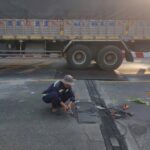
Phú Cường Bridge, originally constructed in the late 1960s, underwent a complete rebuild with construction commencing in November 2004.
Ho Chi Minh City Announces Official Pricing Framework for Public Housing Units
Our comprehensive pricing framework includes operational management fees, maintenance costs, and property leasing administration expenses for official residences.
Social Housing Tycoon Proposes New Initiative Following 50,000-Unit Commitment

The Chairman of HQC believes that most real estate companies and individuals already own land. The key challenge lies in establishing an appropriate mechanism to convert these land reserves into affordable housing developments.