Developers Forced to Offload Inventory
In the 2026 Strategy Report, Vina Capital experts predict that the 2026-2027 period will see a significant increase in real estate supply rather than a new price hike cycle. Primary property prices may experience a slight decline this year, following last year’s sharp rise. This forecast is based on two key factors: the surge in supply as new projects enter the market and the approximately 1 percentage point increase in mortgage interest rates over the past year.
Mortgage rates rose to around 11% by the end of 2025, high enough to curb speculative activity but still acceptable for homebuyers. Vina Capital notes that this modest rate increase has contributed to a moderate rise in inventory levels among some developers.
By mid-2025, most new launches were absorbed almost instantly, largely driven by speculative demand anticipating quick profits amid rapid price increases.
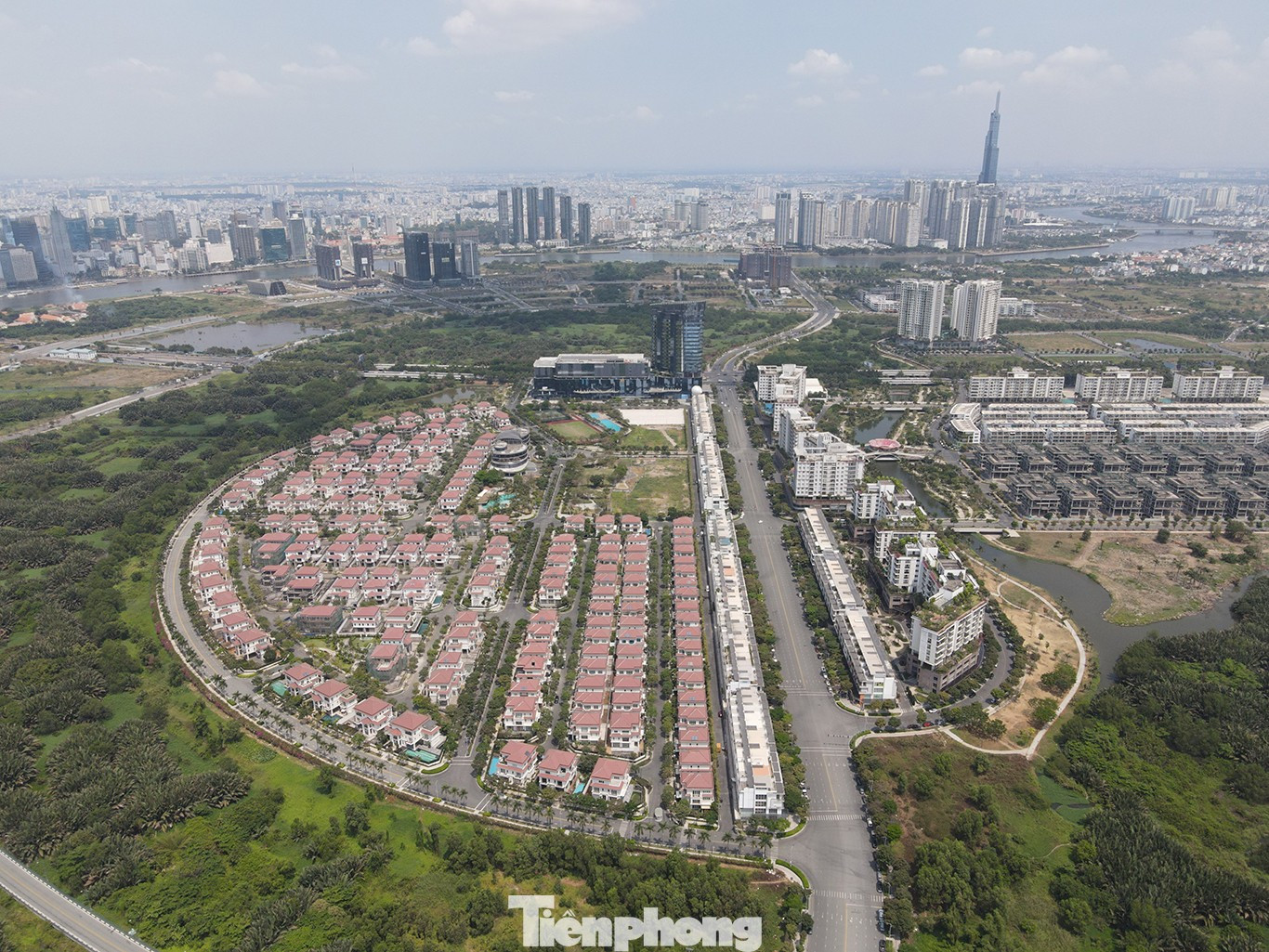
The 2026-2027 period will witness a significant increase in real estate supply.
However, by year-end, as mortgage rates climbed to around 11%, speculative demand cooled, and higher rates made homebuyers more cautious, slowing absorption rates.
Developers with overpriced units (e.g., above $5,000/m²), low-quality projects, or properties lacking clear legal status or ownership began facing transaction freezes and rising inventory levels. This forced some developers to offload unsold units into the market late last year, particularly in tier-2 cities. VinaCapital’s real estate team estimates that approximately 30% of recently launched units remain unsold. While not excessive, this inventory level is sufficient to bring prices down to levels acceptable to end-buyers.
Nonetheless, VinaCapital experts do not anticipate a strong price surge or vibrant trading activity this year but expect steady absorption for residential products meeting genuine housing needs.
Maintaining High Price Levels
According to the Vietnam Association of Realtors (VARS), the market began shifting in late 2025. While some projects were well-absorbed, polarization became more evident as supply increased across the board, offering diverse options. With rising interest rates, financial pressure intensified for highly leveraged investors who had engaged in short-term speculation during the market’s “hot” phase.
As property prices have risen significantly relative to average incomes, and financing costs, particularly mortgage rates, continue to exert pressure, the market is narrowing its participant base. Genuine homebuyers must have strong financial foundations and long-term savings capabilities. Investors can no longer achieve quick profits as easily as before.
Consequently, speculative strategies based on unverified information, herd mentality, or short-term expectations are increasingly risky, especially as market data becomes more transparent, notably through the introduction of unique property identifiers. Investors are compelled to adopt a more selective approach, prioritizing real value, exploitability, liquidity, and risk management. Highly leveraged investors lacking long-term strategies will gradually exit the market.
Alongside the establishment of a robust legal framework, the development, standardization, and widespread adoption of professional norms, industry criteria, and project development standards are urgent requirements in the current phase. These not only provide a foundation for guiding investment, business, and professional real estate activities toward transparency and professionalism but also help filter the market, enhance product quality, and improve participant capabilities.
“Once these standards are established and widely adhered to, the market will operate more healthily, reducing speculative and price-manipulative behaviors while fostering sustainable mid- to long-term development,” a VARS expert stated.
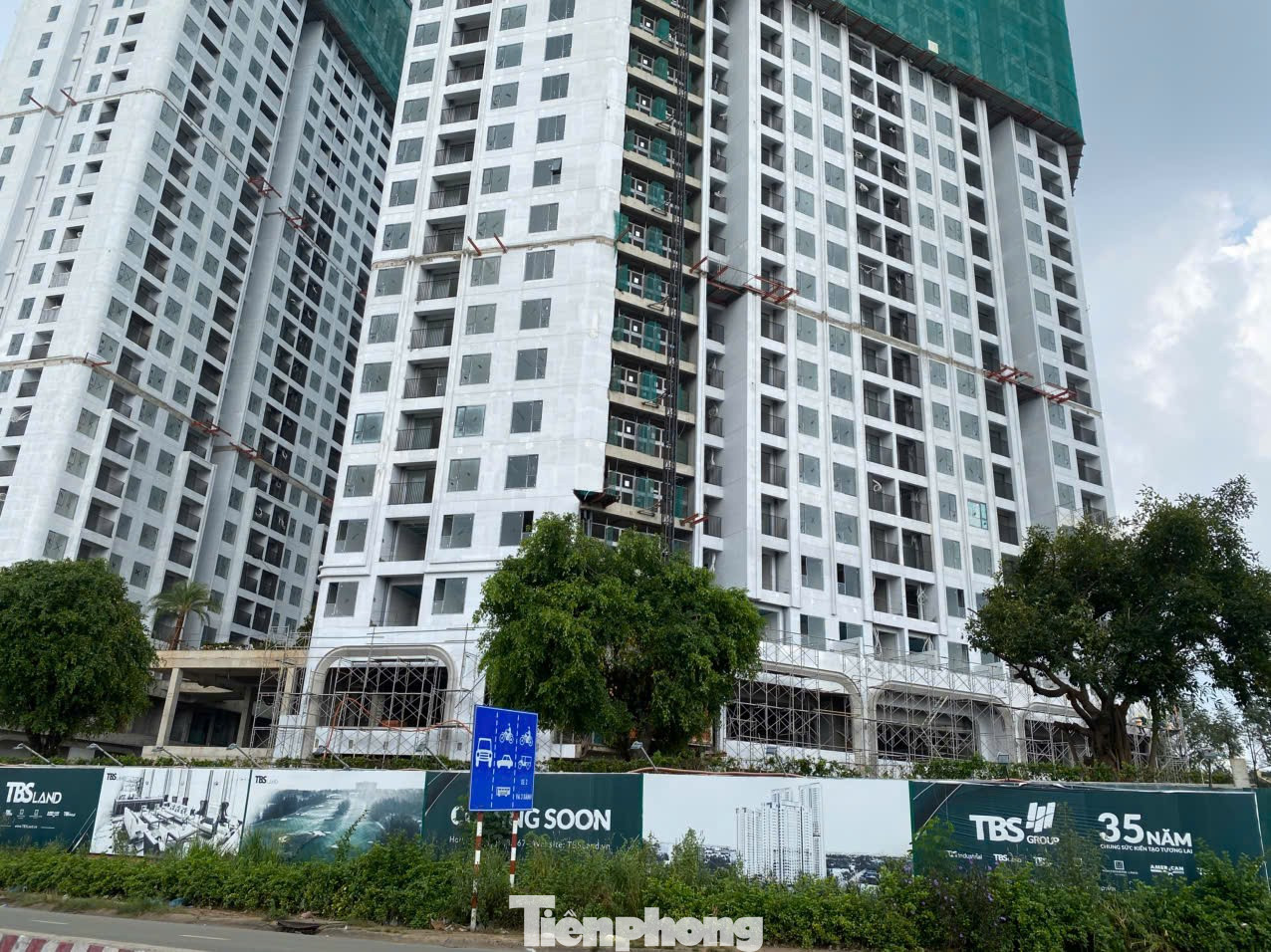
Investors can no longer achieve quick profits as easily as before.
Long-term, VARS believes property prices will not surge but will remain stable due to consistently high genuine housing demand. Additionally, rising development costs, particularly financial obligations related to land under the new land price schedule, are establishing a new market price floor.
However, market demand will be highly selective. Projects with prices far exceeding real value, poor connectivity, incomplete legal status, or misaligned with genuine housing needs will face transaction freezes, even as overall prices continue to rise.
In the broader context, VARS expects central area real estate to maintain high prices and steady growth. New supply in these areas is virtually nonexistent, and most owners face no pressure to sell. Land in central areas is increasingly scarce and concentrated in the luxury segment, catering to growing demand from high-income individuals and skilled professionals amid an economy focused on growth and deep integration.
However, central area price stability depends on healthy peripheral market operations. If liquidity in peripheral areas declines sharply, investors may restructure portfolios, selling more liquid assets—typically central area properties—to manage cash flow.
West Lake Waterfront Property Prices Hit Nearly 2 Billion VND per Square Meter
Not only are property prices soaring in the Old Quarter, but the real estate market around West Lake is setting new records, with some townhouses listed at nearly 2 billion VND per square meter. This unprecedented surge continues to astonish Hanoi’s property market in the early days of 2026.
Deputy CEO of Batdongsan.com.vn: Market Has “Passed the Interest Rate Turbulence,” Entering a Phase of Selective Recovery

According to Batdongsan.com.vn, the positive macroeconomic outlook for 2025, coupled with new policies promoting data transparency and property identification, is providing a crucial foundation for the real estate market.
2025 Real Estate Demand Trends: What Does 2026 Hold for Housing Supply?
Experts predict that the demand for residential properties will spearhead the real estate buying trend in 2025. By 2026, the market is expected to witness a significant influx of new supply in Vietnam, fueled by the dual engines of private and state-driven economic growth, creating fresh momentum for expansion.
Hanoi Apartment Price Surge Unlikely to Cool Down in First Half of 2026 Due to This Key Factor

As we step into 2026, Hanoi’s real estate market is poised to embark on a new cycle, driven primarily by infrastructure development, urban expansion, and a reshaping of the housing supply structure.
Chairman of Hoa Binh Construction Group Le Viet Hai: Real Estate Must Develop Steadily to Prevent Ecosystem Disruptions and Ensure Continuous Employment for Businesses

At the forum “Real Estate Market Outlook 2026 – Momentum for a New Growth Cycle,” organized by Construction Newspaper, many opinions suggested that the market is poised to enter a new growth cycle.