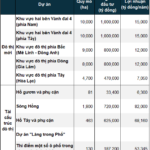
To restructure the urban landscape according to the 100-year Vision Master Plan, Hanoi’s People’s Committee aims to relocate approximately 861,000 residents from key areas such as the Red River banks, the Old Quarter, and within the Ring Road 3 by 2045, following a two-phase timeline.
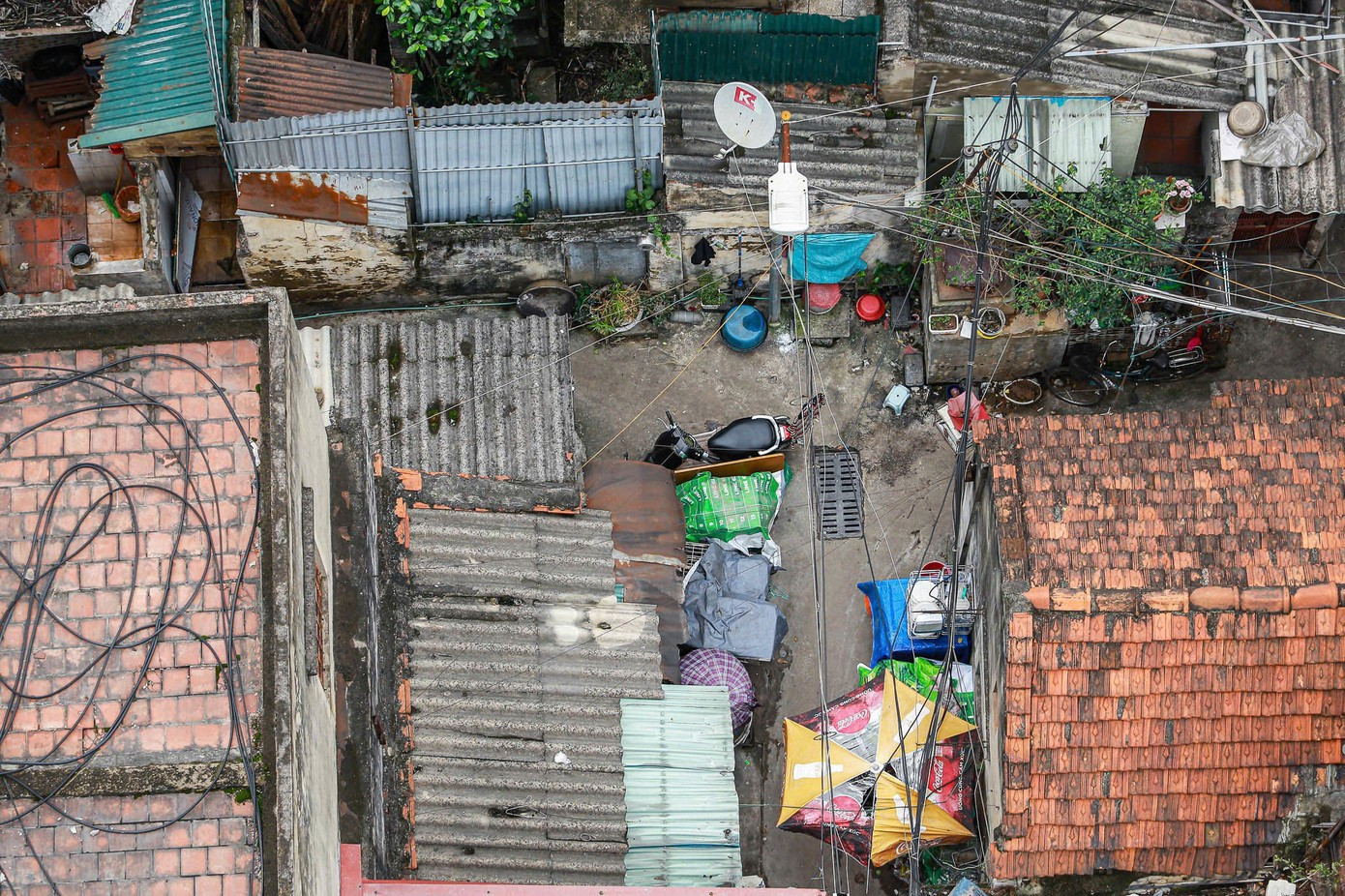
While recognized as a historic turning point for urban restructuring, the relocation of 861,000 residents from critical areas like the Old Quarter, Red River banks, and within Ring Road 3 raises significant concerns among those living in the designated planning zones.
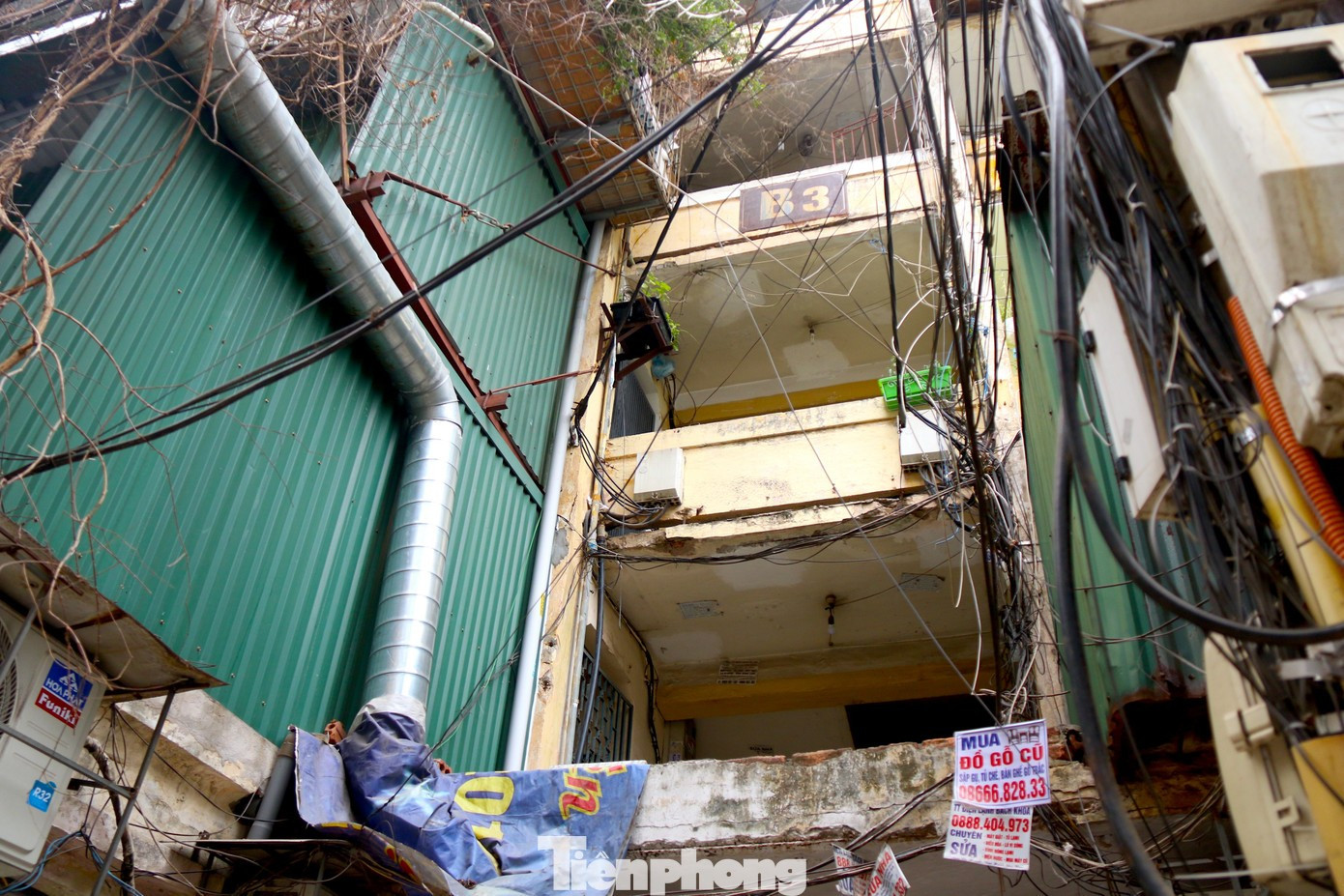
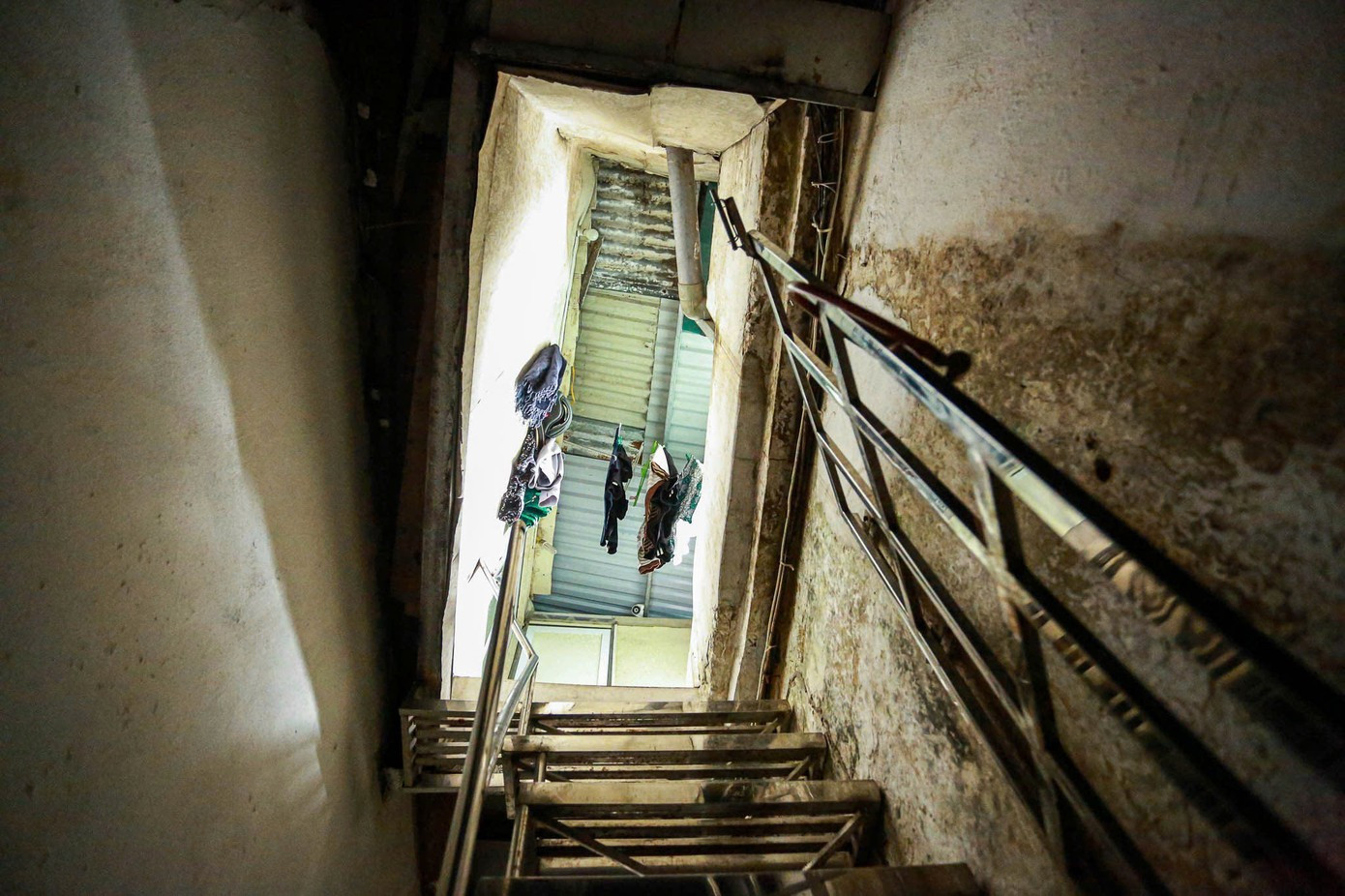
Located in the prime “golden land” of the capital’s core, many households reside in dilapidated apartment blocks that have deteriorated over the years.

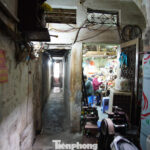
With living spaces as small as 15-20m², families are forced to partition with corrugated iron, patch up, and add extra floors to expand their living areas. Despite the poor living conditions, they remain due to the convenient livelihood opportunities in the city center.
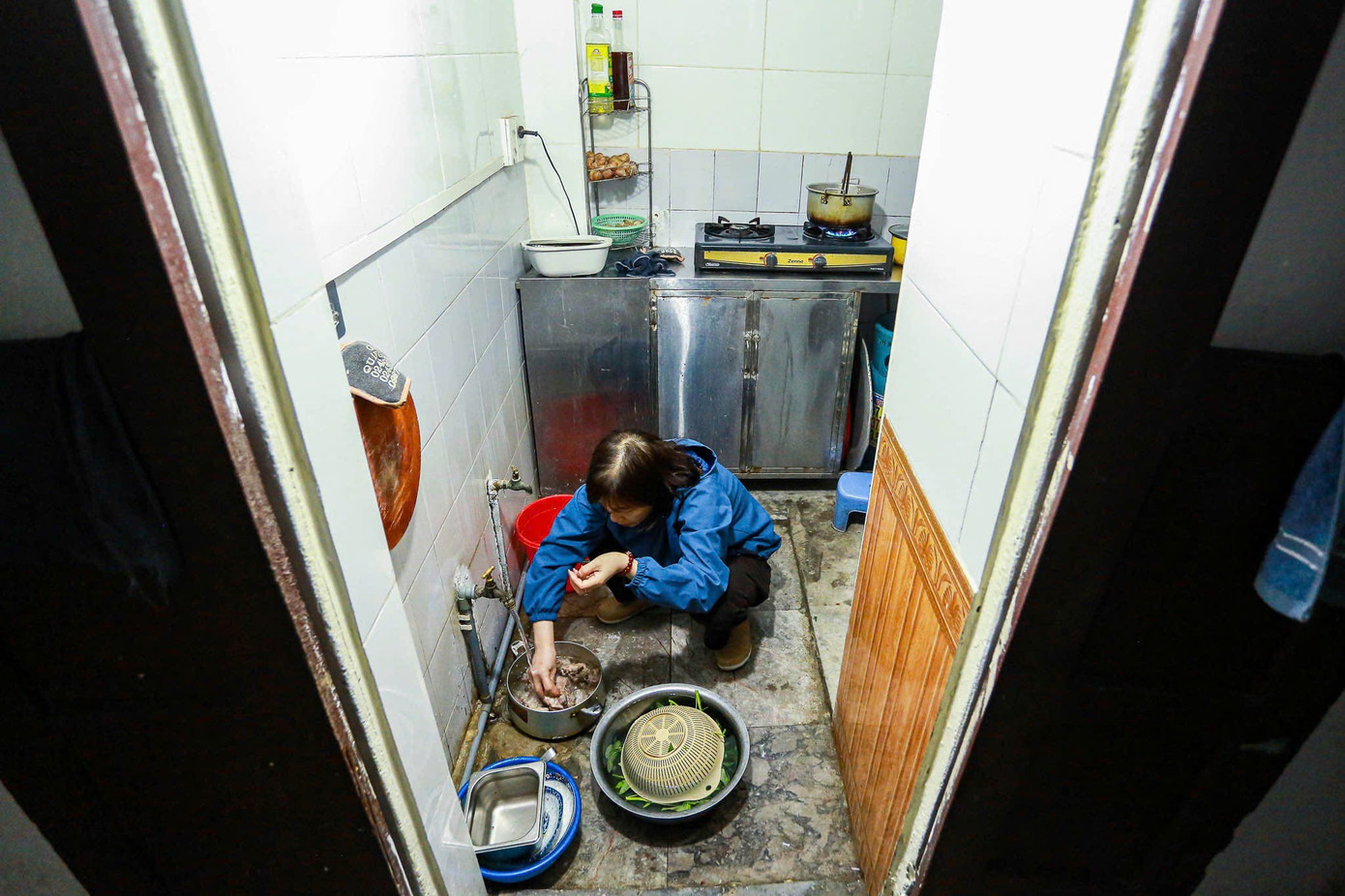
Having spent over half her life in a 30m² apartment in the Trung Tu collective housing area, Mrs. Lan cannot hide her anxiety upon hearing that the area may be subject to relocation. Despite the cramped living space, the convenience of earning a living just steps away makes her hesitant. “The small house is just for sleeping; what matters is making a living. Moving to the outskirts might offer better housing, but will I be able to do business there? The thought keeps me restless,” Mrs. Lan shares wistfully.
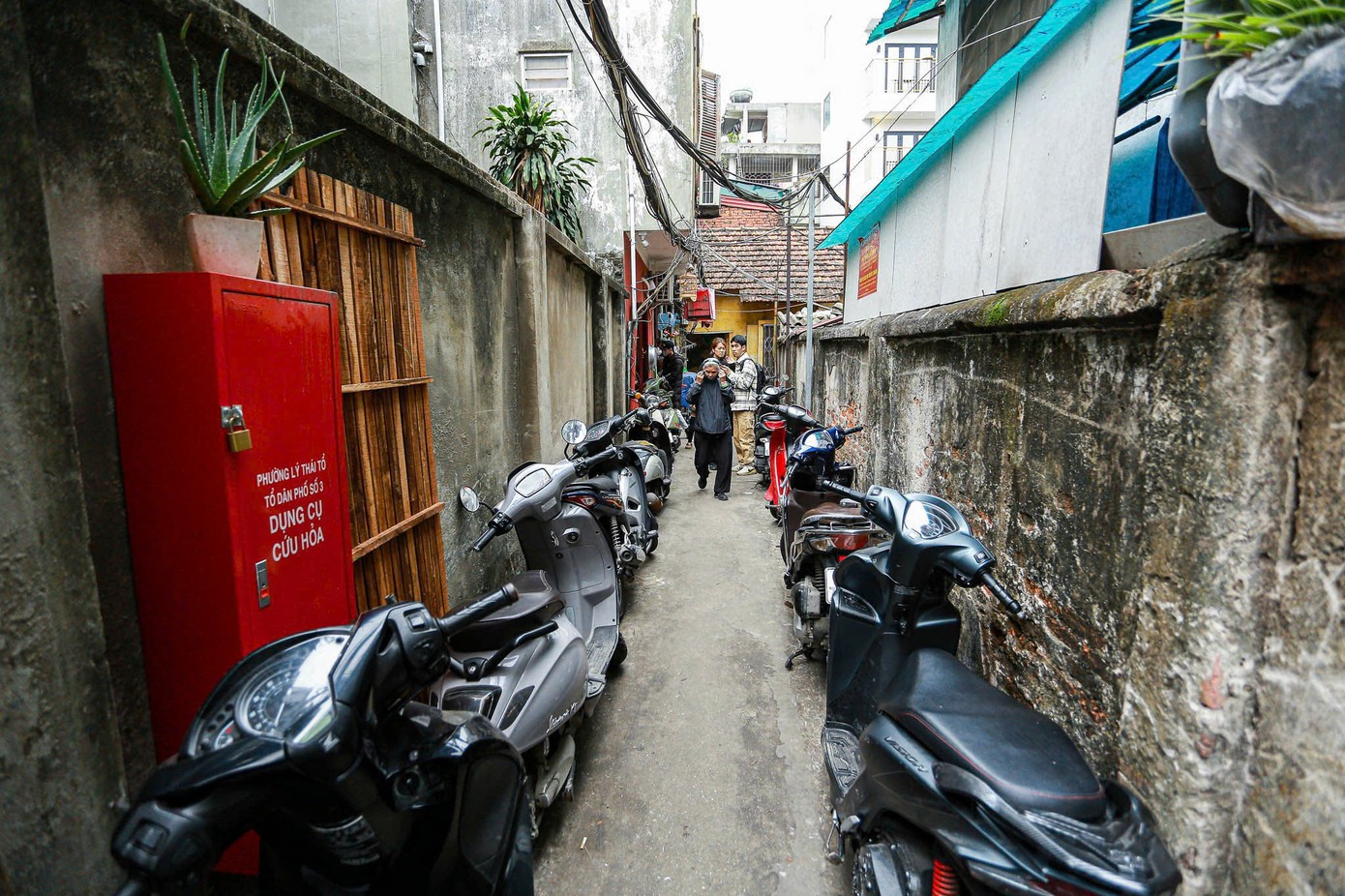
Mrs. Lan’s concerns echo those of Mrs. Minh, a resident of Hong Ha Ward, which falls within the Red River Urban Subdivision planning area. Having relied on the riverbank and wholesale market for her entire life, Mrs. Minh is deeply troubled by the prospect of moving to the outskirts.
“Most residents here are self-employed, relying on the market and riverbank for their livelihood. Moving away means losing our source of income. Young people can work in offices, but what will the elderly like us do in the suburbs?” Mrs. Minh worries.
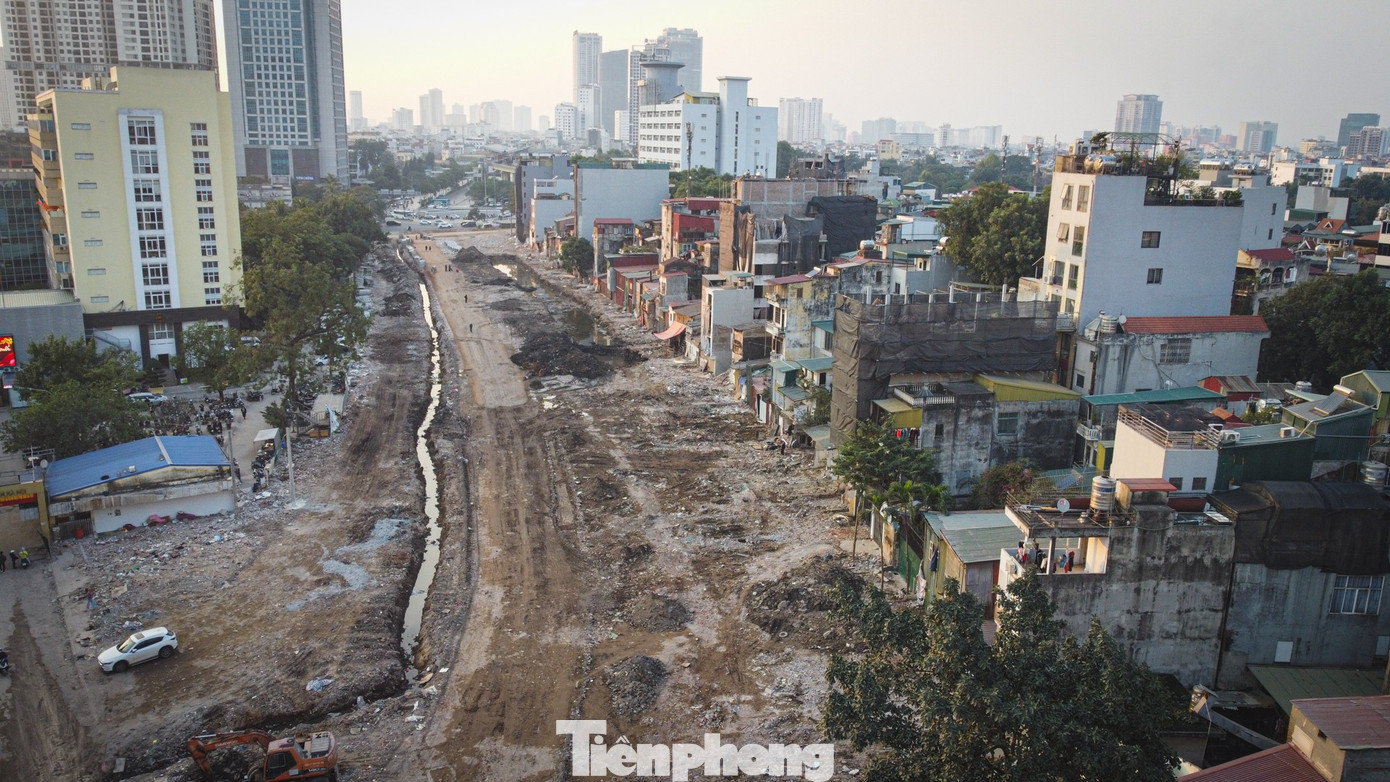
These concerns are not limited to old collective housing areas but extend to residents living along Ring Roads 1, 2, 3, and other major roads slated for expansion.
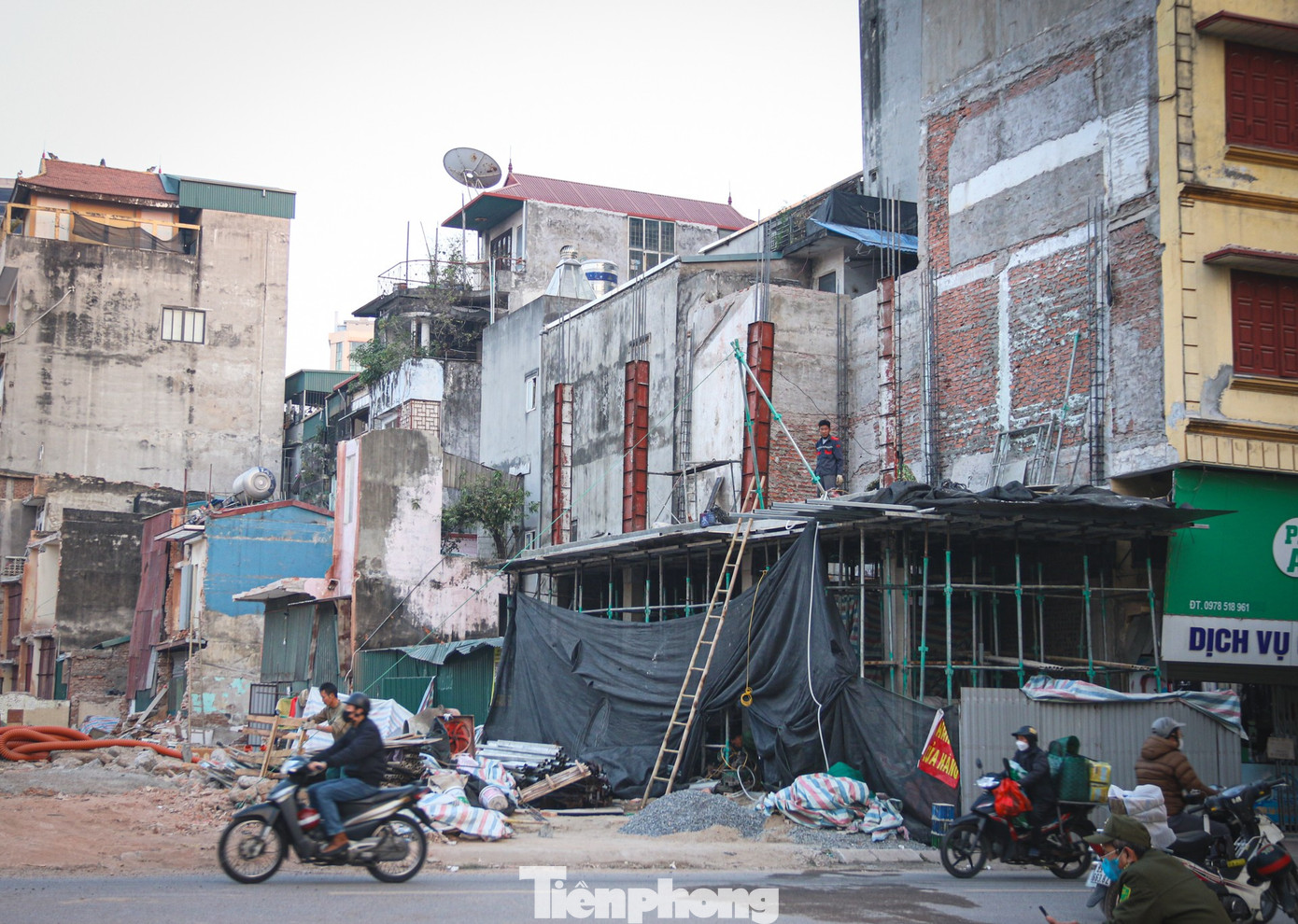
After handing over land for the construction of Ring Road 1, Mr. Nguyen Van Hung, a resident of Giang Vo, shares that despite rebuilding his home, he remains anxious about the 100-year Vision Master Plan. “My family has just settled after the land clearance; we hope the city’s planning will ensure long-term stability and continuity. Residents fear having to rebuild and relocate again due to new adjustments in a few years,” Mr. Hung expresses.
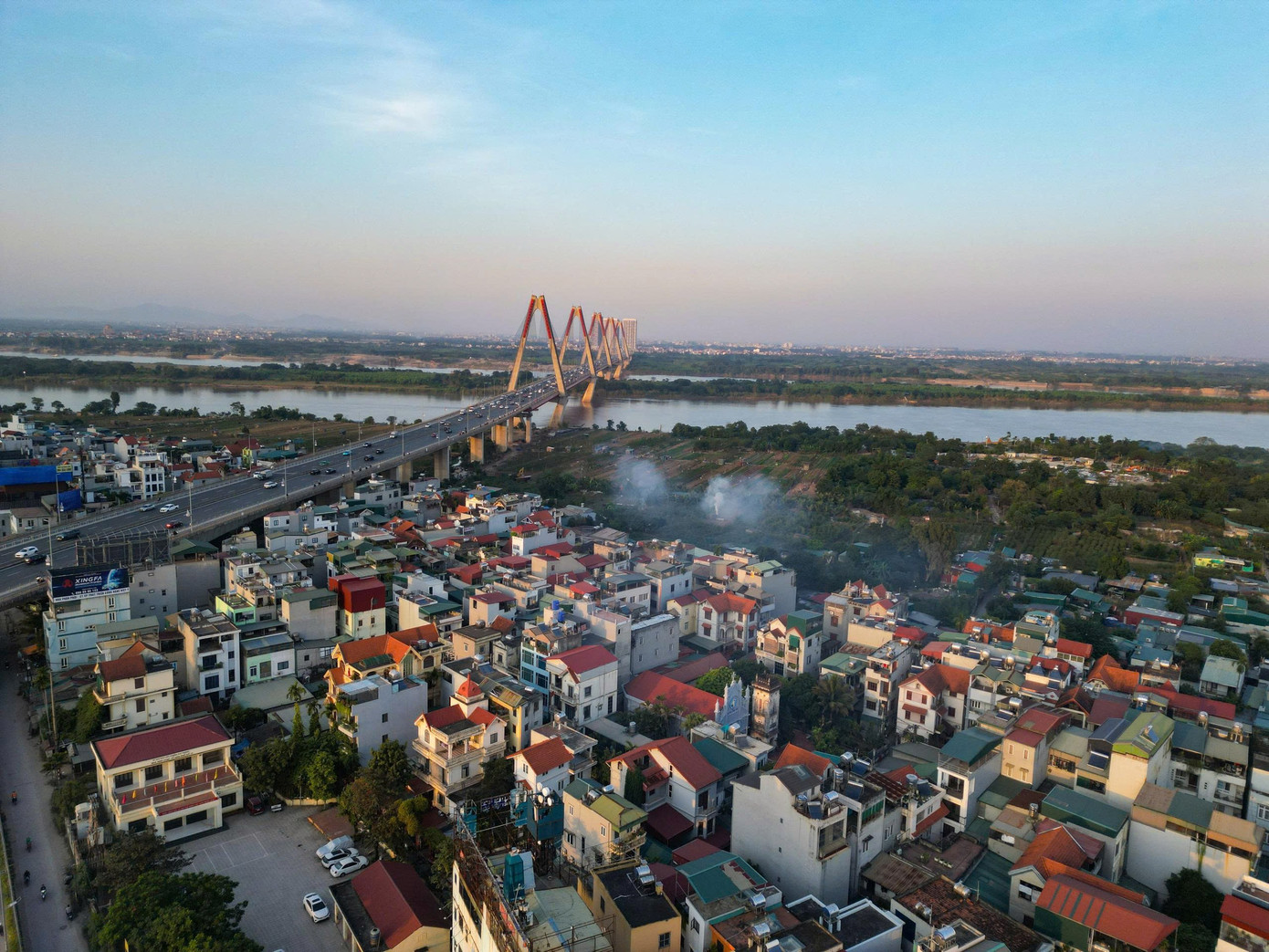
In areas along the Red River or traditional villages affected by the new landscape axis, residents are living in anxiety after learning about the project.
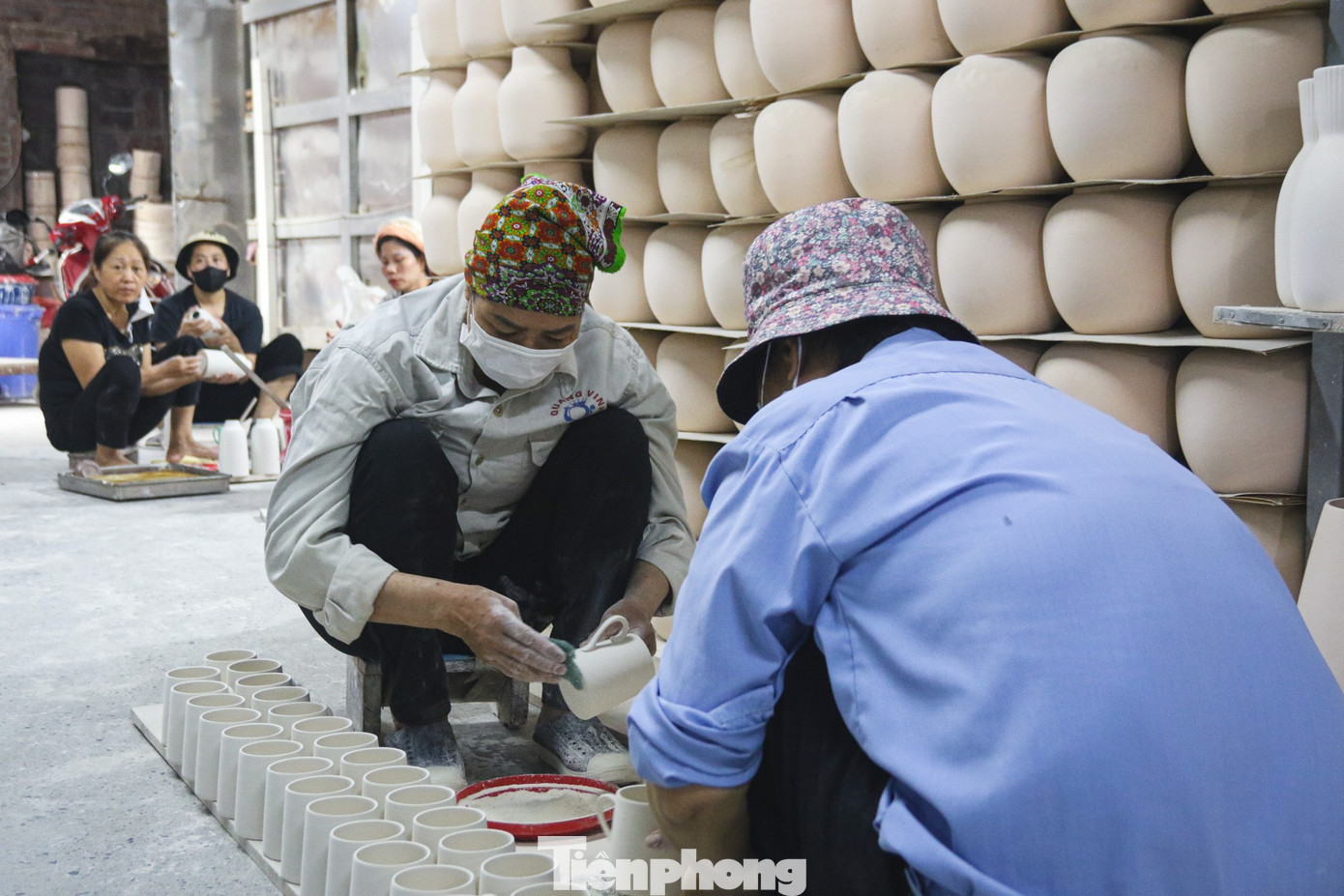
For centuries-old craft villages like Bat Trang, where “home is the workshop and alleys are the market,” the greatest concern is the risk of being “pushed” out of the village.
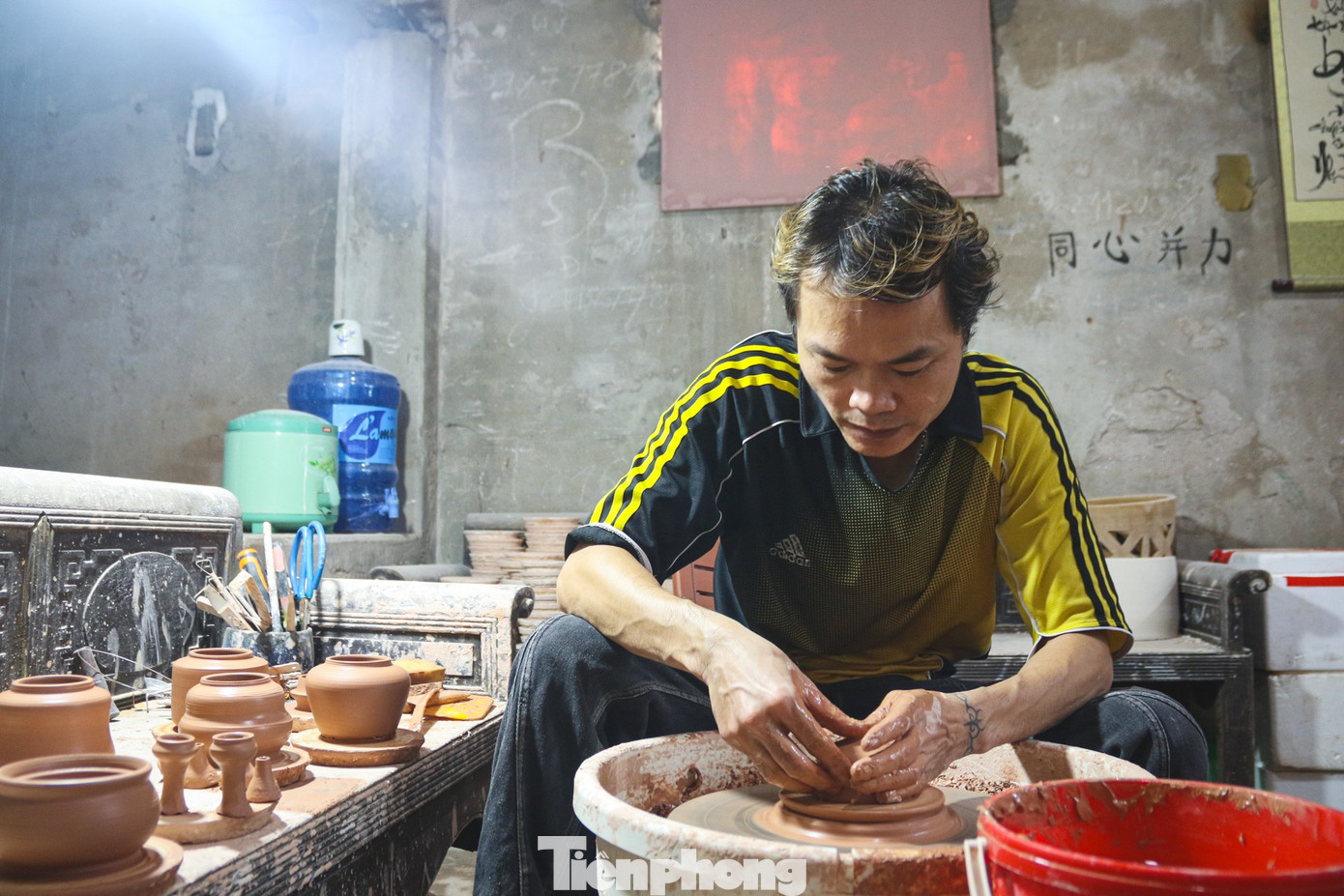
“Traditional crafts are passed down through generations, worked on day and night at home. If workshops are relocated, the costs of renting space and the loss of flexibility and convenience may force many households to abandon their craft,” shares artisan Nguyen Van Trung from Bat Trang.
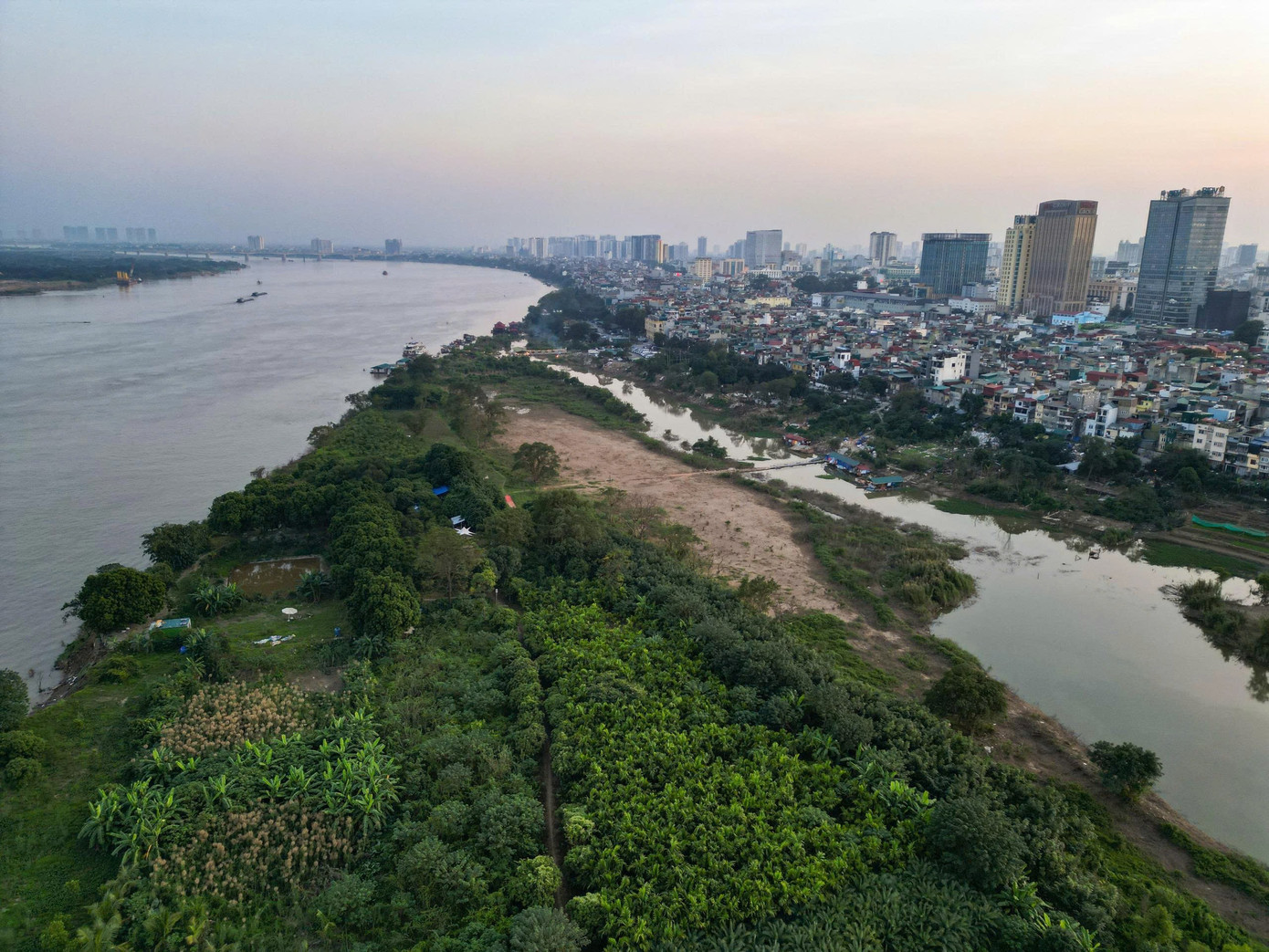
Discussing the Red River Landscape Avenue Plan, Ms. Ha Thi Vinh, Chairwoman of the Hanoi Craft Village Association and a Bat Trang ceramic artisan, notes that while details of the plan remain unclear, Bat Trang residents welcome the “village within the city” initiative with high expectations. They see it as a new opportunity to enhance trade and community development, and are ready to support the preservation of heritage cores combined with commercial expansion. Their greatest wish is for the plan to be swiftly finalized, providing a clear legal framework for local advancement.
Commenting on this issue, architect Tran Huy Anh (Standing Member of the Hanoi Association of Architects) notes that urban core population decentralization is not new and has long been a priority for Hanoi. This initiative is crucial for expanding urban space and reducing pressure on the heritage core.
However, Mr. Anh emphasizes that large-scale relocation requires meticulous planning. It is a complex “people-centered” equation, involving not just housing but also employment, education, and healthcare. He suggests that the city should promptly announce specific relocation timelines and areas to alleviate public uncertainty, as current information remains at the conceptual stage.
FPT Launches Billion-Dollar Subsidiary to Develop $2B Digital Technology Park in Hanoi

Nestled in the vibrant districts of Tây Tựu and Phú Diễn, a groundbreaking 200-hectare digital and mixed-use technology park is set to redefine innovation. With a staggering investment of over $2 billion, spearheaded by FPT Corporation, this visionary project is poised to become the cornerstone of Hanoi’s thriving creative and technological ecosystem.
Vietnam’s Largest Contractor Honors 1,100 Workers: Labor Union Representative Expresses Gratitude

“Safety is the cornerstone of happiness, the essential prerequisite that allows workers to perform at their best and return home to their families with peace of mind.”
Hanoi’s 100-Year Master Plan: Former Chief Architect Highlights 3 Key Challenges

To realize its 100-year vision, Hanoi must strategically integrate existing plans to drive innovation without conflict, secure resources for large-scale projects, and foster strong interregional connections with neighboring provinces.
Hanoi Unveils Ambitious $240 Billion Investment Plan to Revamp 10 Urban Districts
On the morning of January 27, 2026, during the 31st specialized session, the Hanoi People’s Council provided feedback on the 100-year vision Master Plan for the Capital.
Why Has Hanoi’s 28-Year Plan to Relocate 27,000 Residents from the Old Quarter Stalled?
The Hanoi Old Quarter population relocation project, approved in 1998, remains largely unimplemented due to a combination of objective and subjective challenges.