Indonesia’s President Prabowo Subianto is considering a plan to convert 20 million hectares of forest into plantations for food crops and biofuel production. This area is equivalent to the current scale of palm oil plantations in the country.
The proposal has sparked intense debate among environmental groups, government agencies, and businesses. Environmentalists are concerned about large-scale deforestation, while local officials argue that biofuels are a viable solution to reduce dependence on imported oil and lower carbon emissions.
Currently, one-sixth of global palm oil production is consumed by diesel engines in Indonesia, highlighting the nation’s energy challenges.
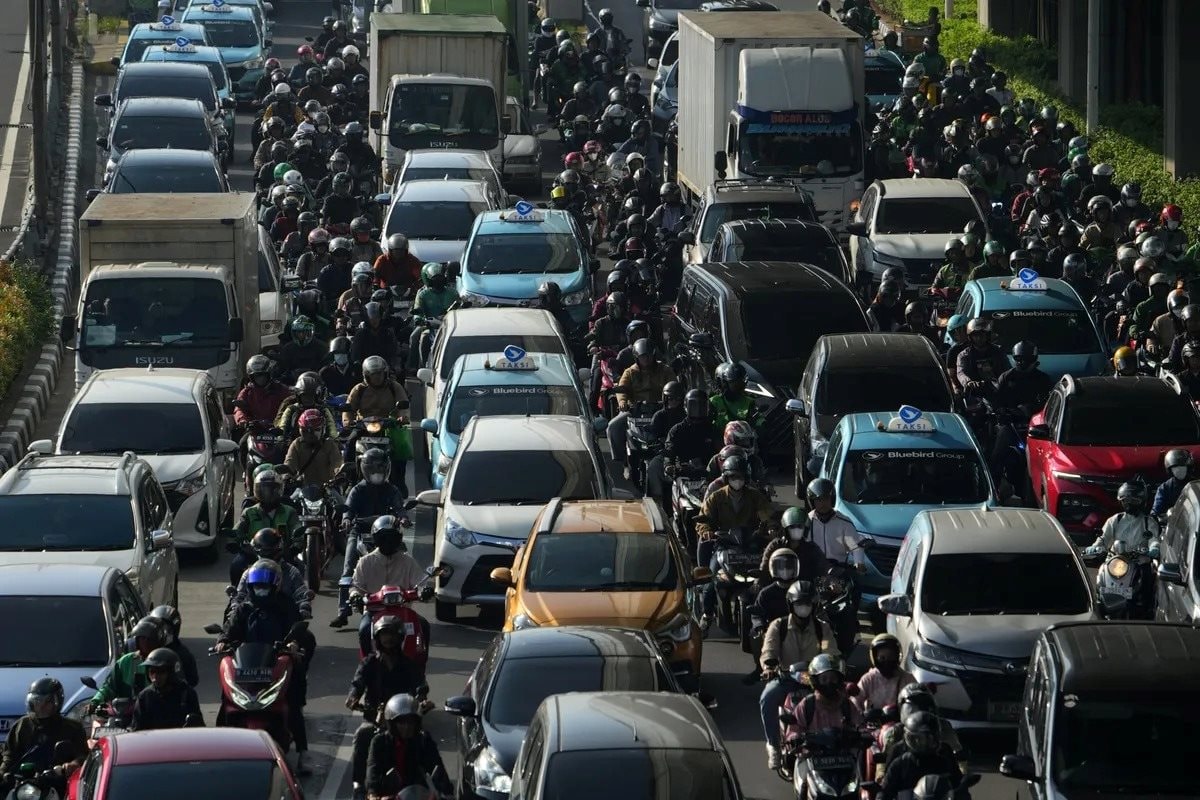
Fossil fuel consumption is placing significant strain on Indonesia’s energy infrastructure.
Historically, sacrificing forests for economic development was seen as unavoidable. However, advancements in technology now offer more sustainable alternatives.
Experts suggest that electric vehicles (EVs) present a better option for reducing oil import costs. Global EV sales surged last year, with electric and plug-in hybrid vehicles accounting for nearly a quarter of all car sales worldwide.
Southeast Asia’s transition to EVs is accelerating, though less prominently than in larger markets. In Thailand, EVs are competitively priced against fossil fuel vehicles, capturing 20% of the market last year. Singapore and Vietnam saw EV market shares of 45% and 32%, respectively.
Indonesia, with its population of 285 million, has also shown impressive growth. In 2020, EV sales were less than 1/350 of total vehicle sales, but by December 2023, they accounted for over one-third.
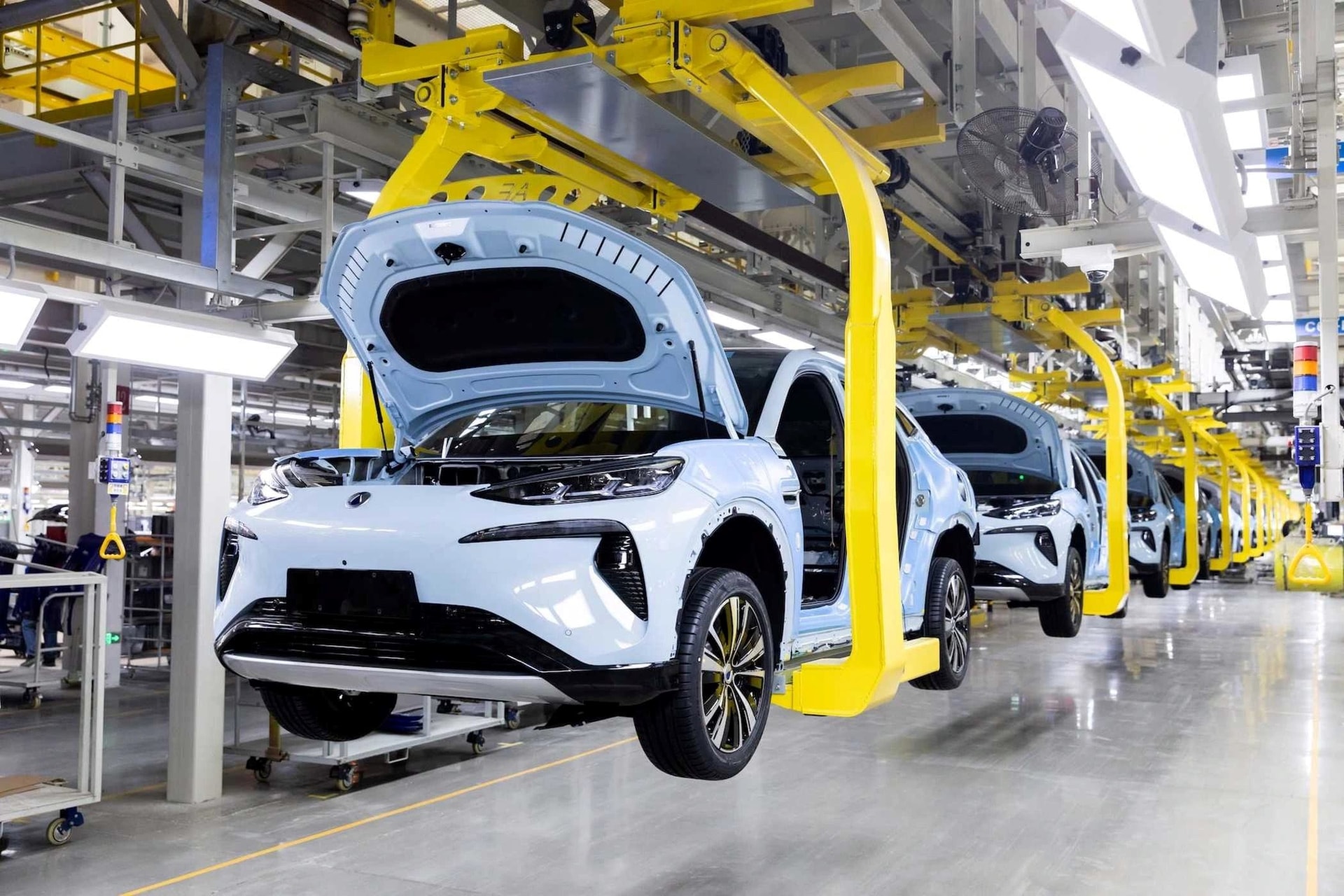
The Indonesian government has implemented policies to boost domestic EV production and assembly.
The government has introduced incentives to drive this shift. Jakarta aims to leverage its abundant copper, nickel, and aluminum reserves to become a regional EV manufacturing hub.
Authorities have eliminated import taxes and sales taxes for EVs, contingent on investment commitments. Nine automakers, including Volkswagen AG, Stellantis NV, and Chinese firms, have pledged to establish factories in Indonesia. BYD Co.’s plant near Jakarta is expected to produce 150,000 vehicles annually, meeting one-sixth of domestic demand.
However, subsidy-driven growth can be unstable. The surge in EV sales in late 2025 was largely due to concerns over expiring tax incentives. As most EVs in Indonesia are imported, prices could rise by over 50% once these benefits end.
Additionally, the government spends 10-20% of its budget on fuel subsidies, with taxpayers covering one-third of gasoline costs and nearly half of diesel costs.
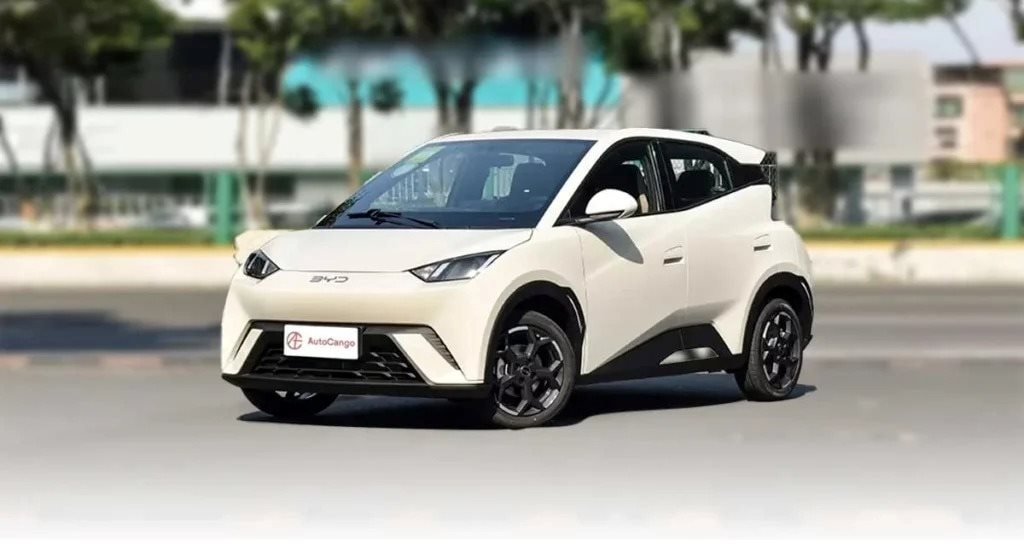
Economic analyses show that supporting EVs offers longer-term fiscal benefits compared to fossil fuels. A BYD Atto 1, priced at 200 million rupiah ($12,000), results in a 20 million rupiah tax loss. In contrast, subsidizing fuel for a comparable gasoline vehicle costs the government 7 million rupiah annually, totaling four times the EV tax loss over a 12-year lifespan.
Indonesia’s economy has long relied on commodity booms, from agriculture to minerals and fossil fuels. Now, the nation has an opportunity to transition from fossil fuels to a renewable energy-based economy.
Embracing this shift could improve environmental quality and stabilize the budget. Reducing reliance on large-scale biofuel projects would also mitigate climate-related disaster risks.
Forge Steel Alliance: Hoa Phat Partners with Indian Giant

Hòa Phát Group is committed to transforming its industrial zones into sustainable, eco-friendly environments, leading the way in green manufacturing practices.
Haxaco Targets Fivefold Profit Surge

In 2025, Haxaco (stock code: HAX), a leading automotive services company, faced the steepest downturn in the luxury car market in years. Despite this challenge, the company is strategically positioning itself for a transformative 2026, leveraging its resources to pivot and thrive in the evolving landscape.
Is VEAM Still Reaping Significant Benefits from Honda, or Is Its Advantage Gradually Diminishing?

The joint venture with Honda continued to deliver massive profits for VEAM in 2025, yet emerging signals suggest its familiar profit engine is entering an inevitable phase of transformation.
Billionaire Trần Đình Long Expands Rooftop Solar Ventures: Partners with Indian Giant Boasting 7.5 GW of Global Renewable Energy
Elevate your energy efficiency with our state-of-the-art rooftop solar power systems, now being installed across Hòa Phát’s industrial park warehouses. Harness the power of the sun to drive sustainability and reduce operational costs, setting a new standard for green energy adoption in industrial spaces.
China’s Groundbreaking Energy Project Shakes the Industry: Massive Power Storage Facility Powers 600,000 Homes, Slashes 520,000 Tons of CO2 Annually
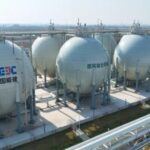
China’s remarkable stride in the energy sector is epitomized by the world’s largest power project, a testament to its innovative prowess and commitment to sustainable development.