












Wholesale Prices Drop, Retail Prices Remain High
In recent days, despite the stabilizing or slightly declining trend in pork prices, retail pork prices at many local markets in Ho Chi Minh City have remained high. For instance, pork belly is still at 160,000 VND/kg, pork loin at 157,000 VND/kg, and pork shoulder at 126,000 VND/kg.
“I’ve heard that wholesale pork prices have dropped, but when I asked at the market, vendors said prices are the same, and some cuts in supermarkets are even up to 230,000 – 254,000 VND/kg. Due to concerns about disease, I’ve cut back on buying pork and switched to chicken or seafood, which is cheaper and safer,” said Ms. Minh Lan from Bàn Cờ Ward, HCMC.
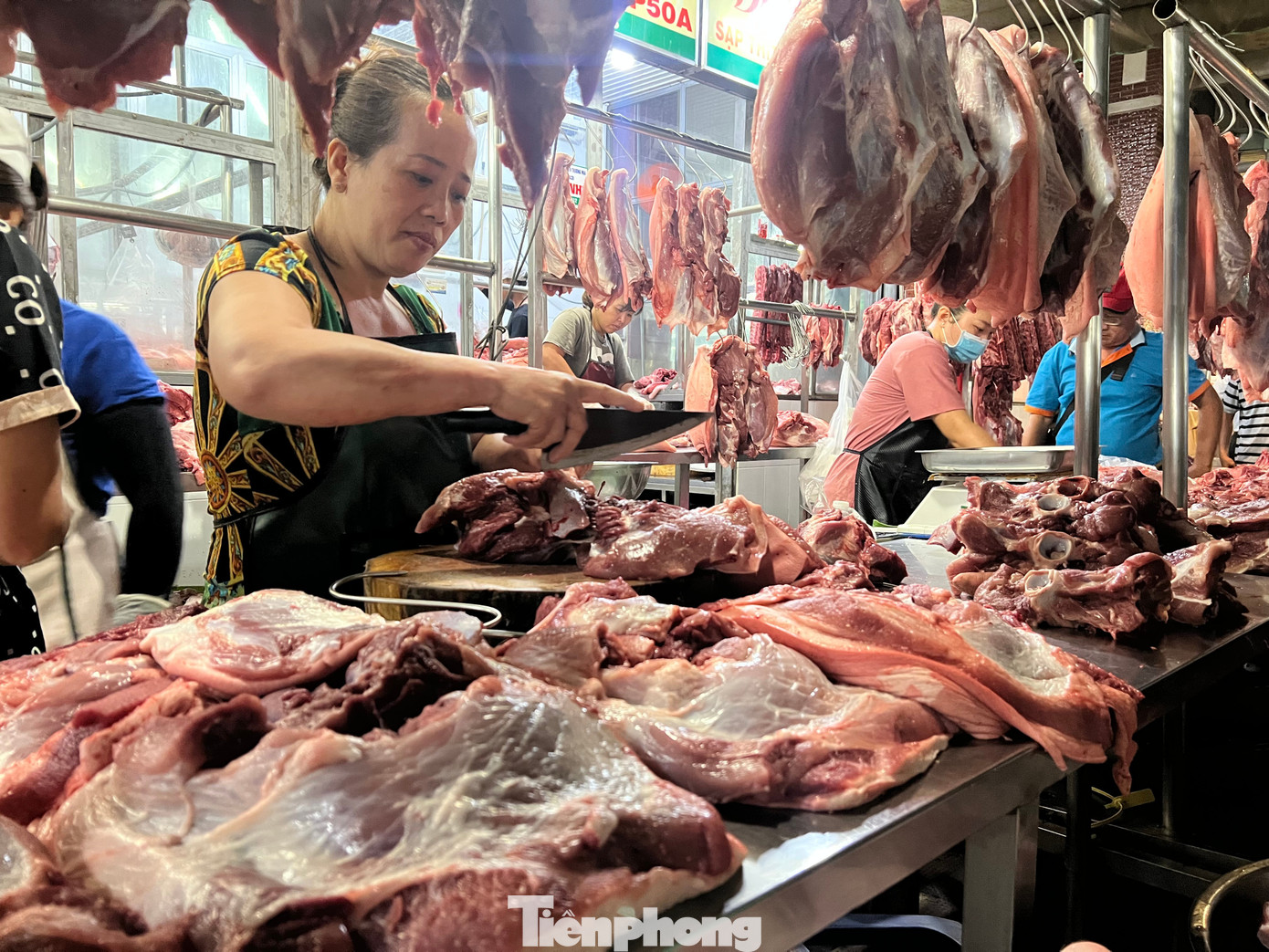
Abundant pork supply at wholesale markets, with wholesale prices around 52,000 VND/kg
In the Southern region, pork prices continued to drop by 1,000 VND. In HCMC, Đồng Nai, and Tây Ninh, prices fell to 52,000 VND/kg. At wholesale markets, pork cuts are commonly priced between 60,000 – 63,000 VND/kg.
Currently, at Hóc Môn Wholesale Market, over 5,000 pigs arrive nightly, higher than the average in previous months. Retail prices have also dropped significantly: pork ribs to around 125,000 VND/kg, pork belly to 105,000 VND/kg, and other cuts to 64,000 – 68,000 VND/kg.
Ms. Ngọc Giàu, a pork retailer, acknowledged that pork consumption has declined sharply as consumers tighten their spending, while domestic and imported supplies have increased.
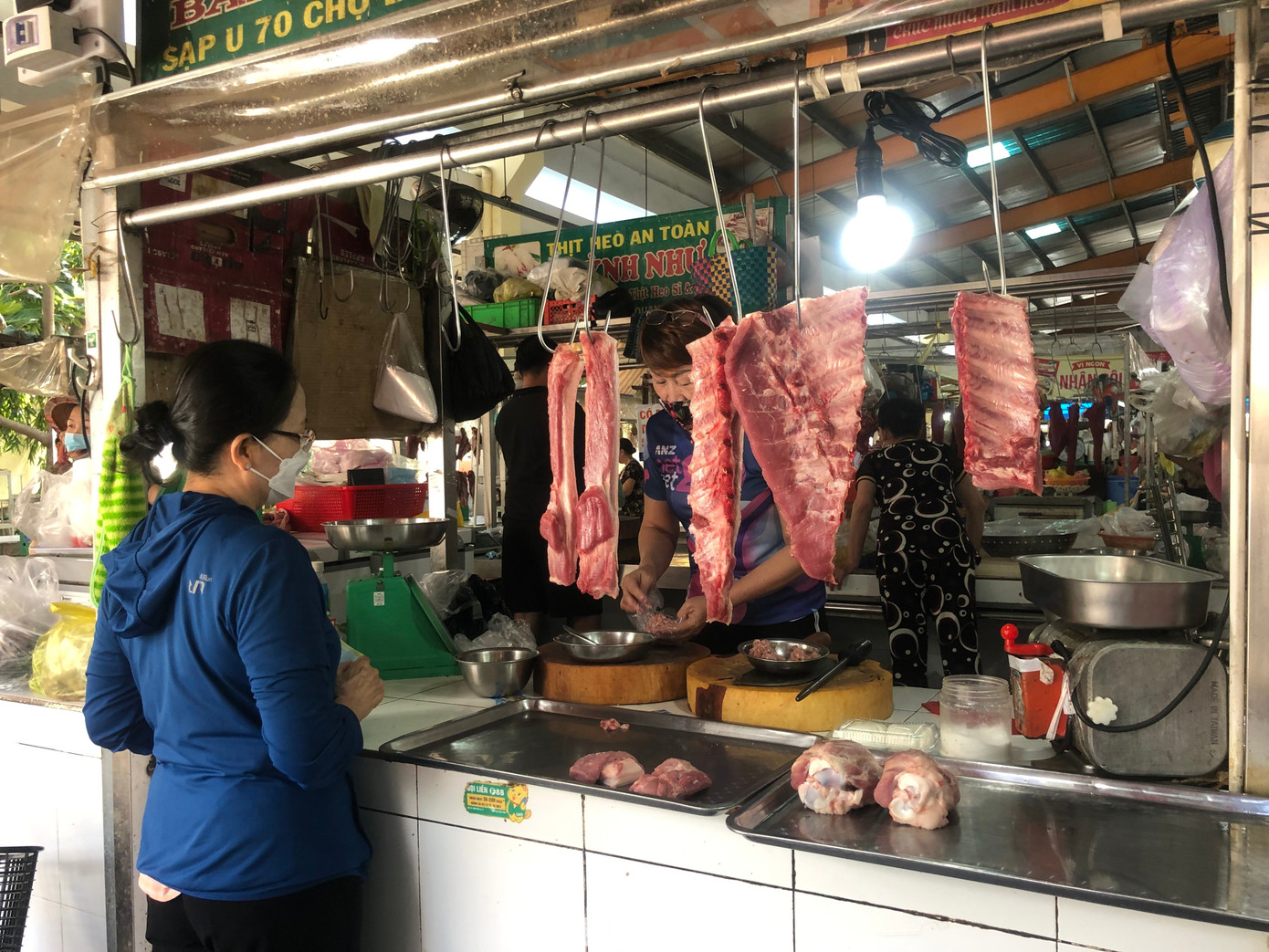
Wholesale pork prices drop, but retail prices remain steady due to transportation costs and supply factors…
According to Mr. Nguyễn Kim Đoán, Vice Chairman of Đồng Nai Province’s Livestock Association, HCMC, with its population of over 14 million, is the largest food consumer market in the country. During the year-end and Tết Nguyên đán 2026, meat demand increases by 15-20% compared to normal days. Ensuring a stable supply is a key priority. Đồng Nai currently supplies about 40-45% of the daily pork to HCMC, playing a crucial role in the supply chain.
Pilot Trading Floor Launching in Early December
Amid price fluctuations and supply chain inefficiencies, the HCMC Department of Industry and Trade has submitted a report to the HCMC People’s Committee proposing the establishment of a pork trading floor.
HCMC meets the conditions for a pilot launch, with a market size of over 25,000 billion VND/year, two stable wholesale markets, and five industrial slaughterhouses. The city has also implemented traceability systems, and many large enterprises participate in price stabilization programs. HCMC’s successful traceability implementation and its status as a financial hub provide a favorable foundation for an efficient trading floor.
Since 2019, the Department of Industry and Trade has collaborated with relevant agencies, businesses, and the Vietnam Commodity Exchange to study the pork trading model. The goal is to establish a modern trading method with traceability, quality control, food safety, and fair benefits for both farmers and consumers.
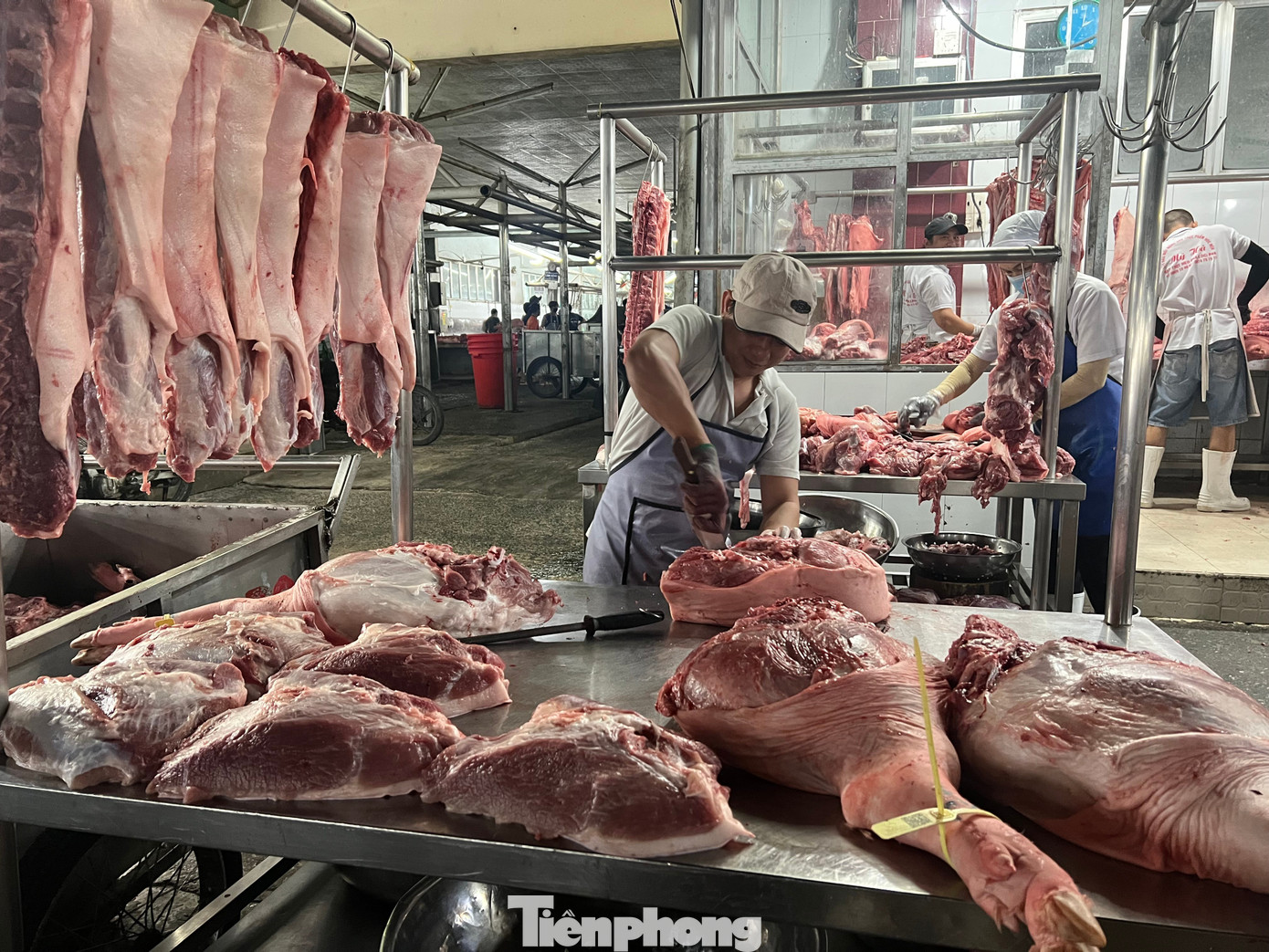
HCMC prepares to launch a pork trading floor in early December, ensuring transparency and price stability for consumers.
HCMC Department of Industry and Trade leaders believe the trading floor will address supply chain limitations such as high circulation costs, price opacity, and challenges in tracing product origins and quality. Once operational, it is expected to reduce intermediary costs, enhance state management efficiency, stabilize the market, and curb price manipulation.
The plan includes completing technical infrastructure and trading software by 2025, piloting pork trading from December 1, 2025, and evaluating results to report to the HCMC People’s Committee by March 31, 2026. Relevant departments such as Agriculture, Environment, Finance, and Food Safety will collaborate on quality control, veterinary inspections, traceability, and violation handling.
Experts note that HCMC is the largest pork consumer market in the country, with residents consuming about 9,000 pigs daily and 10,000 on weekends. Despite a market size of 25,000 billion VND annually, over 85% of transactions still occur through intermediaries, who heavily influence prices, leaving farmers and consumers at a disadvantage.
In reality, manual slaughtering, inconsistent product quality, and lack of uniform standards persist in many areas. Once the HCMC pork trading floor is operational, it will be the first of its kind in the country, offering a new approach to fresh food management and distribution, ensuring transparent origins and stable prices for consumers.
According to the Ministry of Agriculture and Rural Development, by the end of August 2025, the national pig population reached 32.4 million, up 1.6% from the beginning of the year. Commercial piglet prices rose about 20% in the first eight months but are declining due to African swine fever outbreaks in some localities. Concentrated farming facilities have recovered quickly, ensuring supply and stabilizing the market.
Today’s Live Pig Prices, October 17: The Reasons Behind the Continuous Price Plunge
Today’s live hog prices (October 17th) saw further downward adjustments by major farming companies, primarily driven by abundant domestic supply and pressure from international market prices.